Engagement
This or that: Richard Russell Scenic Highway or Wolf Pen Gap? There is no wrong answer, but we want yours. Drop it below. #RideNationGA #NorthGeorgia #GA348
Giveaway & Countdown
It's official: the BikersWin $20,000 motorcycle giveaway is LIVE, and every rider who talks to Moebes Law about a crash gets entered for free. One winner drawn December 10. Call Colonel Moe. #RideNationGA #BikersWin #20kGiveaway
Local Georgia & Rides
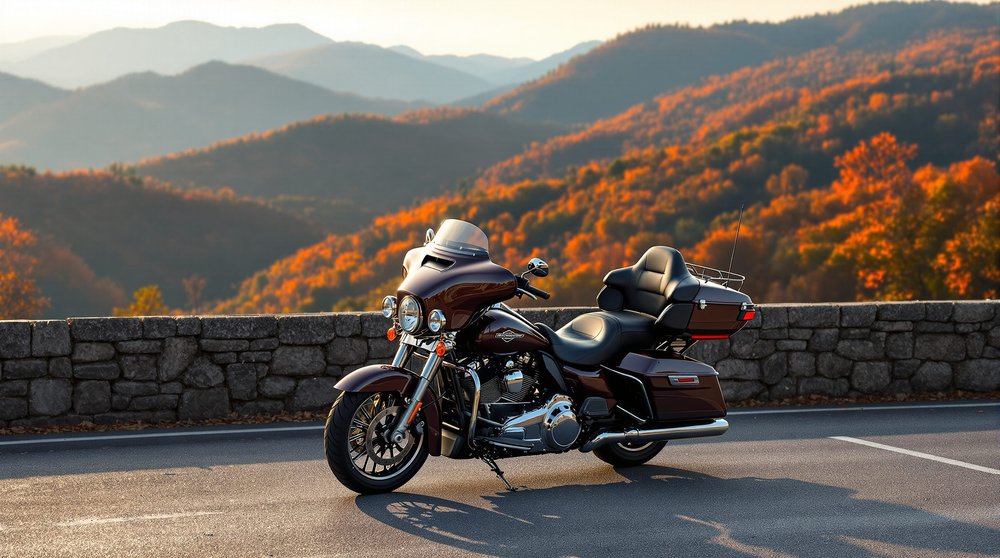
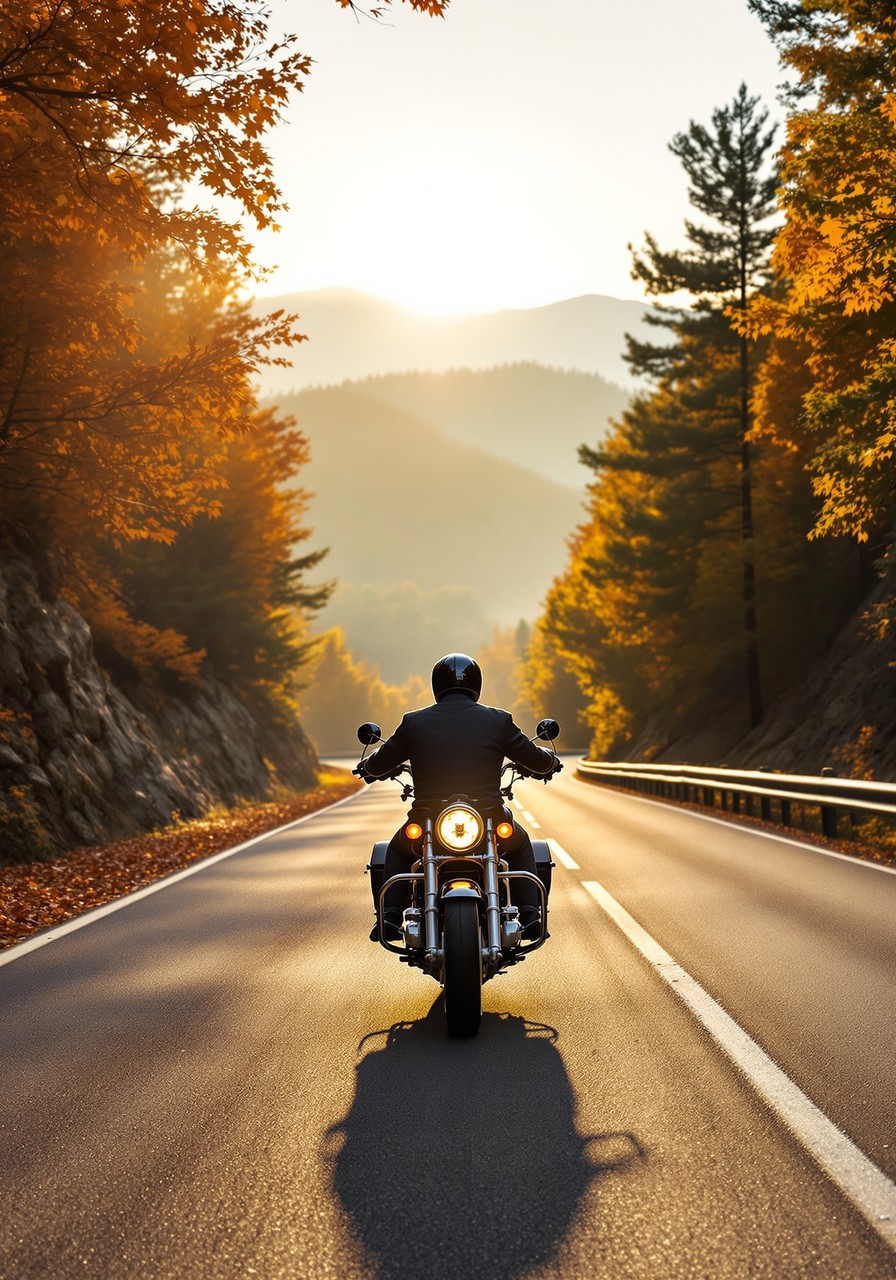
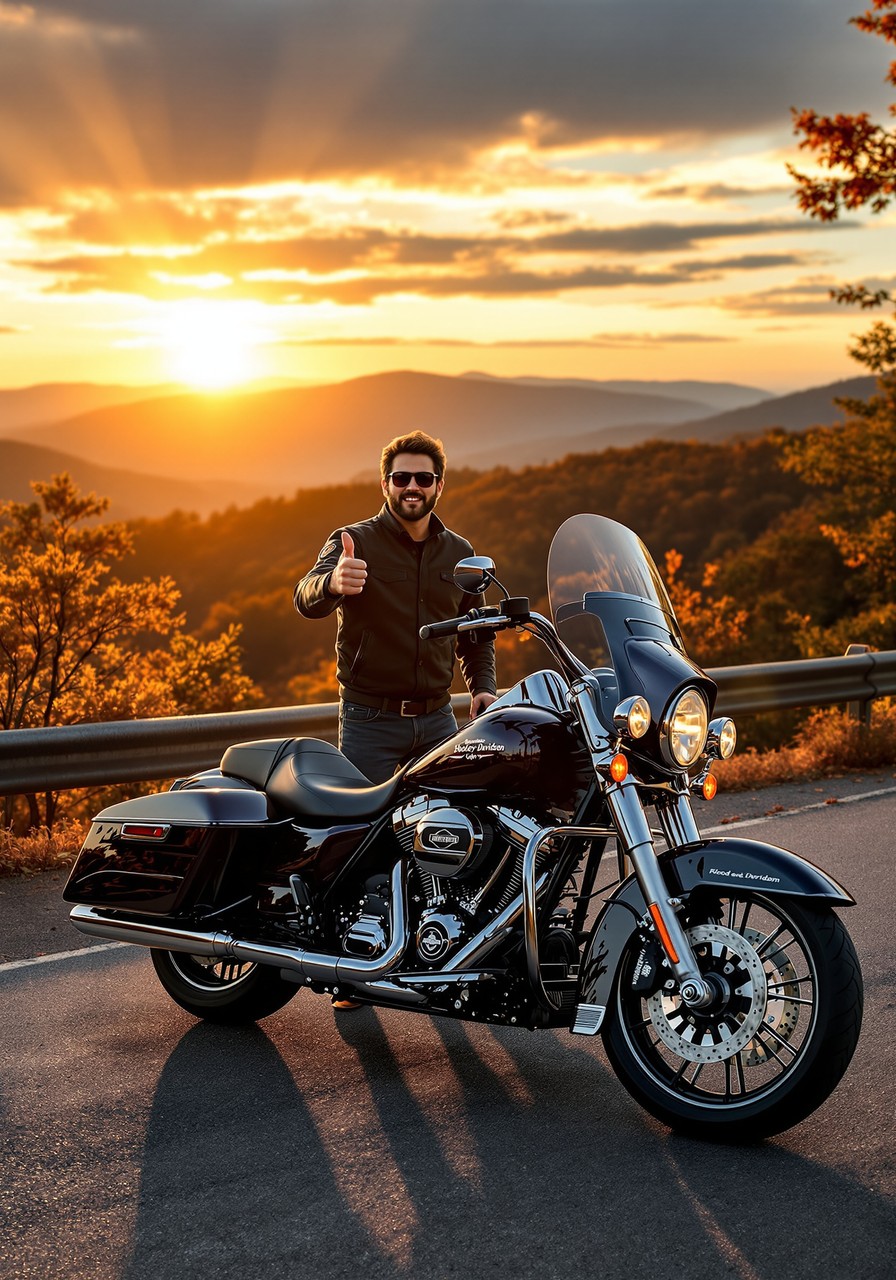
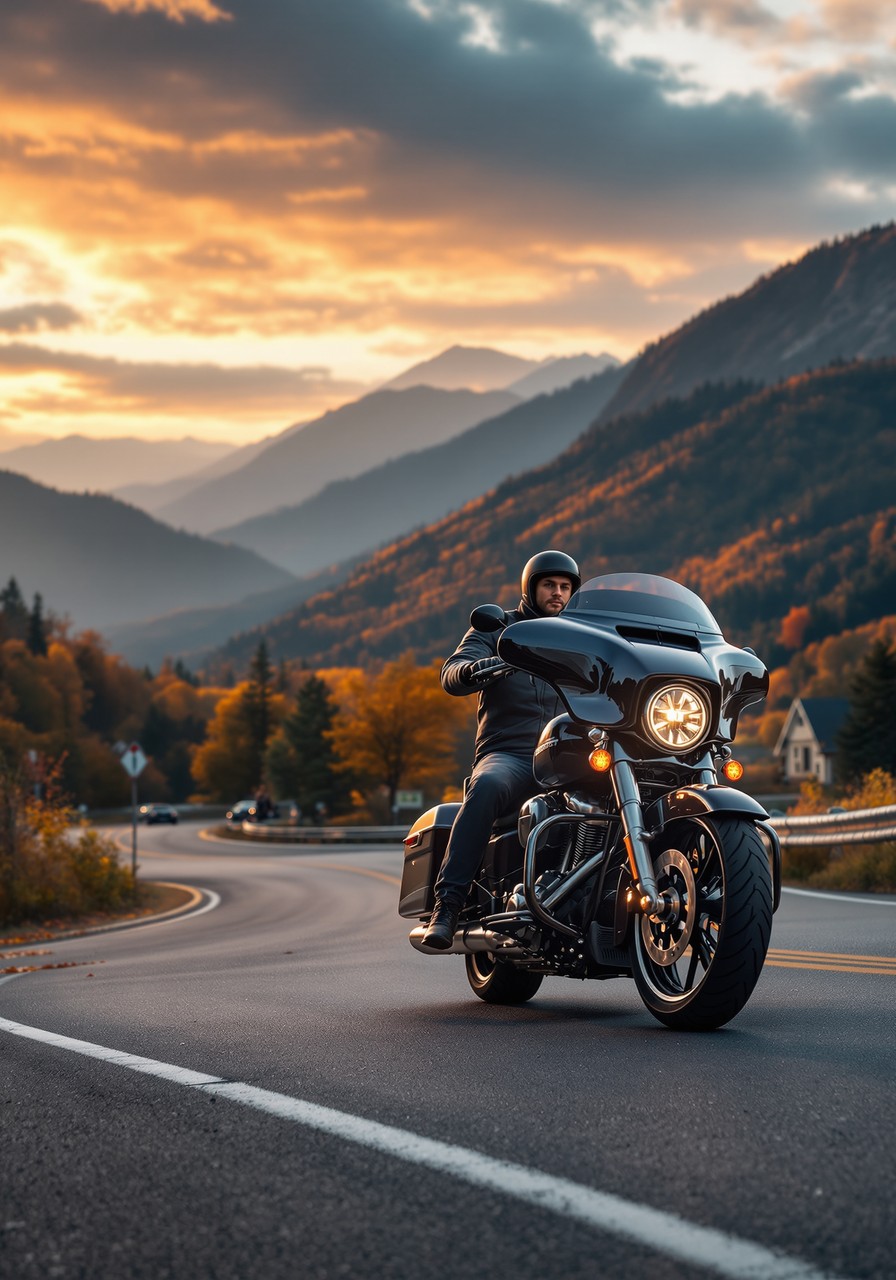
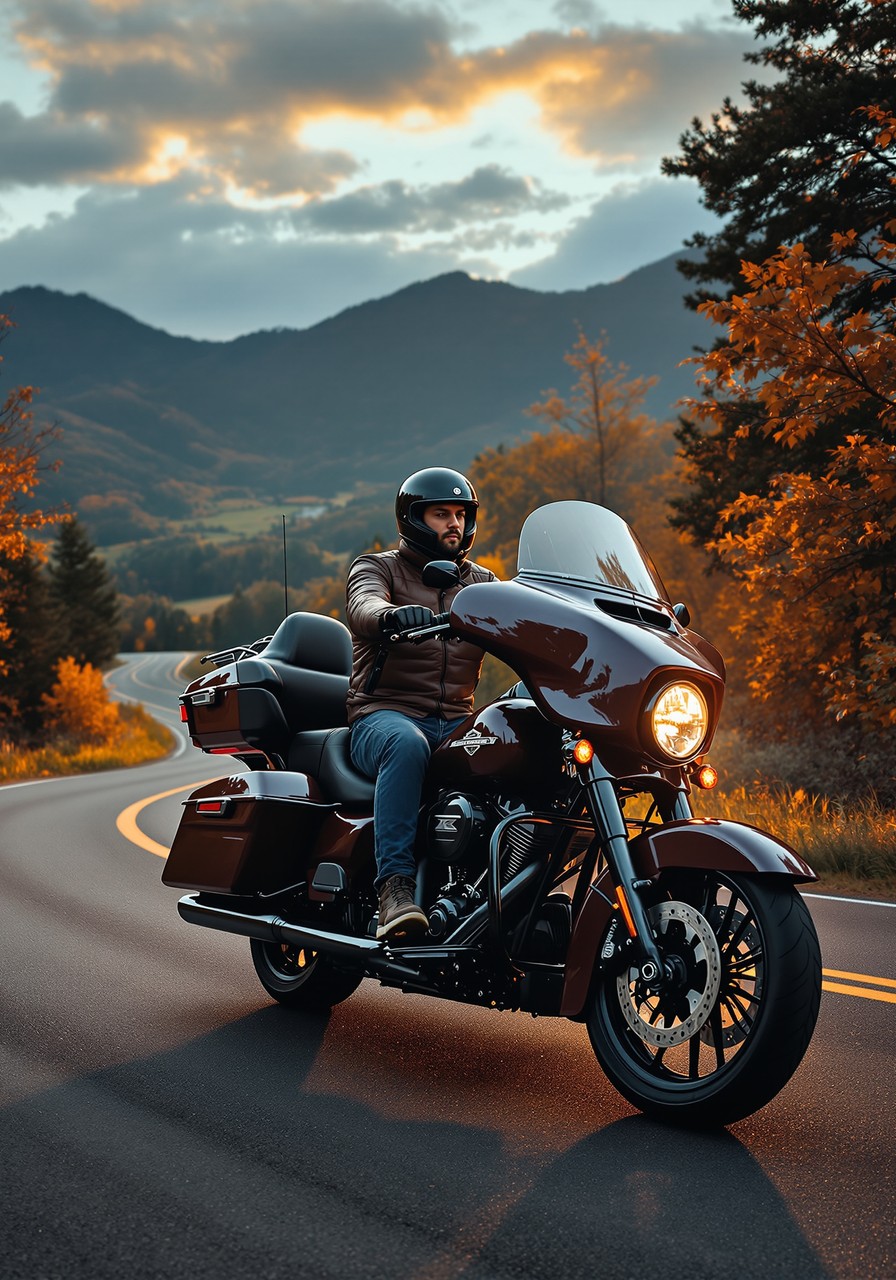
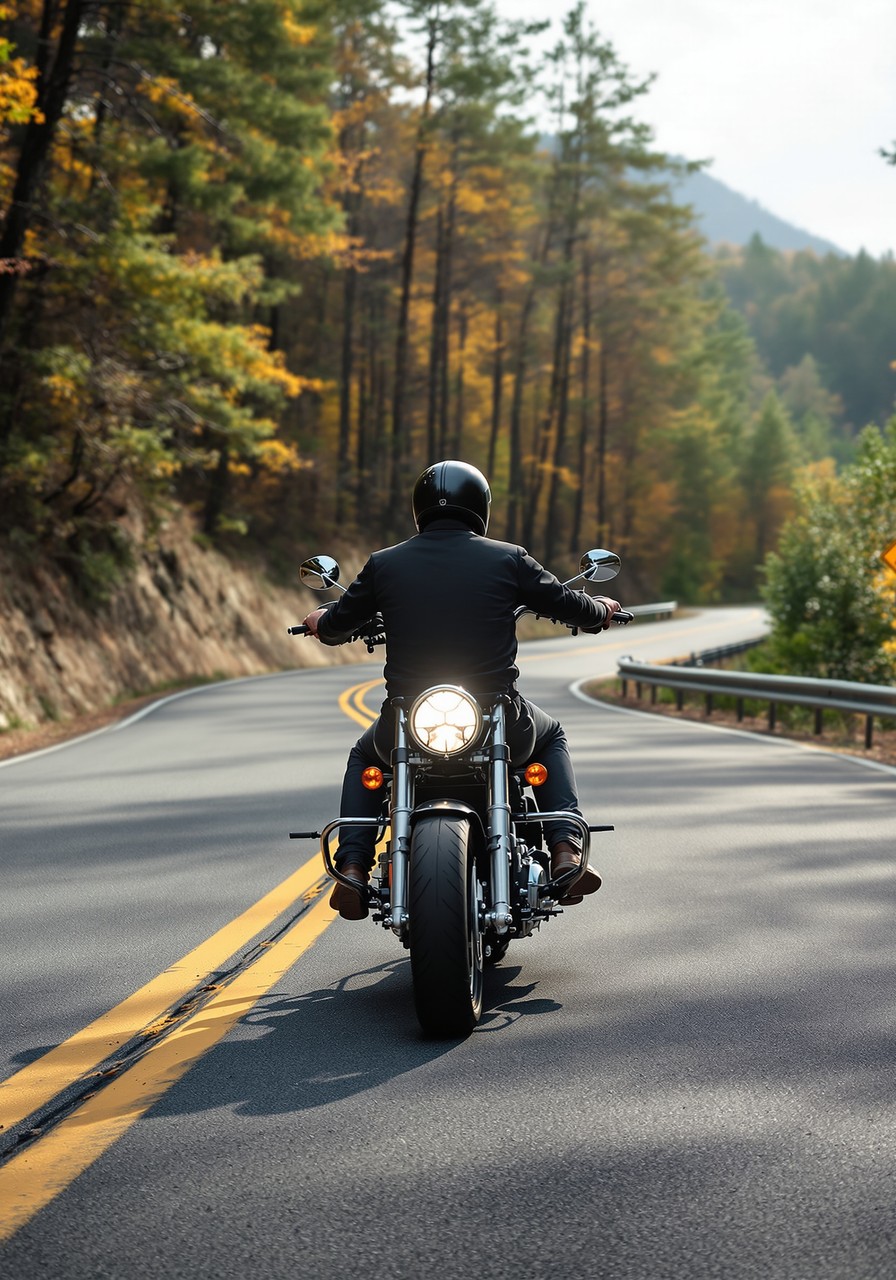
The Richard Russell Scenic Highway GA-348 is pure gold in October. Nineteen miles of switchbacks with the Chattahoochee National Forest glowing on both sides. Fuel up before you climb, service is thin up top. #RideNationGA #NorthGeorgia #GA348 #FallFoliage
Gear & New Iron
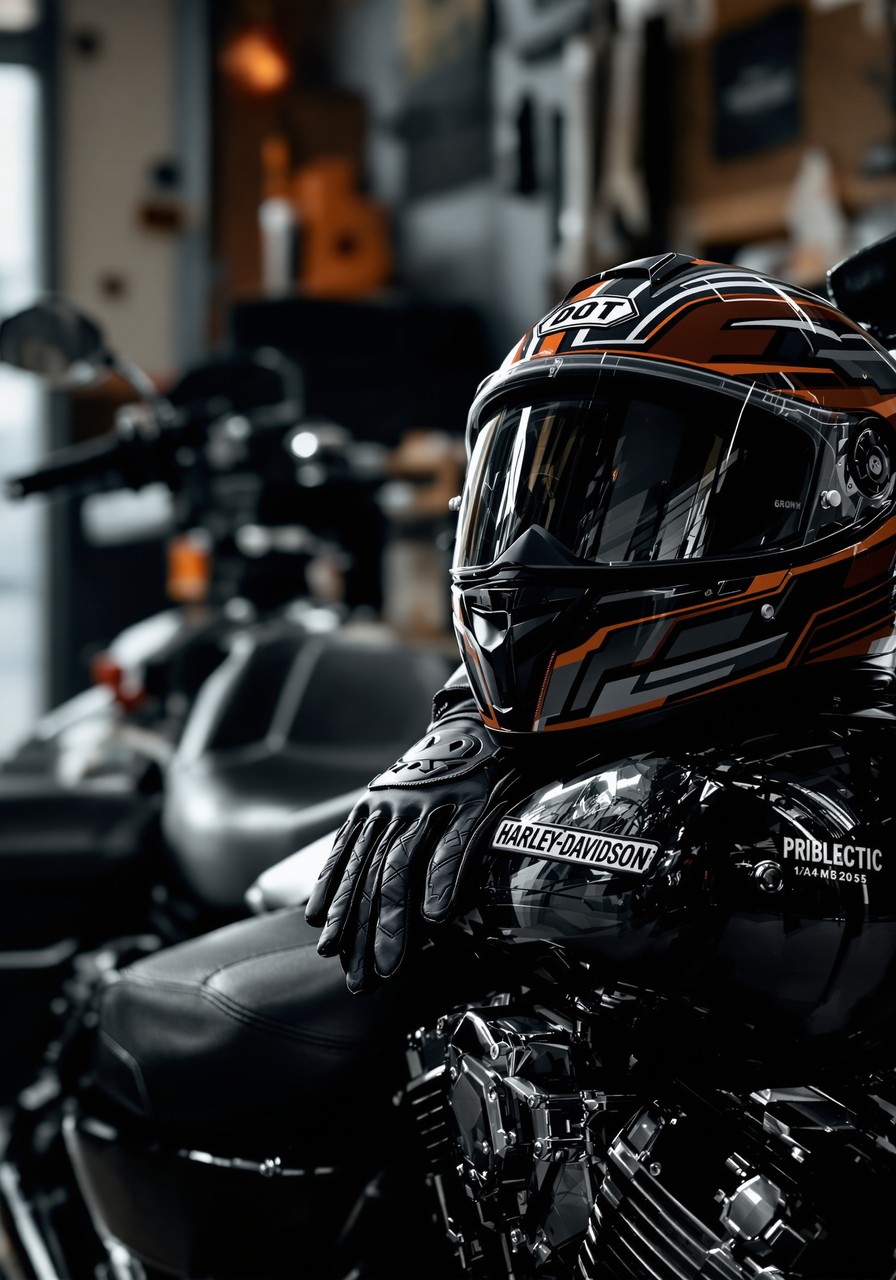
A good helmet is the cheapest upgrade you'll ever buy. Georgia's universal helmet law means everyone lids up, so make yours one you actually love wearing. #RideNationGA #ATGATT #GearUp
Safety & Georgia Law
Georgia follows modified comparative negligence, and you must be less than 50 percent at fault to recover. That is why documenting the other driver's fault matters. Questions after a crash? Call Moebes Law at (404) 354-5432. #RideNationGA #RideSafe #GeorgiaLaw
Engagement
Fill in the blank: My favorite North Georgia road is ______ and I will defend it in the comments. Go. #RideNationGA #AtlantaRiders #NorthGeorgia
Giveaway & Countdown
$20,000. One rider. Drawn December 10. If you've been in a motorcycle crash, talking to us about it enters you for free. Call Moebes Law at (404) 354-5432 to ask how to enter. #RideNationGA #BikersWin #20kGiveaway
Local Georgia & Rides
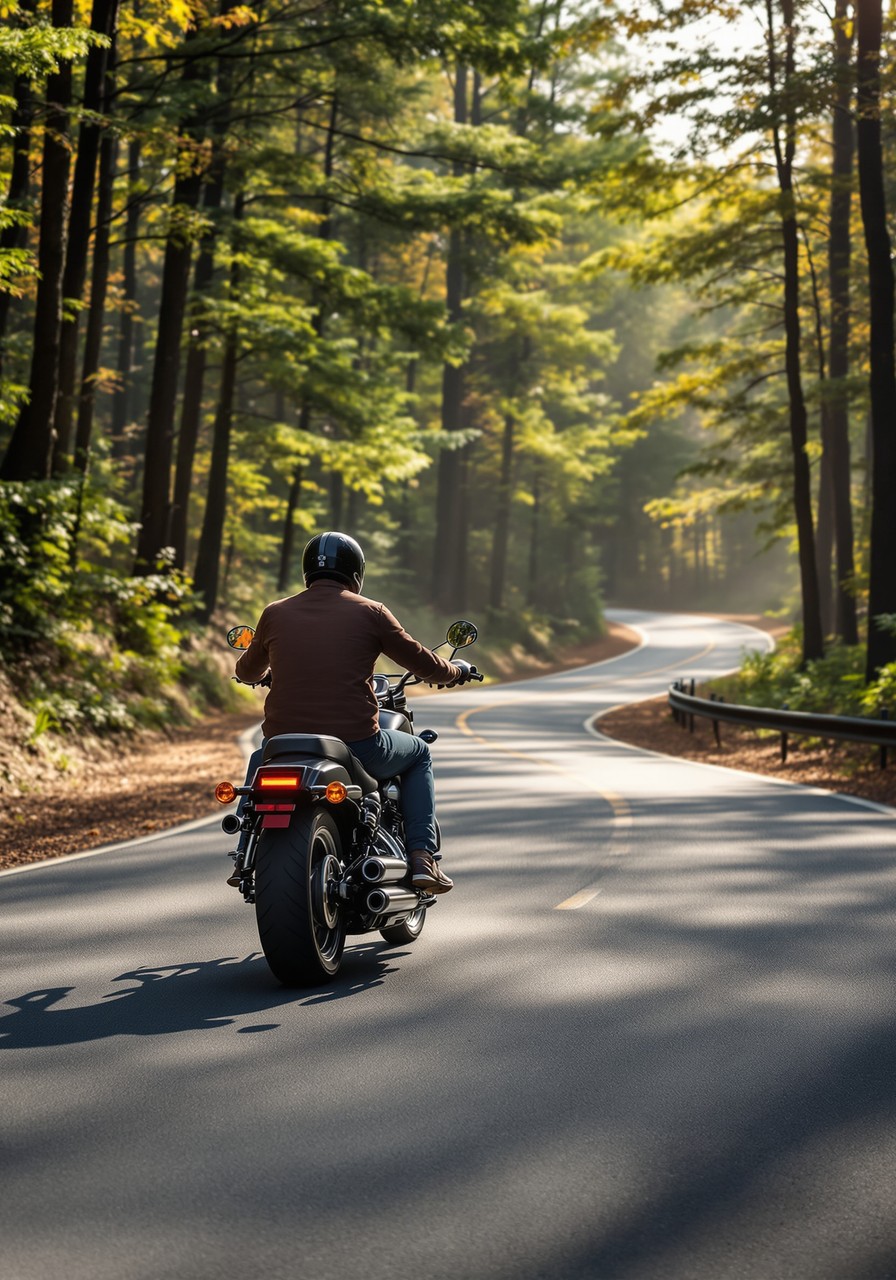
Wolf Pen Gap GA-180 connects Suches to Vogel with some of the tightest, prettiest curves in the state. Take it slow and let the scenery do the work. #RideNationGA #WolfPenGap #Suches #NorthGeorgia
Gear & New Iron
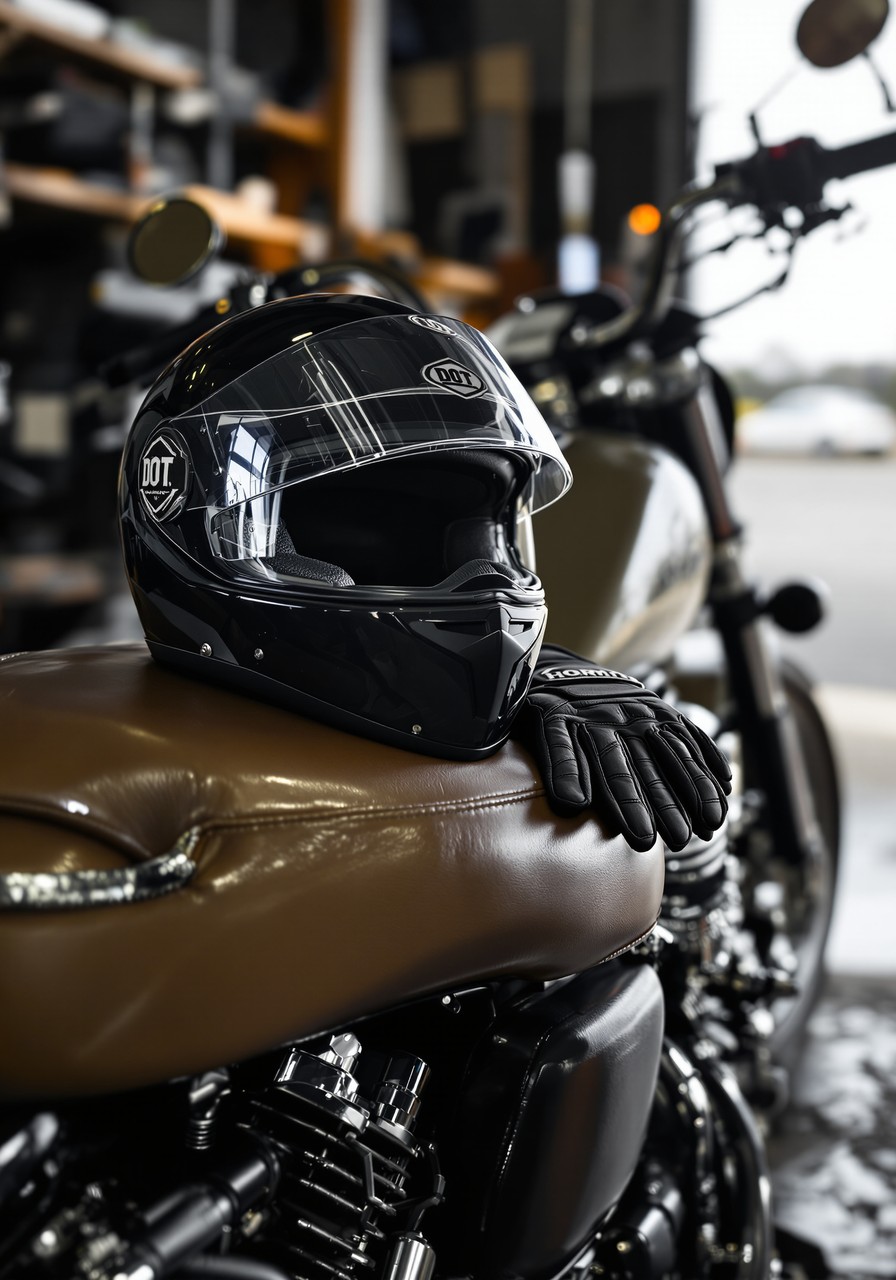
New season, new lid? DOT and ECE ratings matter more than graphics. Pick the fit first and the paint job second. #RideNationGA #MotorcycleGear #HelmetCheck
Safety & Georgia Law
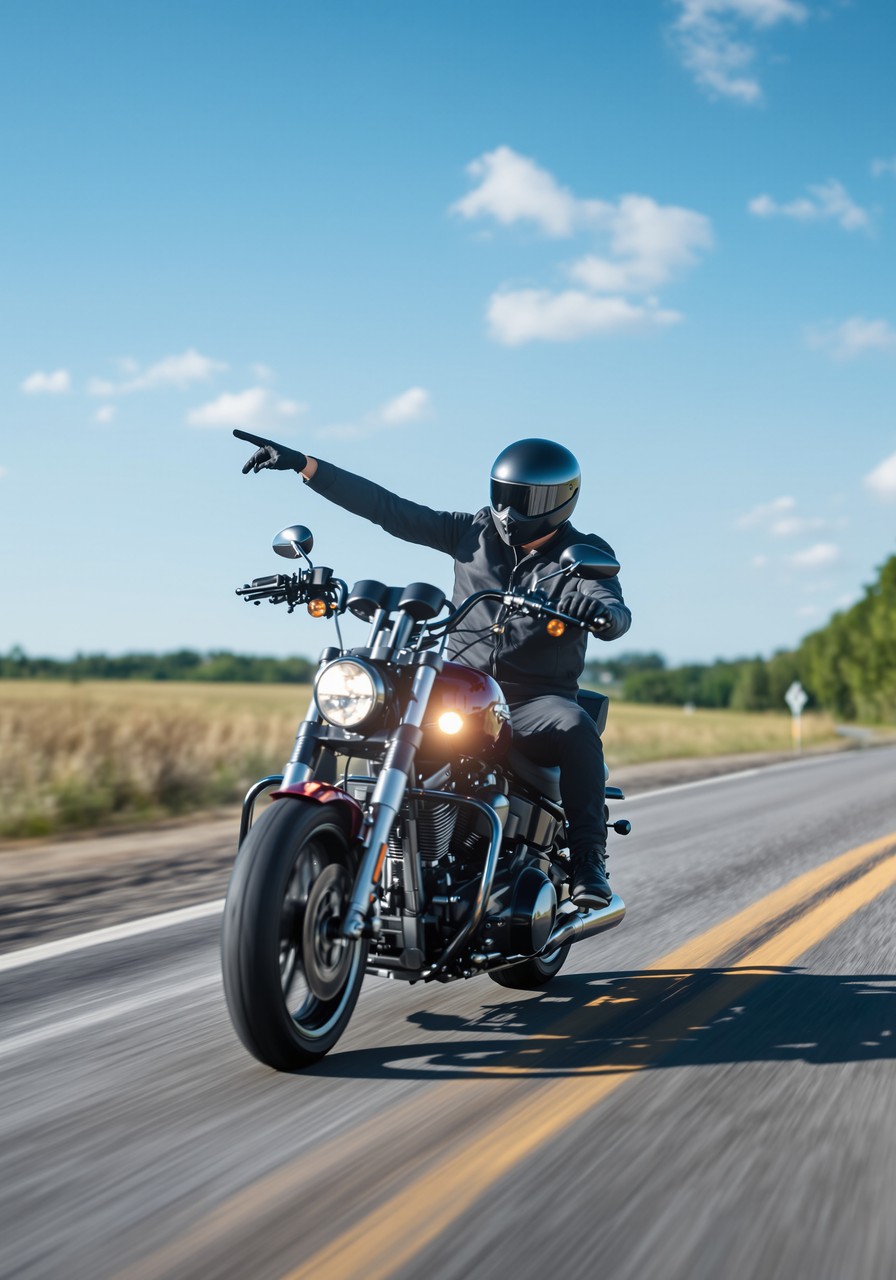
Georgia has no no-fault system and no PIP, so your health insurance, MedPay, and UM/UIM handle medical bills. Carry UM/UIM. Sorting out coverage after a wreck? Call Colonel Moe at (404) 354-5432. #RideNationGA #RideSafe #UMcoverage
Engagement
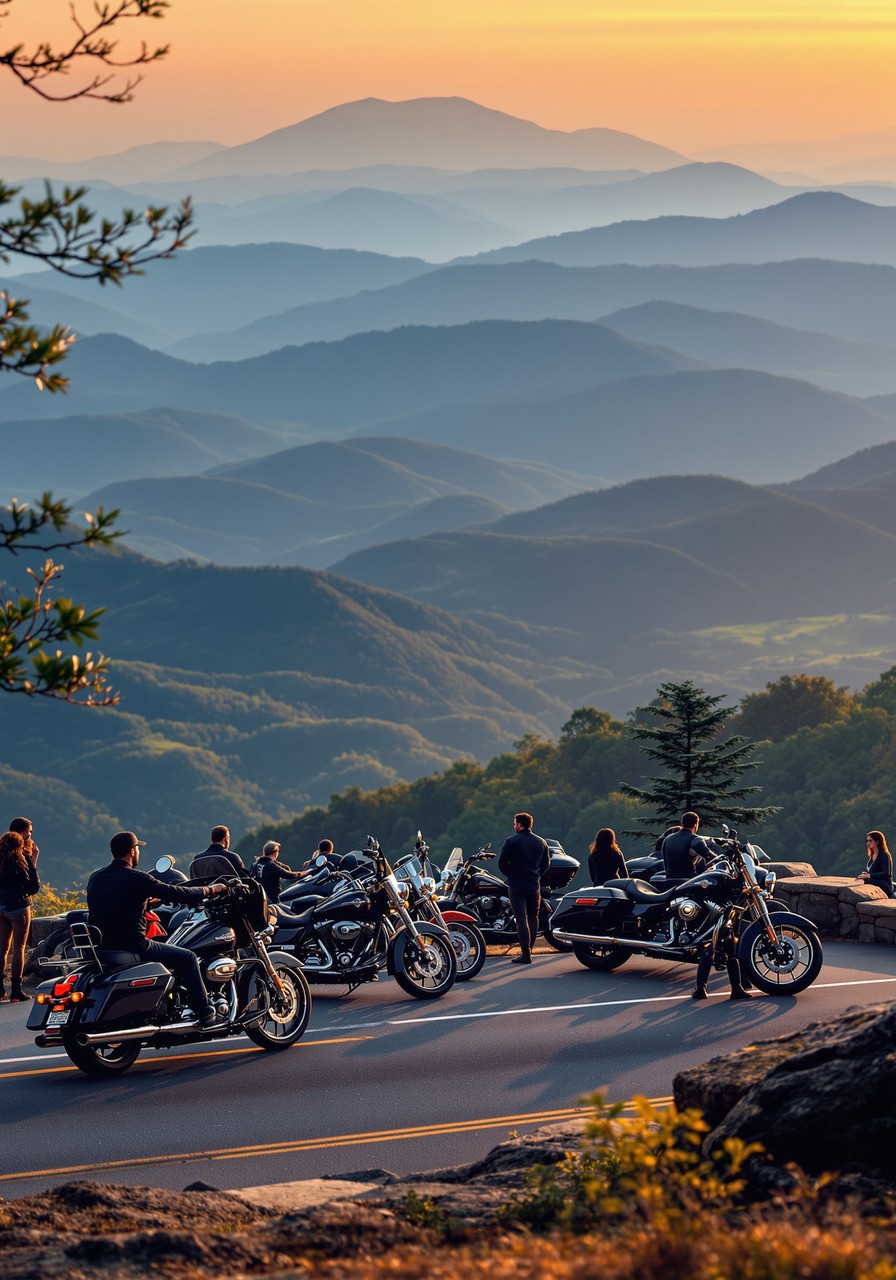
Caption this: you, at the Brasstown Bald overlook, wind in your face, not a care in the world. Best line wins bragging rights. #RideNationGA #BrasstownBald #NorthGeorgia
Giveaway & Countdown
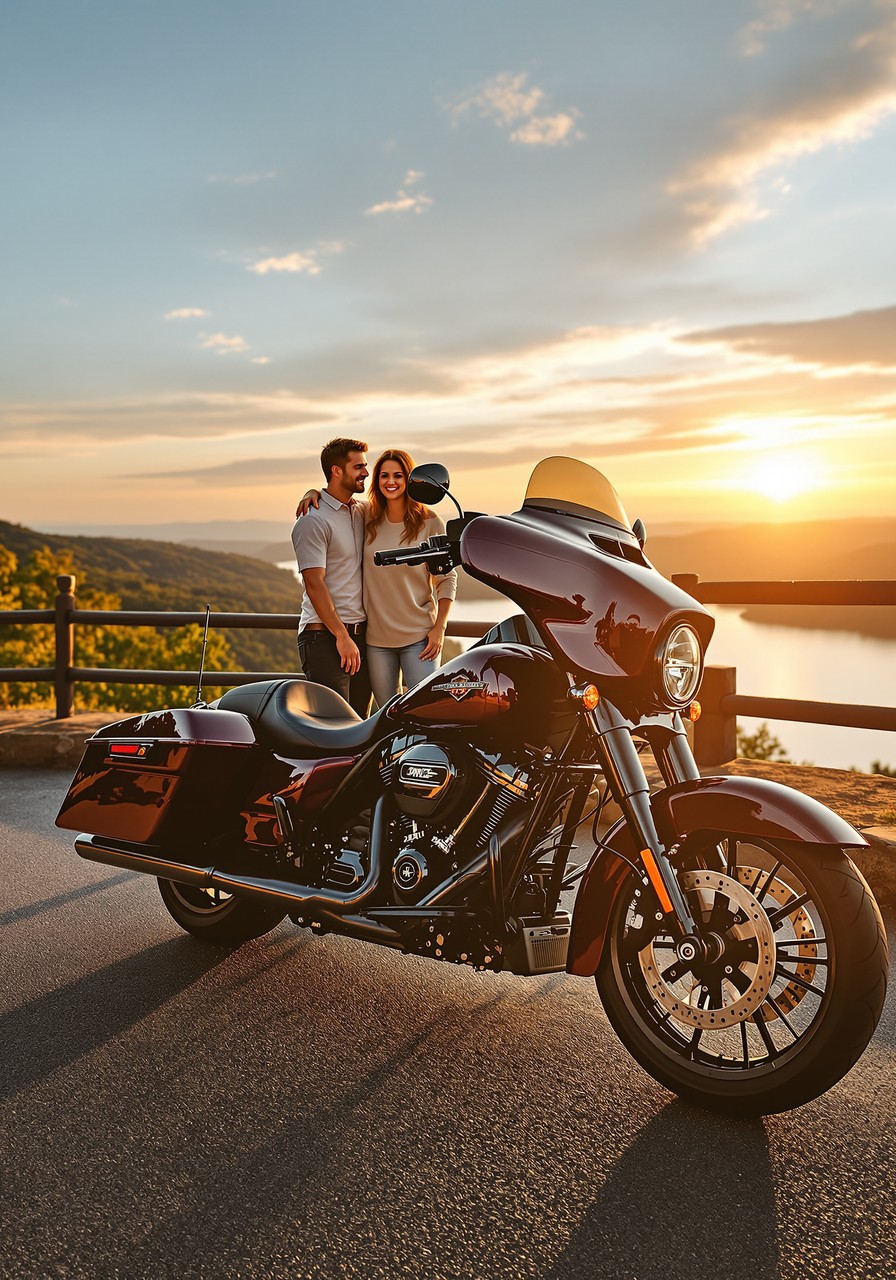
Metro Atlanta riders, this one's for you. The BikersWin $20K giveaway is here and entry is free when you talk to us about your crash. Details at moelaw.com. #RideNationGA #20kGiveaway #BikersWin
Local Georgia & Rides
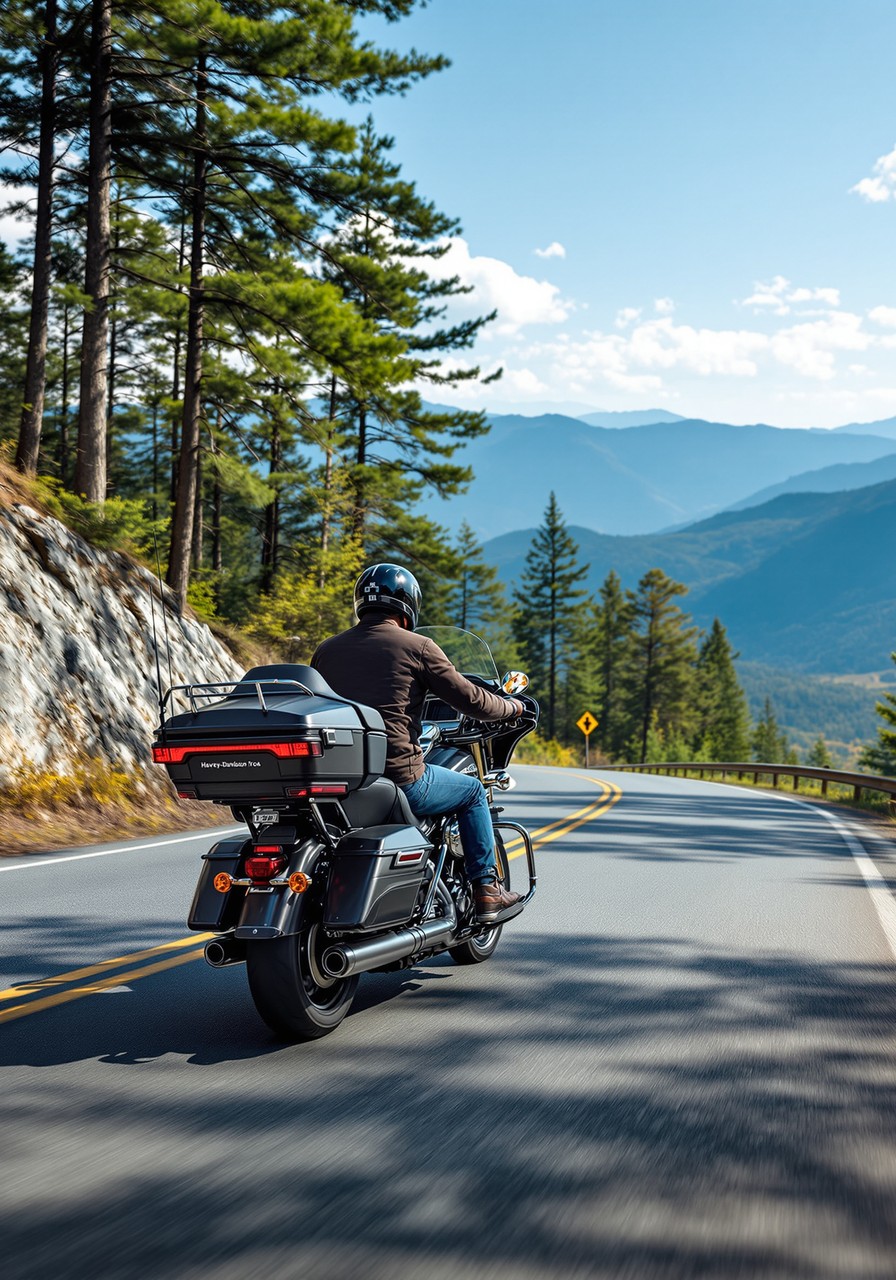
Every rider should make the pilgrimage to Two Wheels of Suches at least once. The Loop pulls people from all over the Southeast for a reason. Grab a burger and swap stories on the porch. #RideNationGA #Suches #TwoWheels #NorthGeorgia
Gear & New Iron
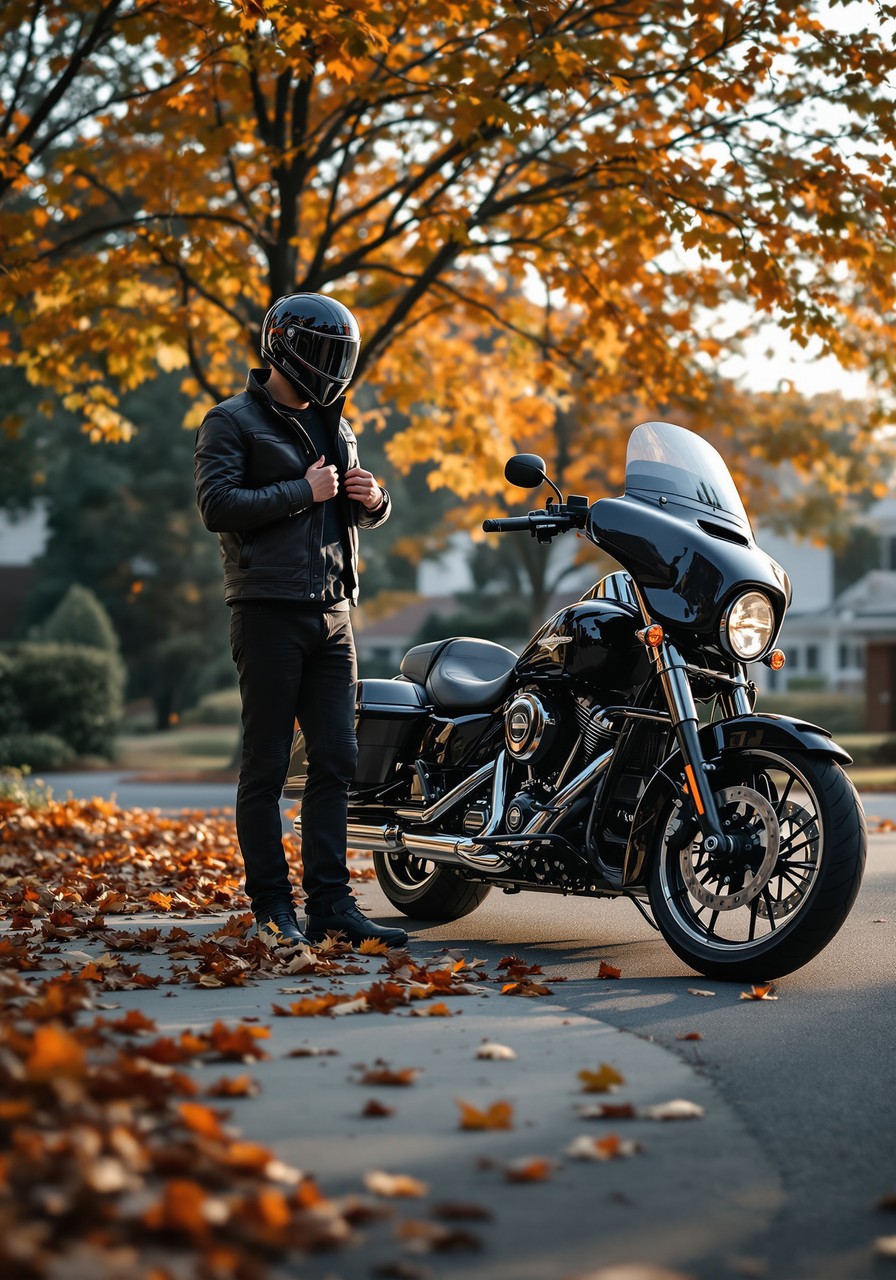
Full gauntlet gloves feel like overkill until the one day they aren't. Protect those hands that do all the work up front. #RideNationGA #ATGATT #RideSafe
Safety & Georgia Law
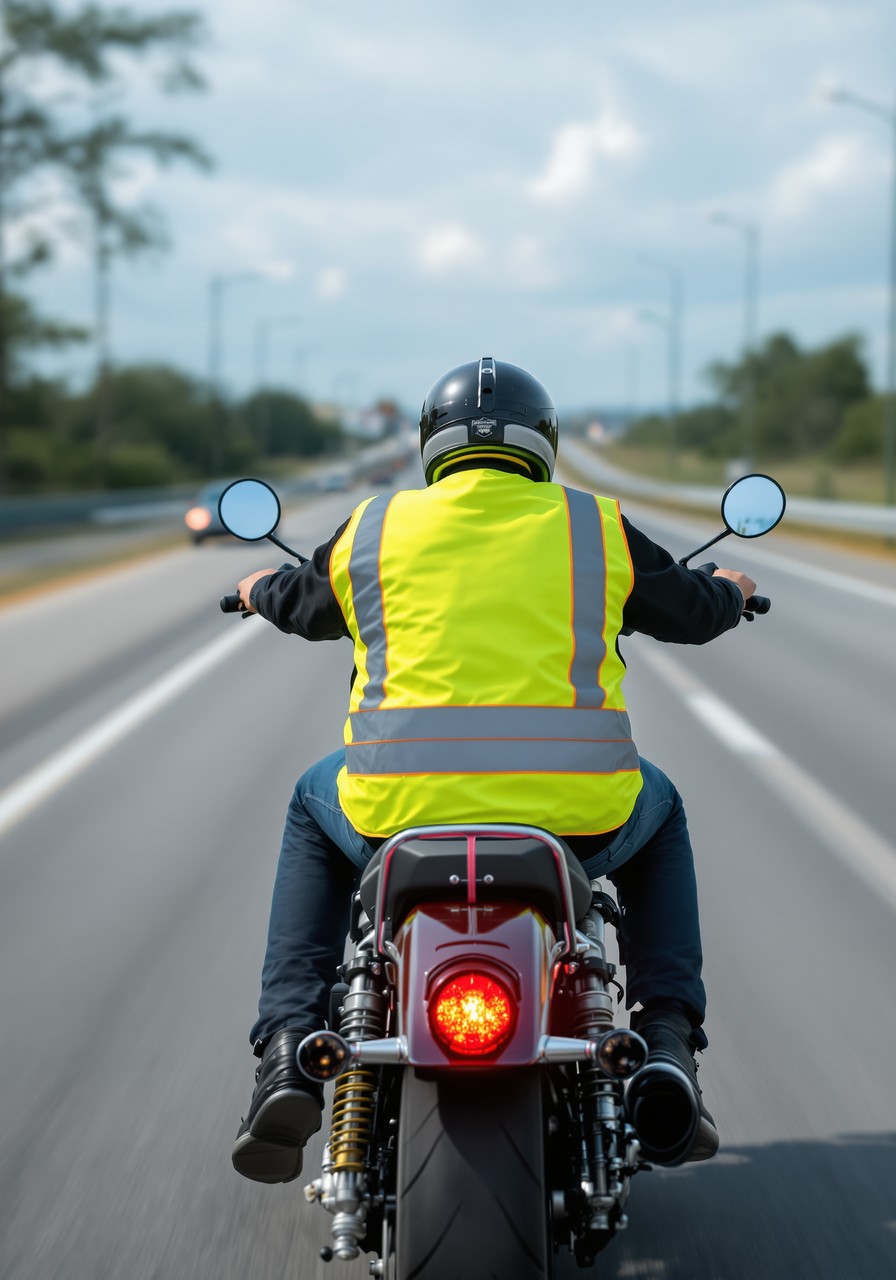
Georgia's helmet law is universal: every rider and passenger wears a DOT helmet. Simple rule, real protection. #RideNationGA #RideSafe #GearUp
Engagement
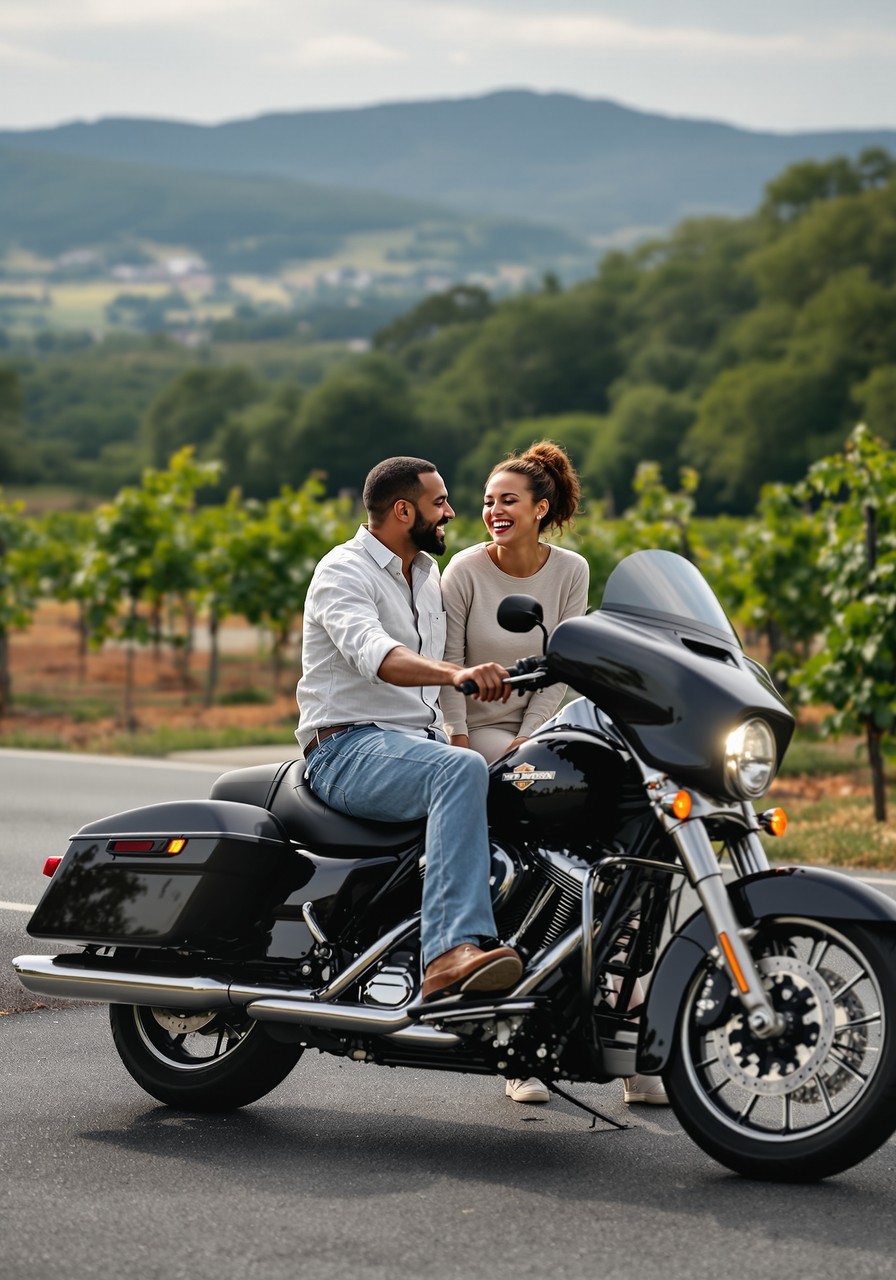
Tag a riding buddy who always says one more curve and means ten. We all have one. #RideNationGA #TwoWheelsOfSuches #AtlantaRiders
Giveaway & Countdown
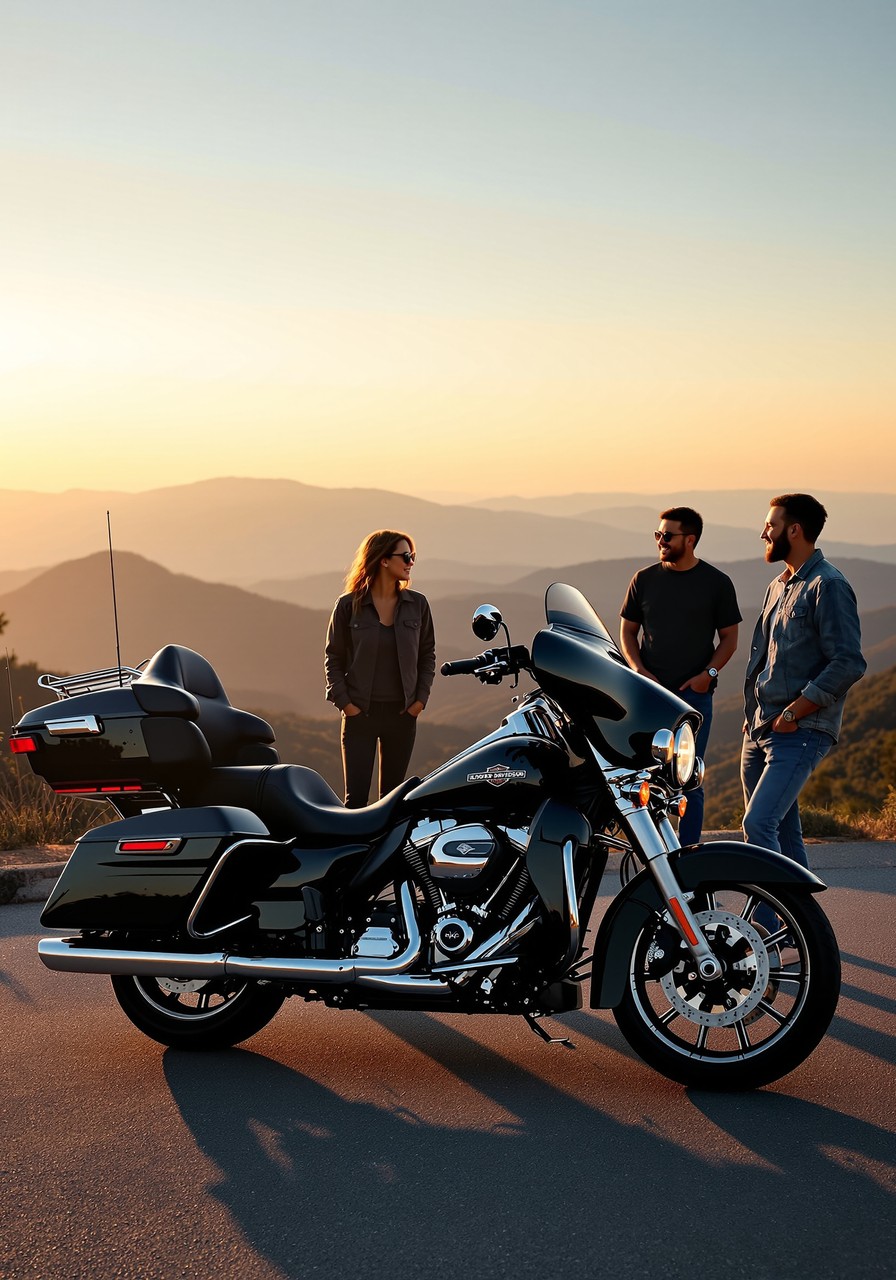
Tick tock, North Georgia. The $20,000 motorcycle giveaway draws December 10 and the clock is running. Call Moebes Law at (404) 354-5432 to find out how to get entered. #RideNationGA #BikersWin #20kGiveaway
Local Georgia & Rides
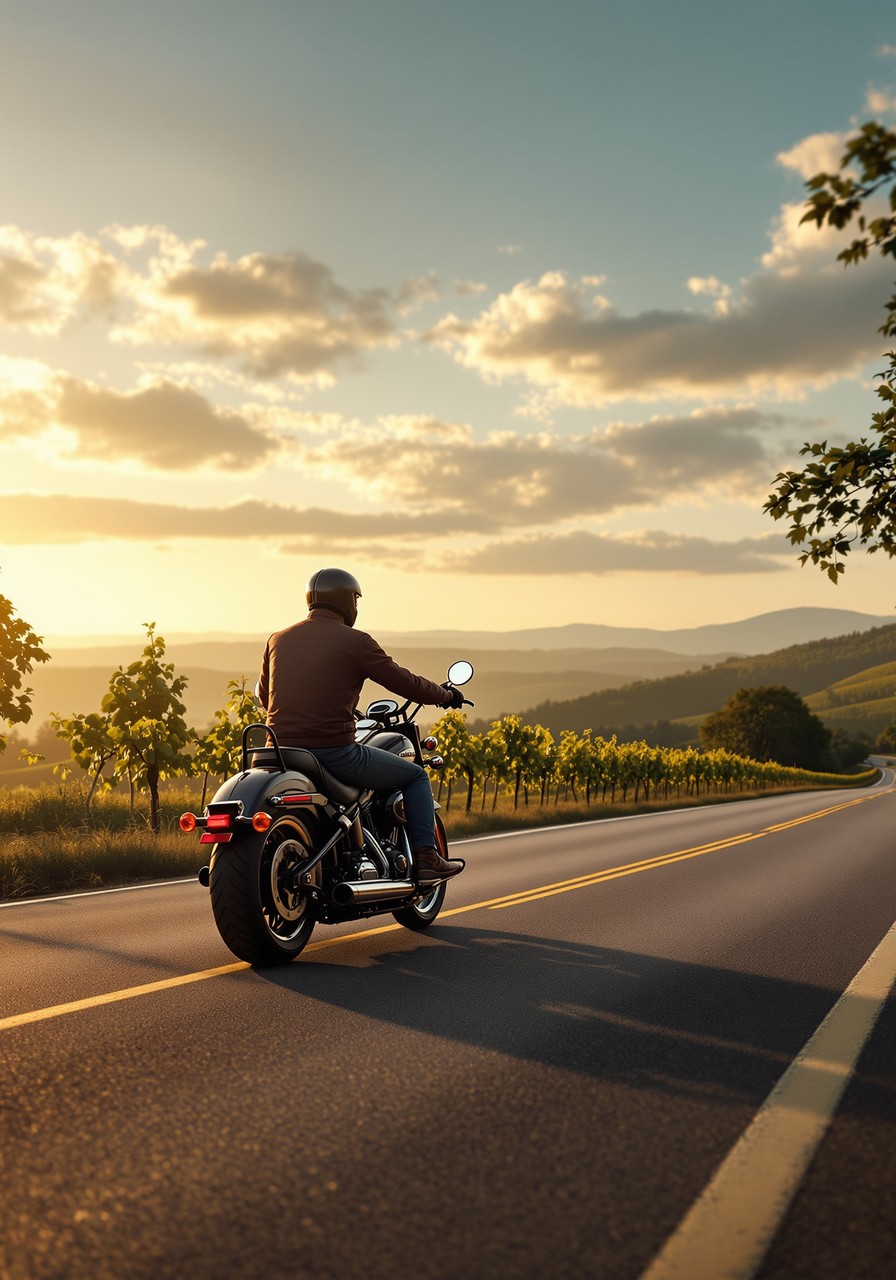
Blood Mountain on US-19/129 is the highest point on the Appalachian Trail in Georgia. The ride up is just as rewarding as the view from the overlook. Watch for hikers crossing near Neel Gap. #RideNationGA #BloodMountain #NorthGeorgia #NeelGap
Gear & New Iron
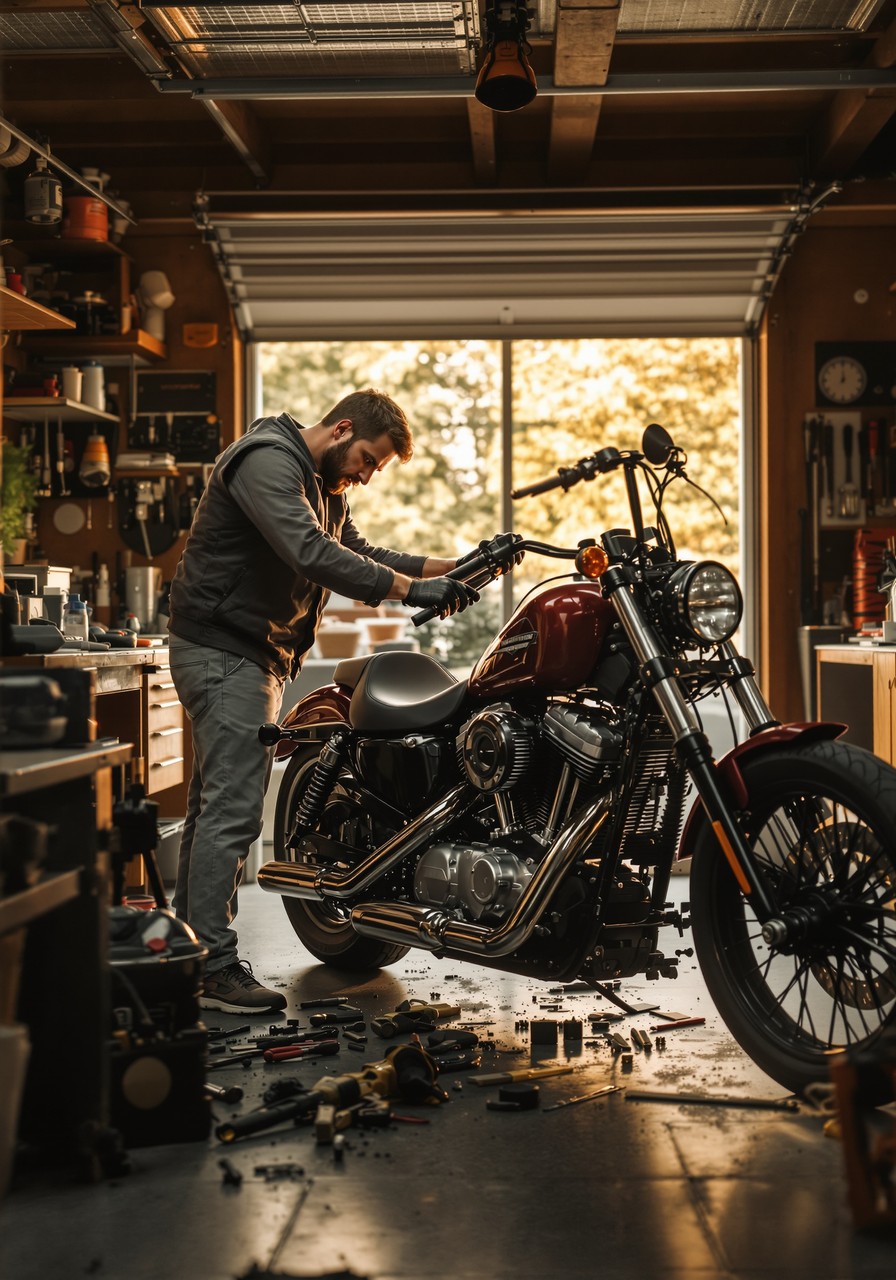
Cold North Georgia mornings hit different. Layer up with a good base layer under your jacket and let the ride warm you the rest of the way. #RideNationGA #NorthGeorgia #WinterRiding
Safety & Georgia Law
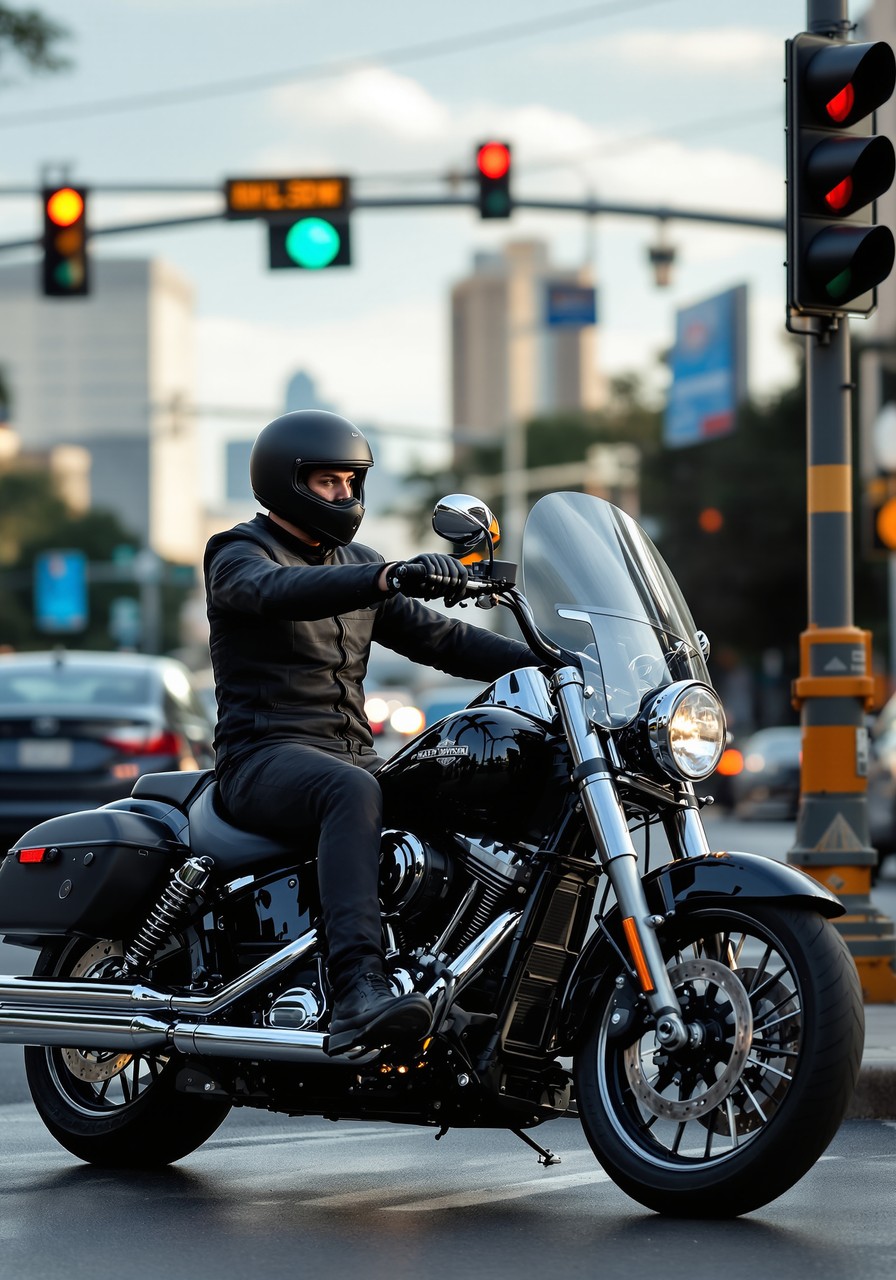
State minimum liability is just 25/50/25, which is often too little after a serious crash. UM/UIM is your backstop against uninsured drivers. Coverage questions? Call Moebes Law at (404) 354-5432. #RideNationGA #RideSafe #InsuranceTips
Engagement
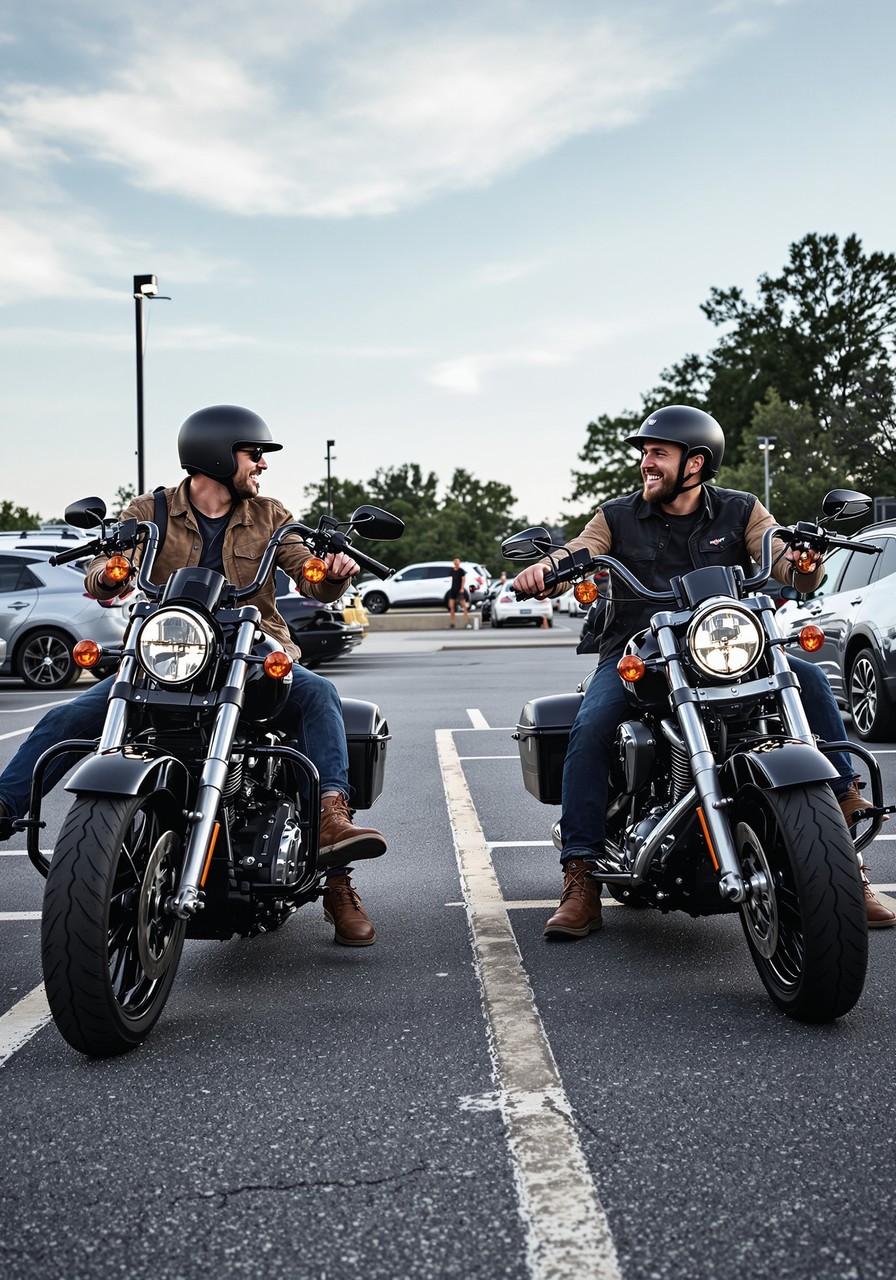
Poll time: Blood Mountain in the morning fog or golden hour? Reply with your pick. #RideNationGA #BloodMountain #NorthGeorgia
Giveaway & Countdown
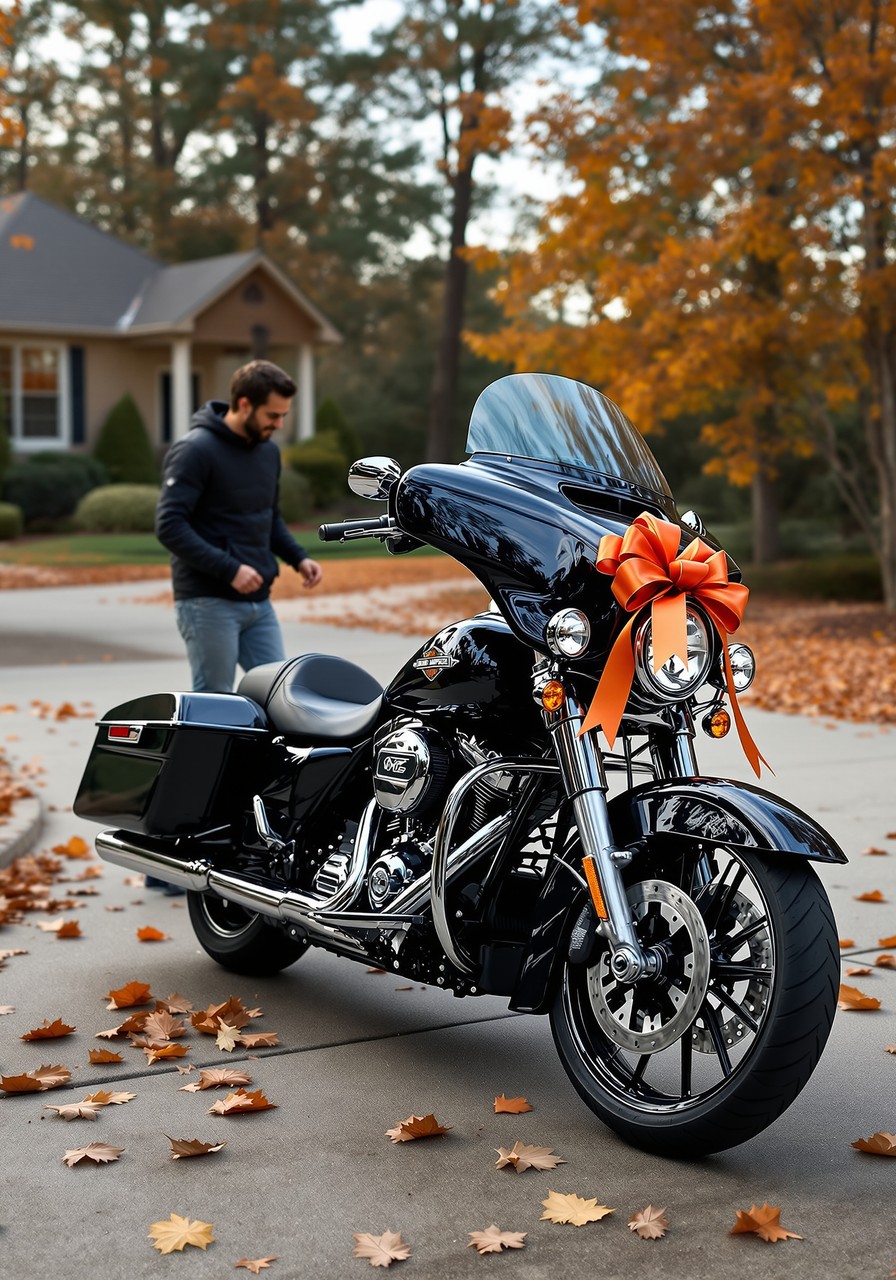
How does a rider get entered in the $20K BikersWin giveaway? Simple. Talk to Moebes Law about your motorcycle crash and you're entered for free. Head to moelaw.com to learn more. #RideNationGA #20kGiveaway #BikersWin
Local Georgia & Rides
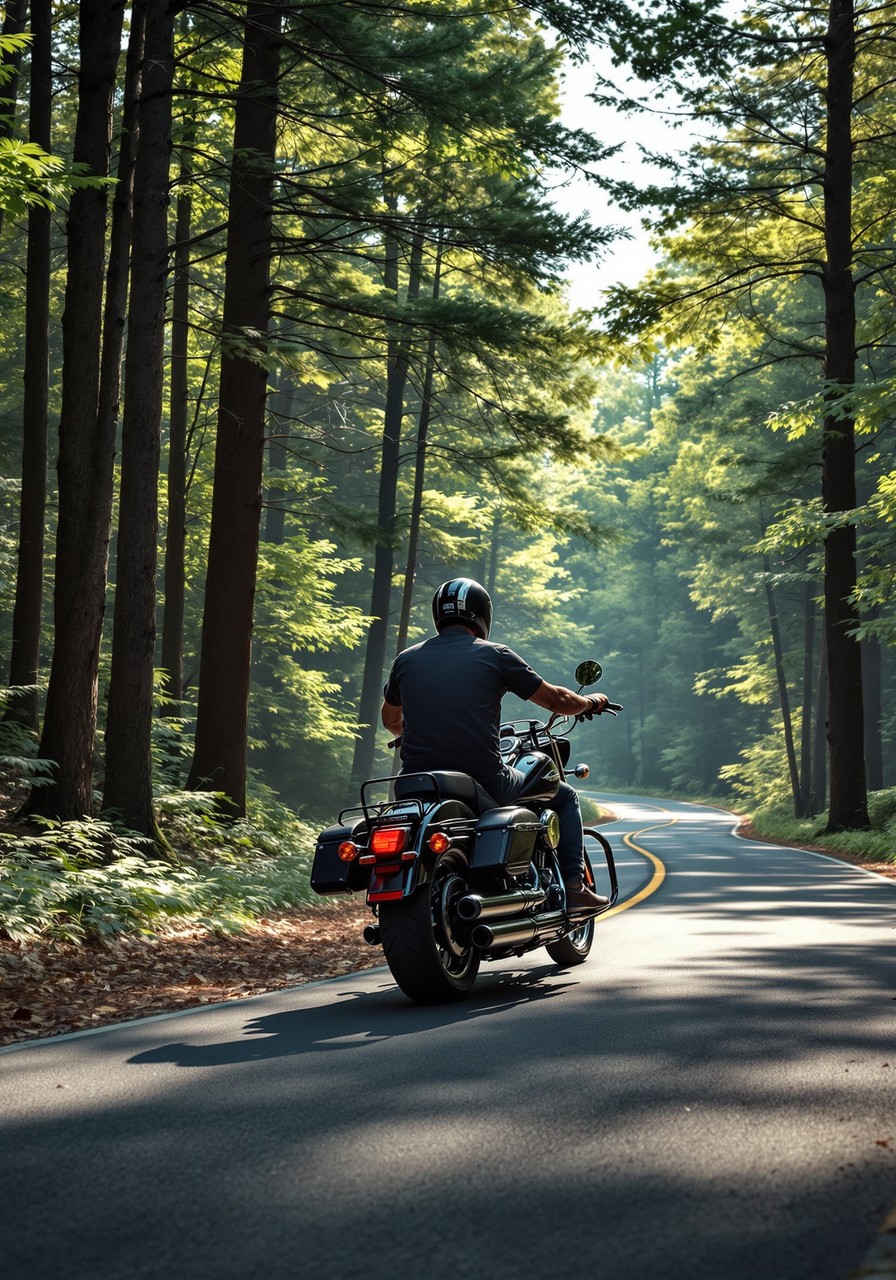
Brasstown Bald is the highest point in Georgia at 4,784 feet. On a clear day you can see four states from the summit. The road up GA-180 Spur is short, steep, and worth every foot. #RideNationGA #BrasstownBald #NorthGeorgia #BlueRidge
Gear & New Iron
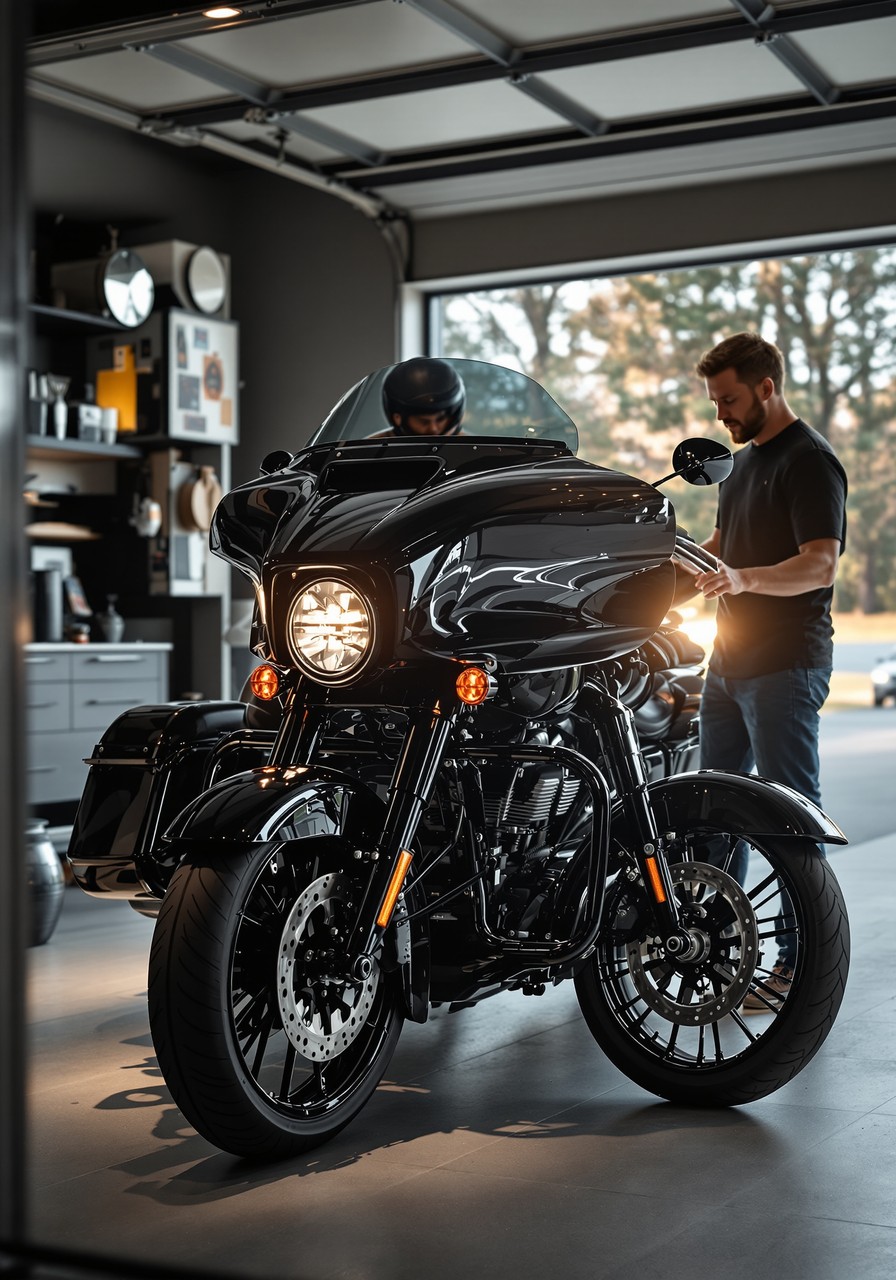
Hi-viz isn't a fashion statement, it's a survival tool on metro Atlanta traffic. Let them see you coming. #RideNationGA #HiViz #AtlantaRiders
Safety & Georgia Law
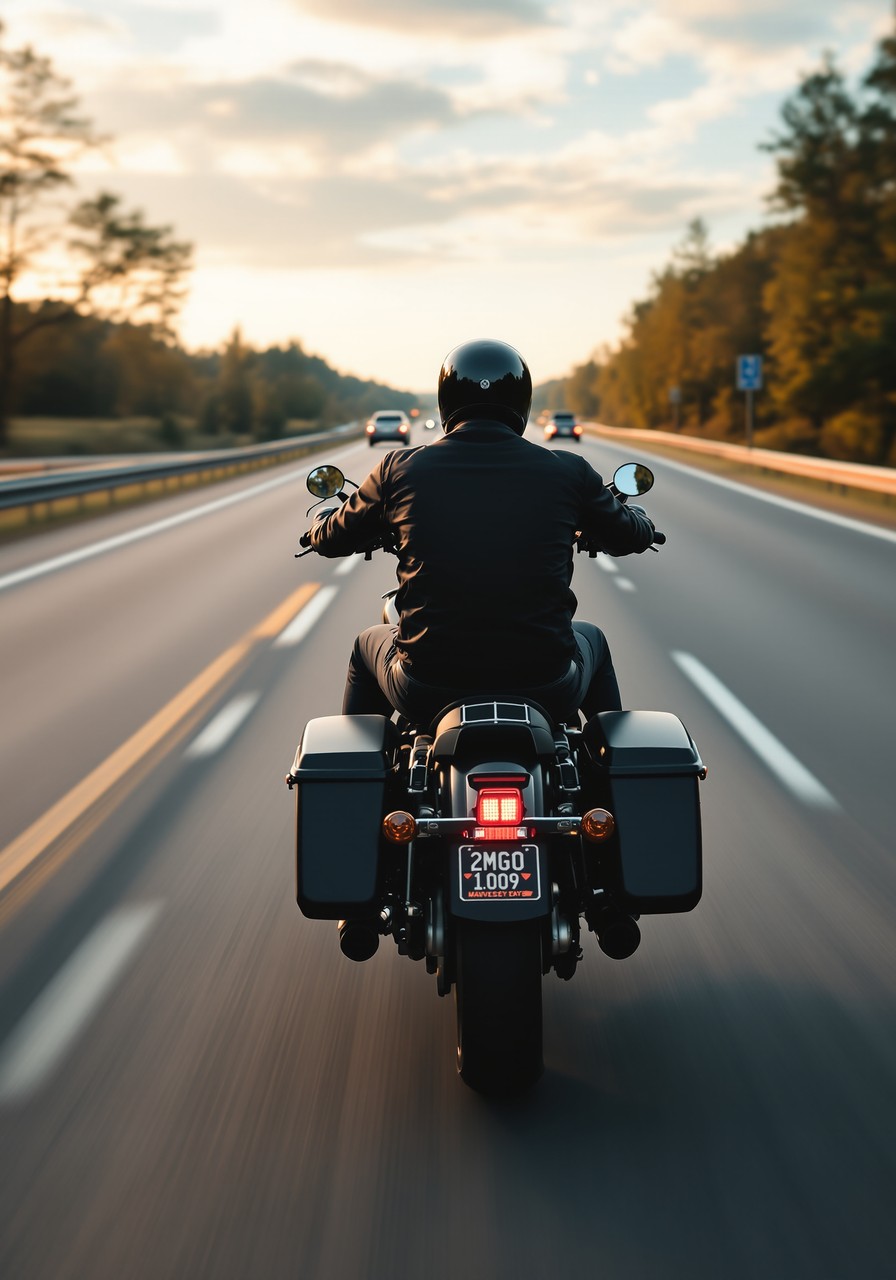
In Georgia, injury claims generally carry a 2-year statute of limitations. Time moves faster than you think after a crash. Not sure where you stand? Call Colonel Moe at (404) 354-5432. #RideNationGA #RideSafe #GeorgiaLaw
Engagement
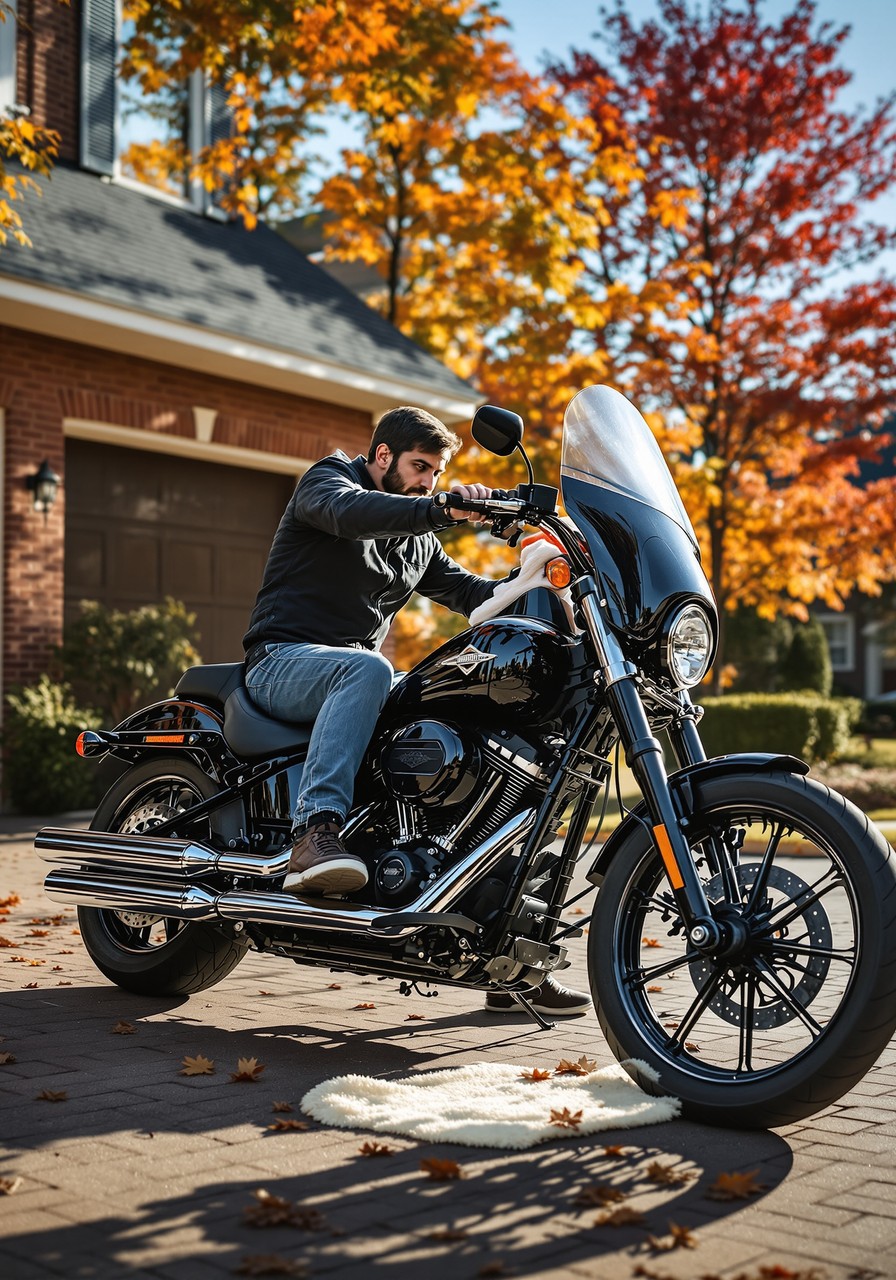
Rider confession: I have taken the long way home through Suches just to avoid the Perimeter. No regrets. Who is with me? #RideNationGA #TwoWheelsOfSuches #ATLtraffic
Giveaway & Countdown
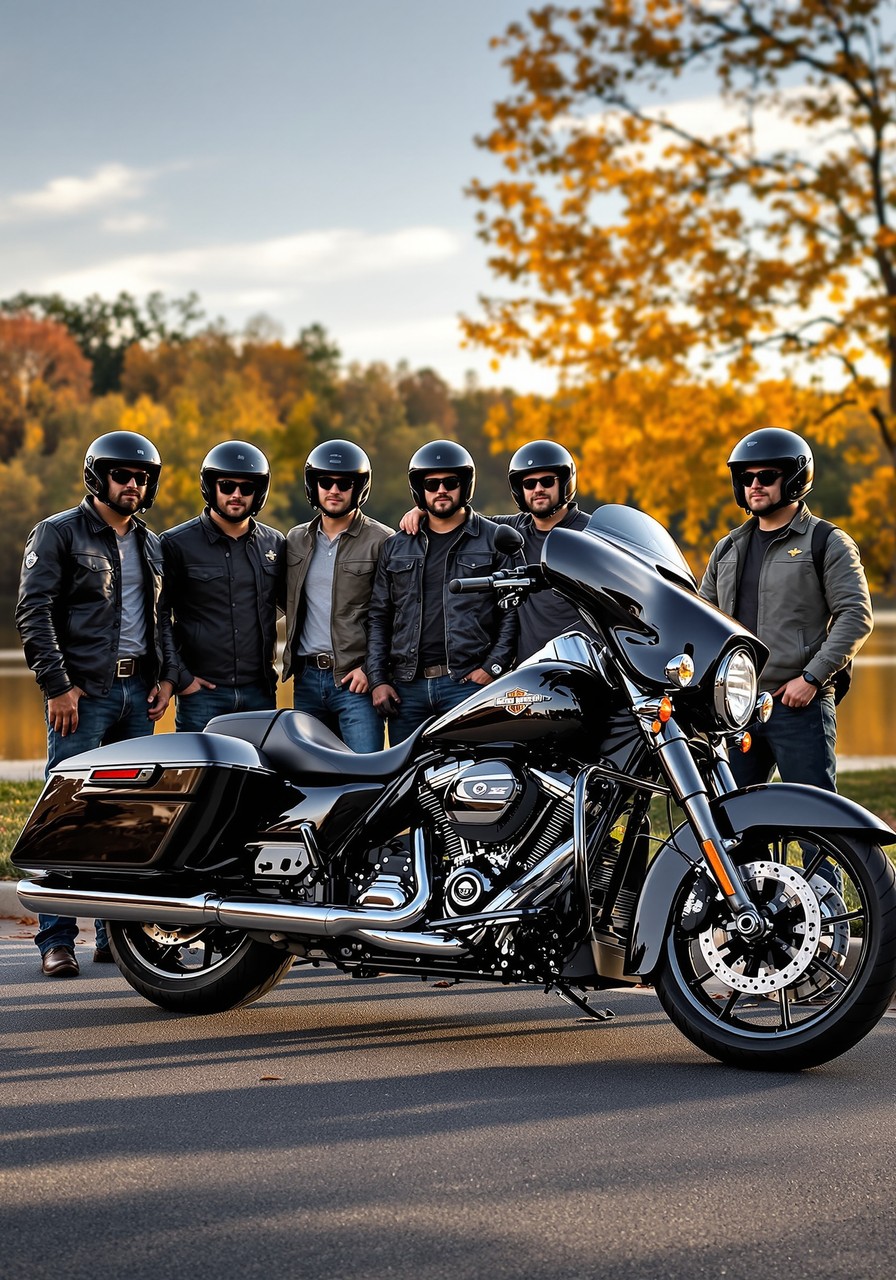
Riders across metro Atlanta are already entered in the BikersWin $20,000 giveaway. Are you? Call Colonel Moe at (404) 354-5432 to ask about your free entry. #RideNationGA #BikersWin #20kGiveaway
Local Georgia & Rides
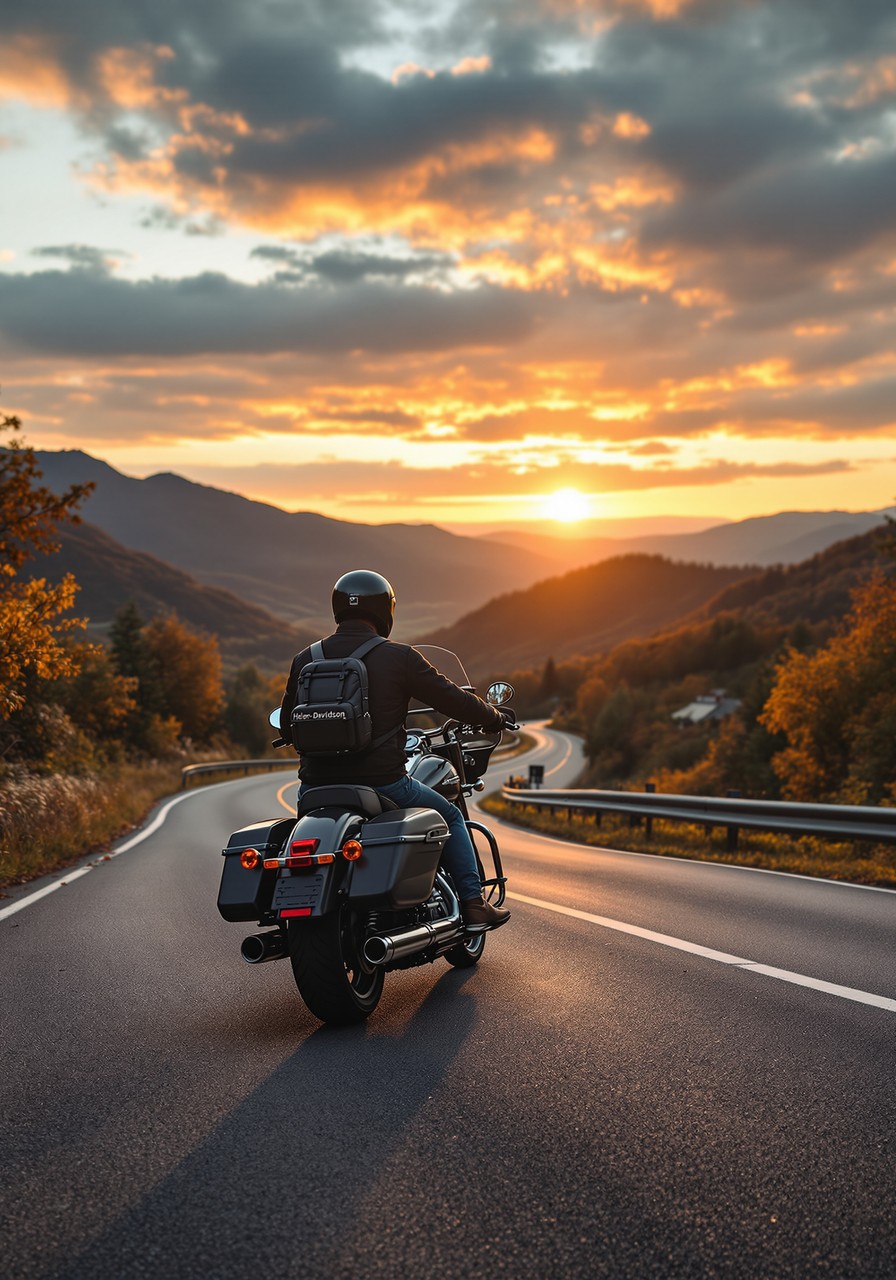
Tallulah Gorge is one of the deepest canyons east of the Mississippi. Park the bike, walk the rim trail, and let your legs remember what standing feels like. #RideNationGA #TallulahGorge #NorthGeorgia #RideGeorgia
Gear & New Iron
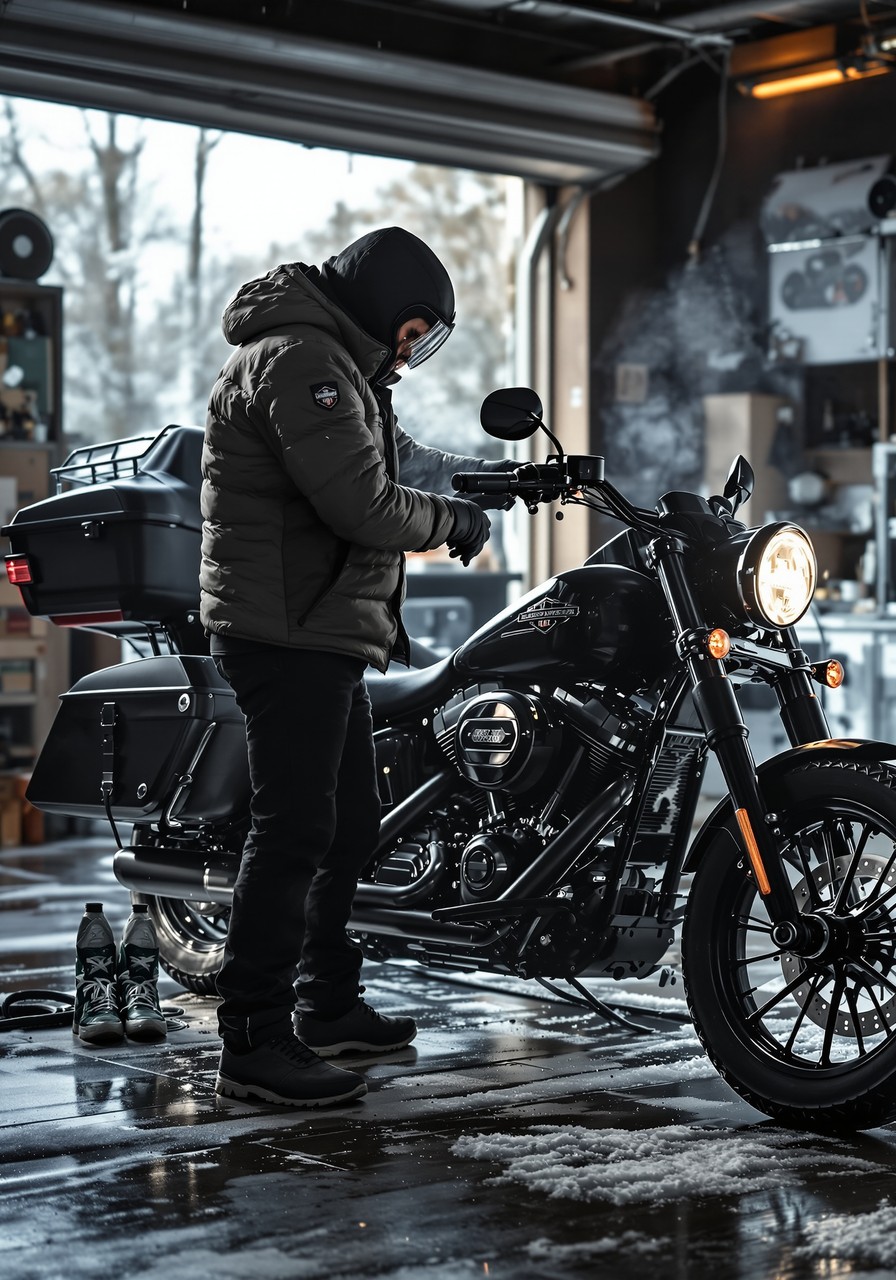
Boots over the ankle, always. Sneakers look cool right up until they don't. #RideNationGA #ATGATT #GearUp
Safety & Georgia Law
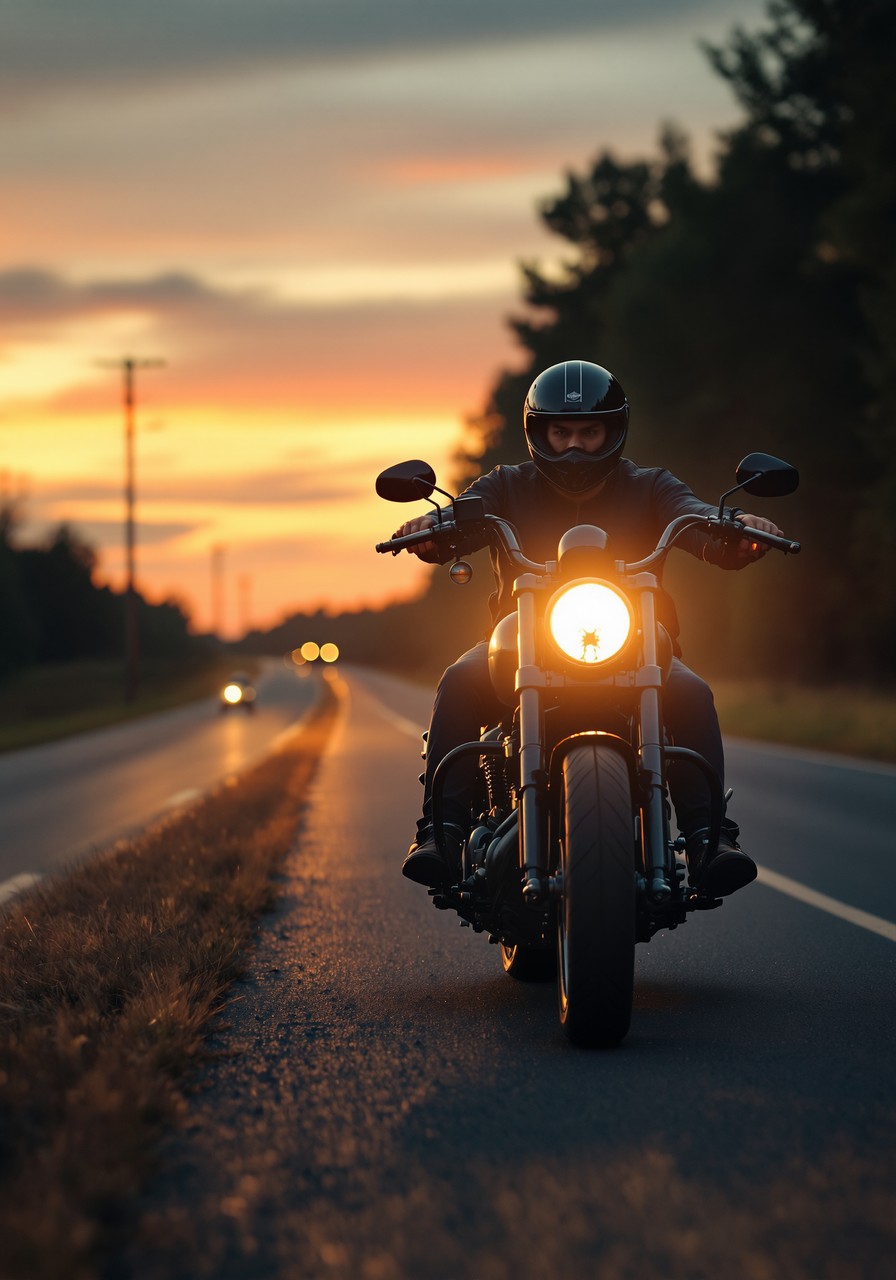
Lane splitting and filtering are illegal in Georgia. Hold your lane and ride your own space. #RideNationGA #RideSafe #KnowTheLaw
Engagement
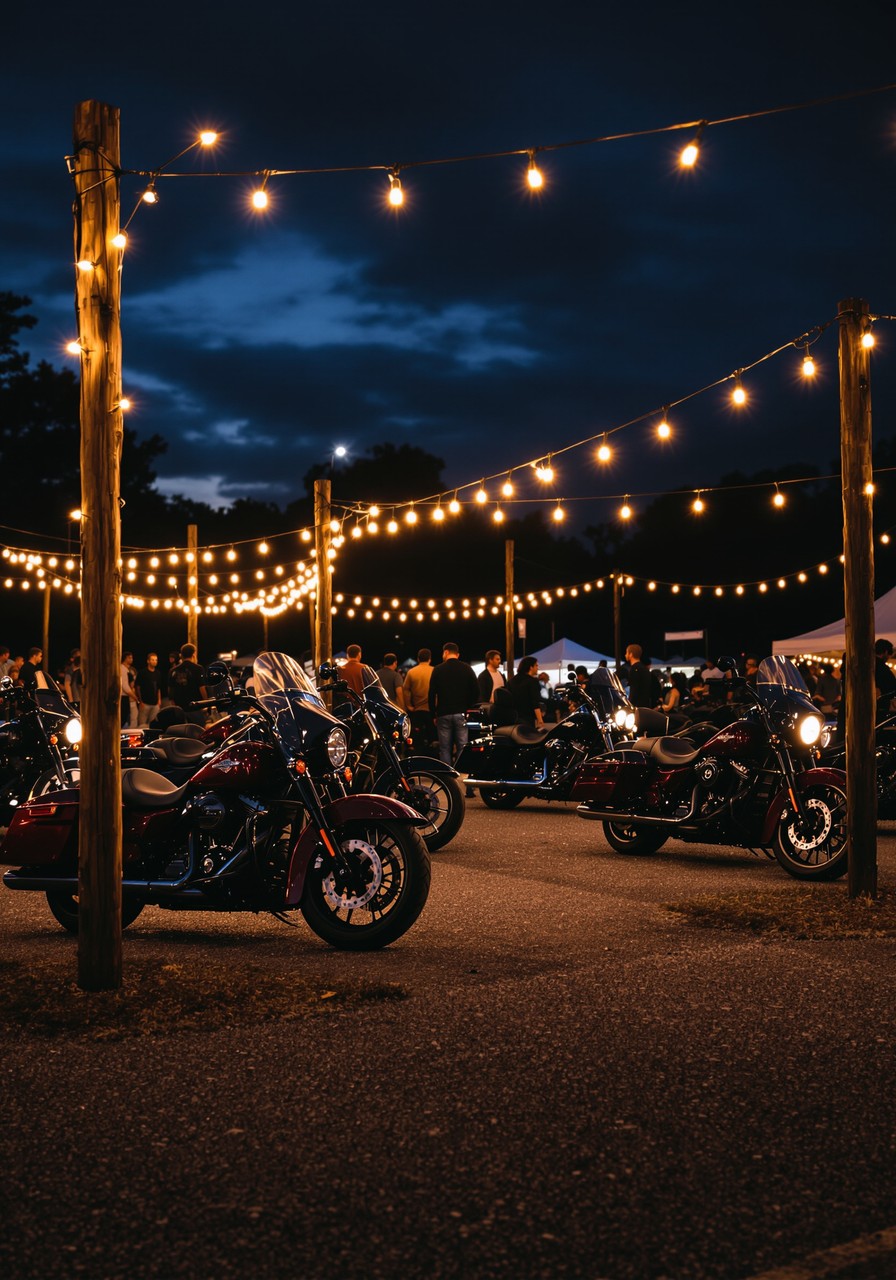
Weekend plans in three words. Mine: Helen, coffee, curves. Your turn. #RideNationGA #Helen #NorthGeorgia
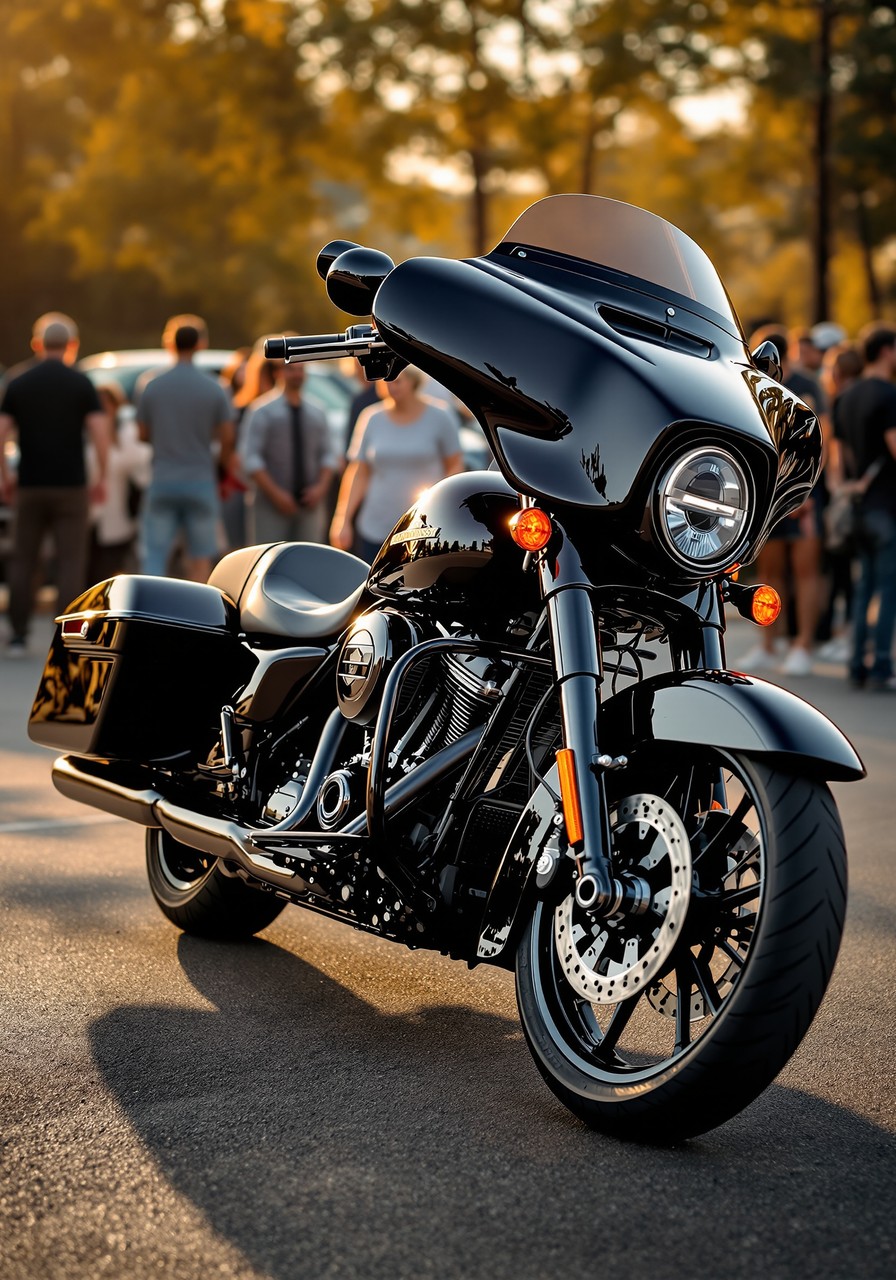
Giveaway & Countdown
December 10 is the day one lucky rider wins $20,000. Every crash conversation with Moebes Law counts as a free entry. Don't wait to reach out. #RideNationGA #20kGiveaway #BikersWin
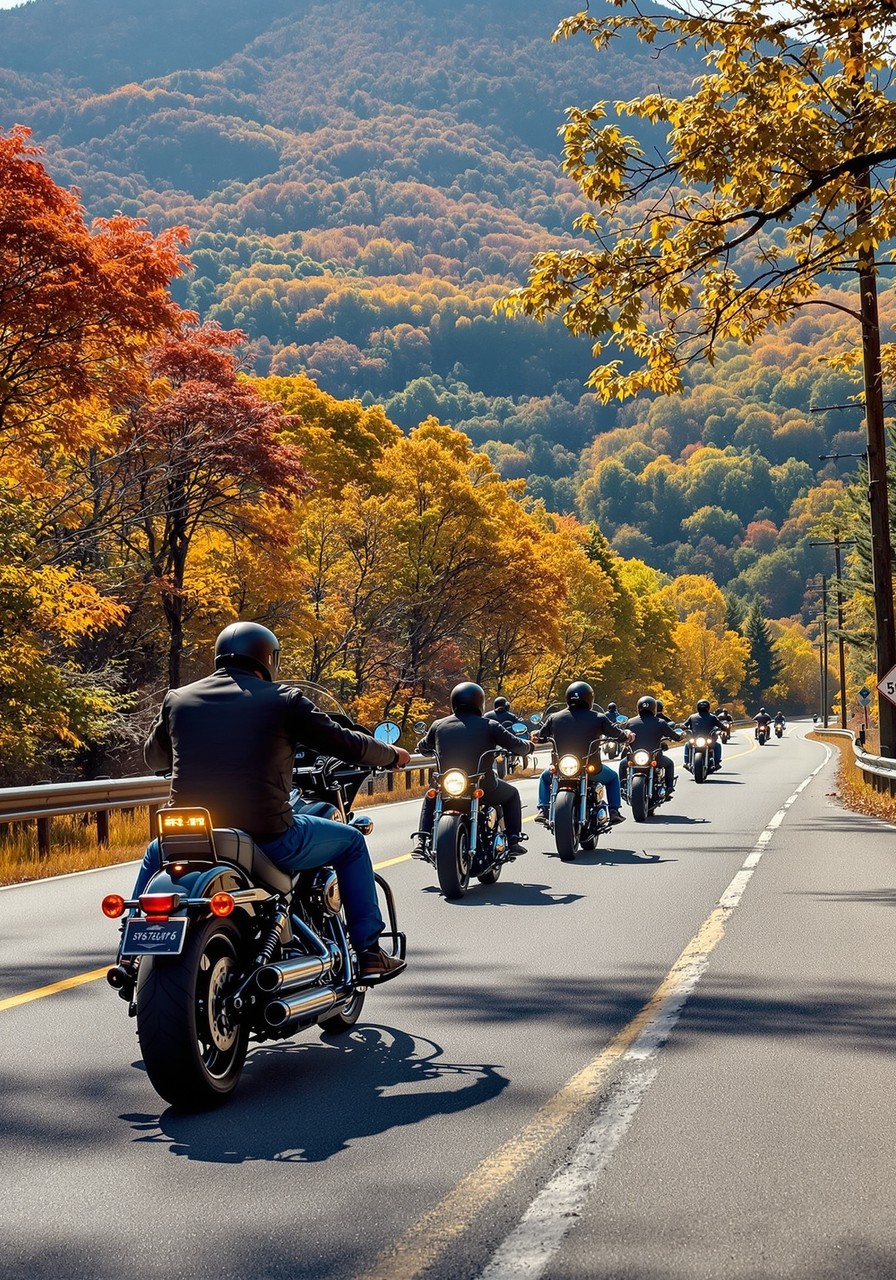
Local Georgia & Rides
Rolling into Helen feels like the Alps dropped into the North Georgia mountains. The alpine village is a favorite lunch stop before hitting Unicoi Gap. Cobblestones are slick when wet, mind your line. #RideNationGA #Helen #NorthGeorgia #UnicoiGap
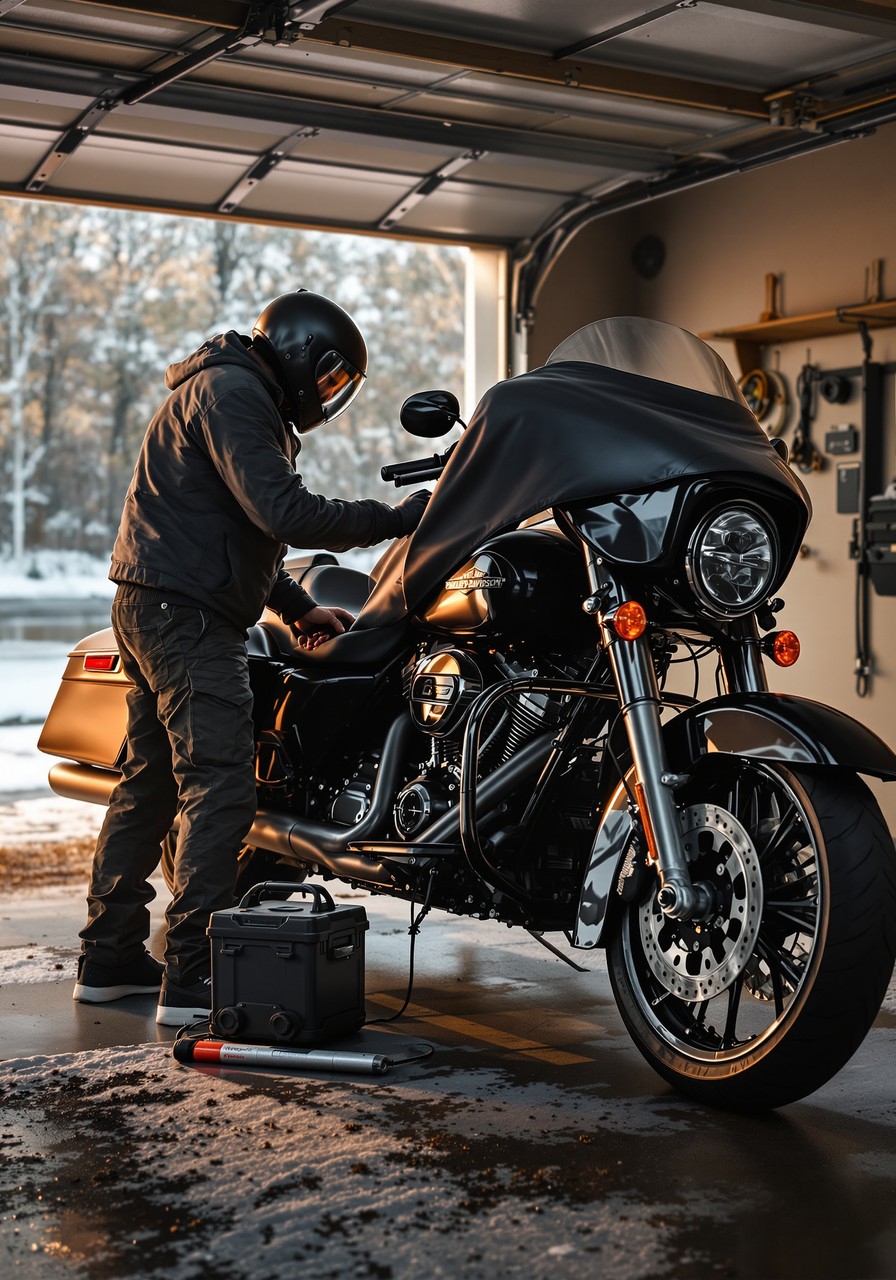
Gear & New Iron
Tire check Tuesday: press a penny in the tread and eyeball the sidewalls for cracks. Fresh rubber is confidence you can feel in the first corner. #RideNationGA #TireCheck #RideSafe
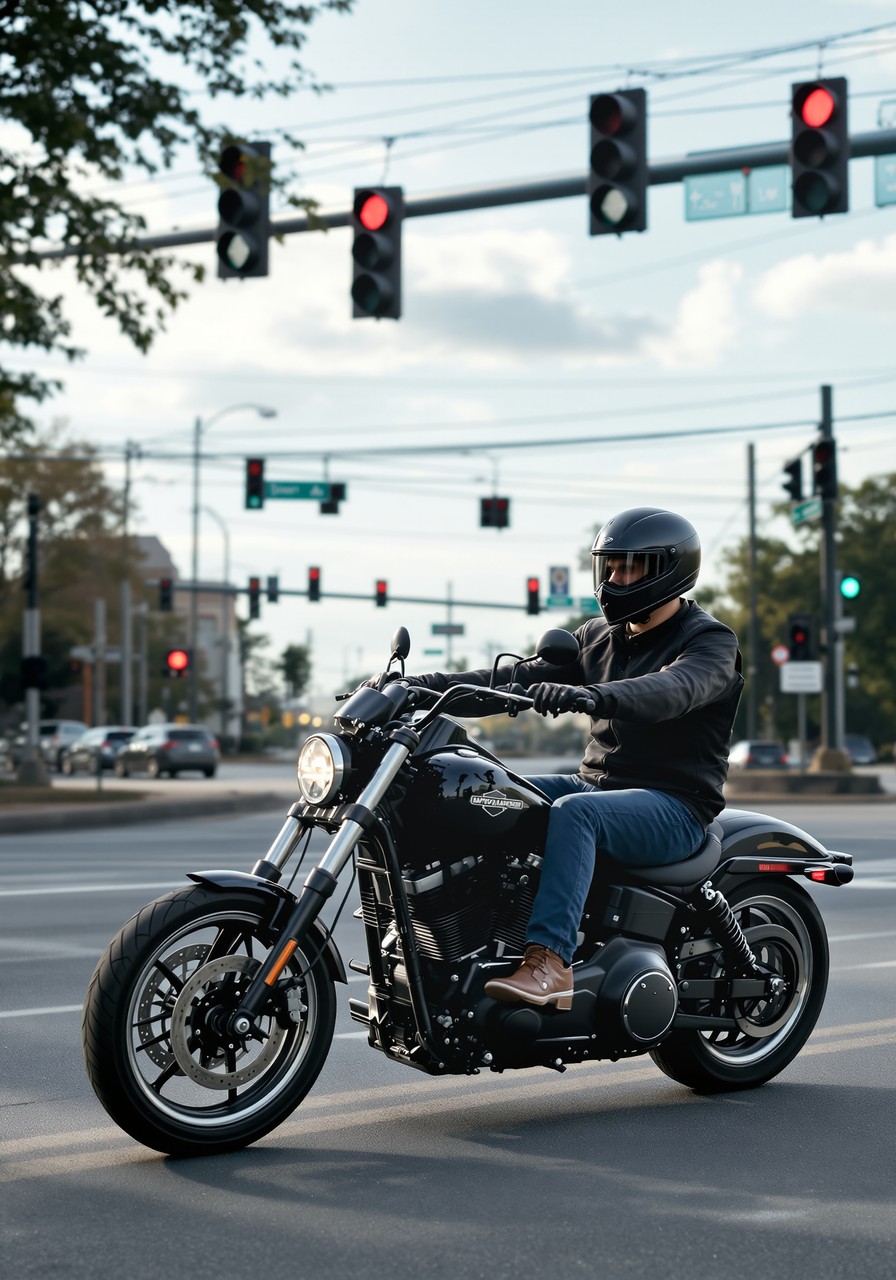
Safety & Georgia Law
Left-turn drivers who fail to yield are usually at fault, but insurers still try to blame riders. Documentation protects you. Questions after a crash? Call Moebes Law at (404) 354-5432. #RideNationGA #RideSafe #SMIDSY
Engagement
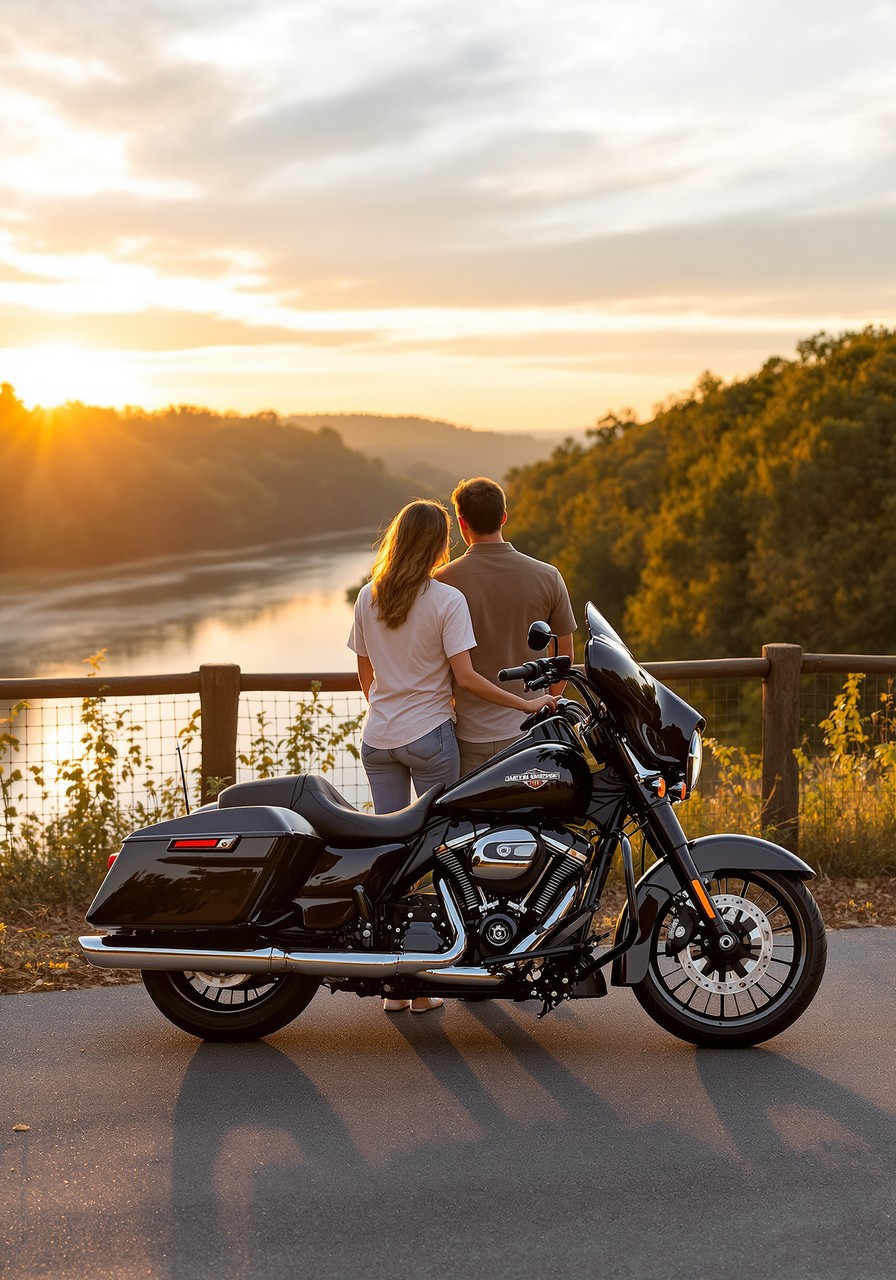
This or that: GA-400 open road or a slow crawl through Dahlonega wine country? Both count as a good day. #RideNationGA #Dahlonega #AtlantaRiders
Giveaway & Countdown
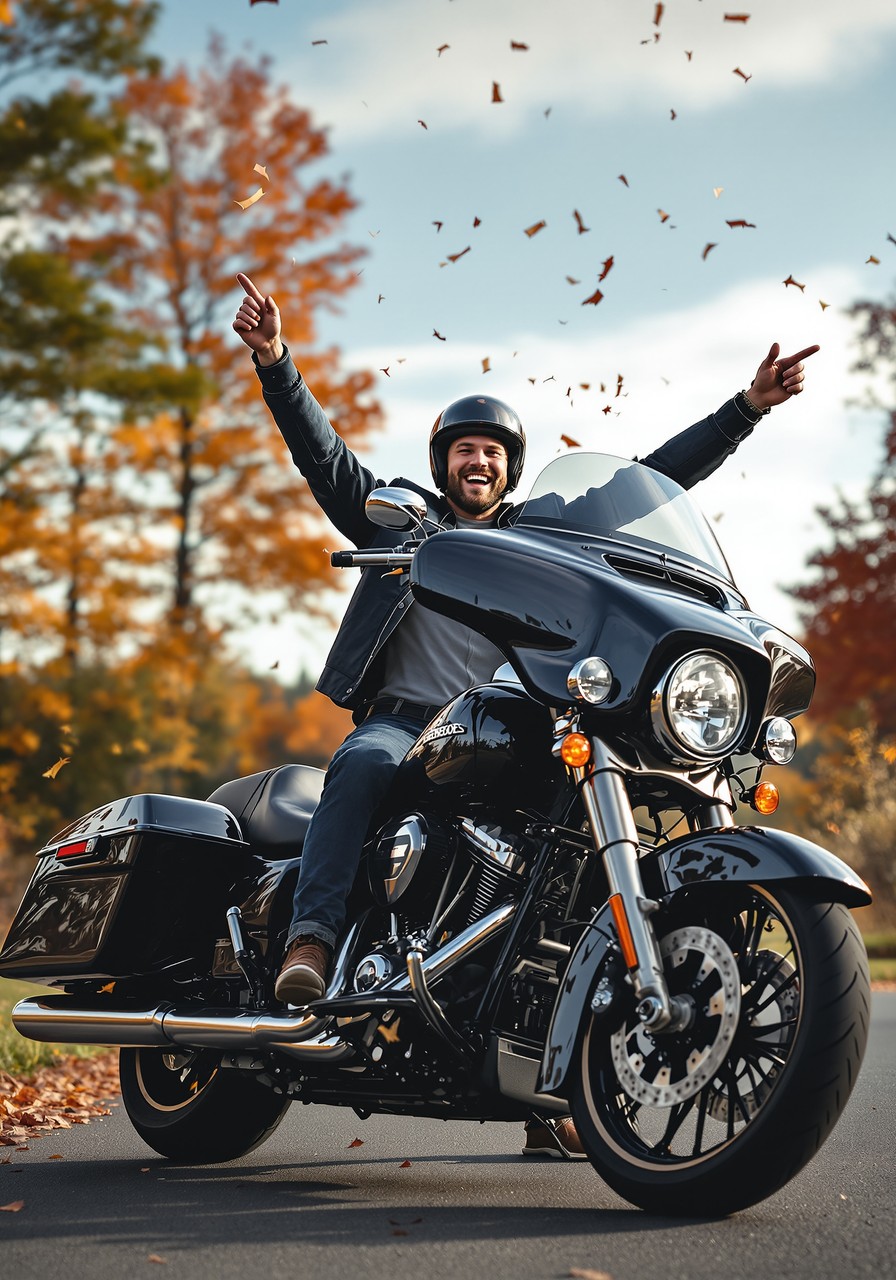
Been down on your bike this year? Talking to us about it could put you in the running for $20,000. Free to enter, drawn December 10. Visit moelaw.com. #RideNationGA #BikersWin #20kGiveaway
Local Georgia & Rides
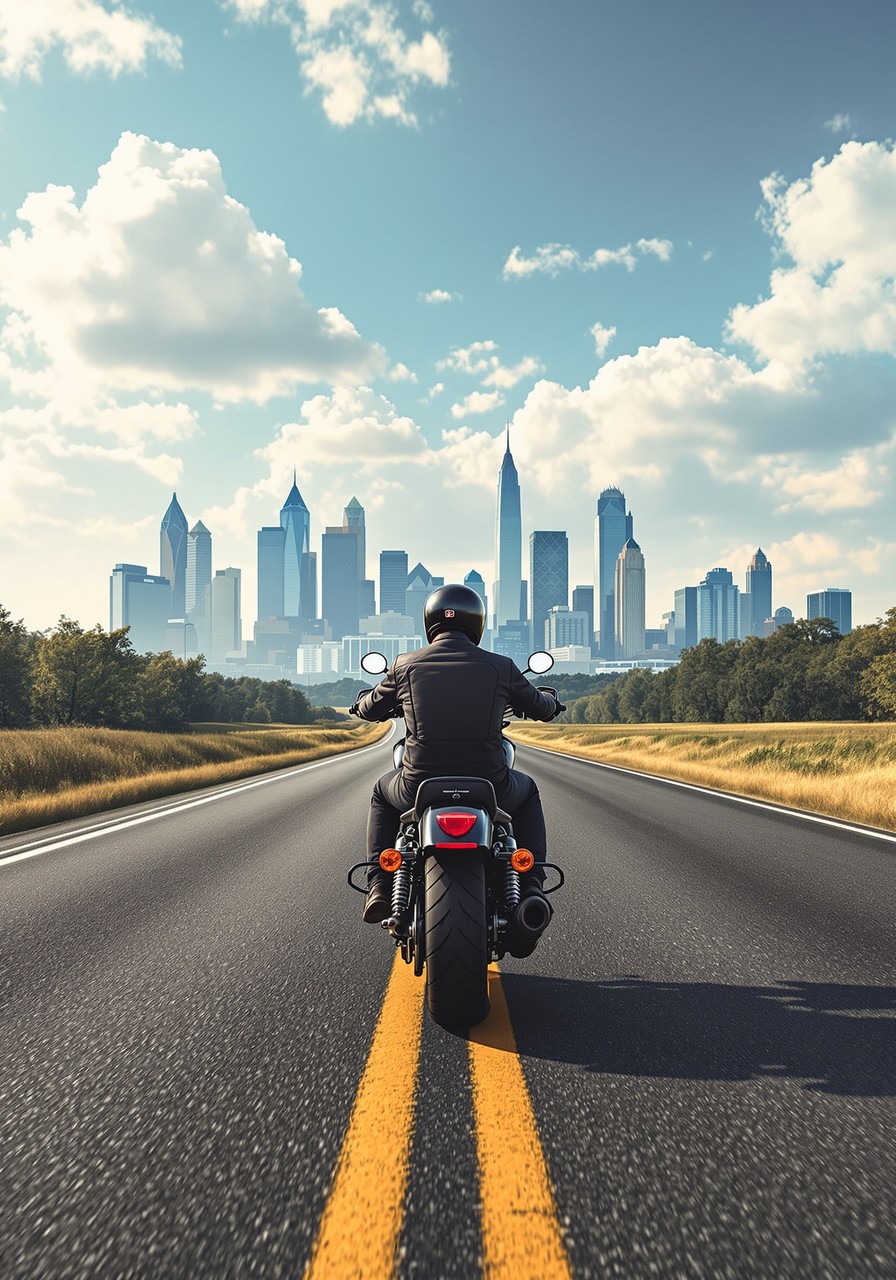
Dahlonega wine country is made for slow Sunday miles. Roll through the vineyards, grab a coffee on the square, and soak up that gold-rush history. #RideNationGA #Dahlonega #NorthGeorgia #WineCountry
Gear & New Iron
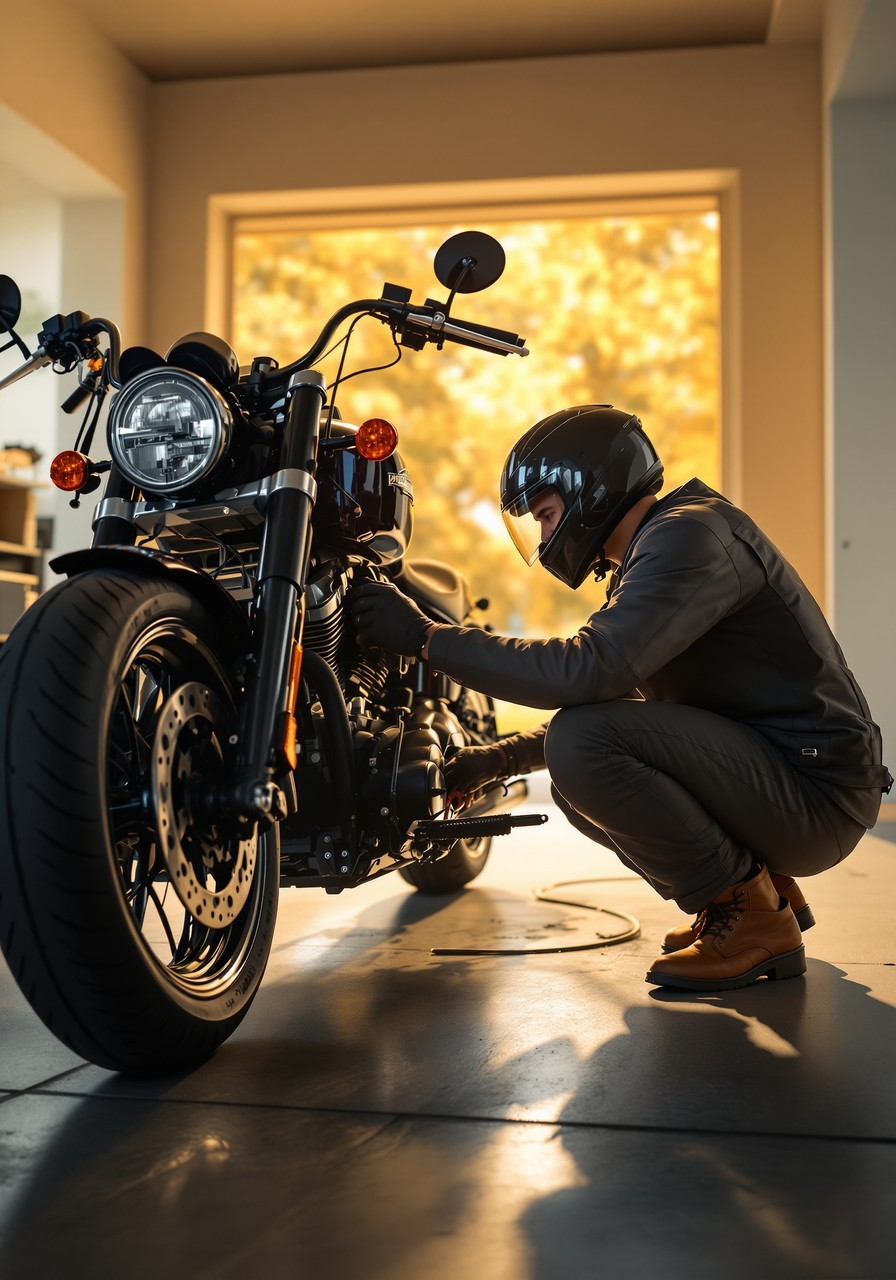
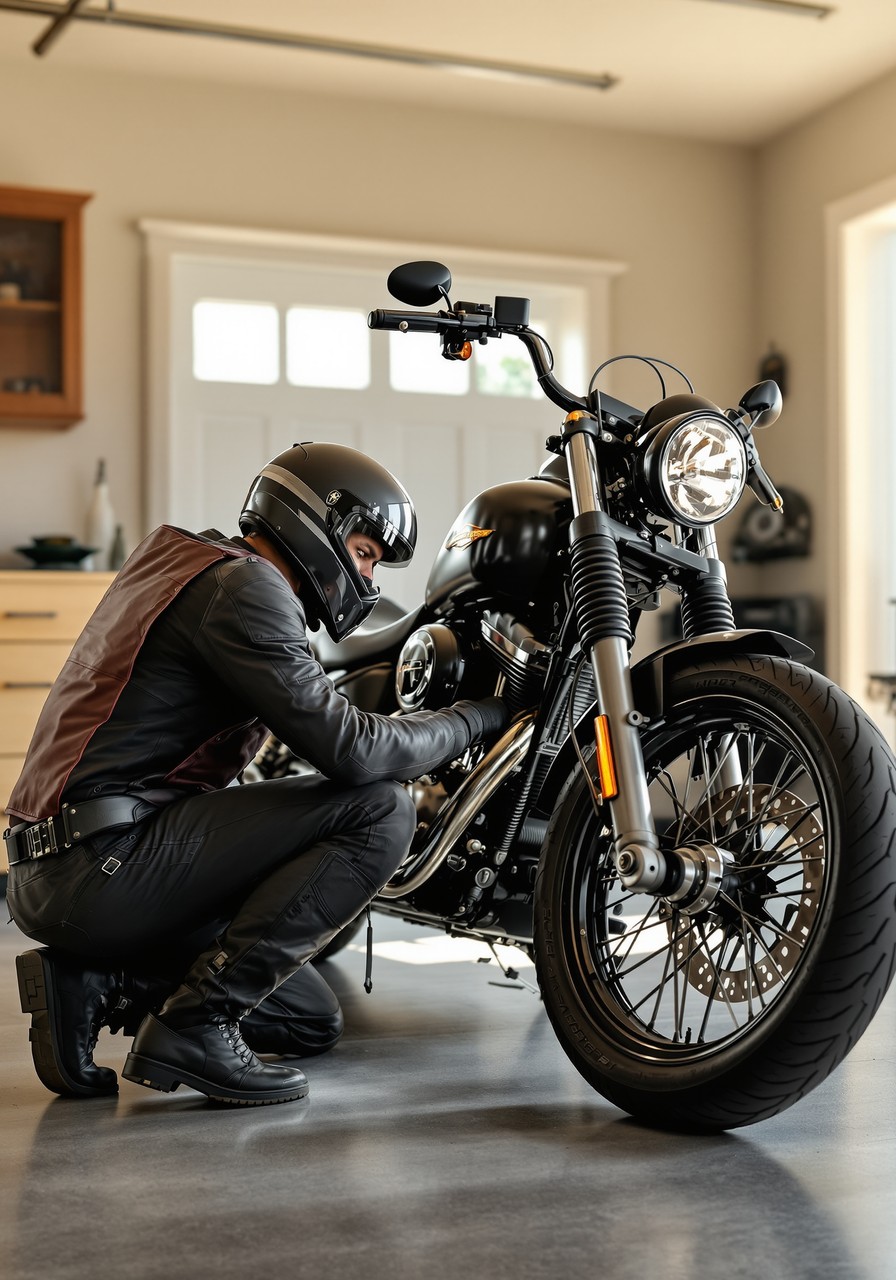
Chain love is bike love. Clean it, lube it, adjust it, and it'll return the favor for thousands of miles. #RideNationGA #MotoMaintenance #GarageTime
Safety & Georgia Law
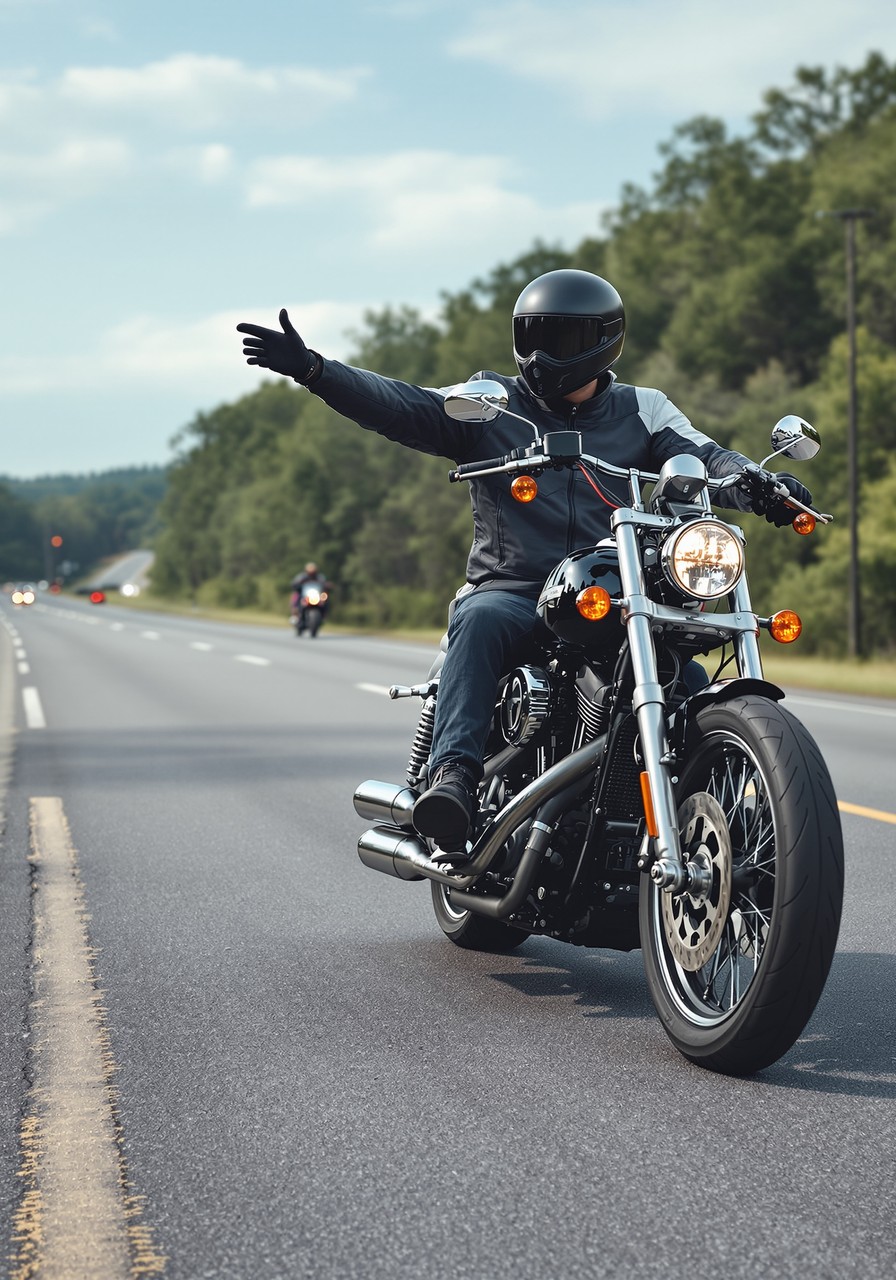
After a crash: take photos, get witness info, wait for the police report, and see a doctor. Small steps, big difference later. Call Colonel Moe at (404) 354-5432. #RideNationGA #RideSafe #CrashChecklist
Engagement
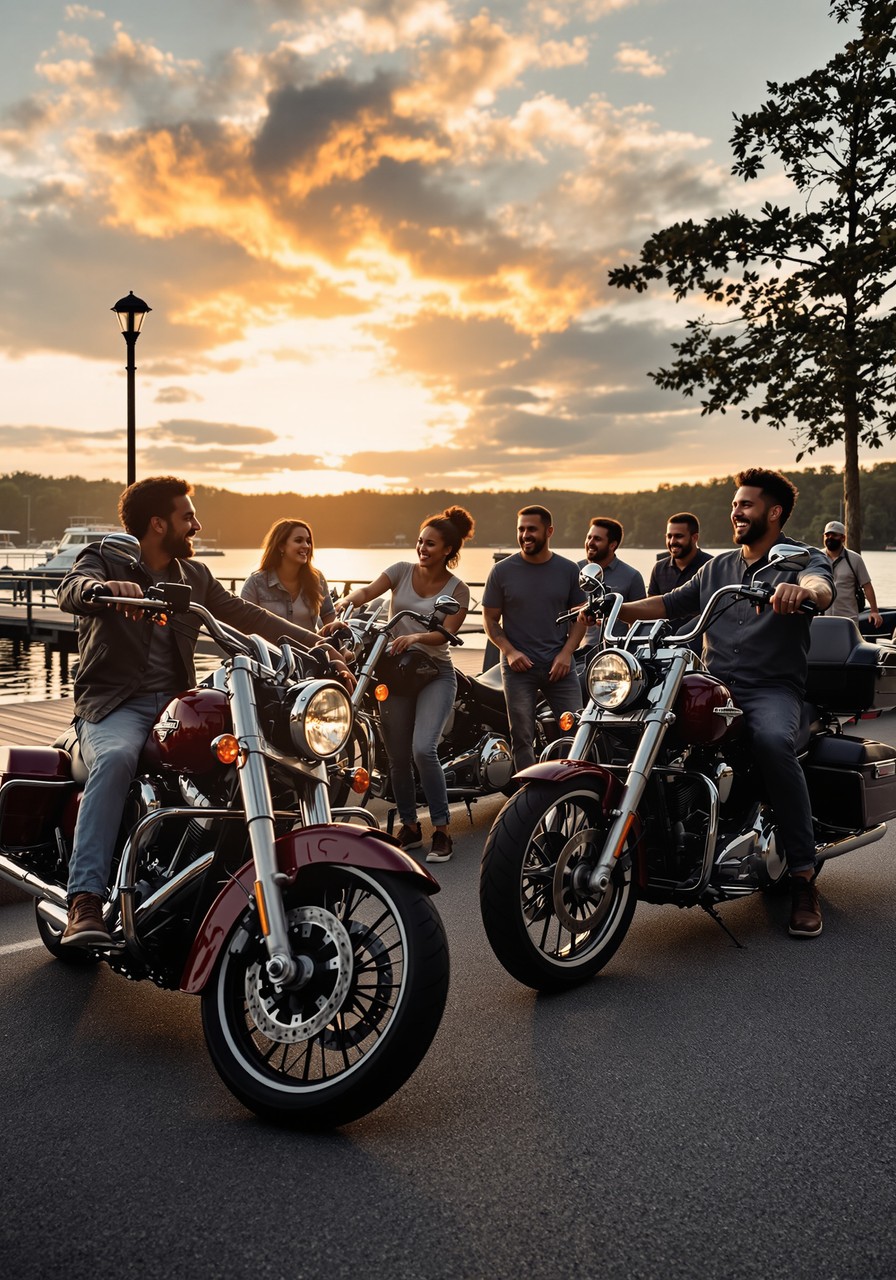
Fill in the blank: You know it is fall in North Georgia when ______. Bonus points for foliage talk. #RideNationGA #FallFoliage #NorthGeorgia
Giveaway & Countdown
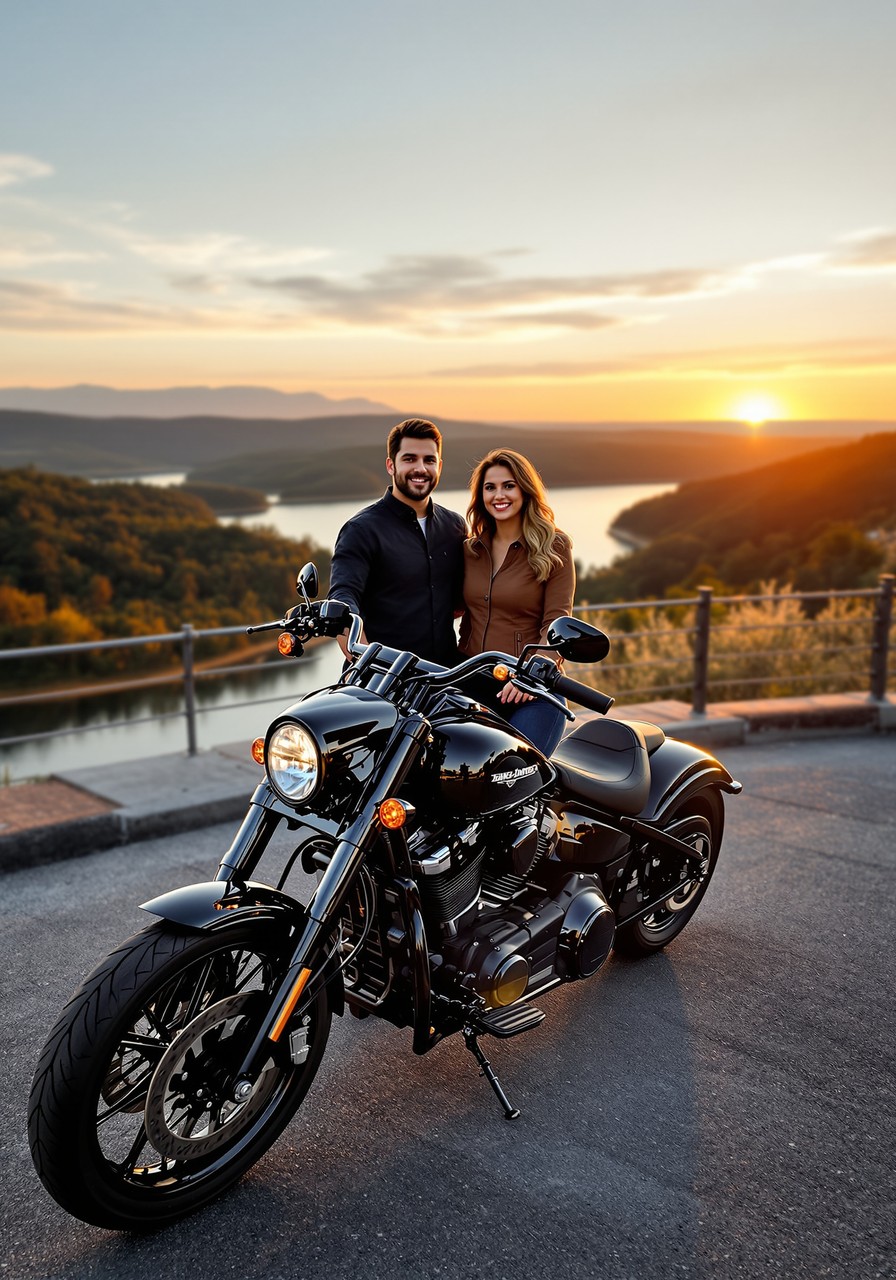
The countdown is on. Weeks left until the BikersWin $20K motorcycle giveaway draw on December 10. Call Moebes Law at (404) 354-5432 and ask how to enter for free. #RideNationGA #20kGiveaway #BikersWin
Local Georgia & Rides
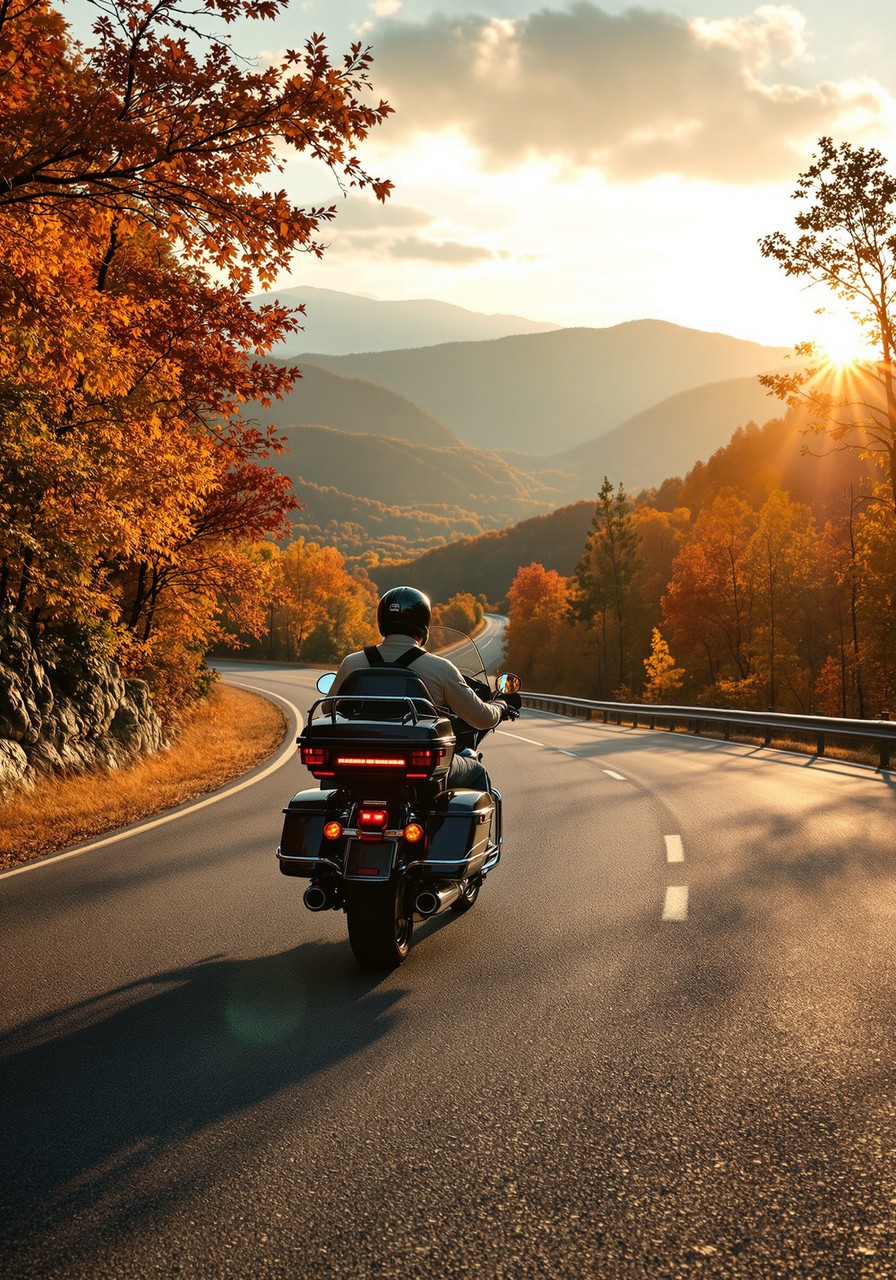
Amicalola Falls drops 729 feet, the tallest cascading waterfall in the Southeast. The ride in through Dawson County is a quiet warmup for the view. #RideNationGA #AmicalolaFalls #NorthGeorgia #Dawsonville
Gear & New Iron
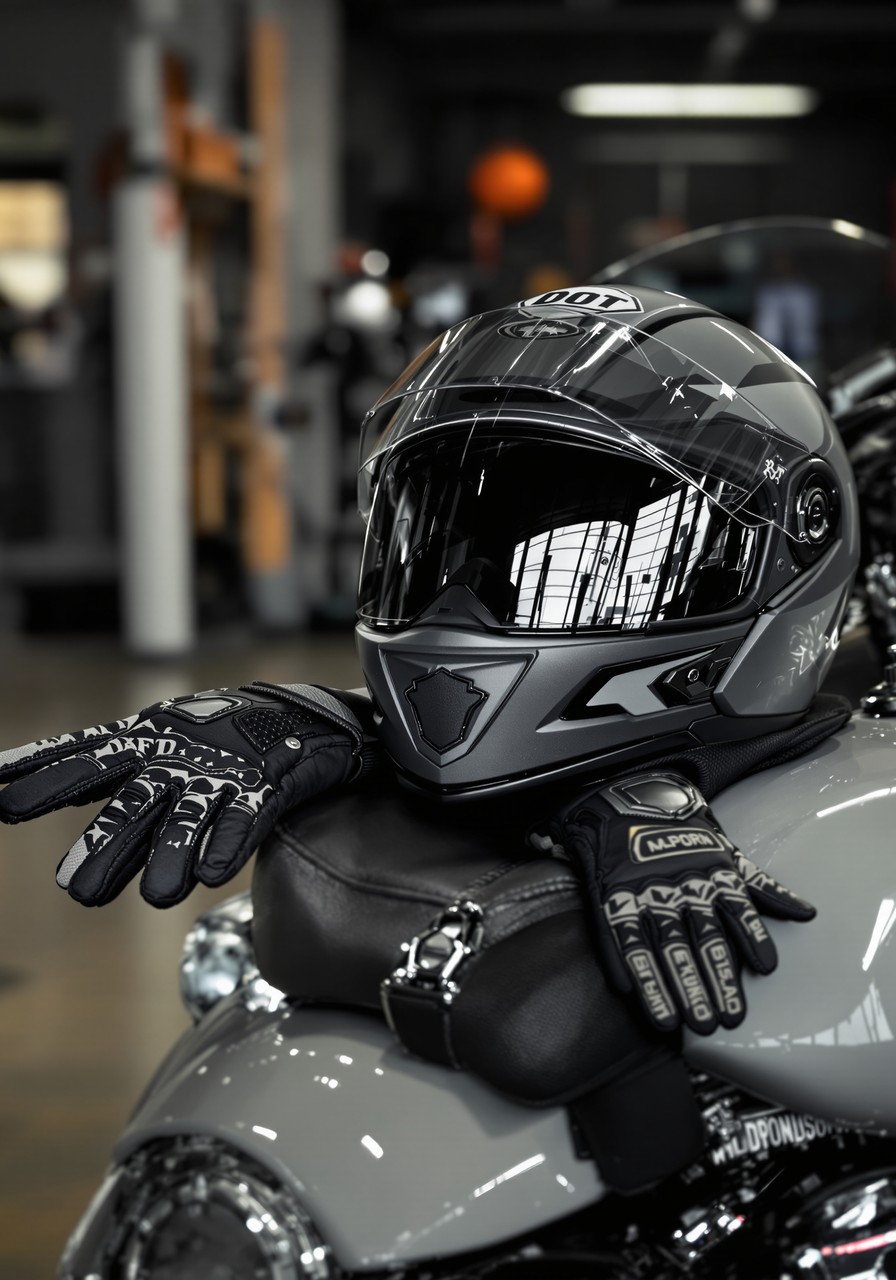
A mesh jacket in a Georgia summer is the difference between riding and suffering. Airflow plus armor, no compromise. #RideNationGA #MotorcycleGear #ATGATT
Safety & Georgia Law
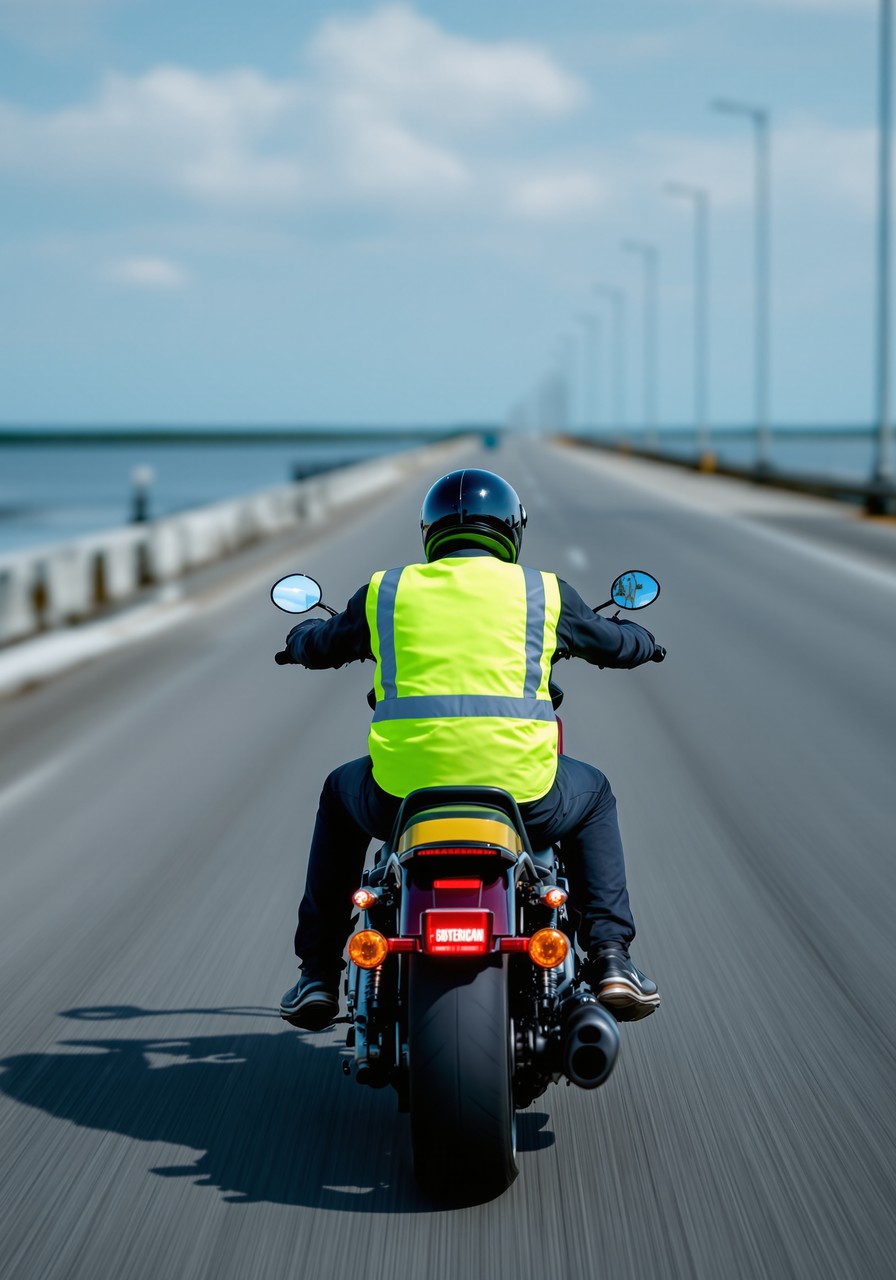
One quiet rule after a wreck: do not give a recorded statement and do not post about it online. Talk to someone first. Call Moebes Law at (404) 354-5432. #RideNationGA #RideSafe #CrashTips
Engagement
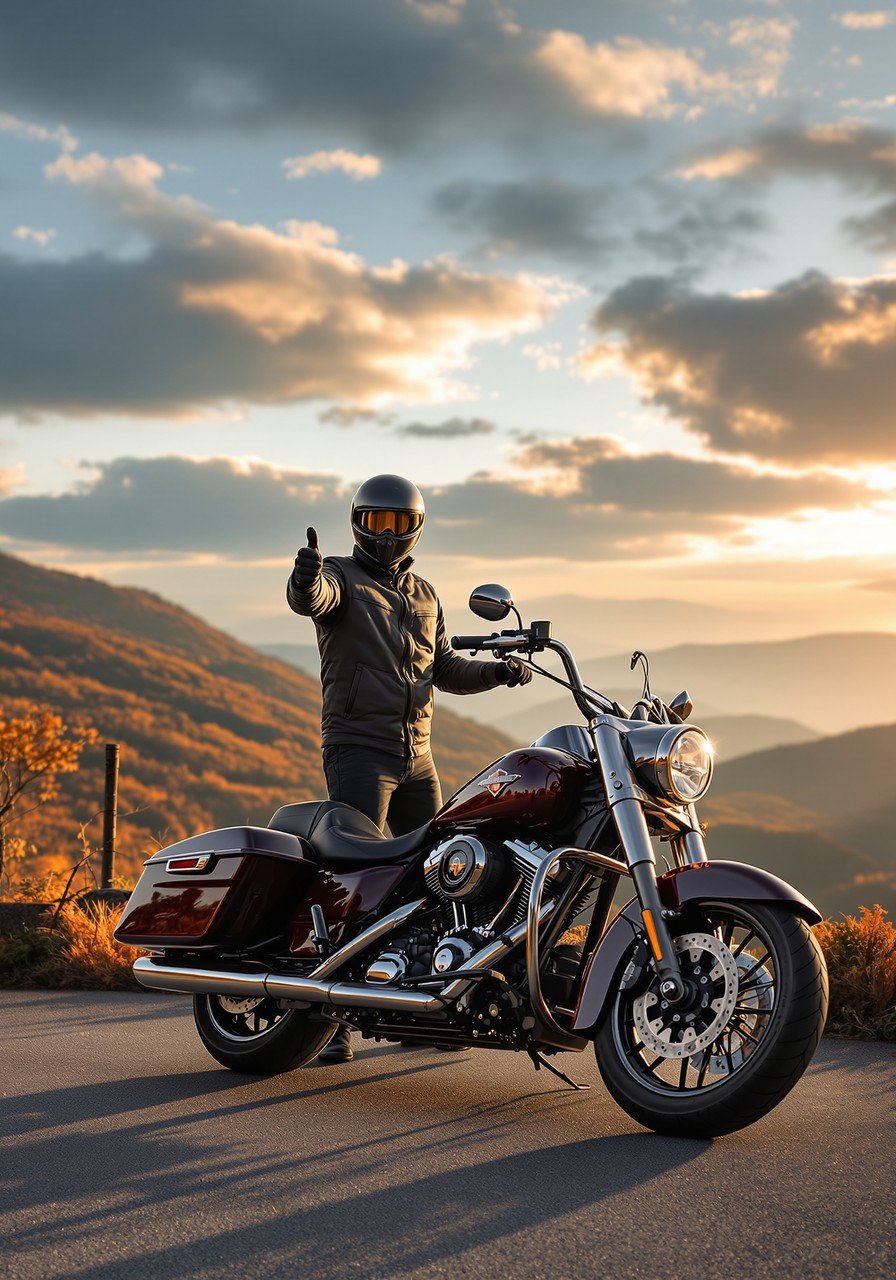
Tag the friend who plans the whole route down to the gas stops. Every crew needs one. #RideNationGA #AtlantaRiders #NorthGeorgia
Giveaway & Countdown
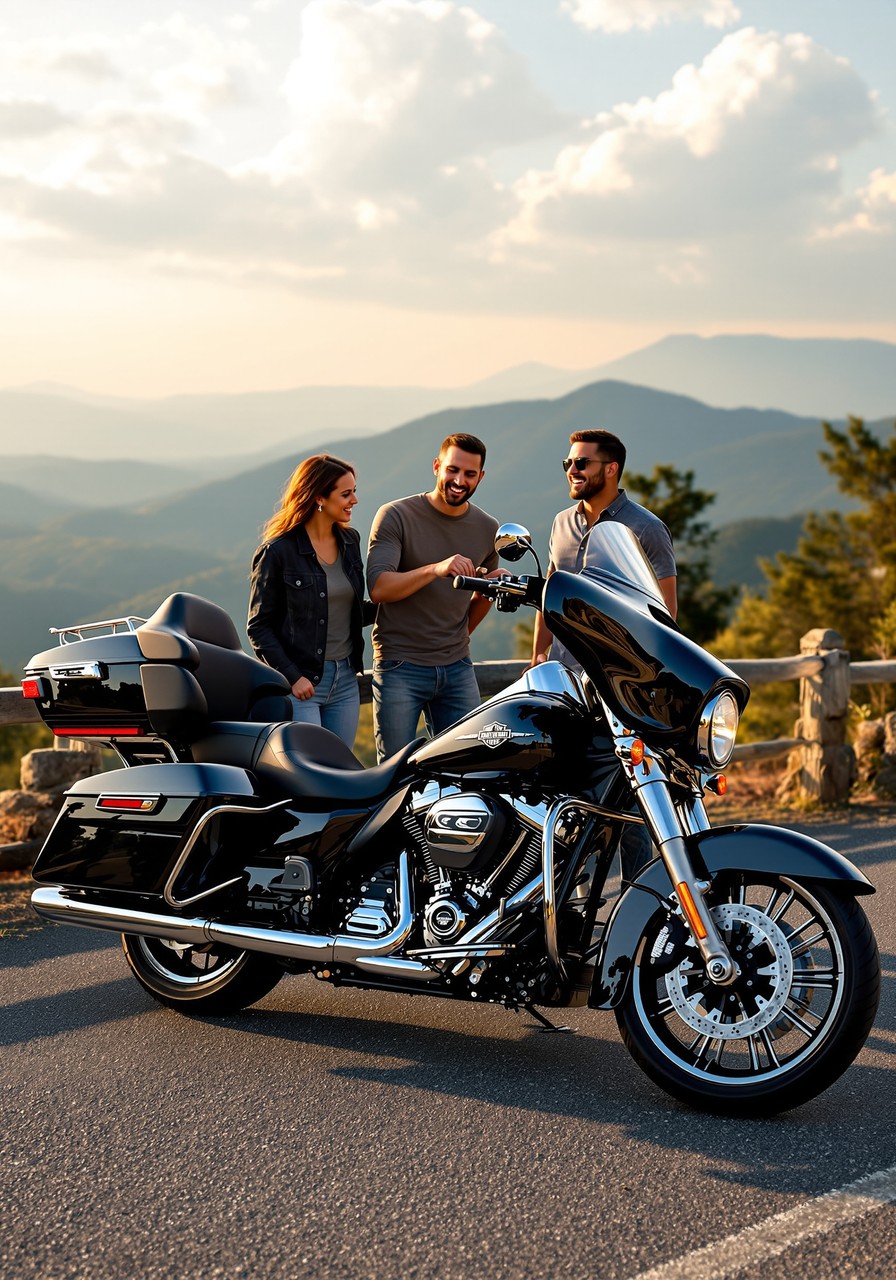
Twenty thousand reasons to call. If you've had a motorcycle crash in Georgia, a conversation with Moebes Law enters you in the BikersWin giveaway at no cost. #RideNationGA #BikersWin #20kGiveaway
Local Georgia & Rides
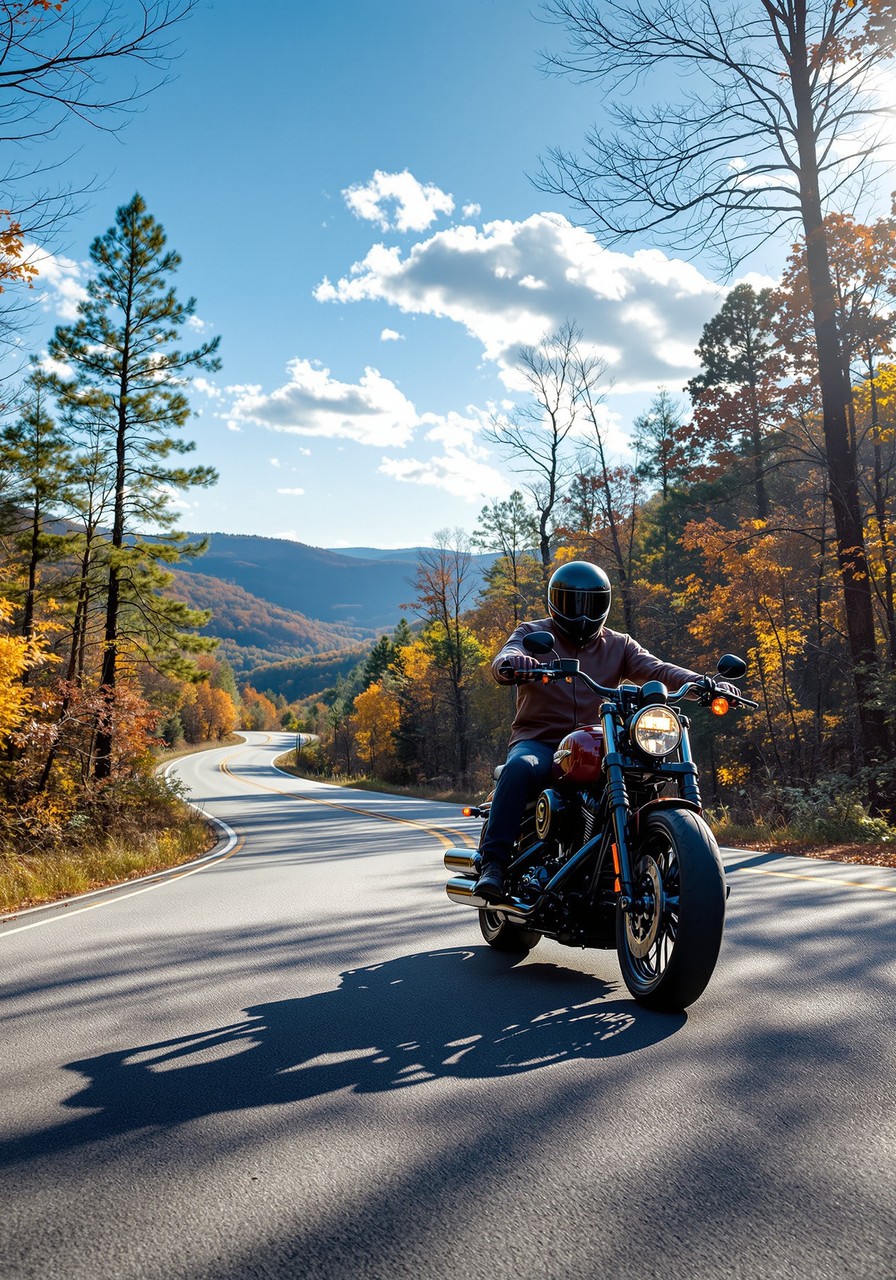
Chasing the Chattahoochee on a mild fall morning never gets old. Cool air off the river, empty two-lanes, and leaves just starting to turn. This is why we ride. #RideNationGA #Chattahoochee #NorthGeorgia #FallRiding
Gear & New Iron
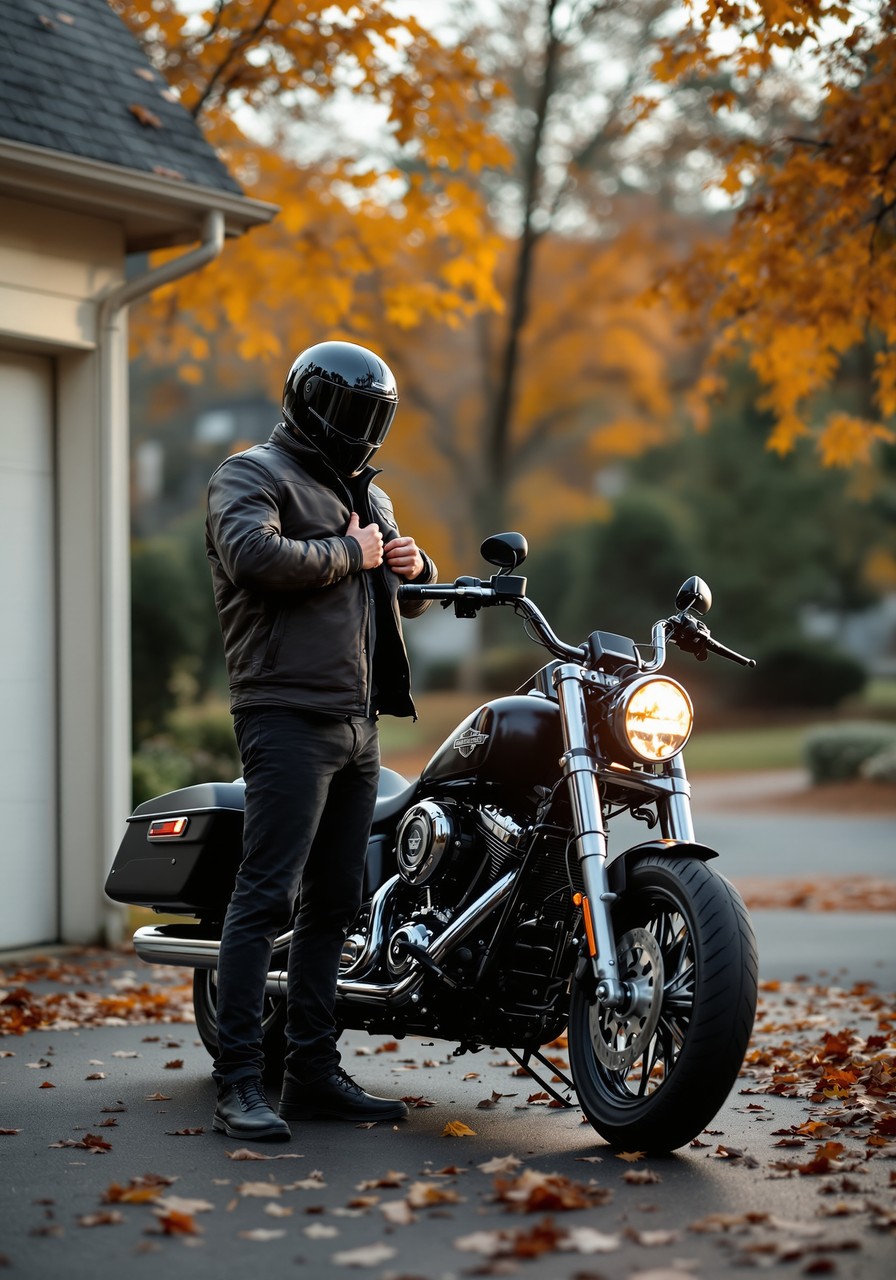
New iron in the garage this week? Break it in easy, learn its manners, and let the grin do the rest. #RideNationGA #NewBikeDay #AtlantaRiders
Safety & Georgia Law
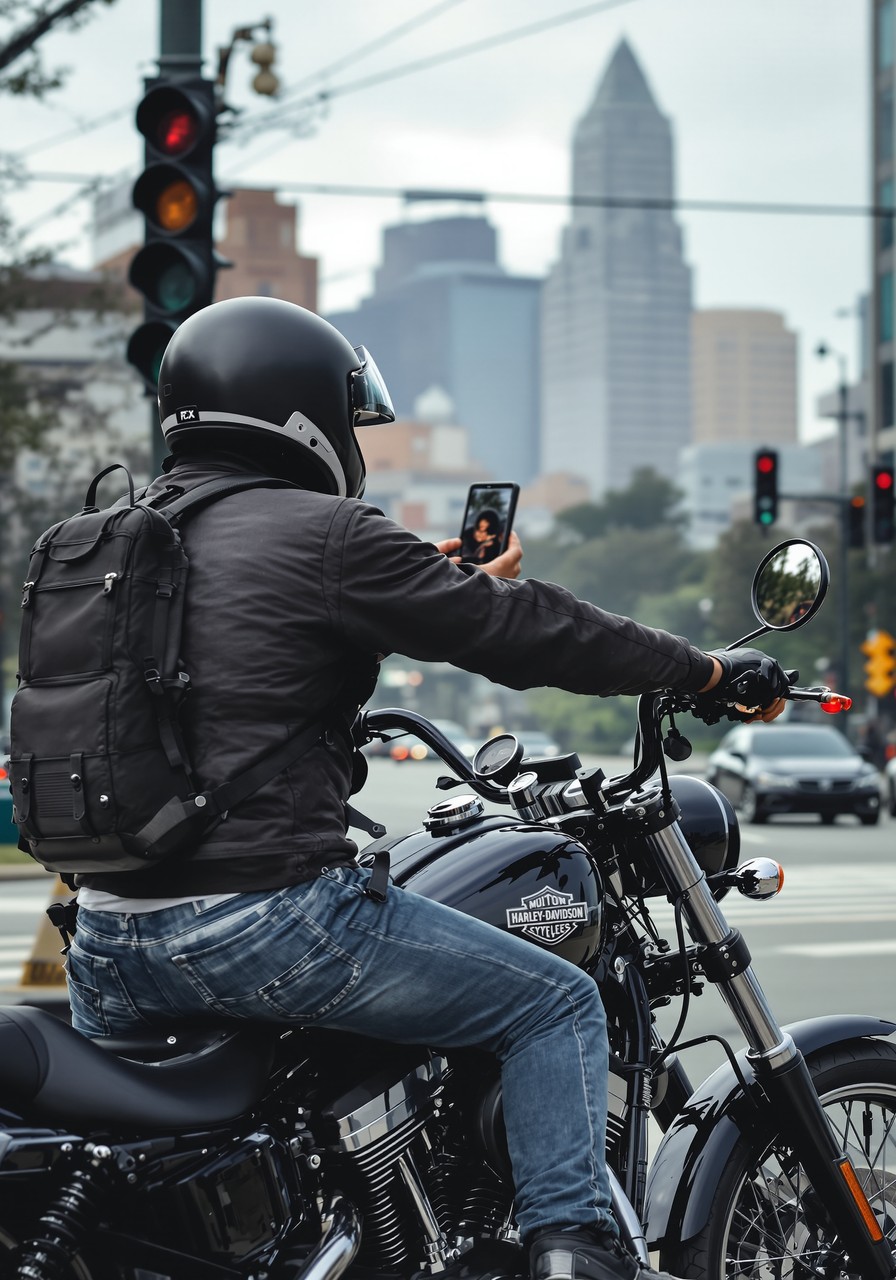
Road-defect claims against a government can have very short ante litem notice deadlines, as short as six months for a city. Timing matters. Questions? Call Moebes Law at (404) 354-5432. #RideNationGA #RideSafe #GeorgiaLaw
Engagement
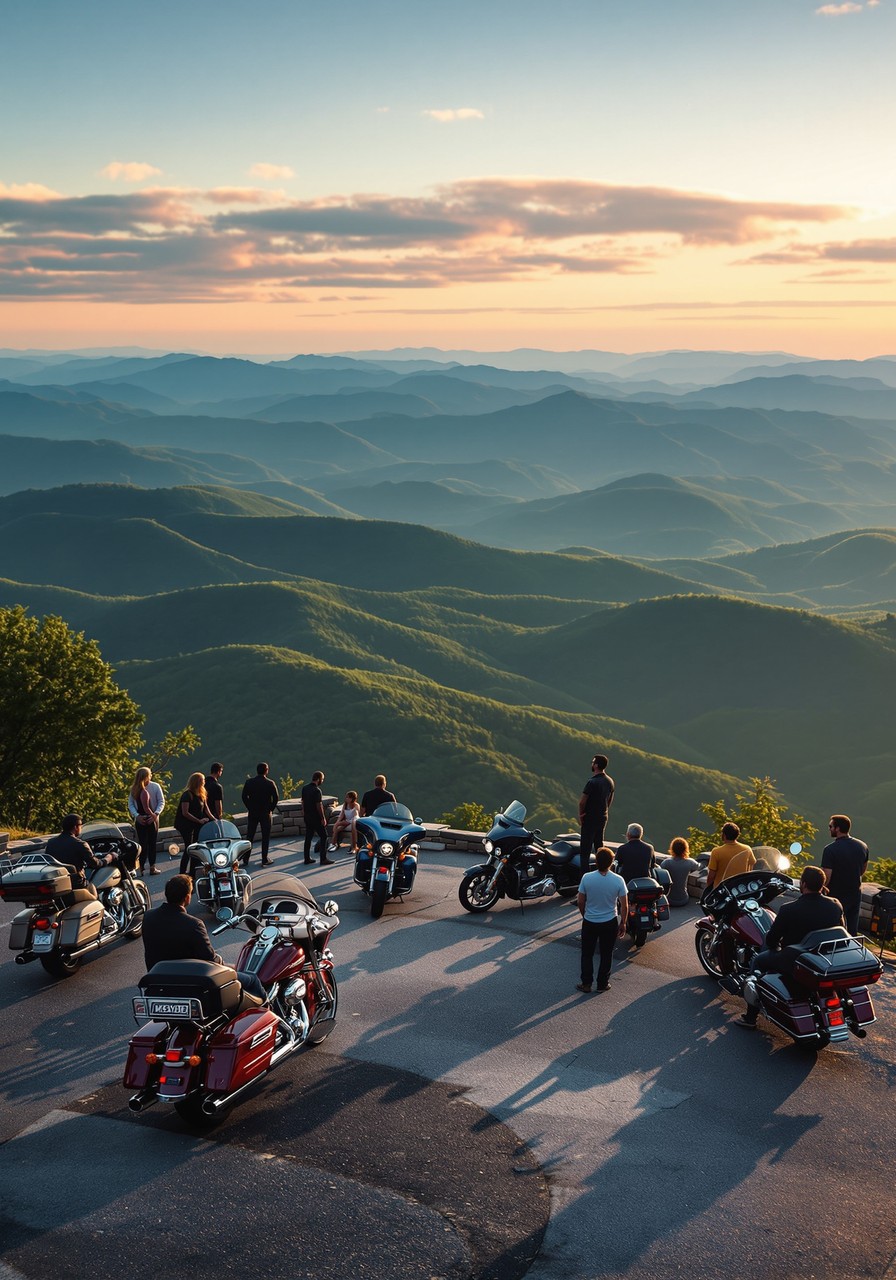
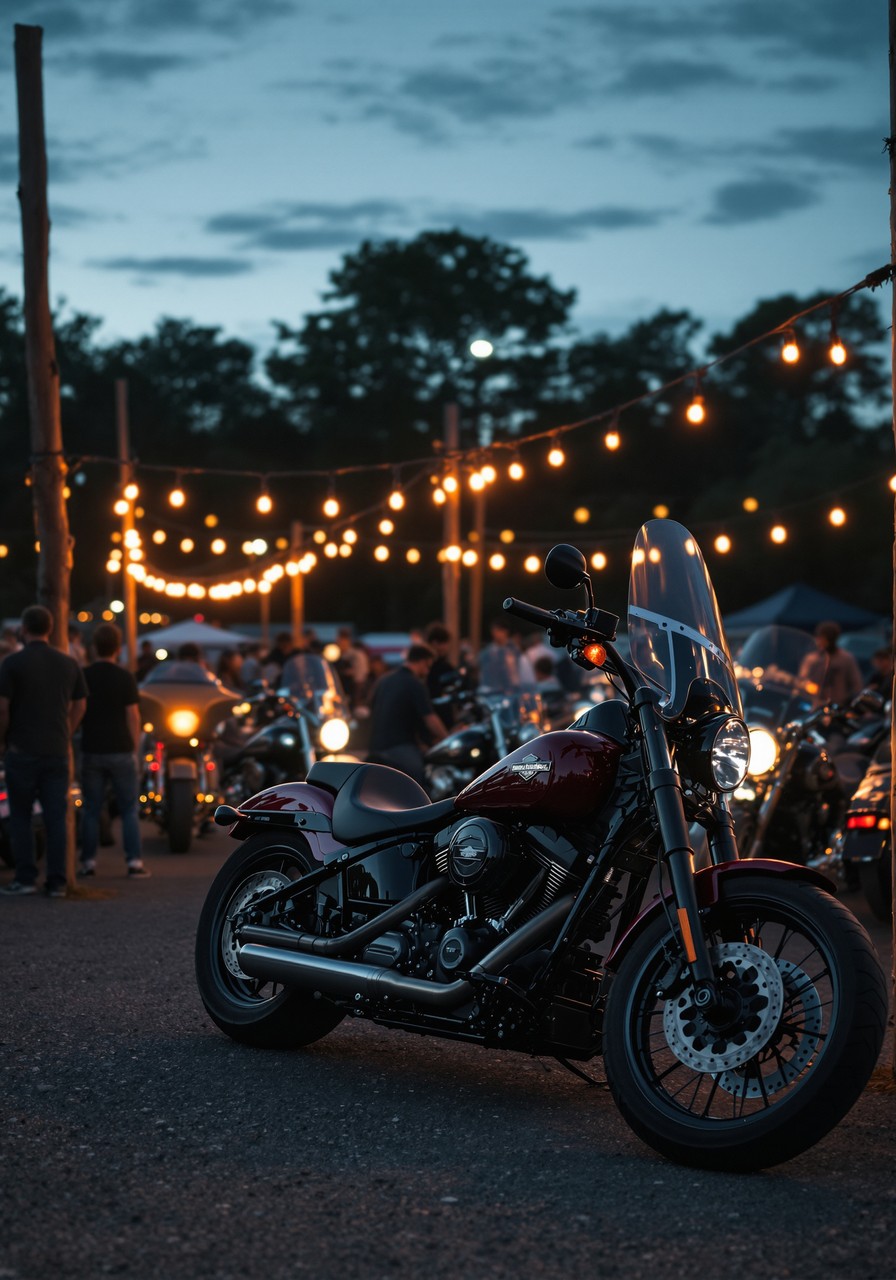
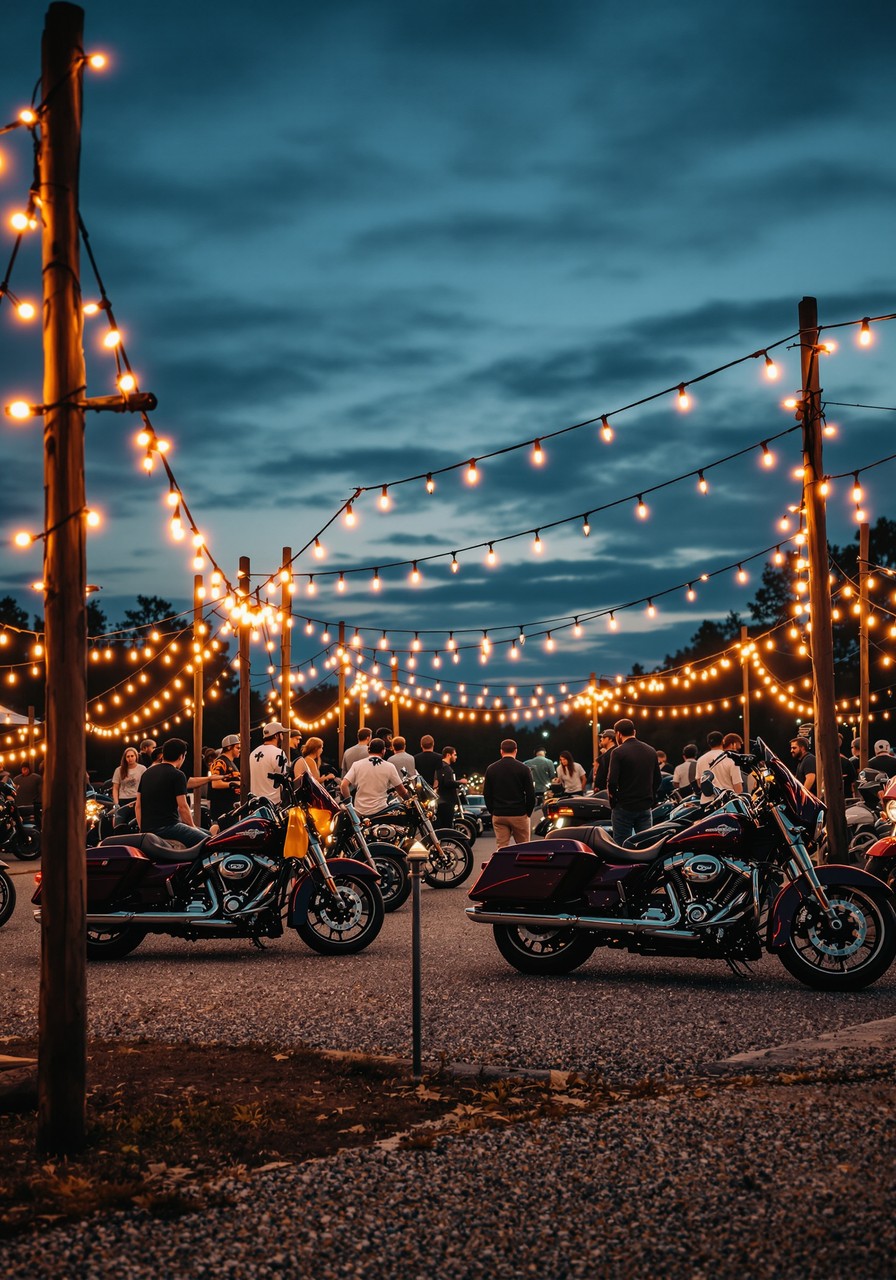
Caption this: the Two Wheels of Suches parking lot on a perfect Saturday, bikes everywhere, stories flowing. #RideNationGA #TwoWheelsOfSuches #NorthGeorgia
Giveaway & Countdown
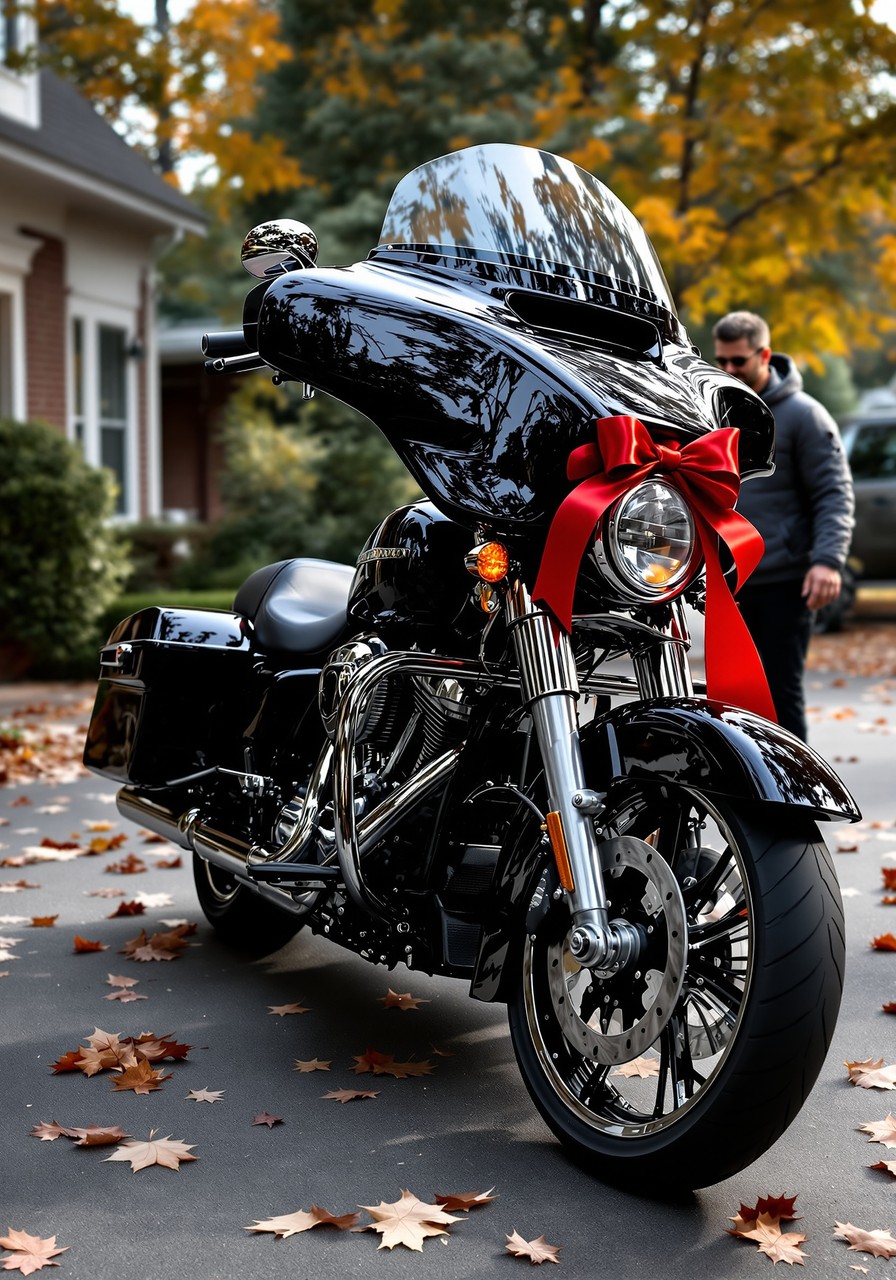
Atlanta riders keep asking how to get in on the $20K giveaway. The answer: talk to us about your crash and you're entered for free. Learn more at moelaw.com. #RideNationGA #20kGiveaway #BikersWin
Local Georgia & Rides
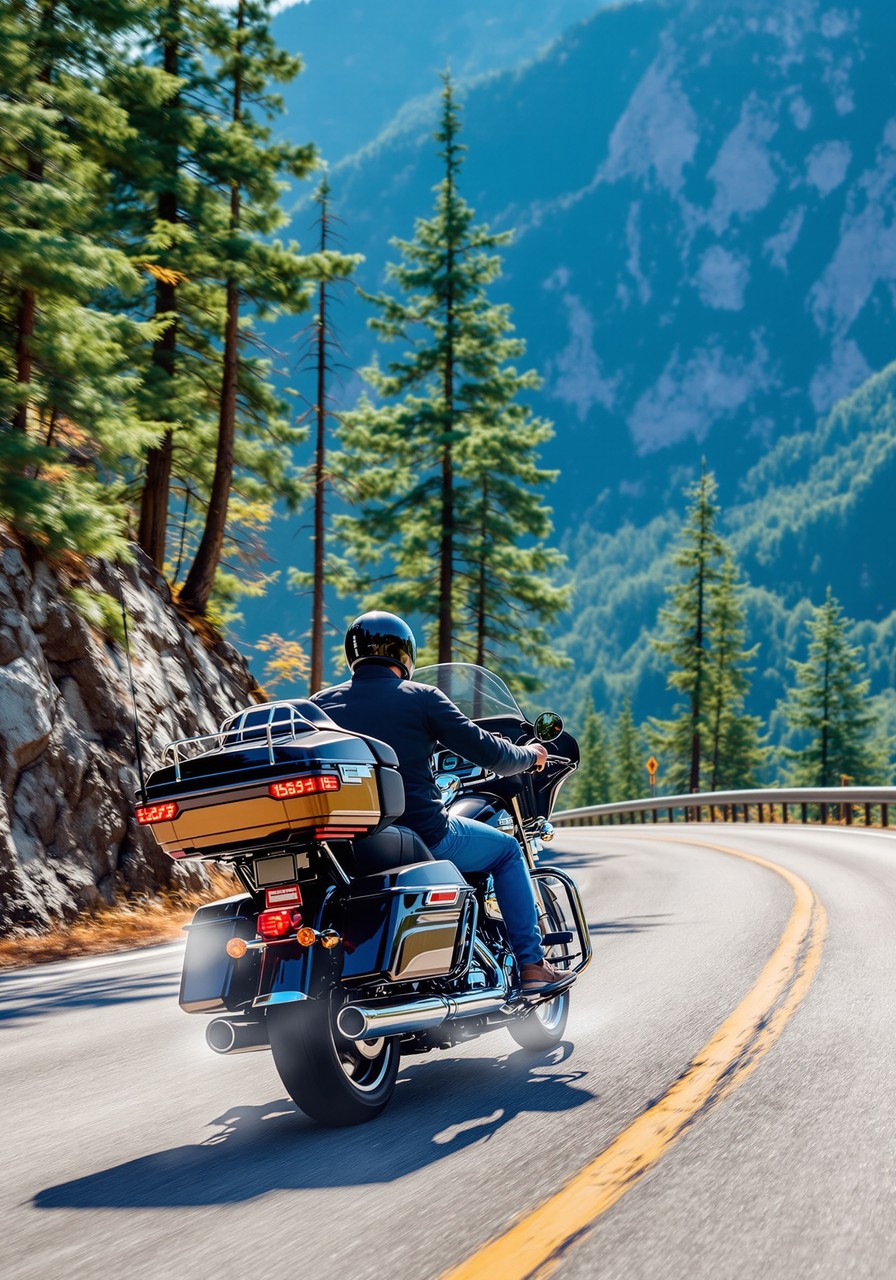
The Blue Ridge stretch around Aska Road is an underrated gem. Tight, tree-lined, and rarely crowded on a weekday. Pack a jacket, it runs cool up there. #RideNationGA #BlueRidge #NorthGeorgia #AskaRoad
Gear & New Iron
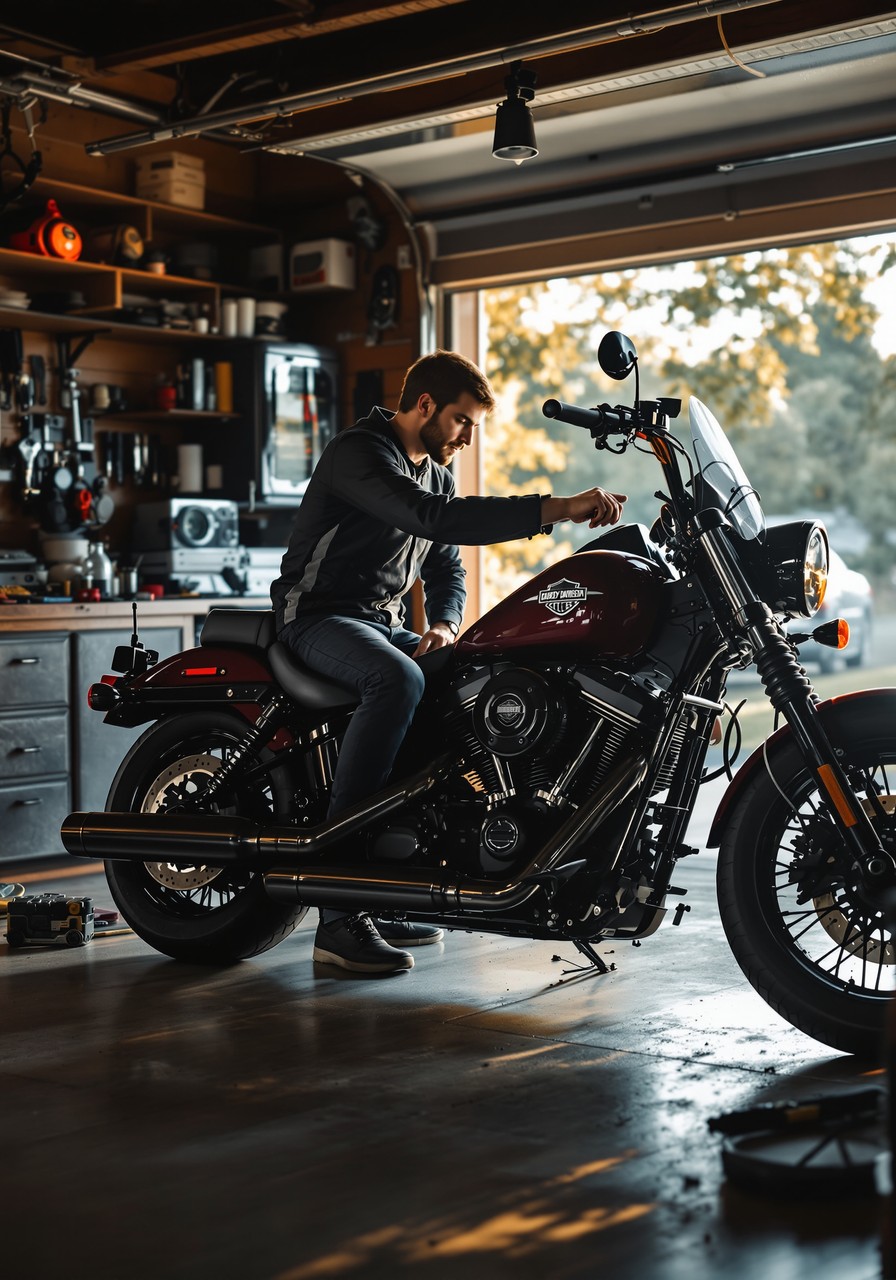
Bluetooth comms turned my group rides from chaos to conversation. Nav prompts, playlists, and buddy check-ins without lifting a hand. #RideNationGA #RiderComms #GearUp
Safety & Georgia Law
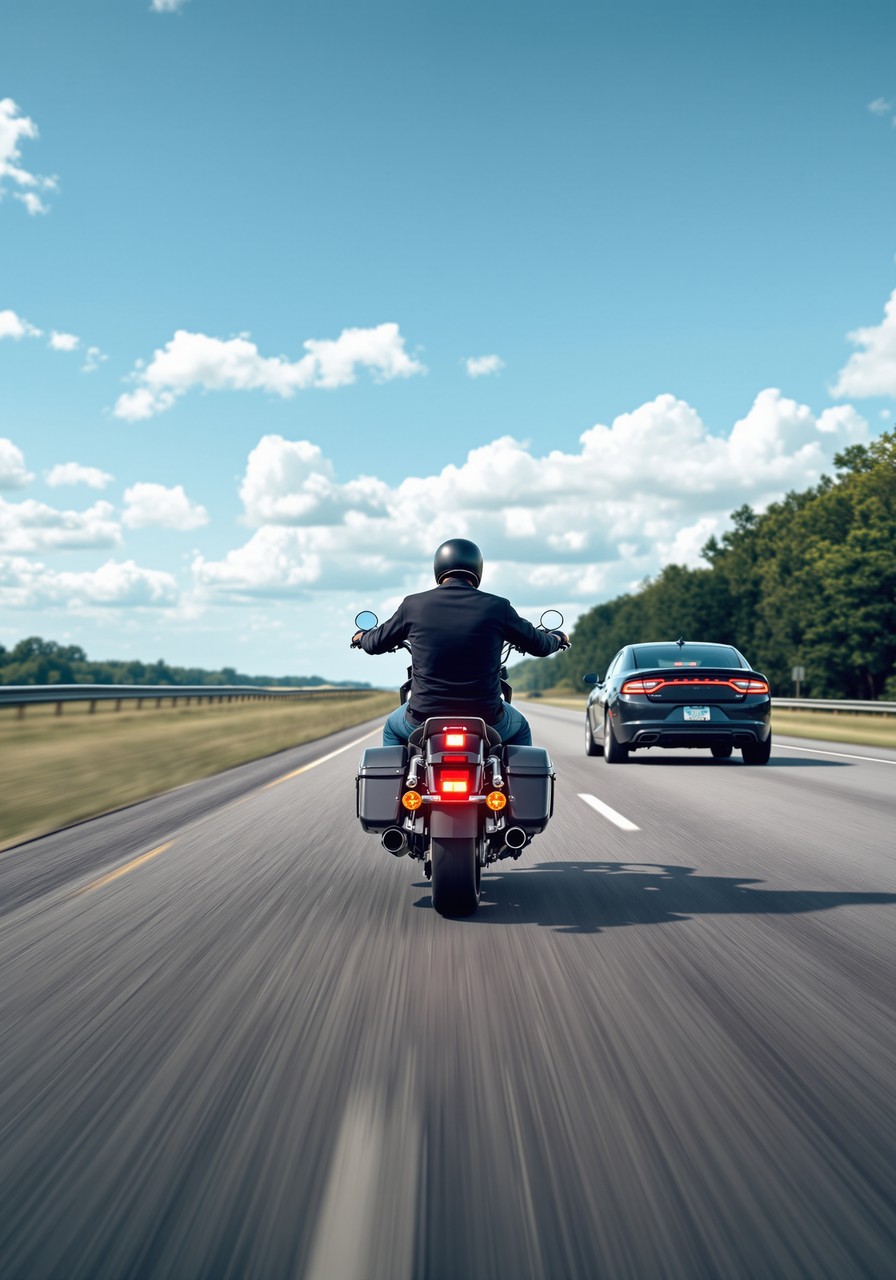
Lane positioning is free protection. Ride where drivers can see you and where you keep an escape path. #RideNationGA #RideSafe #RidingTips
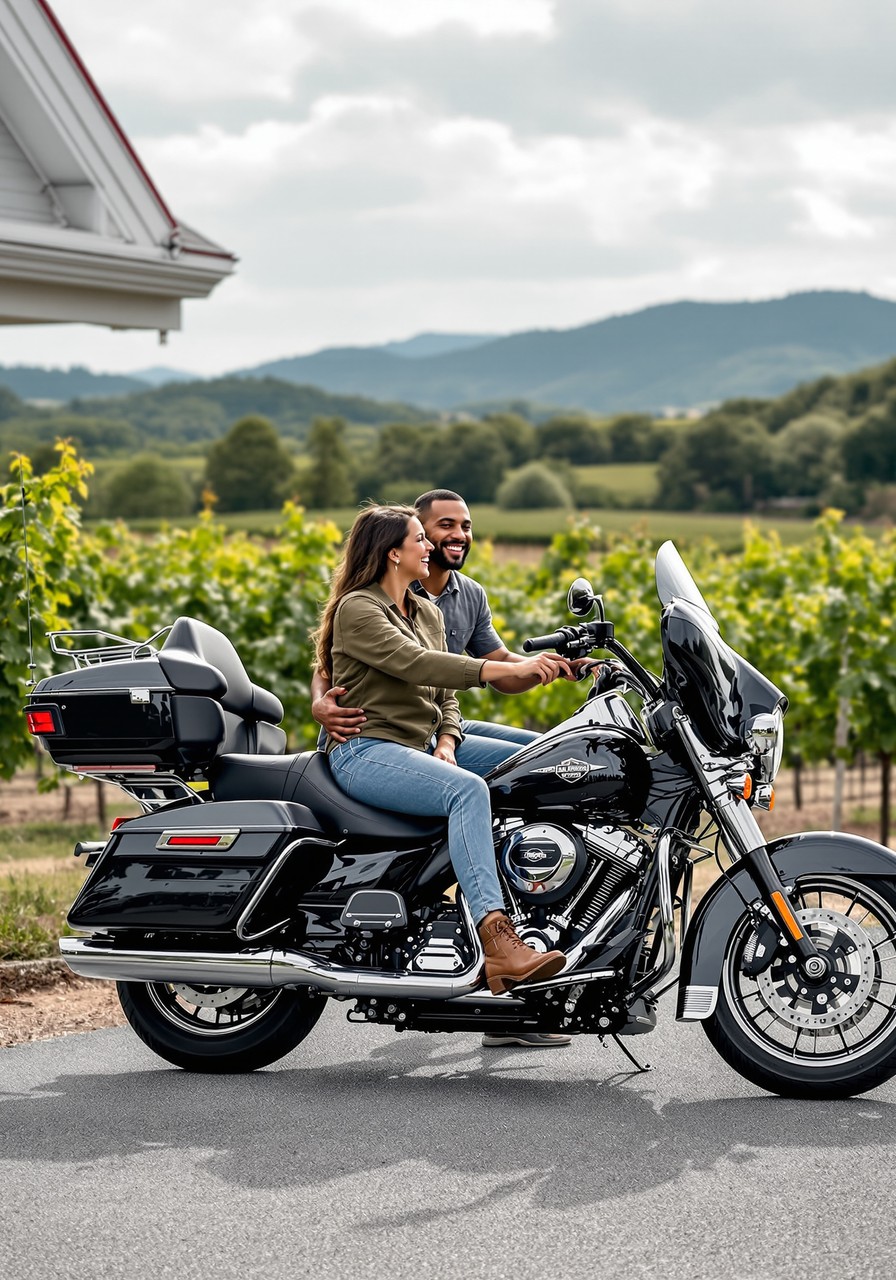
Engagement
Quick poll: coffee before the ride or coffee at the halfway stop? There are two kinds of riders. #RideNationGA #AtlantaRiders #NorthGeorgia
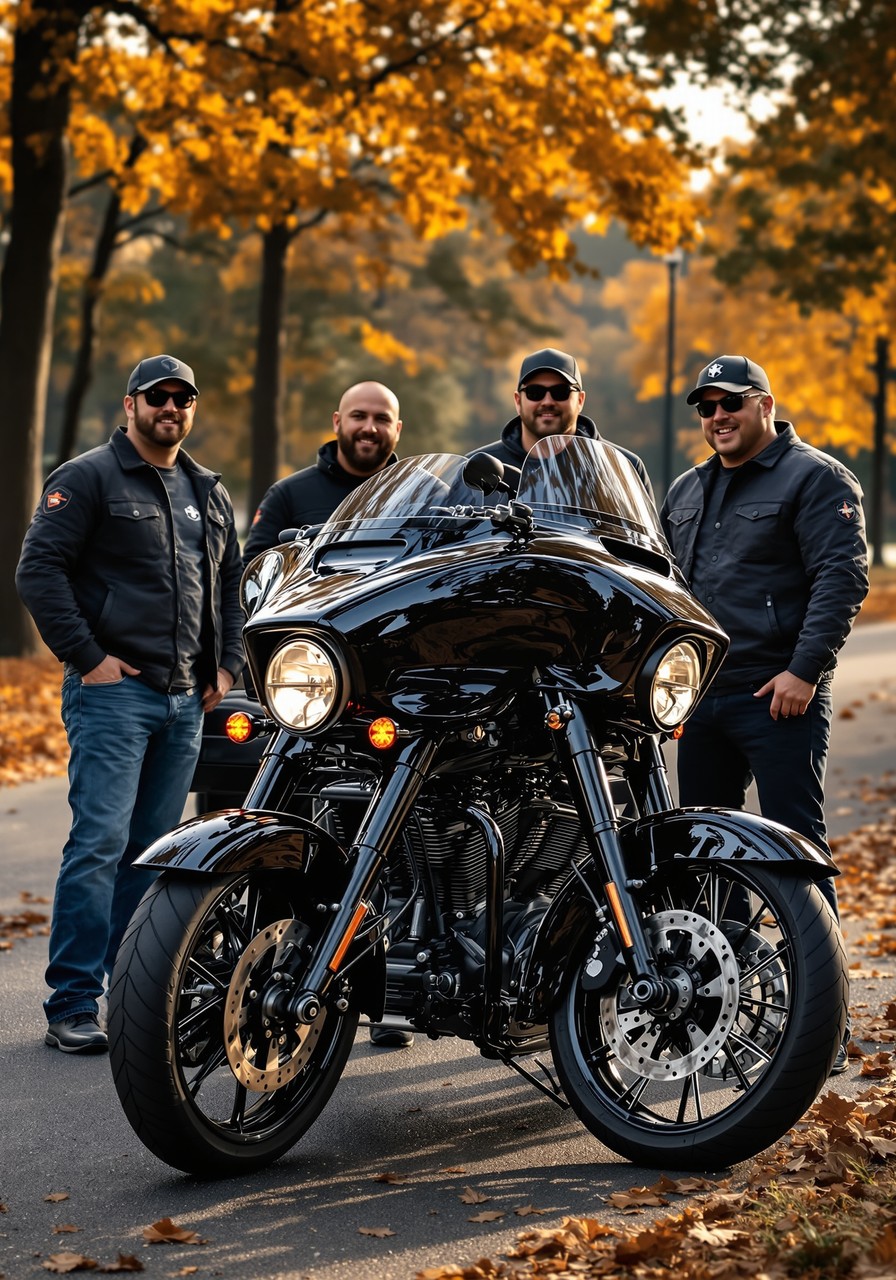
Giveaway & Countdown
Mark your calendar: December 10, one rider takes home $20,000. Getting entered is free and easy. Call Moebes Law at (404) 354-5432 today. #RideNationGA #BikersWin #20kGiveaway
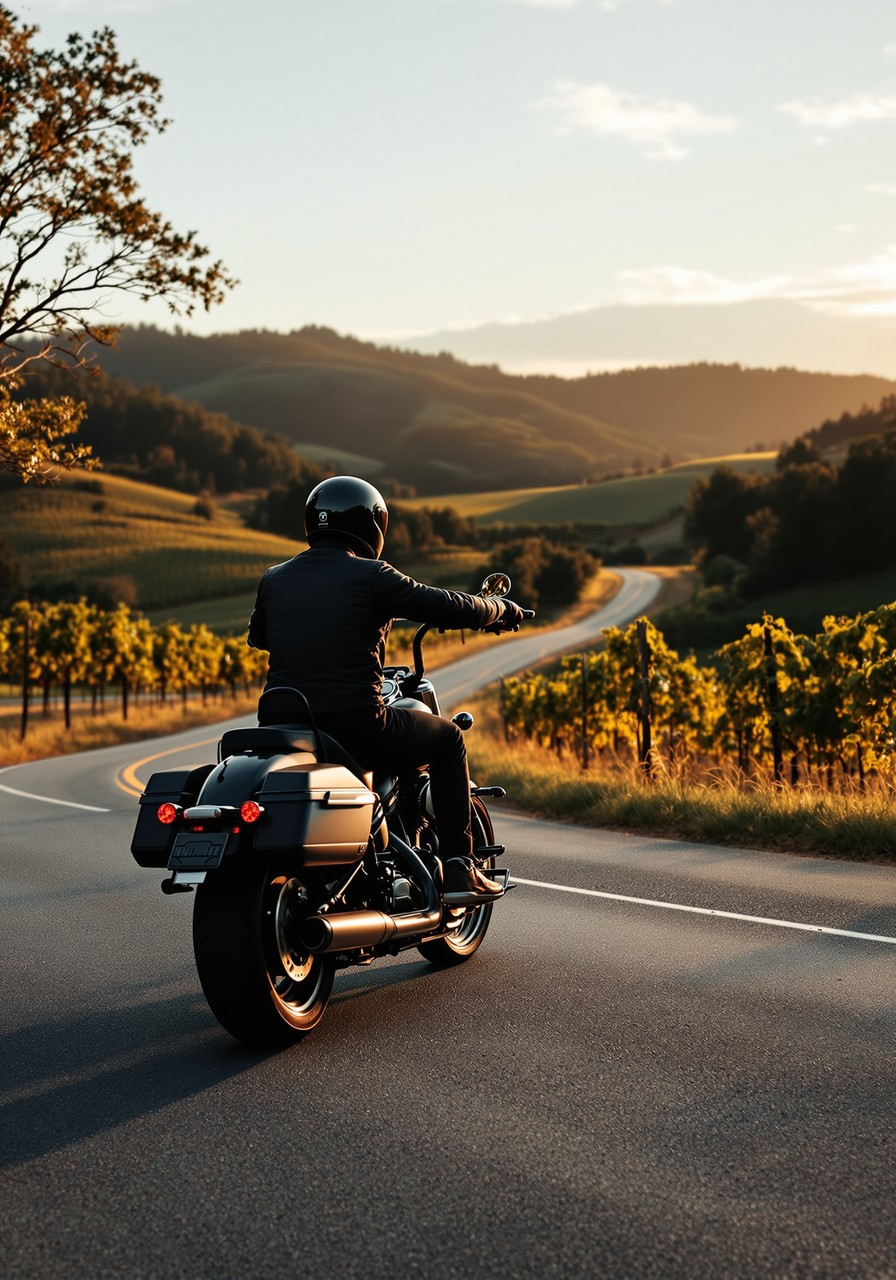
Local Georgia & Rides
A Lake Lanier loop is the perfect after-work escape for metro riders. Easy pace, water views, and you are home before the afternoon storms roll in. #RideNationGA #LakeLanier #AtlantaRiders #GeorgiaRiding
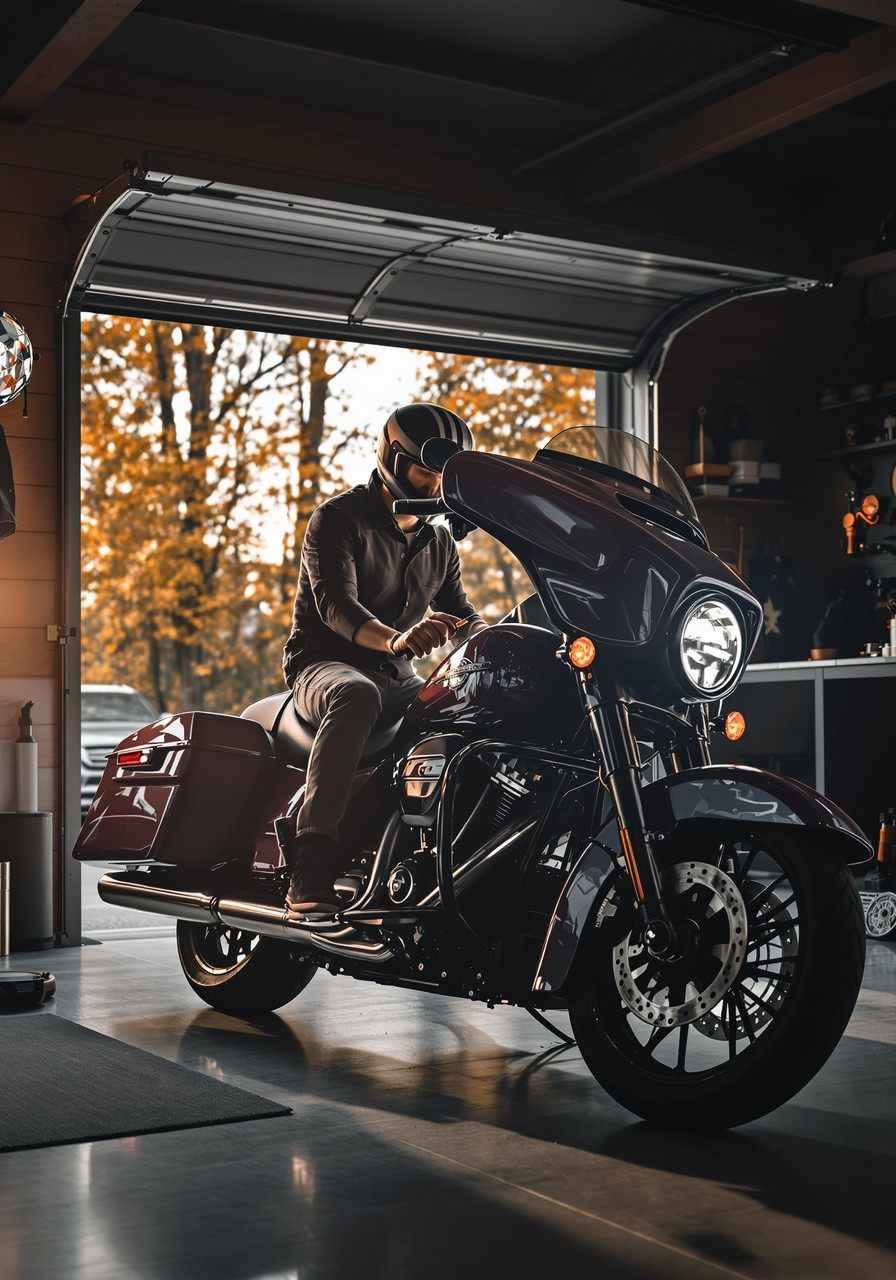
Gear & New Iron
Heated grips are a small farkle with a big payoff on those crisp Blue Ridge mornings. Warm thumbs, happy rider. #RideNationGA #NorthGeorgia #Farkles
Safety & Georgia Law
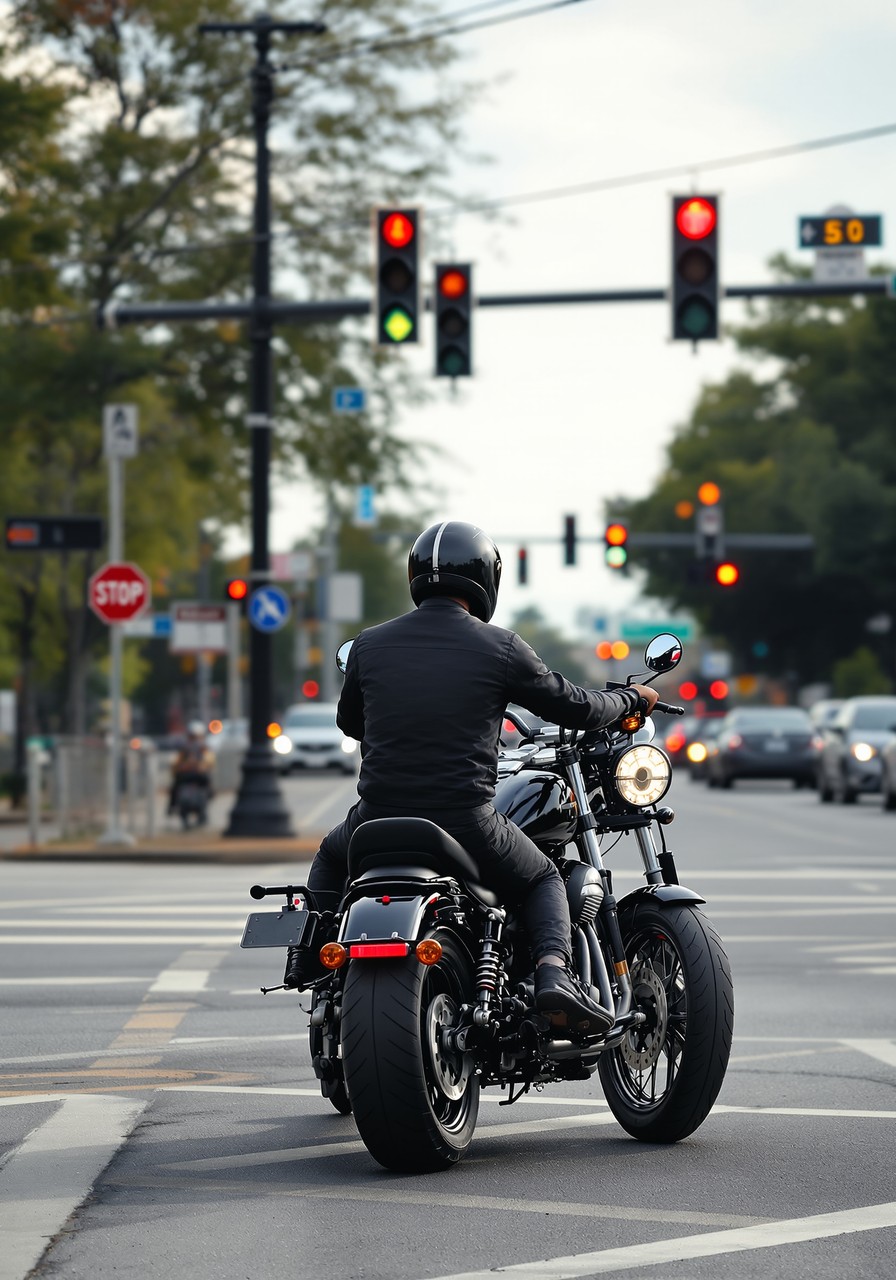
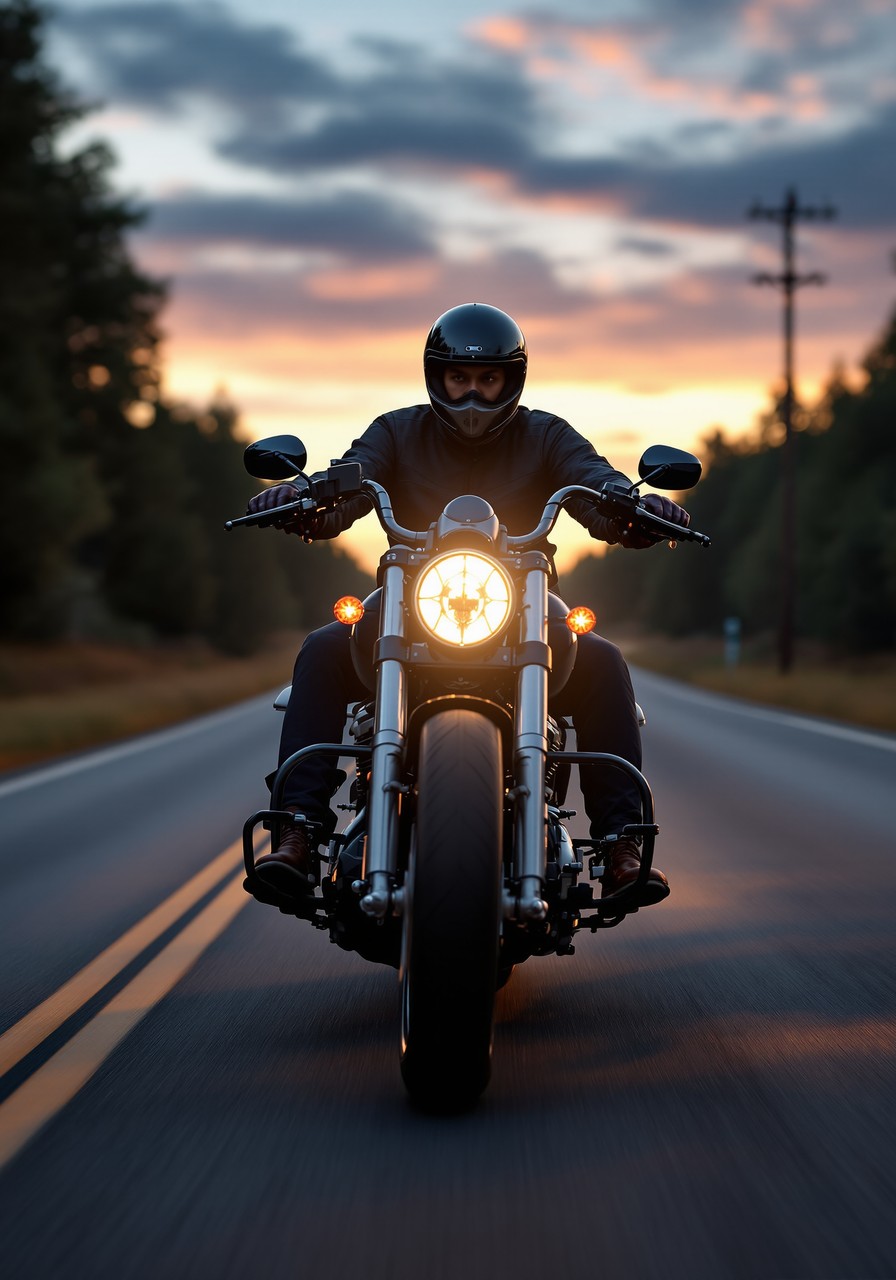
Cover your brakes as you roll up to every intersection. That half-second head start is everything. #RideNationGA #RideSafe #Intersections
Engagement
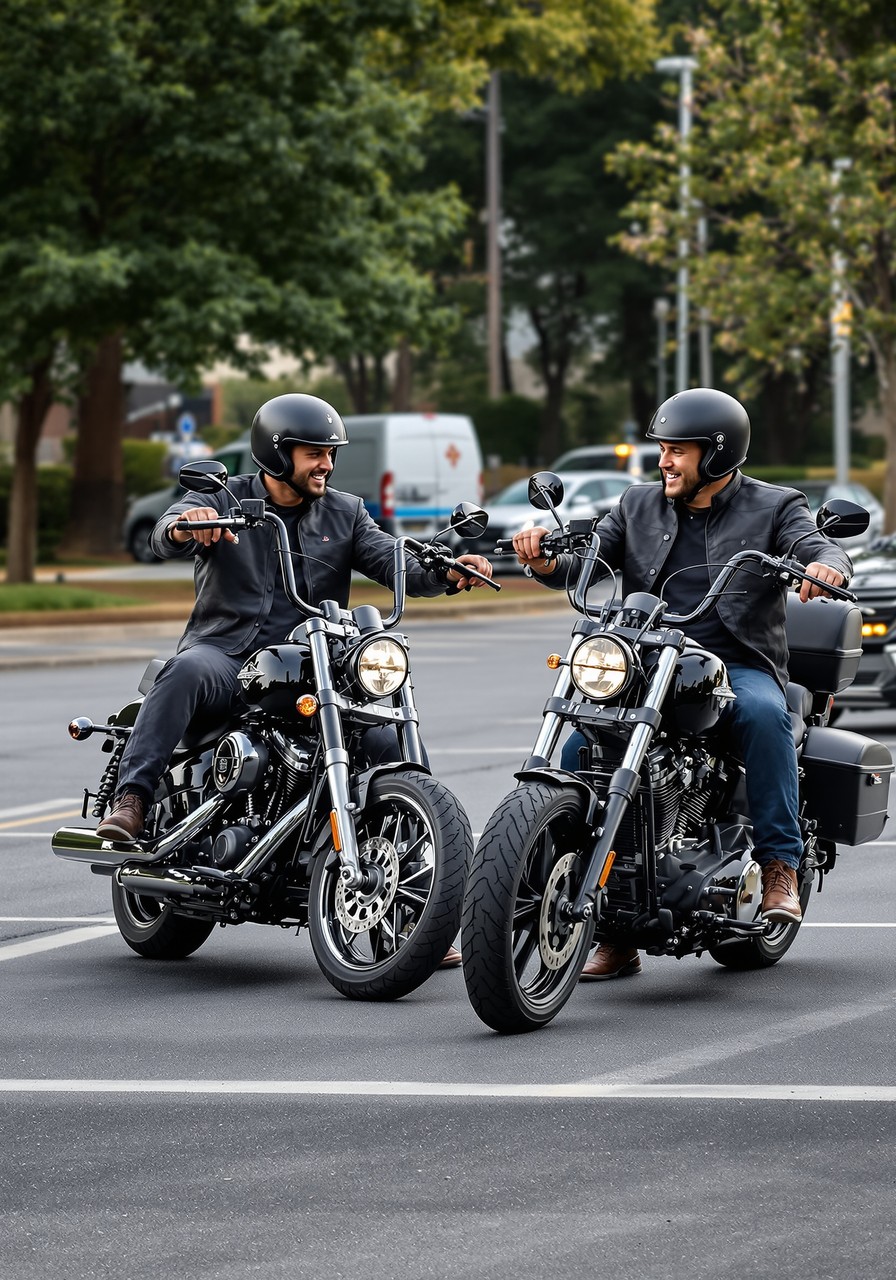
Rider confession: I check the afternoon storm radar more than my texts in summer. Anyone else? #RideNationGA #AtlantaRiders #GAweather
Giveaway & Countdown
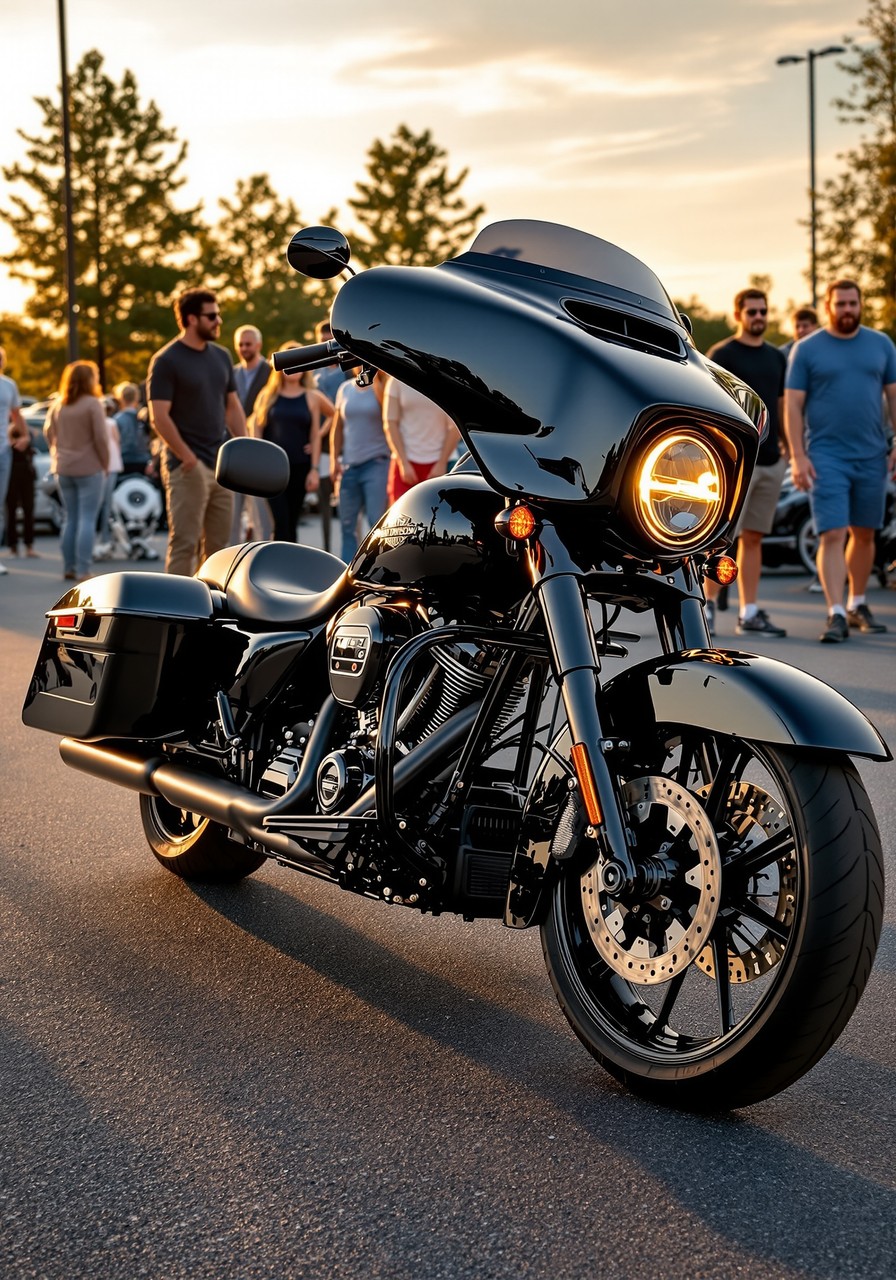
Don't let the deadline pass you by. The BikersWin $20,000 giveaway draws December 10 and free entry is one conversation away. Ring (404) 354-5432. #RideNationGA #20kGiveaway #BikersWin
Local Georgia & Rides
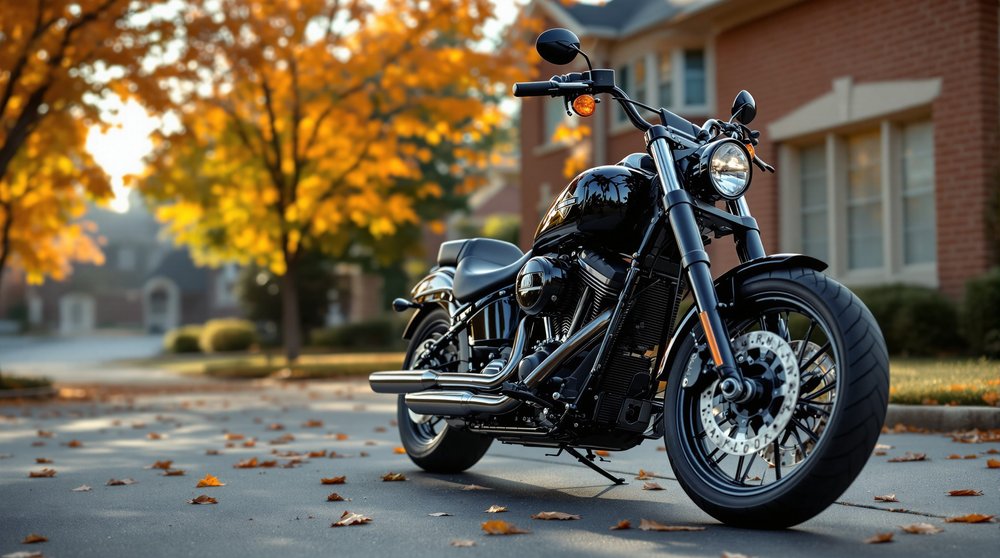
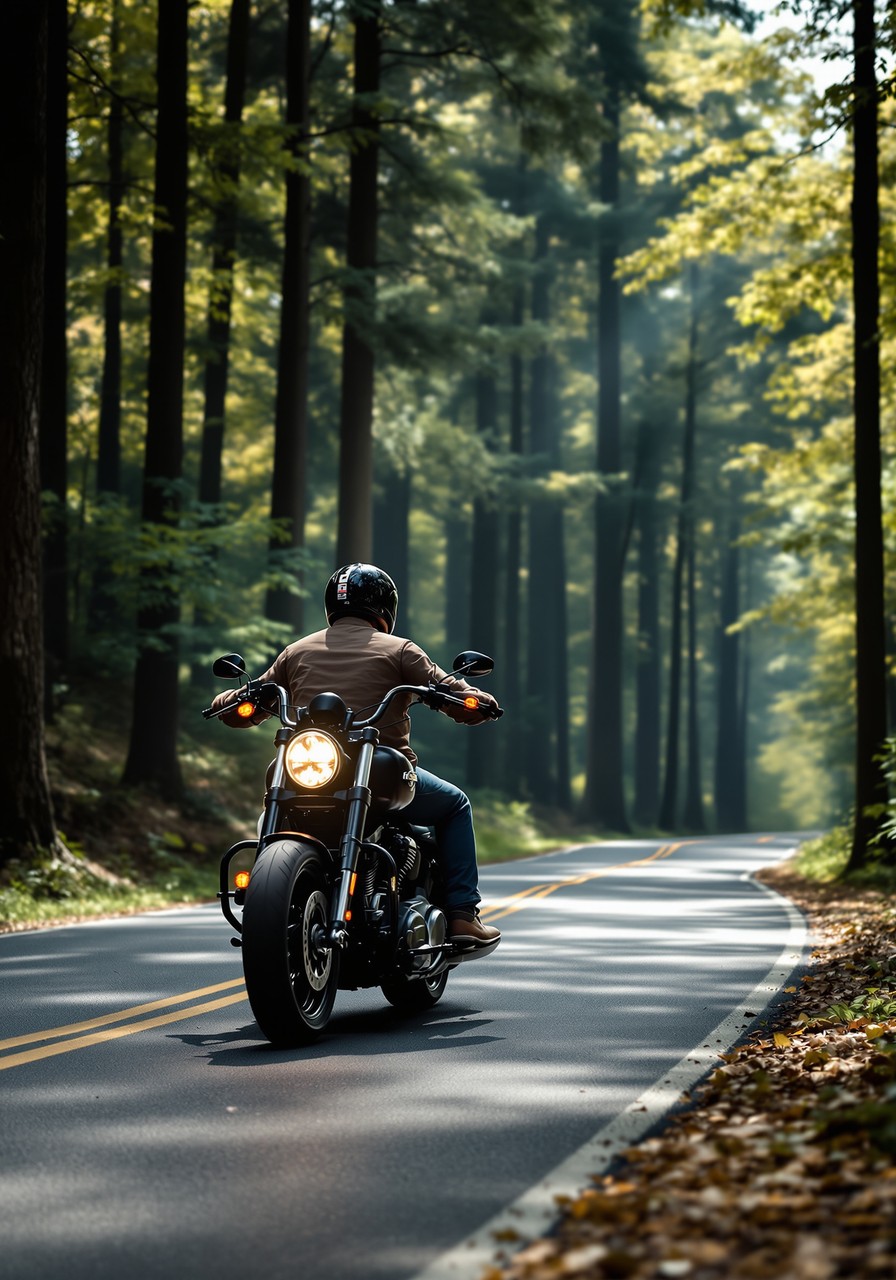
Fall foliage season in North Georgia is short and glorious. Peak color usually hits the higher elevations first, so ride the mountains before it drops to the foothills. #RideNationGA #FallFoliage #NorthGeorgia #BrasstownBald
Gear & New Iron
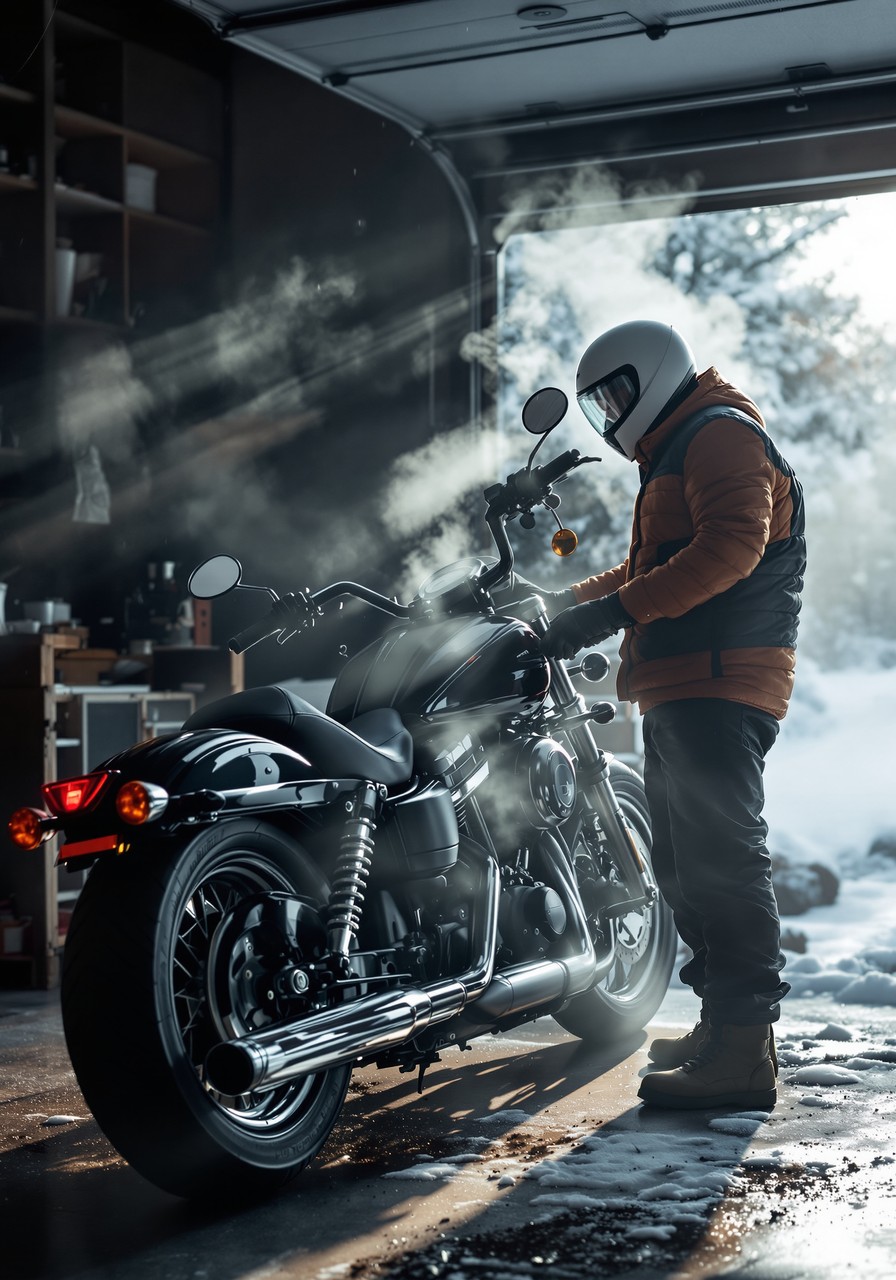
Rain gear lives under my seat year round. Georgia weather changes its mind fast and dry beats sorry every time. #RideNationGA #RideSafe #MotorcycleGear
Safety & Georgia Law
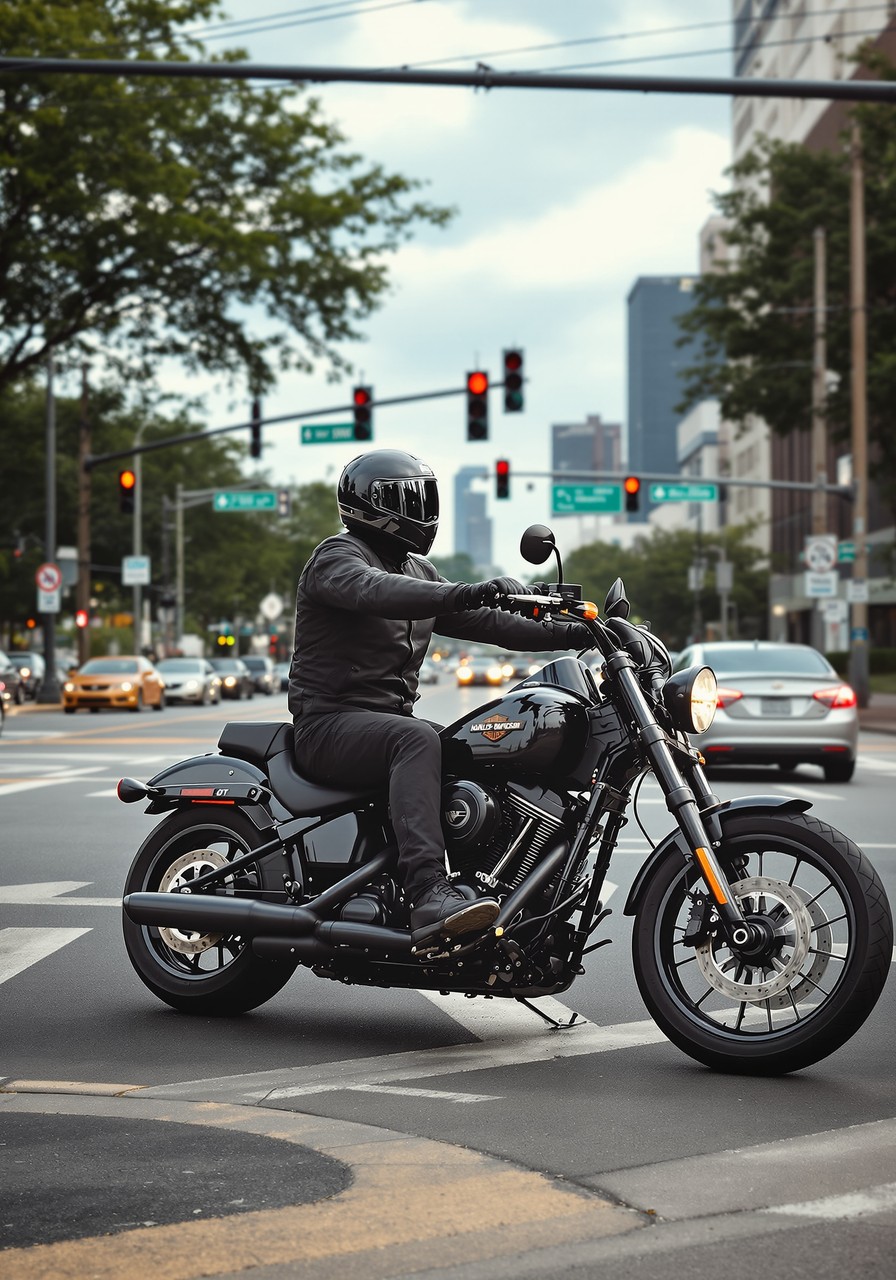
SMIDSY: Sorry Mate, I Didn't See You. Assume the left-turning driver hasn't, and plan your out. Ride like you're invisible. #RideNationGA #RideSafe #LeftTurnAware
Engagement
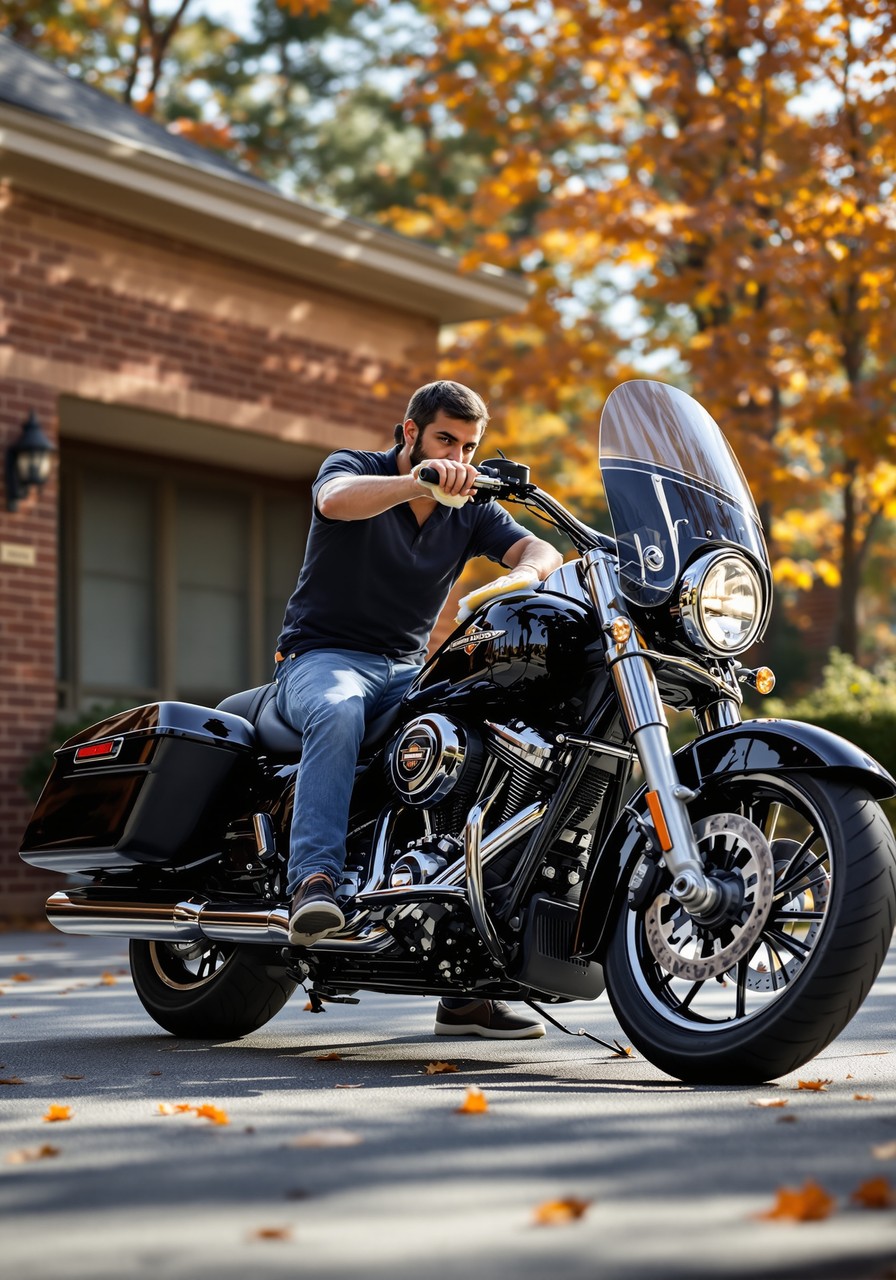
This or that: twisties of GA-180 through Wolf Pen Gap or a smooth cruise up US-19? Pick your poison. #RideNationGA #WolfPenGap #NorthGeorgia
Giveaway & Countdown
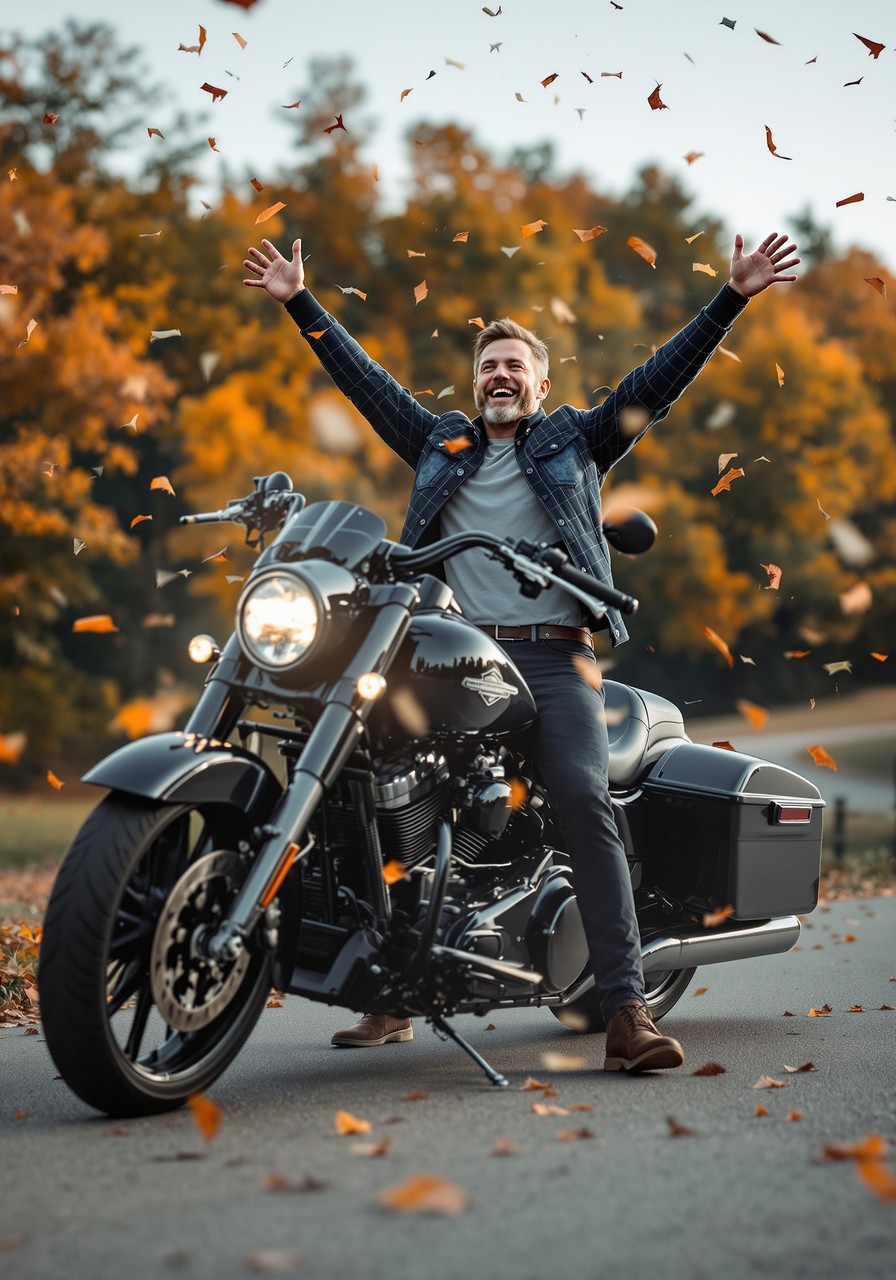
Every rider who talks to Colonel Moe about a crash gets a free shot at $20,000. That's the BikersWin giveaway. See how it works at moelaw.com. #RideNationGA #BikersWin #20kGiveaway
Local Georgia & Rides
Suches sits at over 3,000 feet, the highest incorporated community in Georgia. That elevation means cool summer riding when the metro is baking. Layer up and enjoy the mountain air. #RideNationGA #Suches #NorthGeorgia #MountainRiding
Gear & New Iron
Your helmet has a shelf life. If it's pushing five to seven years or ever took a hit, it's done its job and earned retirement. #RideNationGA #ATGATT #HelmetCheck
Safety & Georgia Law
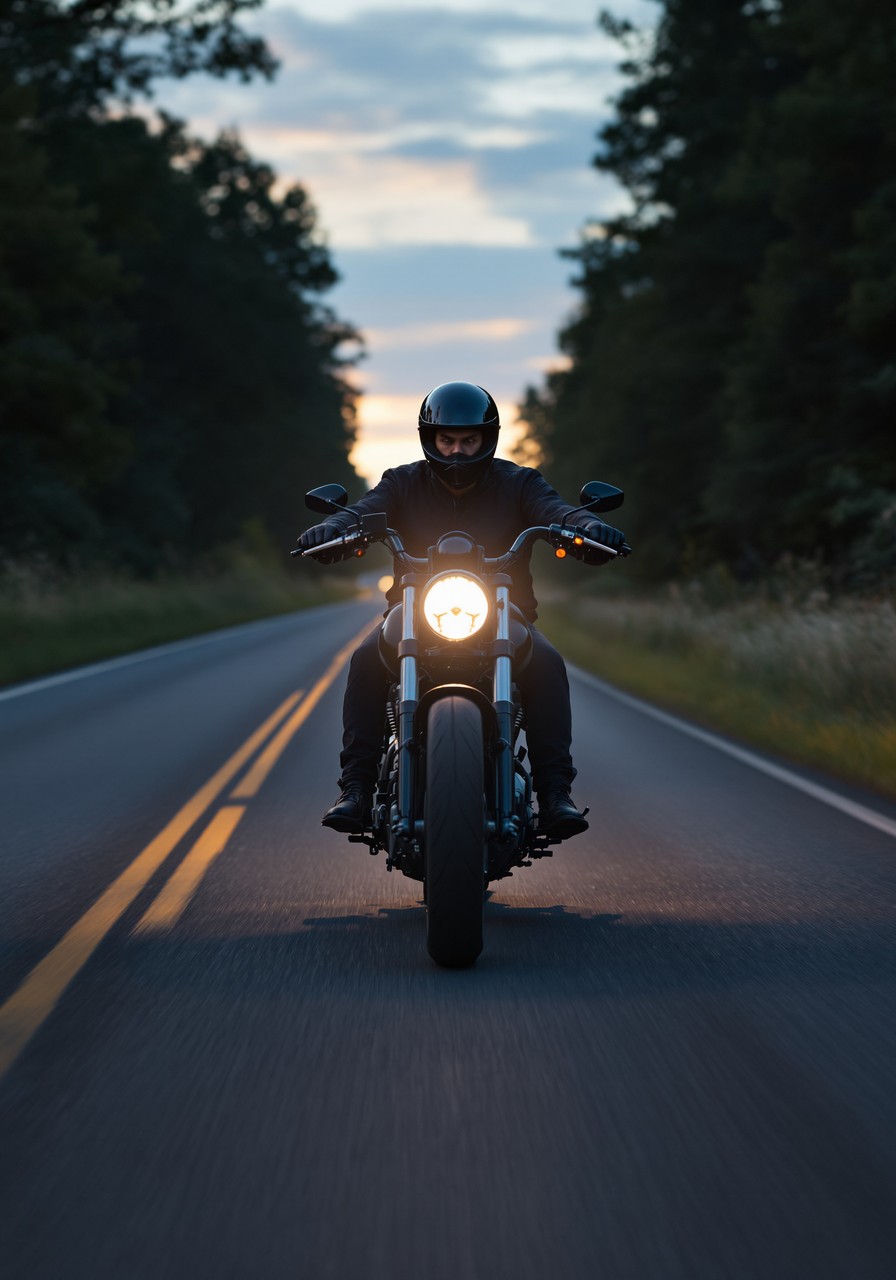
Night riding is all about conspicuity. Clean your visor, add reflective gear, and give yourself more following distance. #RideNationGA #RideSafe #NightRide
Engagement
Fill in the blank: The best snack stop in Helen is ______. Settle this for us. #RideNationGA #Helen #NorthGeorgia
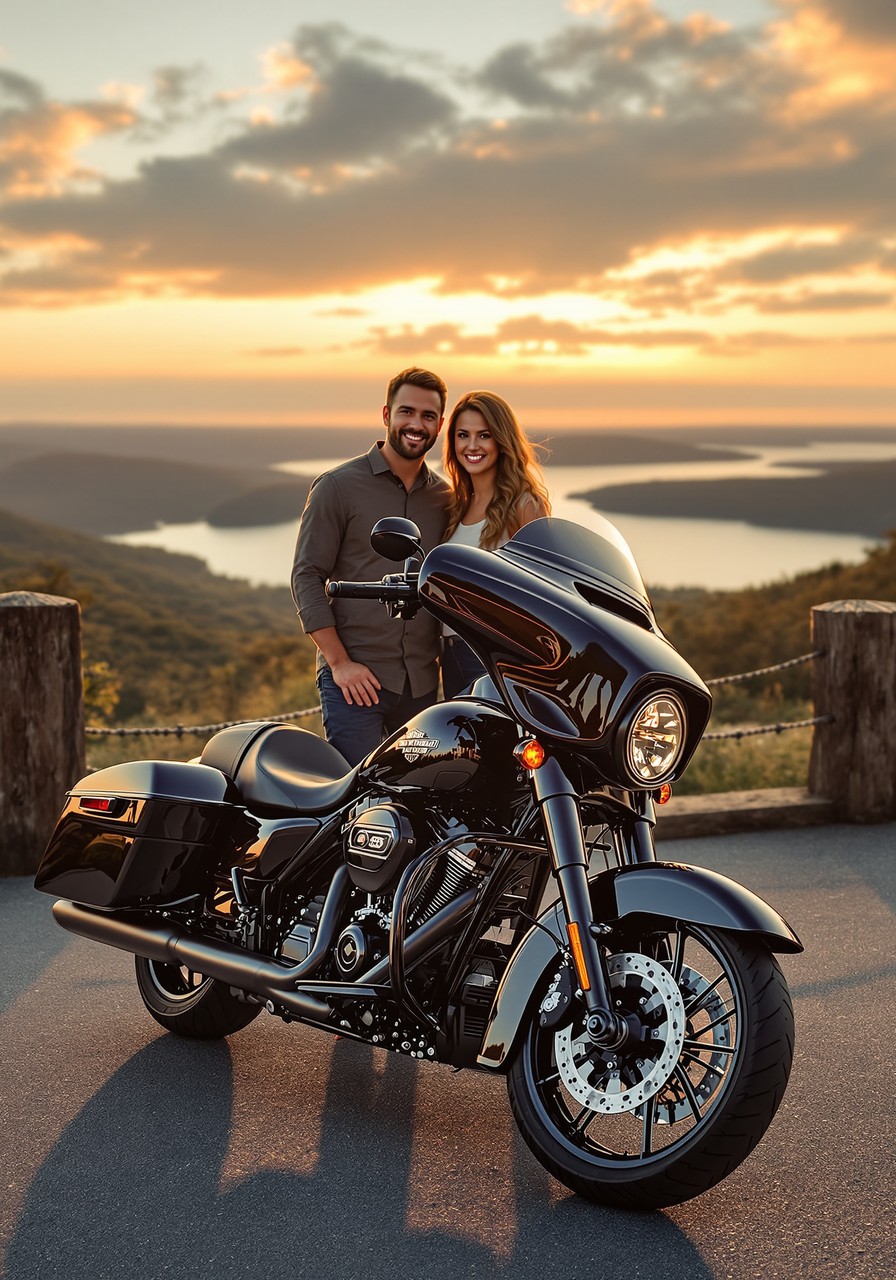
Giveaway & Countdown
North Georgia, the excitement is building. $20K, one motorcycle-riding winner, drawn December 10. Call Moebes Law at (404) 354-5432 to lock in your free entry. #RideNationGA #20kGiveaway #BikersWin
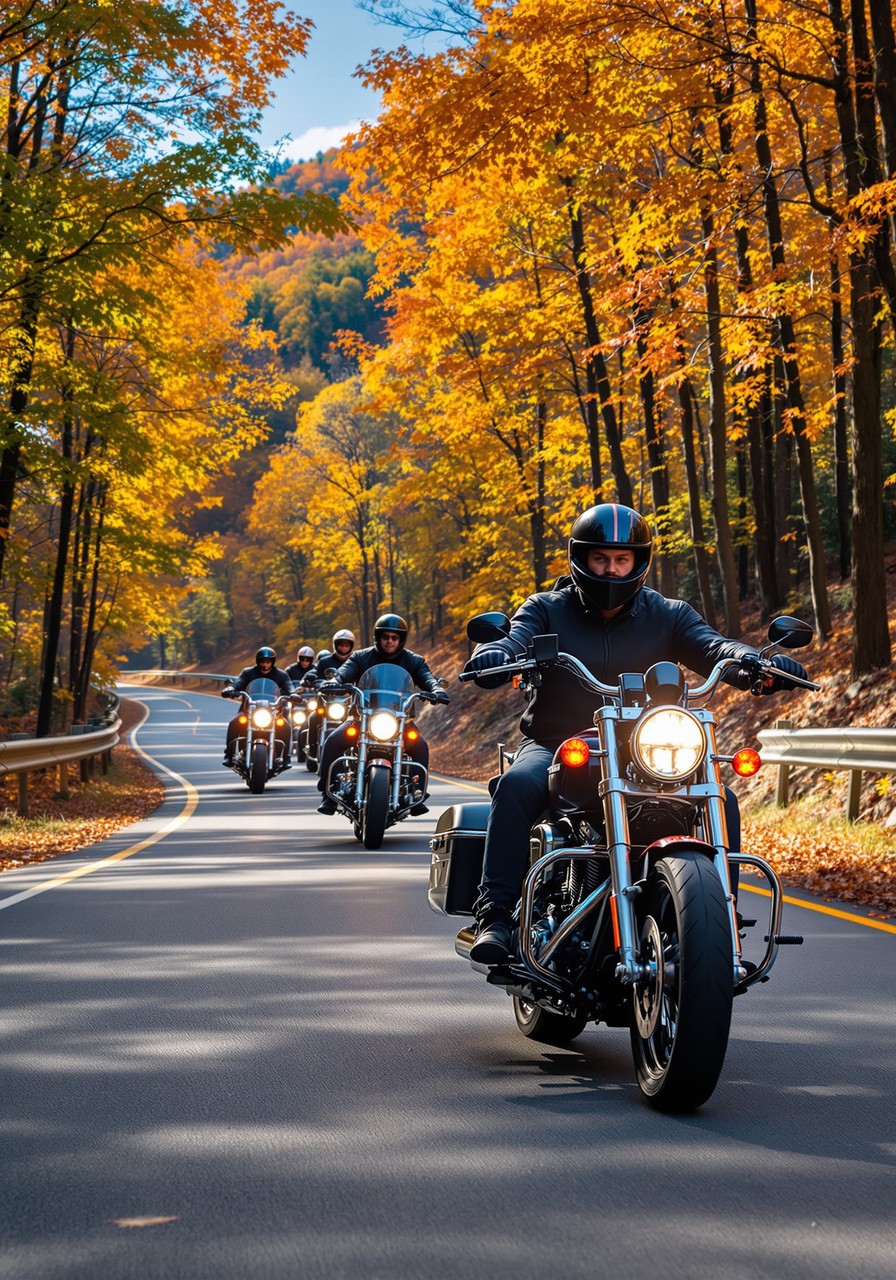
Local Georgia & Rides
The three-gap loop out of Dahlonega links Neel, Jack, and Woody gaps into one unforgettable day. Coffee in town, curves in the mountains, and dinner back on the square. #RideNationGA #Dahlonega #NorthGeorgia #ThreeGap
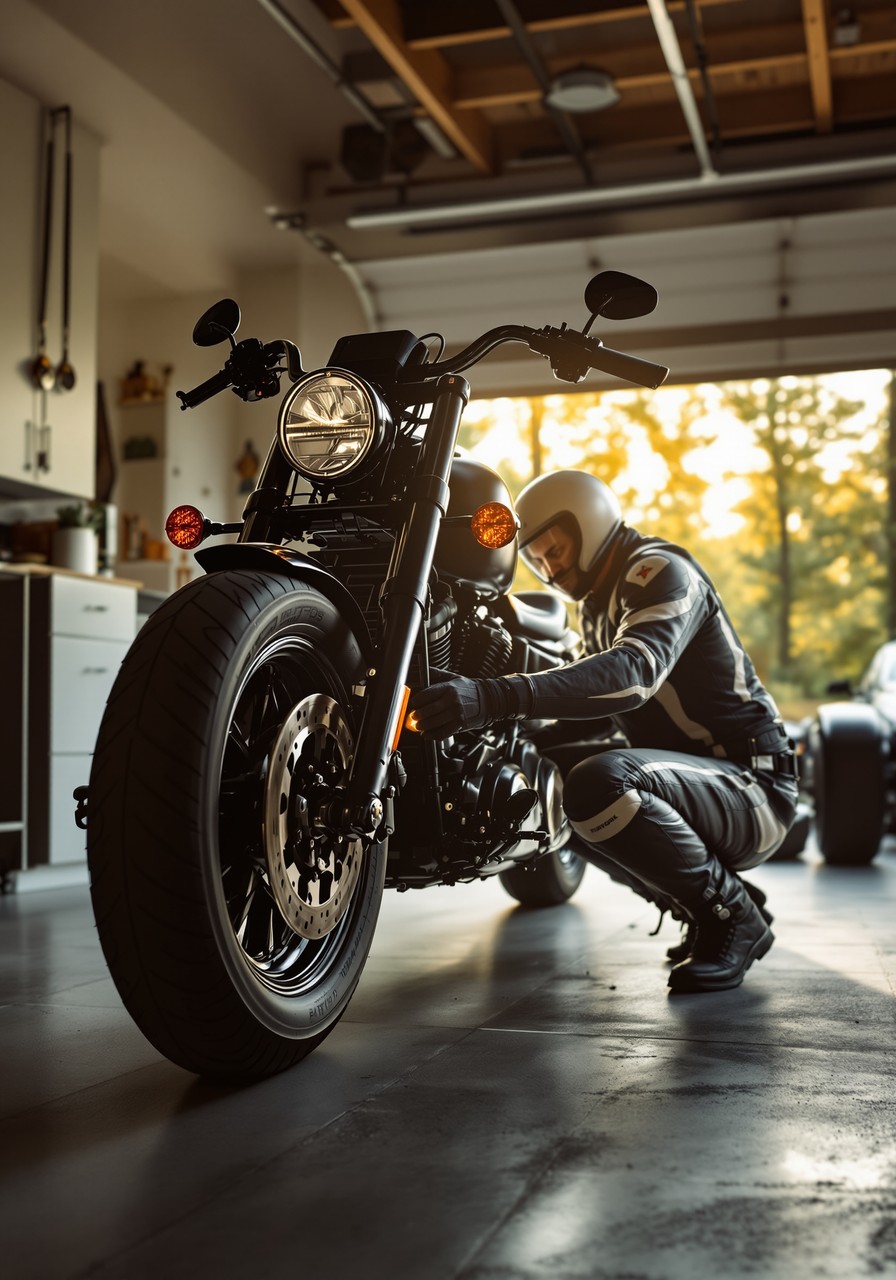
Gear & New Iron
Armored riding jeans changed the game for around-town rides. Looks like denim, works like gear. #RideNationGA #GearUp #RideSafe
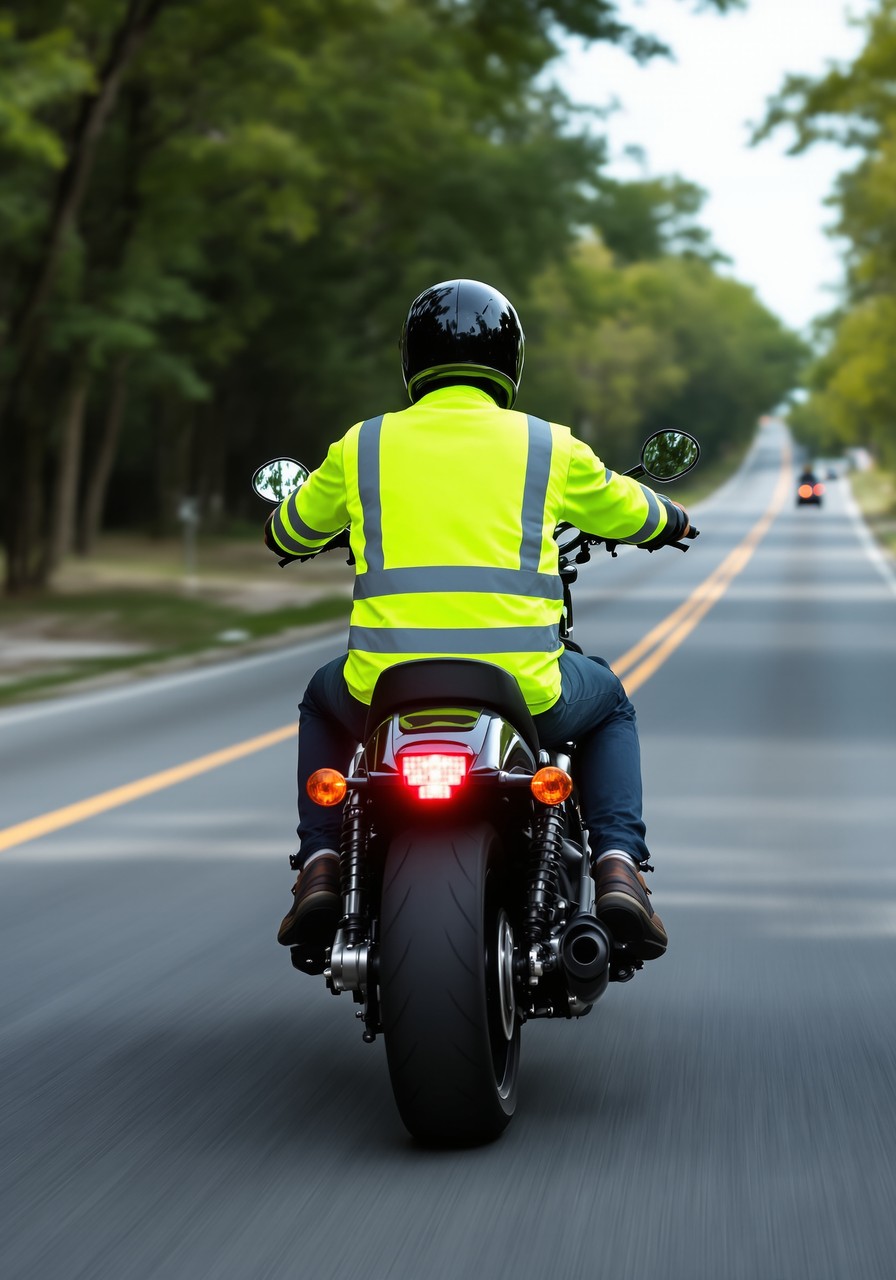
Safety & Georgia Law
Rain changes everything on two wheels, and bridges hold black ice long after the road clears. Slow your entry and stay smooth. #RideNationGA #RideSafe #WetRoads
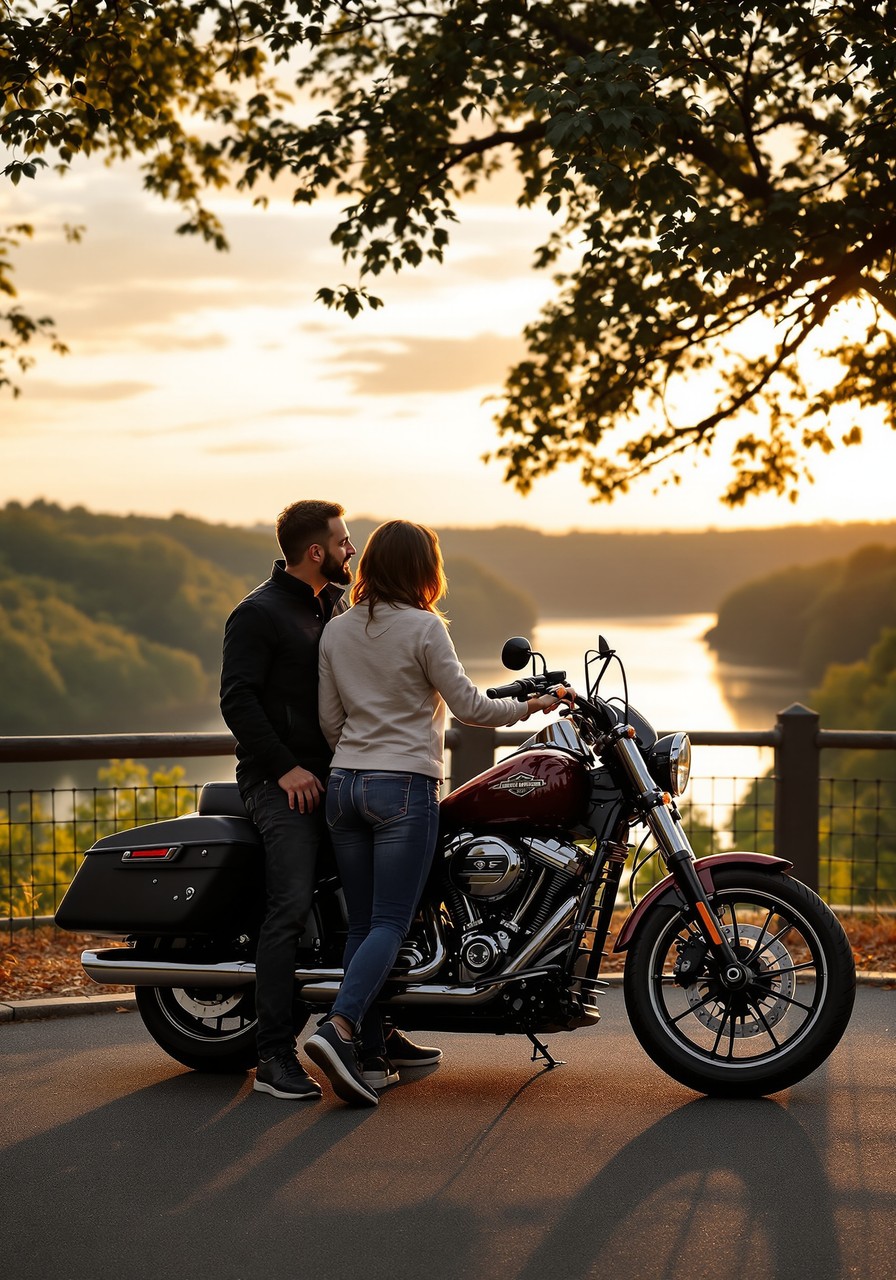
Engagement
Tag a buddy you would trust to lead a group ride and one you absolutely would not. No names needed, they know. #RideNationGA #AtlantaRiders #NorthGeorgia
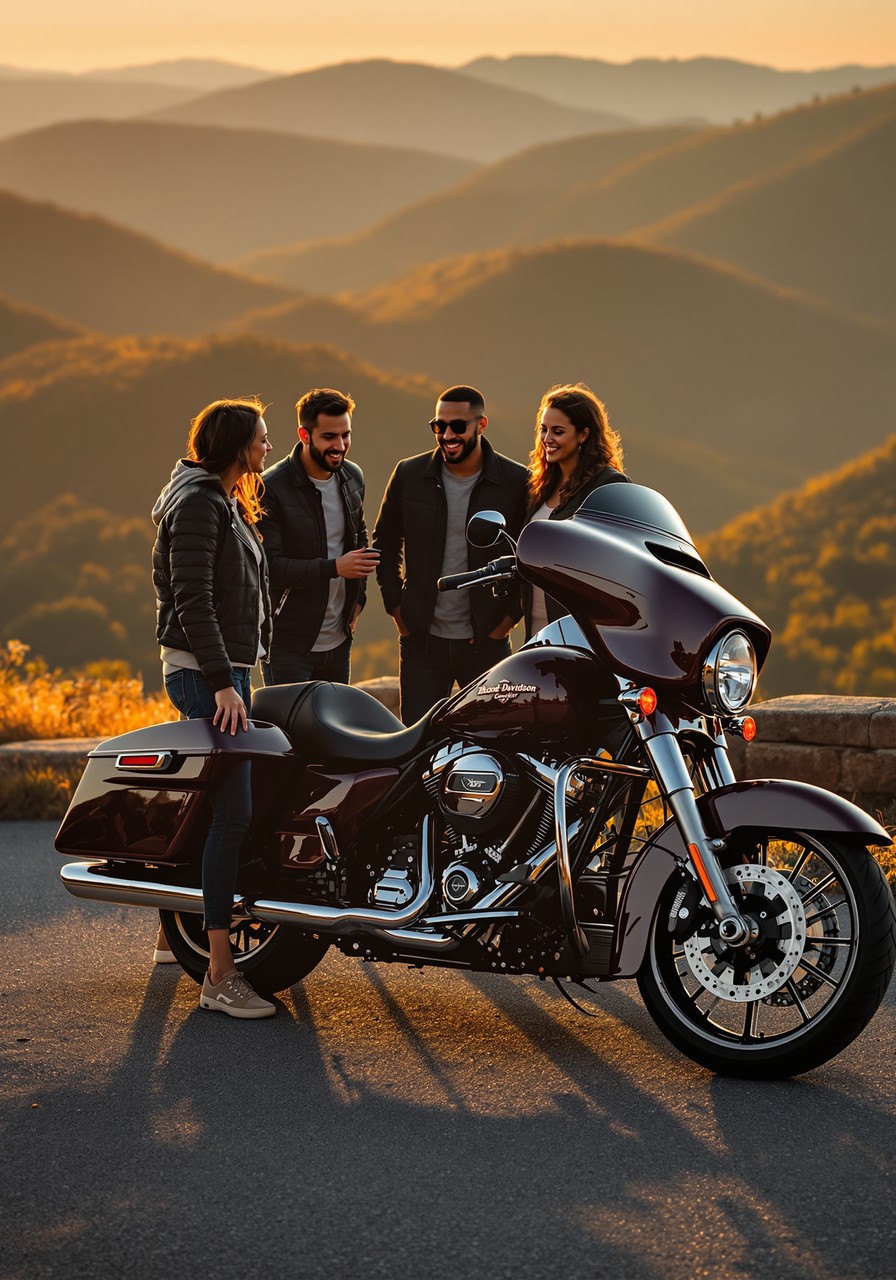
Giveaway & Countdown
Free to enter. Big to win. The BikersWin $20,000 motorcycle giveaway is open now to riders who talk to us about a crash. Details at moelaw.com. #RideNationGA #BikersWin #20kGiveaway
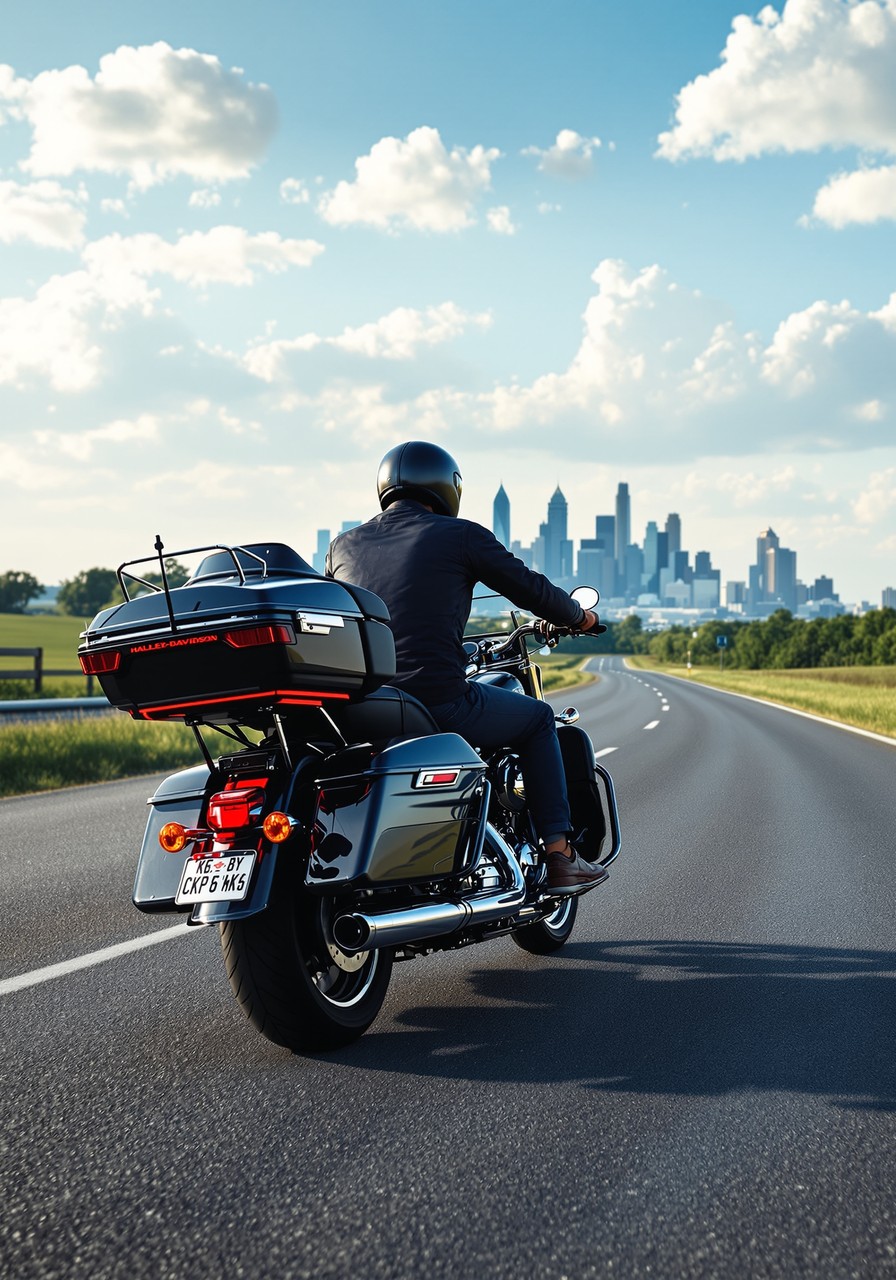
Local Georgia & Rides
Wolf Pen Gap after a summer rain smells like the whole forest woke up. Just watch for wet leaves and gravel washed into the corners. Ride your own pace. #RideNationGA #WolfPenGap #Suches #NorthGeorgia
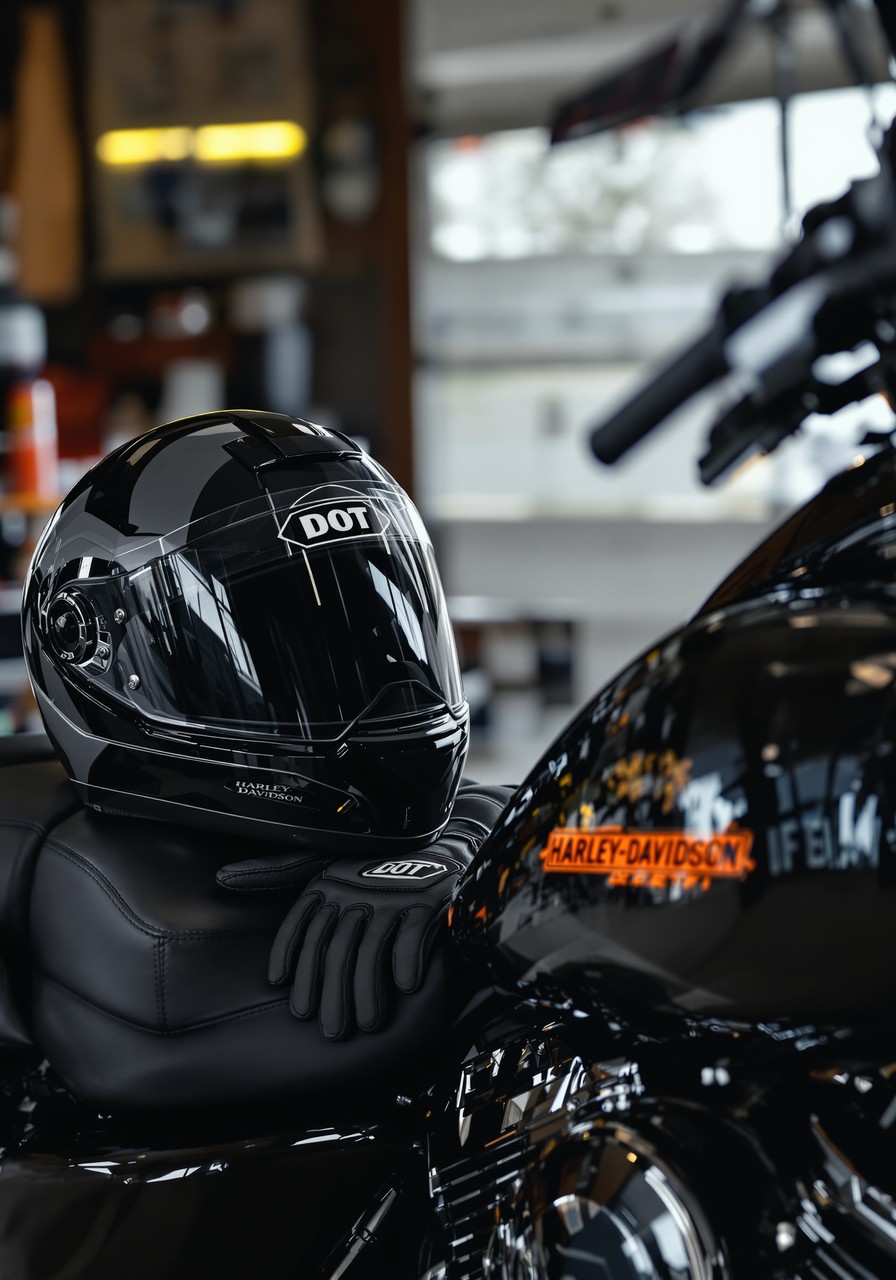
Gear & New Iron
Fresh brake pads before spring means every ride starts on a strong note. Check them now, thank yourself in April. #RideNationGA #MotoMaintenance #SpringRiding
Safety & Georgia Law
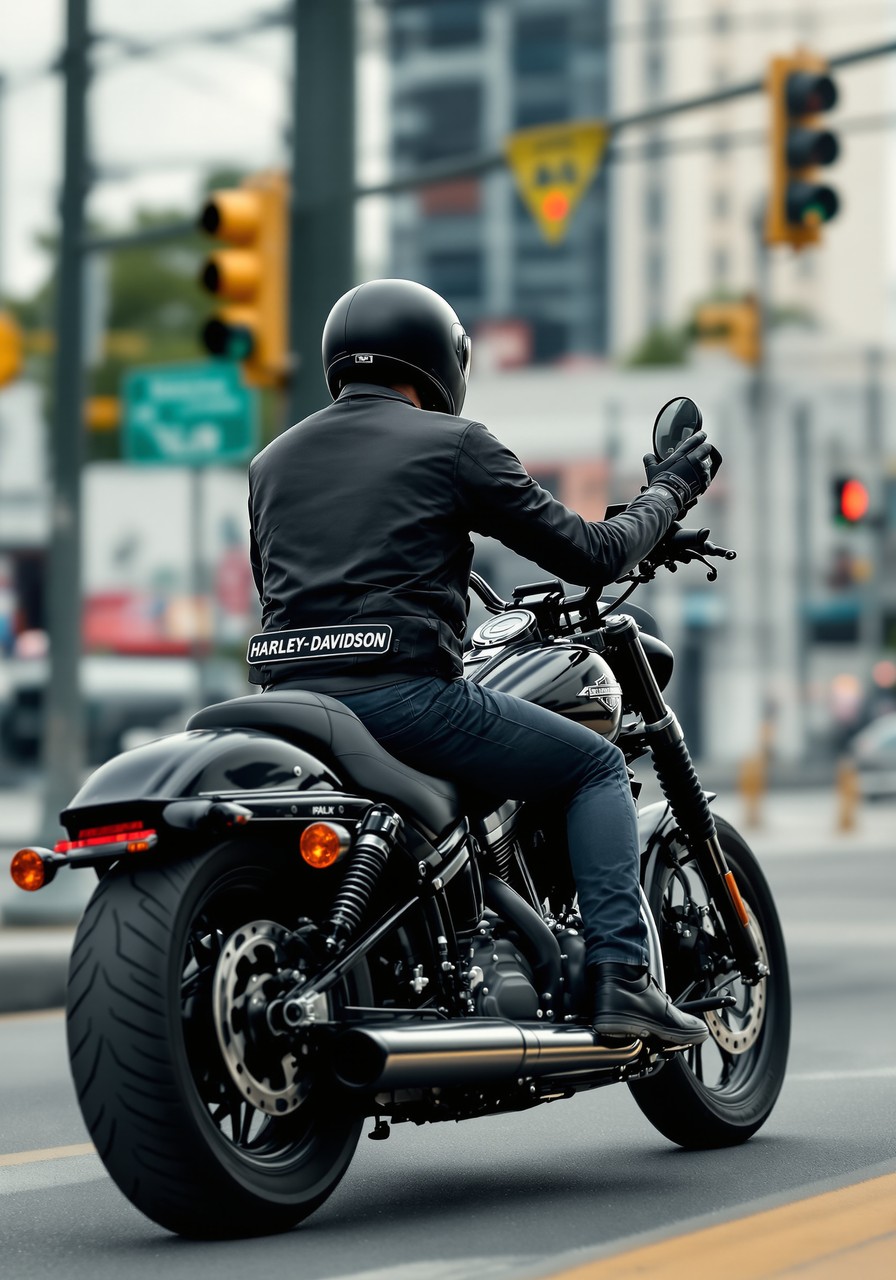
Deer season is here across North Georgia. Dawn and dusk are the danger windows, so scan the shoulders and ease off the throttle. #RideNationGA #RideSafe #DeerSeason
Engagement
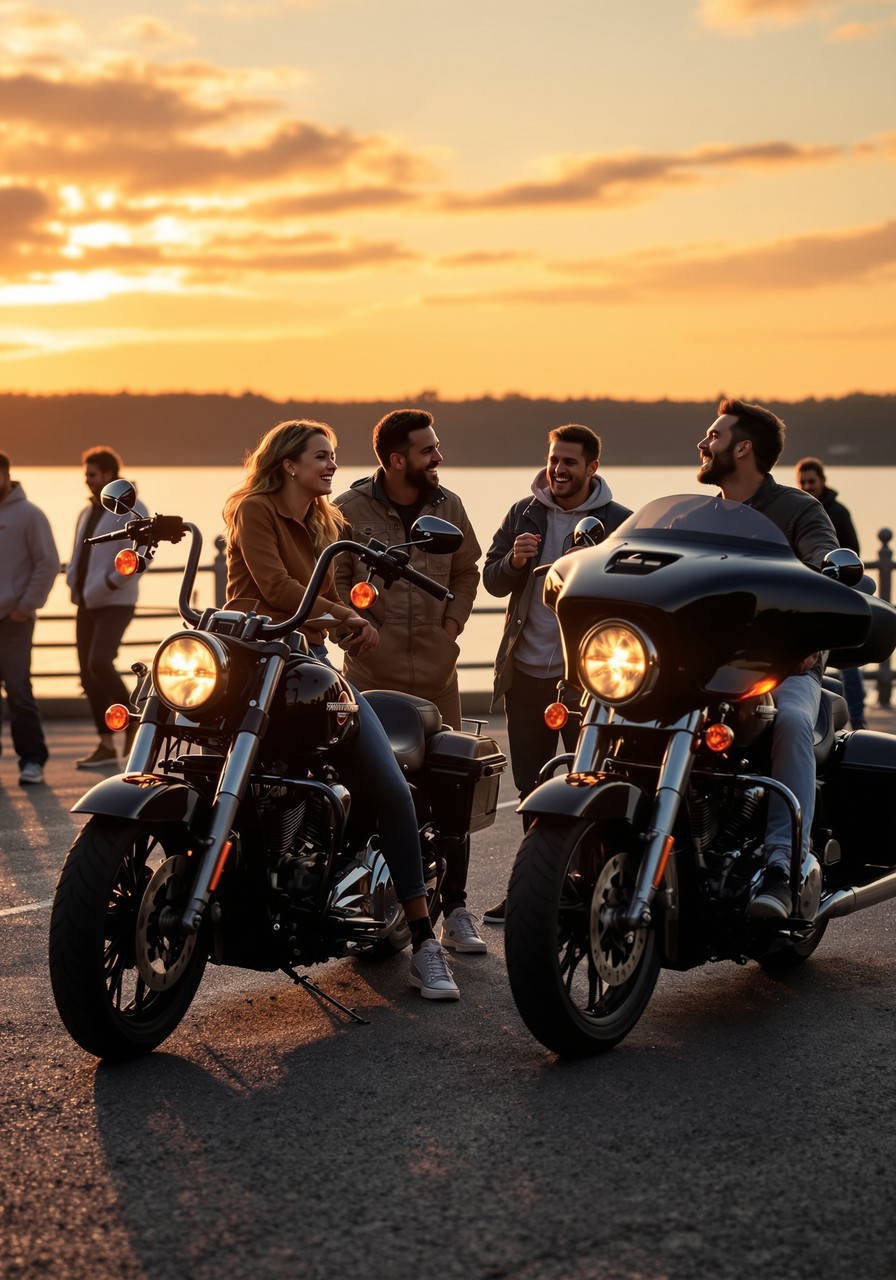
Caption this: you rounding a curve on GA-348 and the whole valley opens up below you. #RideNationGA #GA348 #NorthGeorgia
Giveaway & Countdown
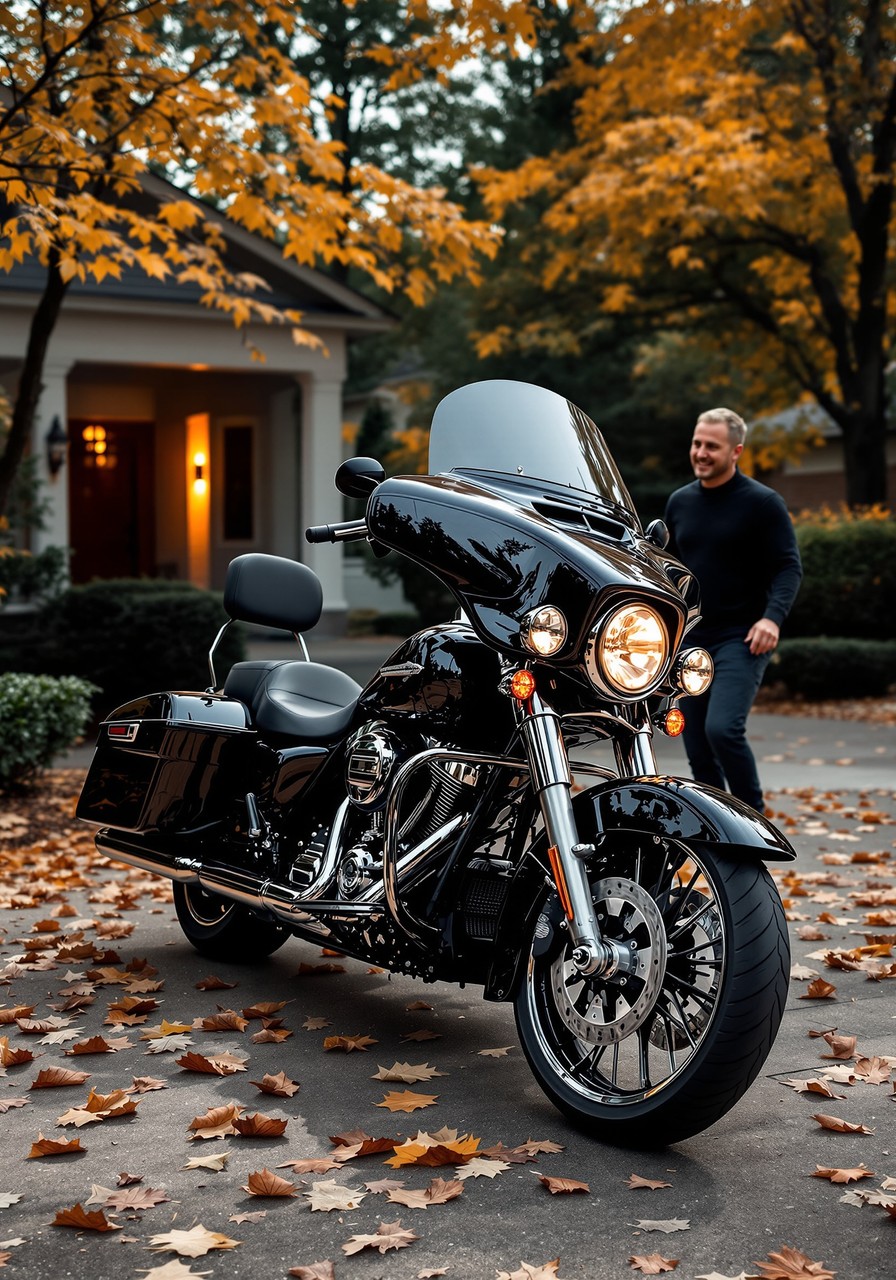
Reminder for every rider in the metro: you could be entered in the $20K giveaway right now. Call Moebes Law at (404) 354-5432 to ask about your free entry. #RideNationGA #20kGiveaway #BikersWin
Local Georgia & Rides
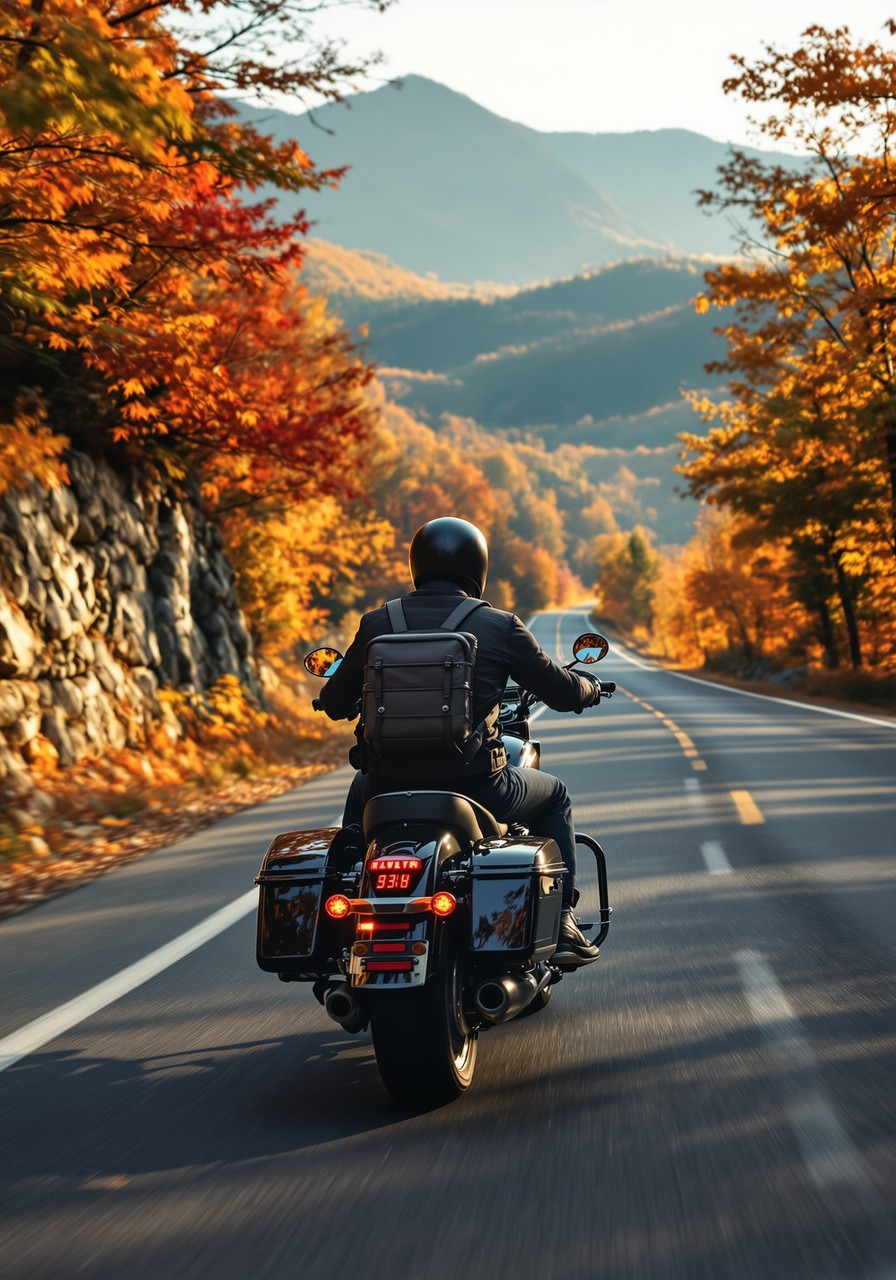
GA-400 gets you out of the metro fast, but the real reward starts once you exit toward the mountains. Trade six lanes for two and let the elevation climb. #RideNationGA #GA400 #AtlantaRiders #NorthGeorgia
Gear & New Iron
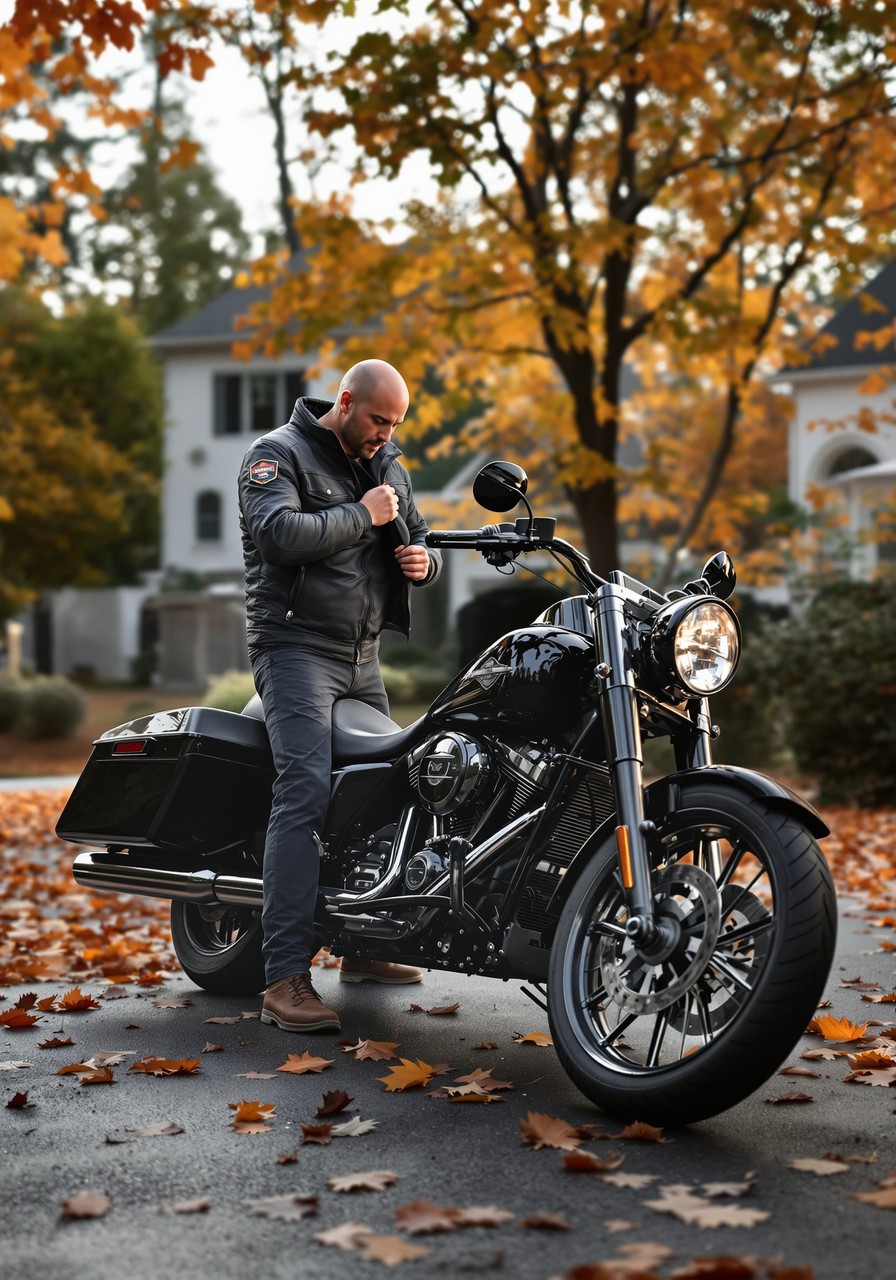
A quick pre-ride once-over takes two minutes: tires, lights, oil, chain, brakes. T-CLOCS it and roll out easy. #RideNationGA #RideSafe #PreRideCheck
Safety & Georgia Law
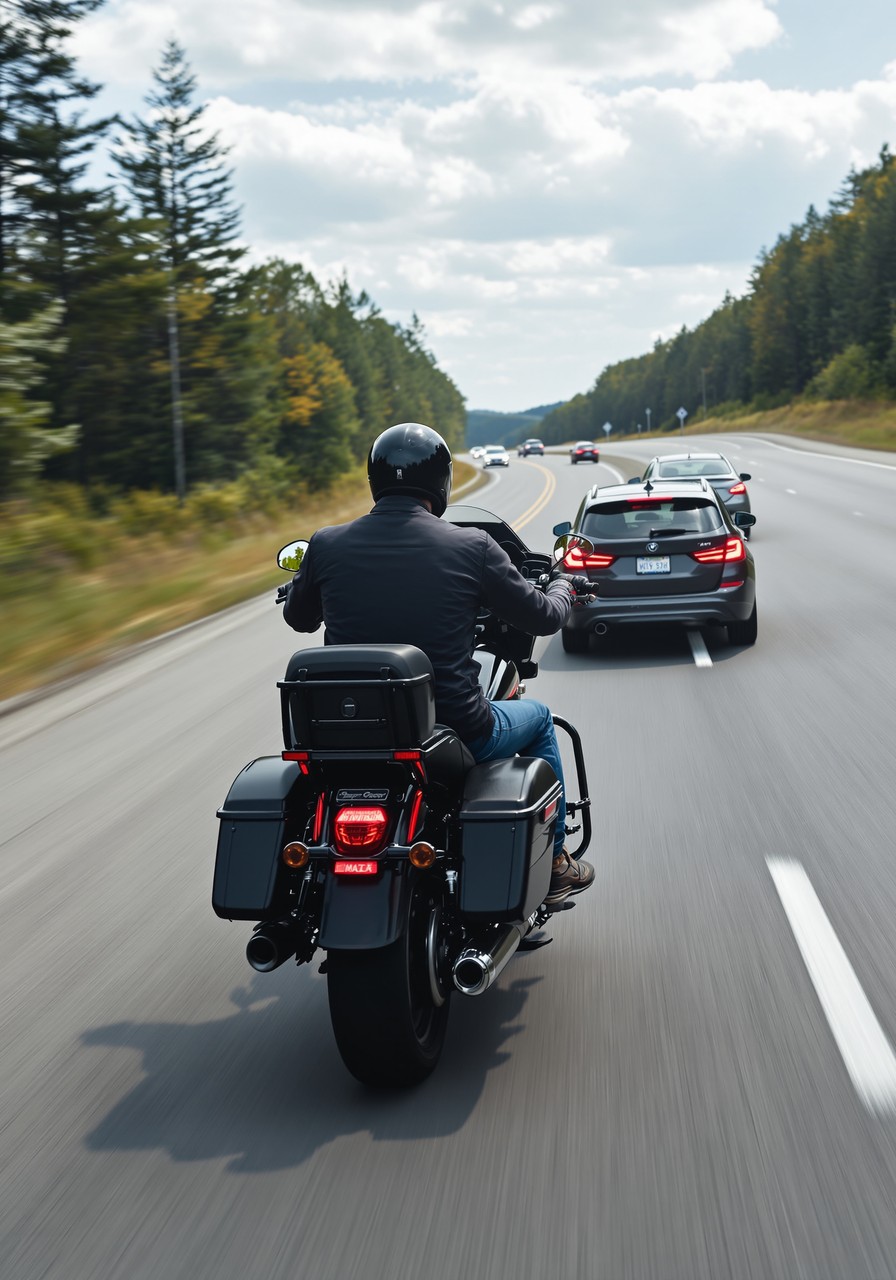
Atlanta traffic rewards a cushion of space. On the Perimeter, the Downtown Connector, and GA-400, buy yourself room to react. #RideNationGA #RideSafe #ATLtraffic
Engagement
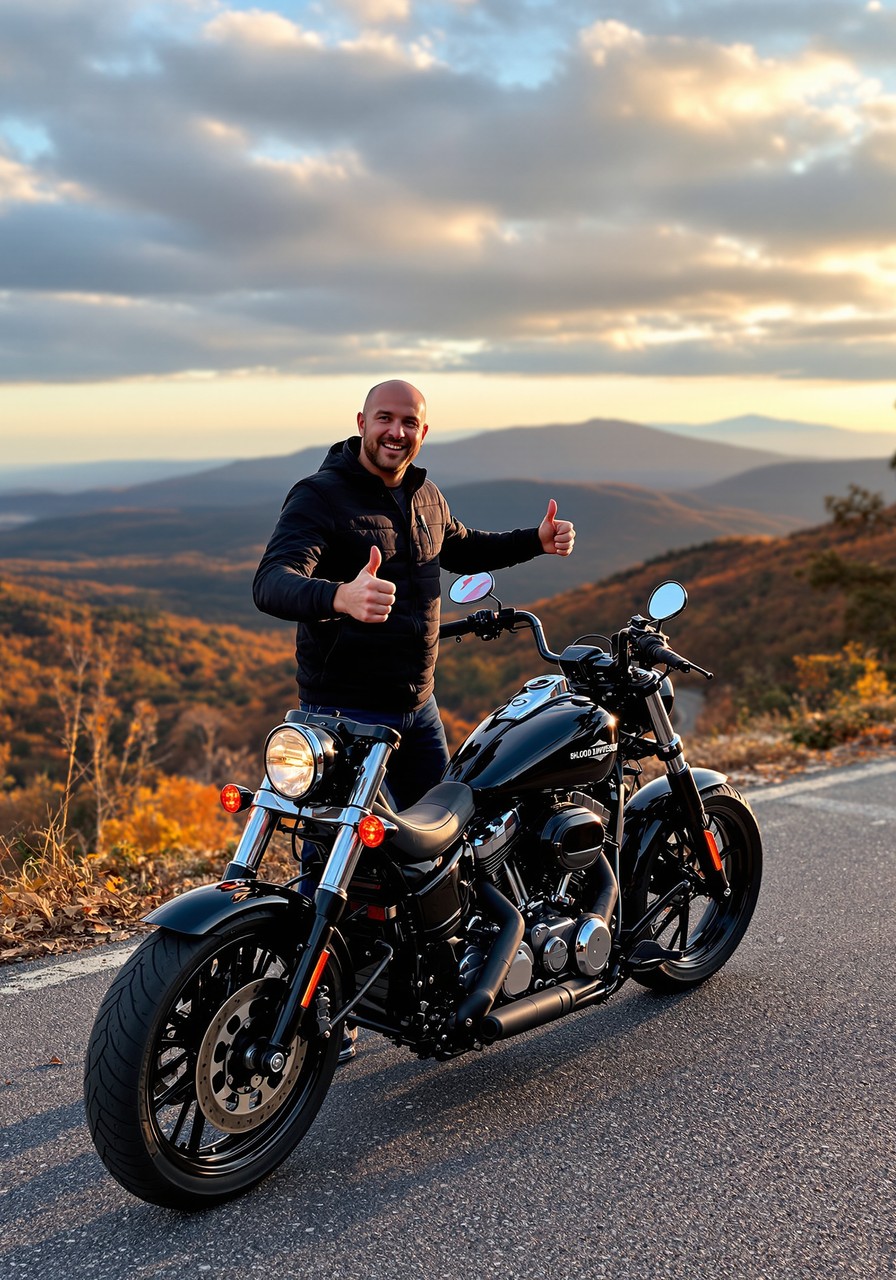
Poll: Tallulah Gorge overlook stop, yes or no? We say always. What say you? #RideNationGA #TallulahGorge #NorthGeorgia
Giveaway & Countdown
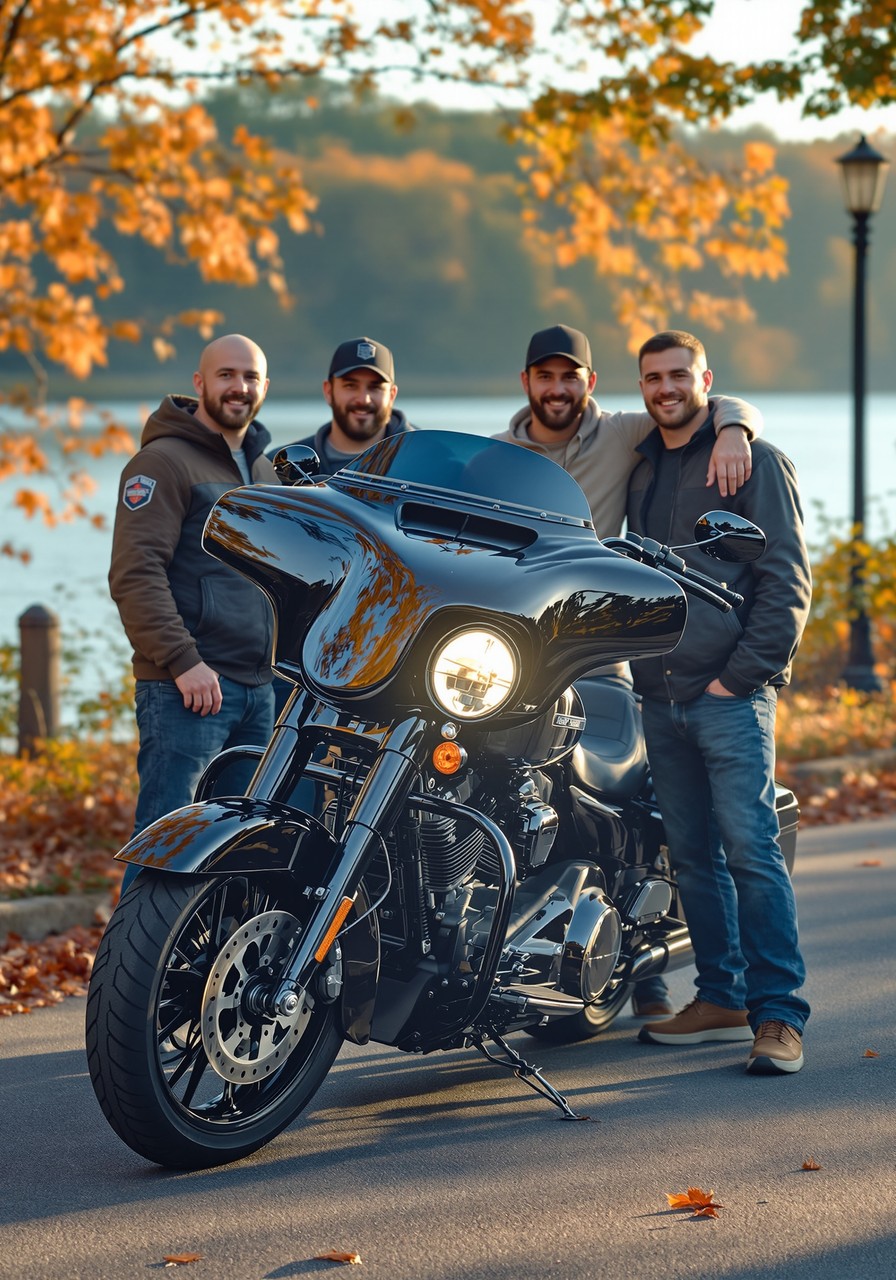
The road to December 10 is getting shorter. One rider wins $20,000 and entry costs nothing. Talk to us about your crash today. #RideNationGA #BikersWin #20kGiveaway
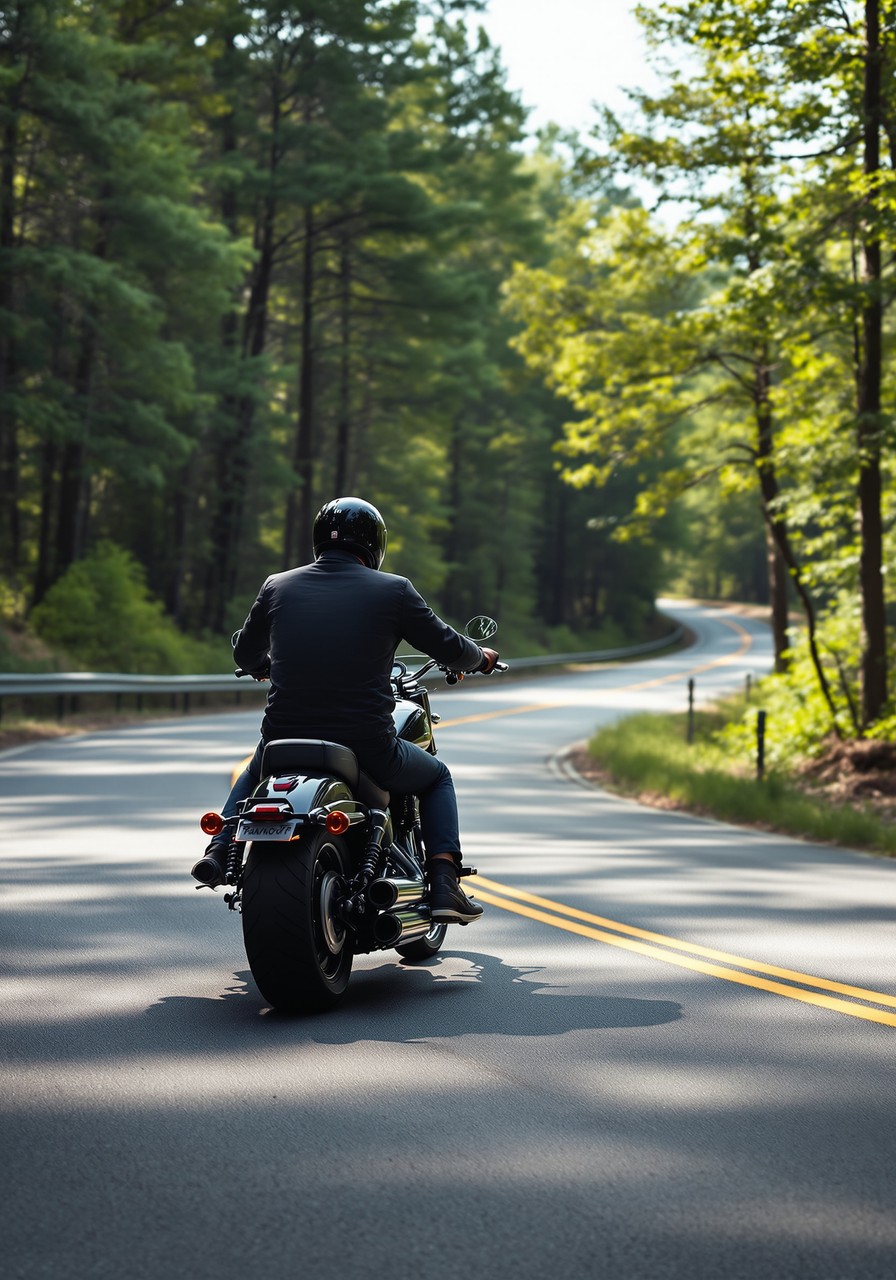
Local Georgia & Rides
Vogel State Park at the foot of Blood Mountain is a classic staging point. Stretch, refill your water, and gear up for the climb on US-19/129. #RideNationGA #Vogel #BloodMountain #NorthGeorgia
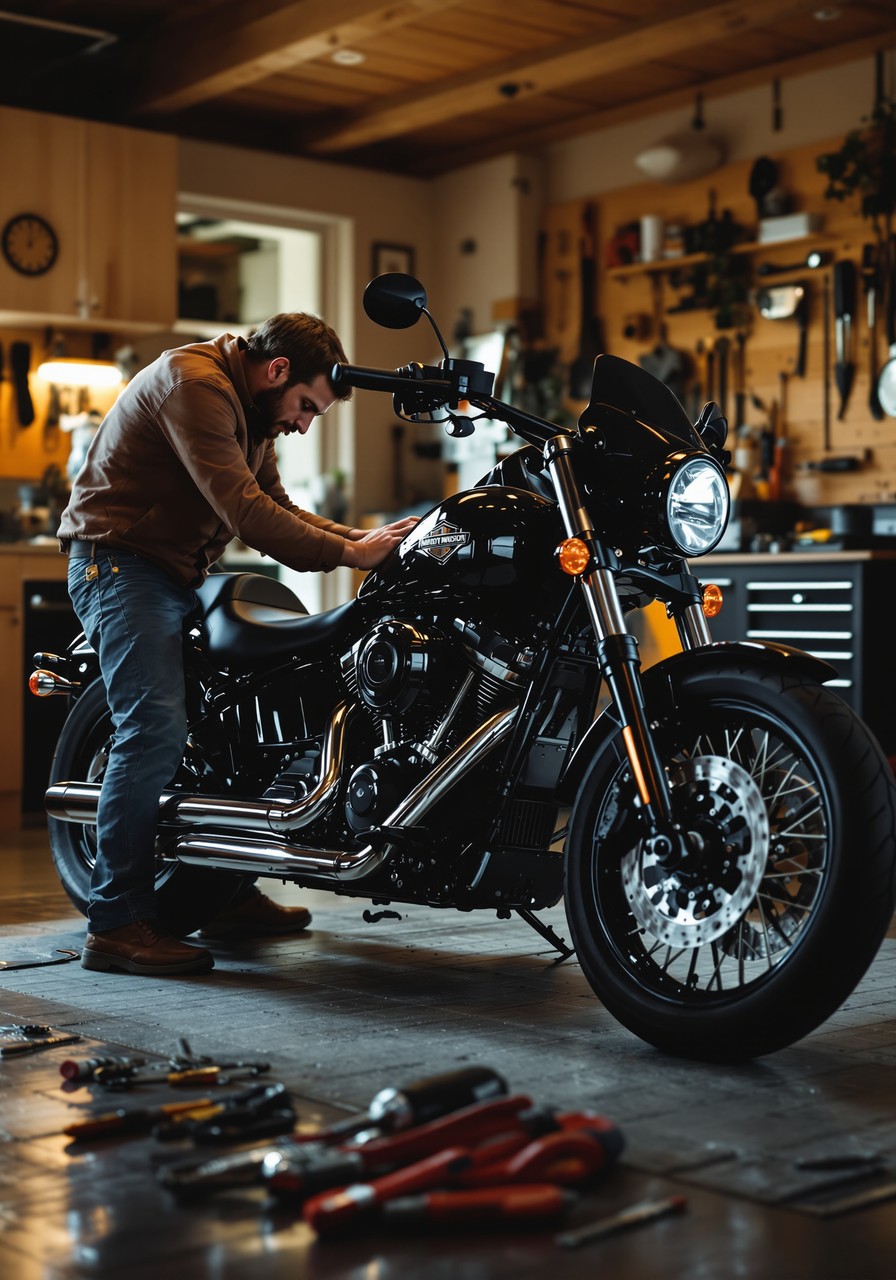
Gear & New Iron
The best upgrade for night riding around Atlanta is a set of quality auxiliary lights. See the deer before the deer sees you. #RideNationGA #AtlantaRiders #GearUp
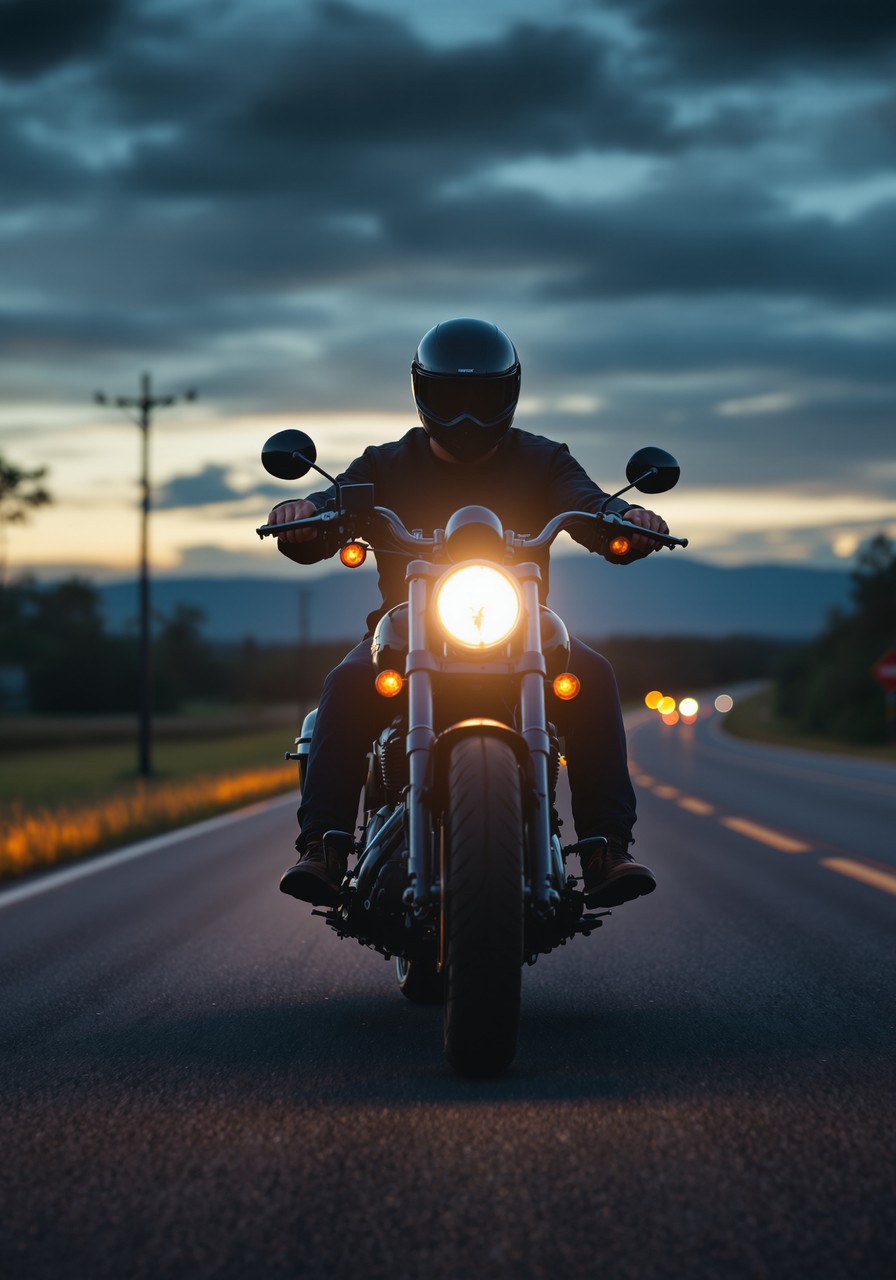
Safety & Georgia Law
Uninsured and underinsured drivers are common, and Georgia's minimums are low. UM/UIM is the coverage that carries you when they can't. Questions? Call Moebes Law at (404) 354-5432. #RideNationGA #RideSafe #UMcoverage
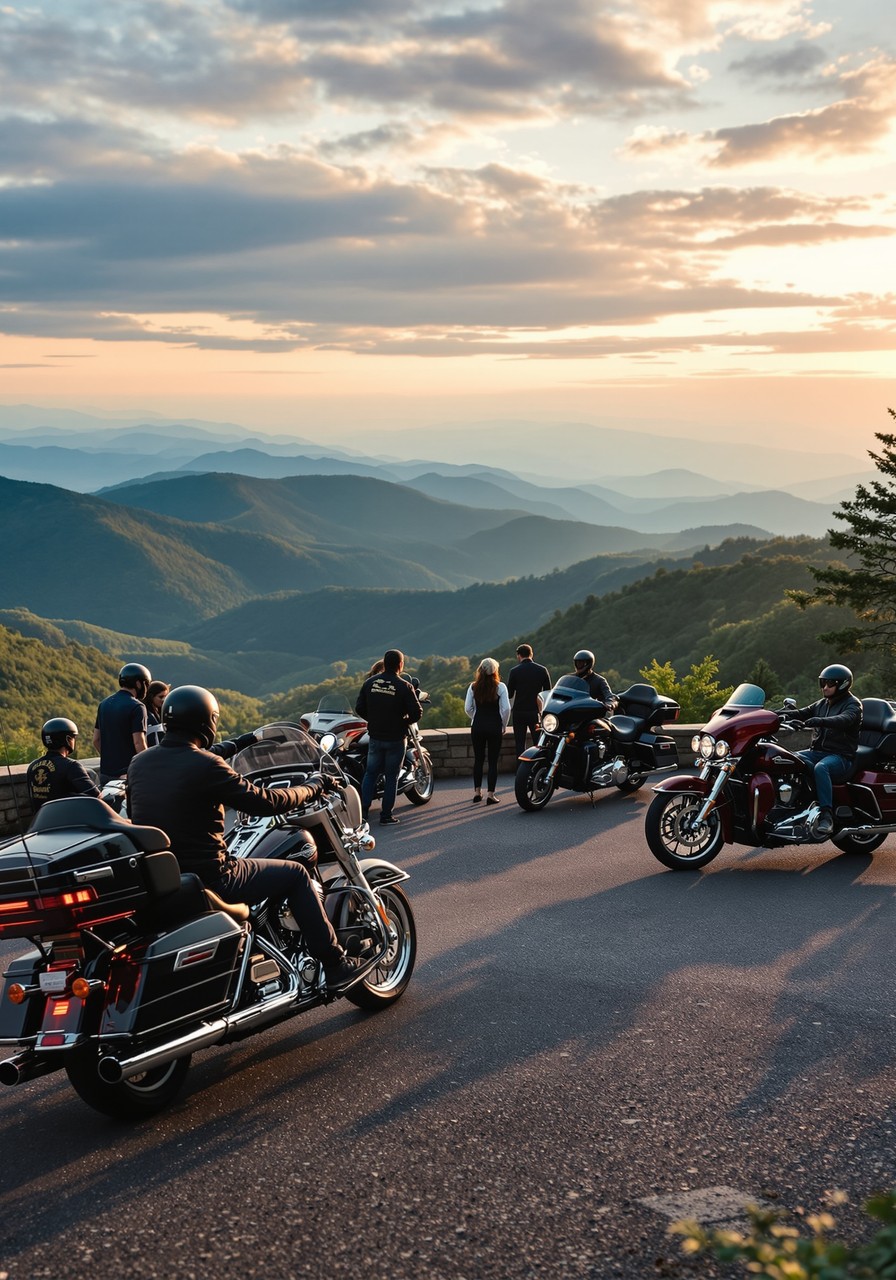
Engagement
Rider confession: I have rerouted an entire day just to skip I-285 at rush hour. Worth it every time. #RideNationGA #ATLtraffic #AtlantaRiders
Giveaway & Countdown
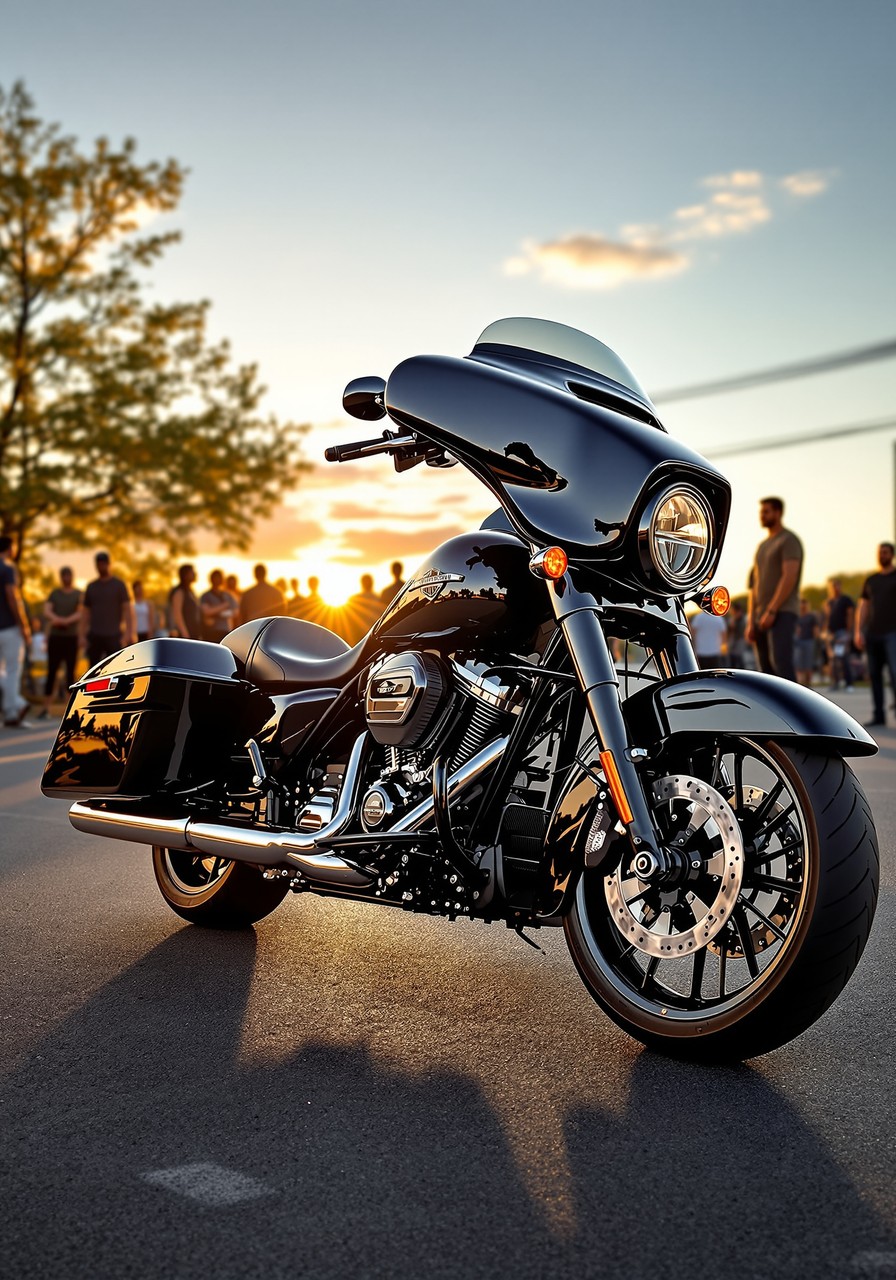
Word is spreading fast about the BikersWin giveaway. $20,000 on the line, drawn December 10. Get the details at moelaw.com. #RideNationGA #20kGiveaway #BikersWin
Local Georgia & Rides
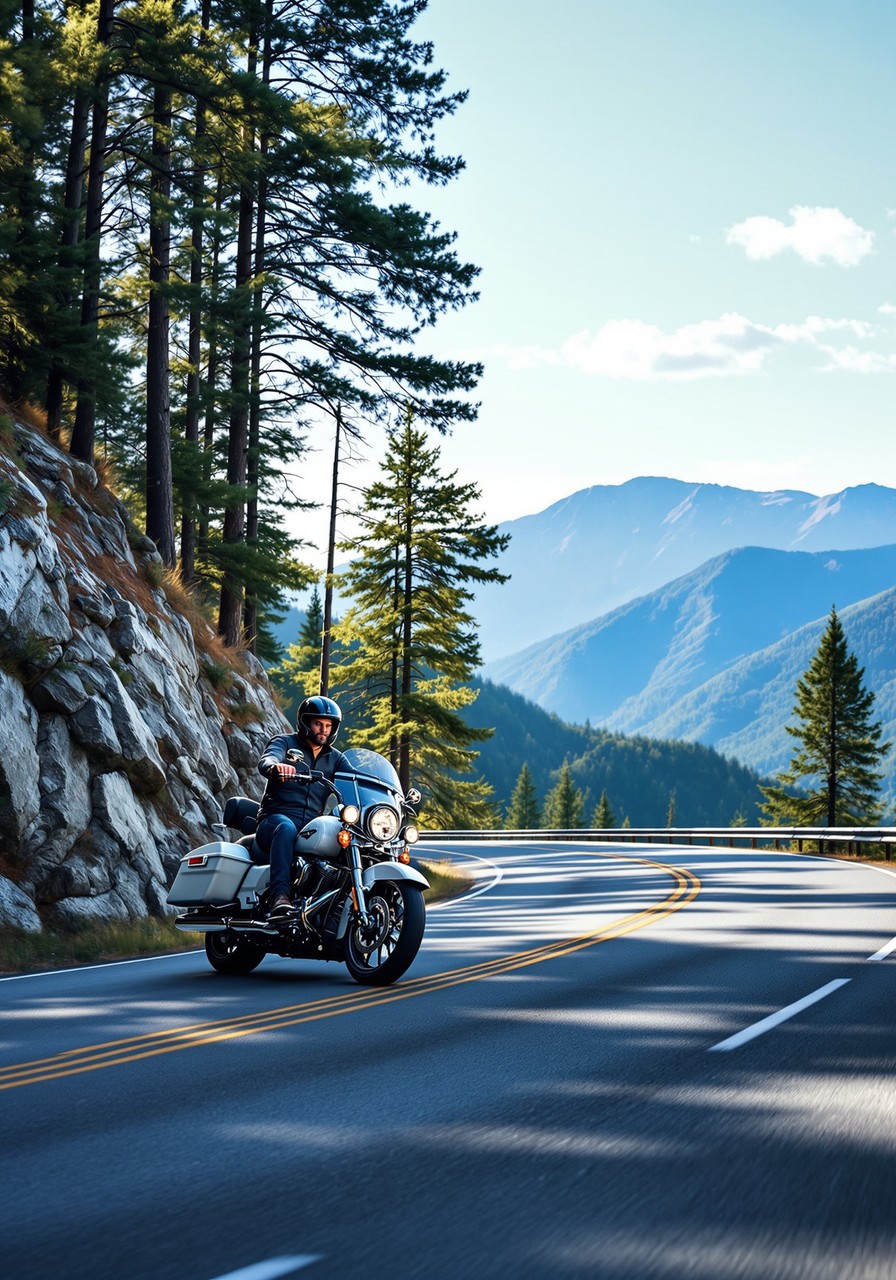
Mild winter riding days are a Georgia gift the northern states never get. Fifty-five and sunny in January is a perfectly good reason to roll the bike out. Watch for shaded frost on the bridges. #RideNationGA #WinterRiding #NorthGeorgia #AtlantaRiders
Gear & New Iron
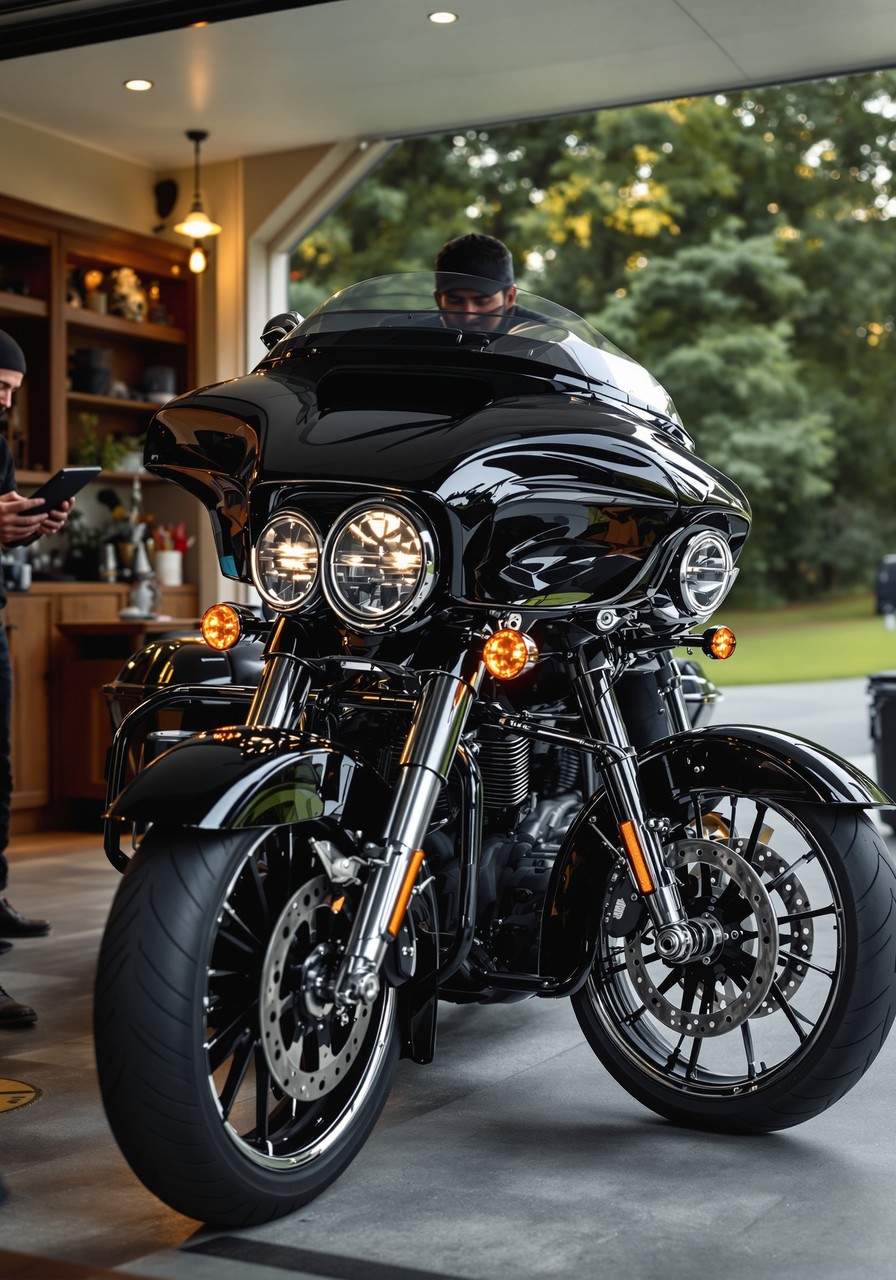
Layering beats one bulky coat every time. Peel a layer as the day warms and stay comfortable from the mountains to the metro. #RideNationGA #NorthGeorgia #WinterRiding
Safety & Georgia Law
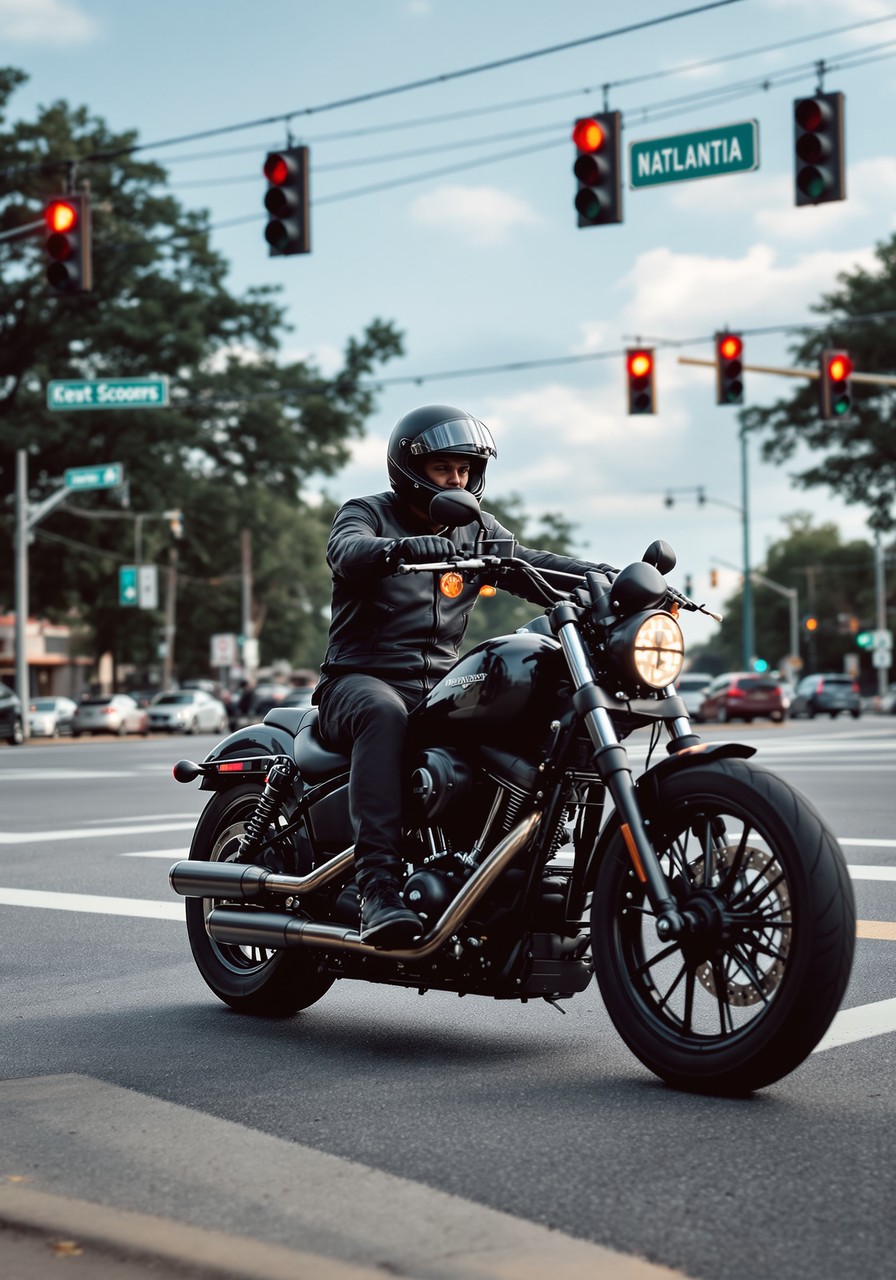
Because Georgia has no PIP, your own health insurance and MedPay often front the medical bills. Know your coverage before you need it. Call Colonel Moe at (404) 354-5432. #RideNationGA #RideSafe #InsuranceTips
Engagement
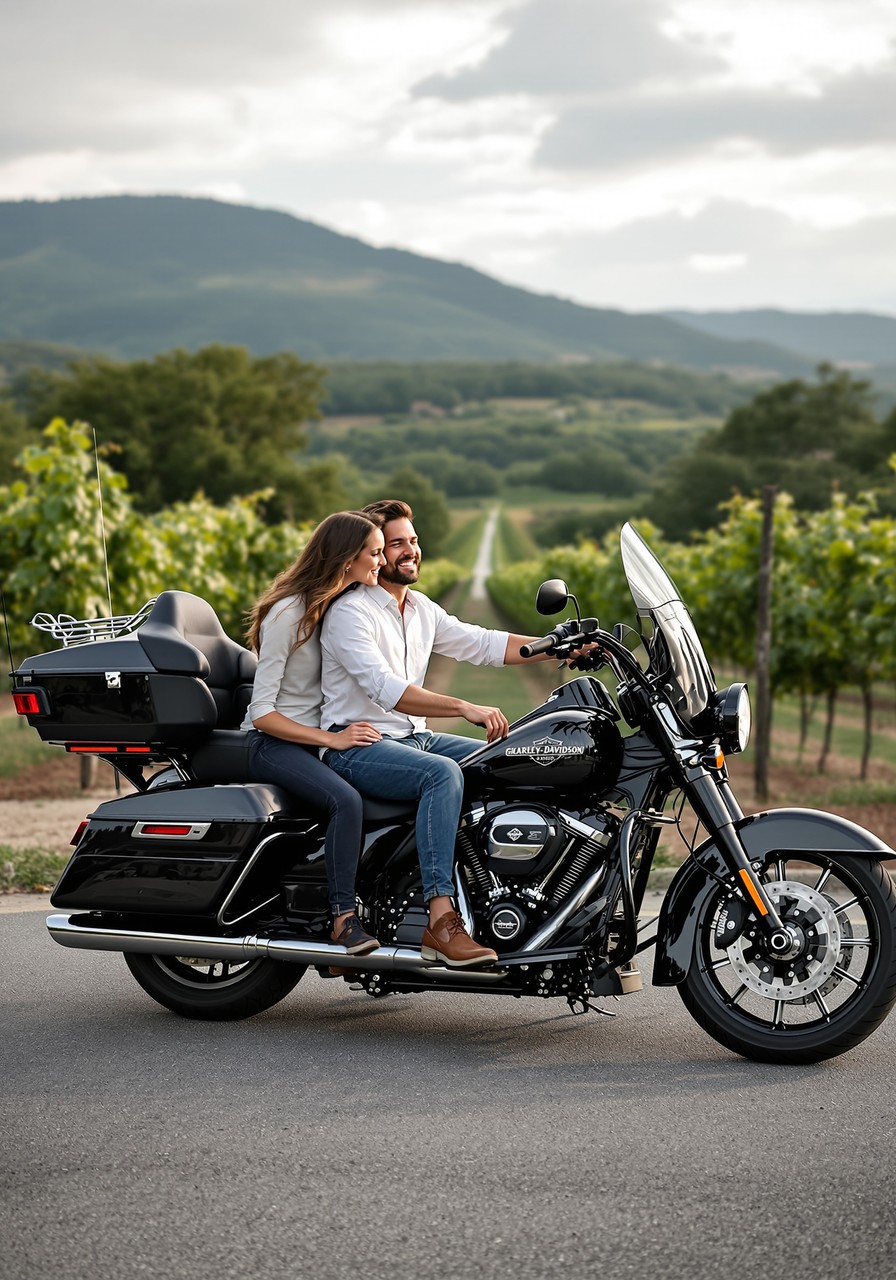
This or that: sunrise start to beat the heat or a lazy late-morning roll out? Tell us your style. #RideNationGA #AtlantaRiders #NorthGeorgia
Giveaway & Countdown
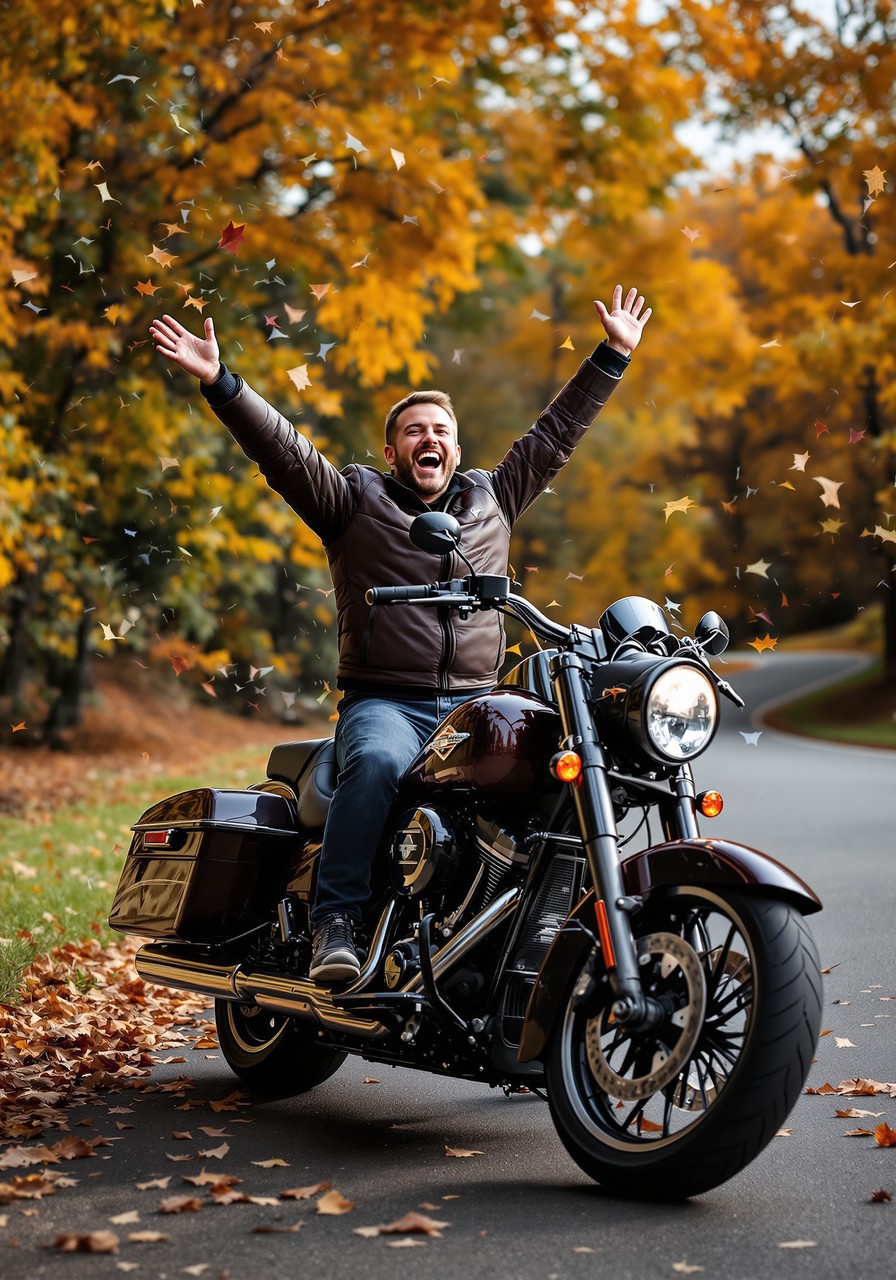
You ride hard, you deserve a shot at $20K. If you've been in a motorcycle crash, call Moebes Law at (404) 354-5432 and get entered for free. #RideNationGA #BikersWin #20kGiveaway
Local Georgia & Rides
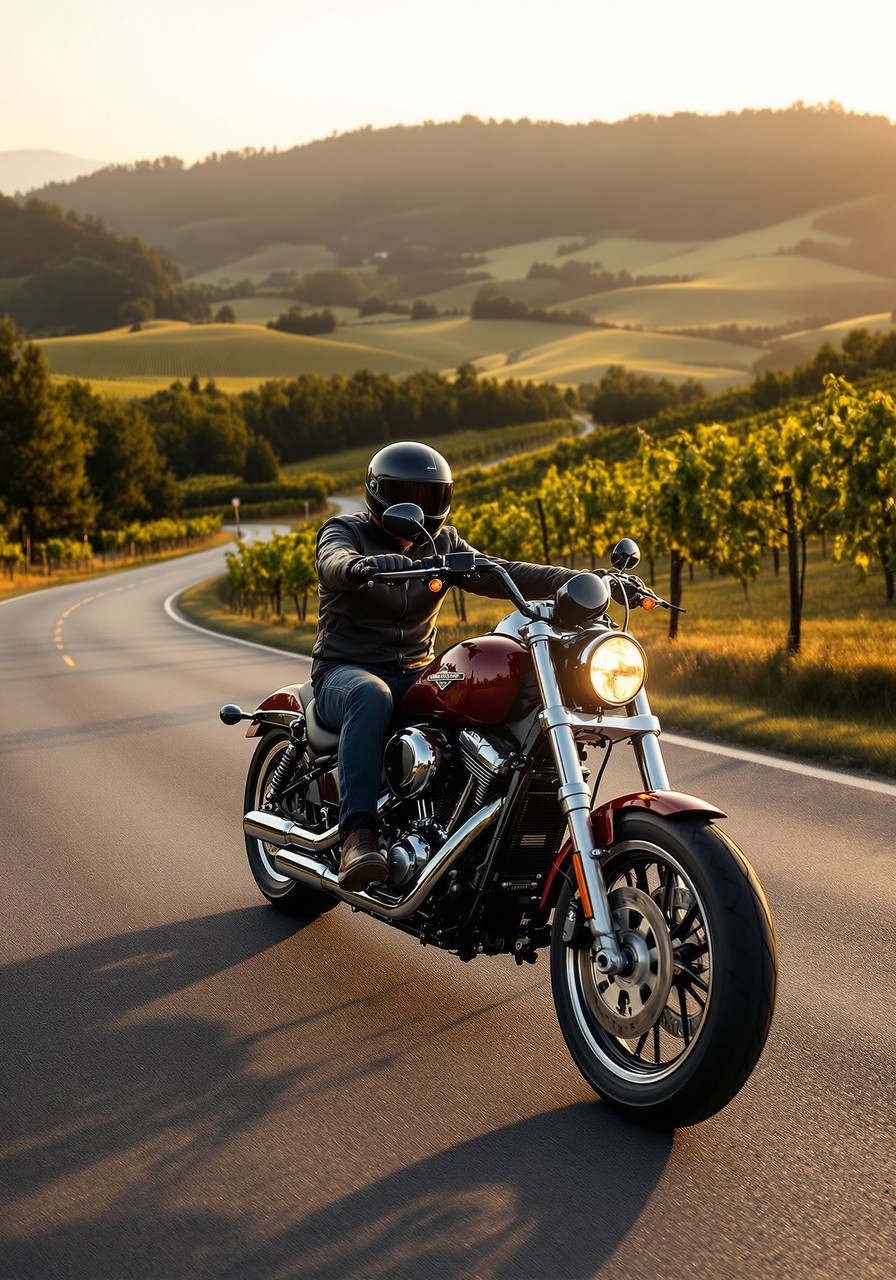
The Richard Russell Scenic Highway is more than curves, it is overlooks worth stopping for. Pull off at the pull-offs and actually take in the ridgelines. #RideNationGA #GA348 #NorthGeorgia #ScenicHighway
Gear & New Iron
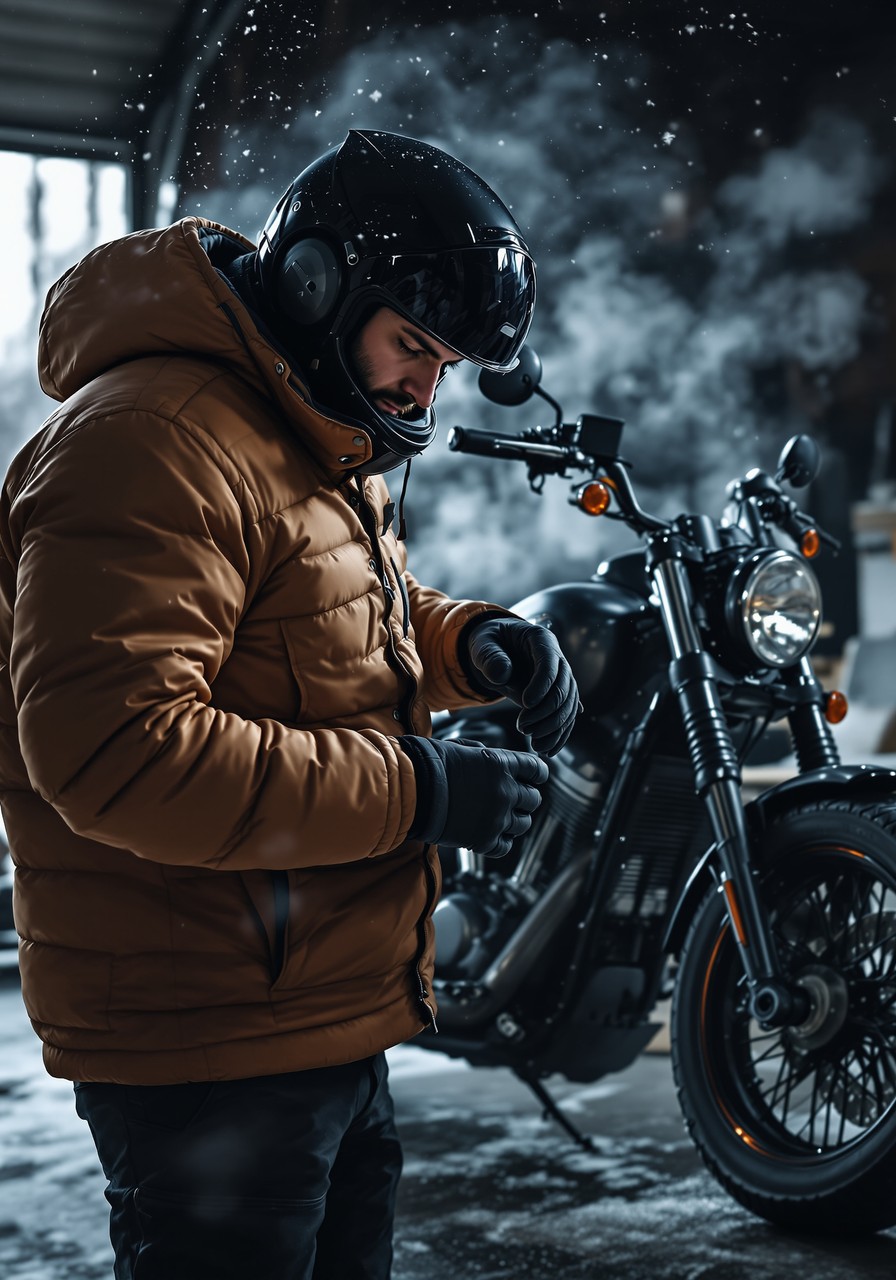
Earplugs on the highway aren't about the noise you notice, it's the fatigue you don't. Ride longer, feel fresher. #RideNationGA #RideSafe #GearTips
Safety & Georgia Law
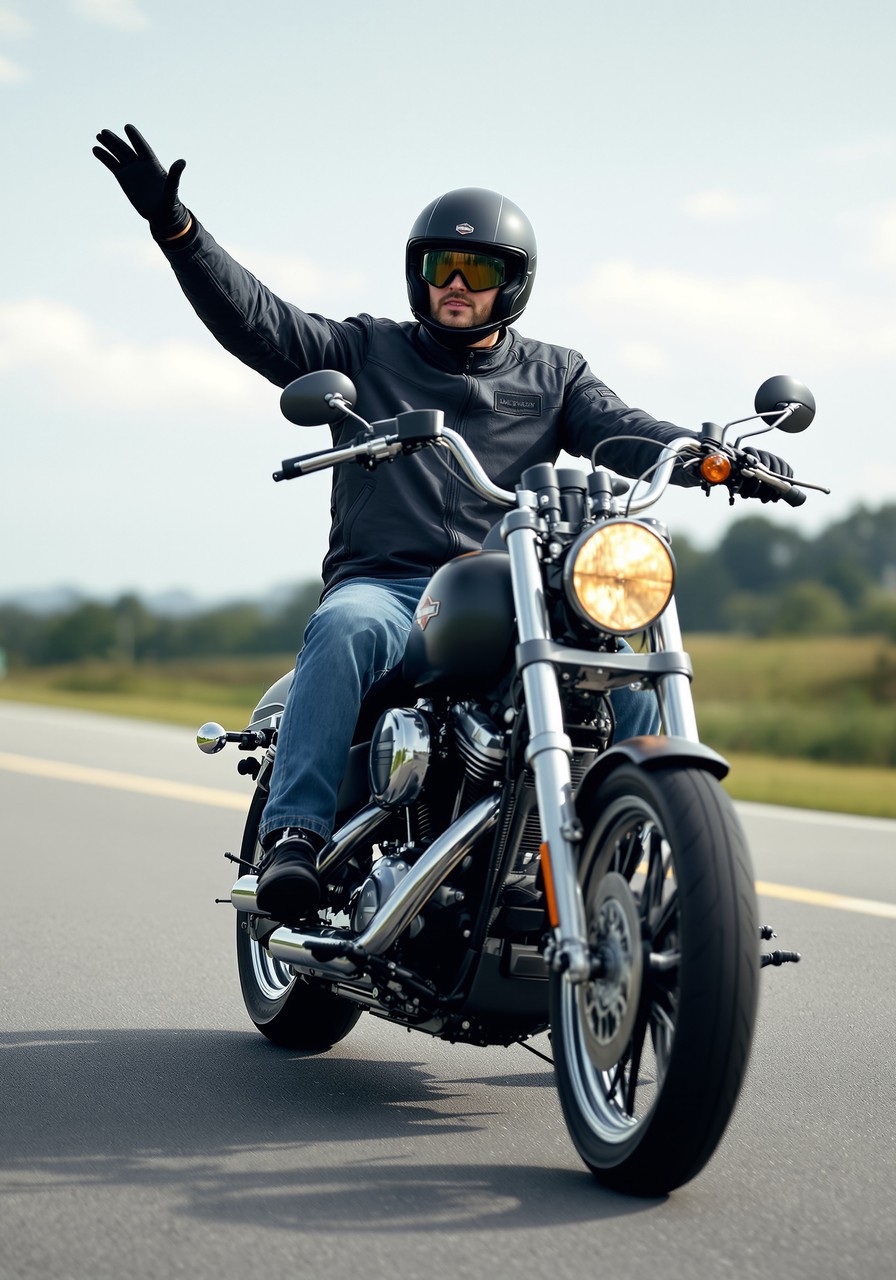
Photos at the scene tell the story insurers can't rewrite later. Wide shots, close-ups, road, and signals. Questions after a crash? Call Moebes Law at (404) 354-5432. #RideNationGA #RideSafe #CrashChecklist
Engagement
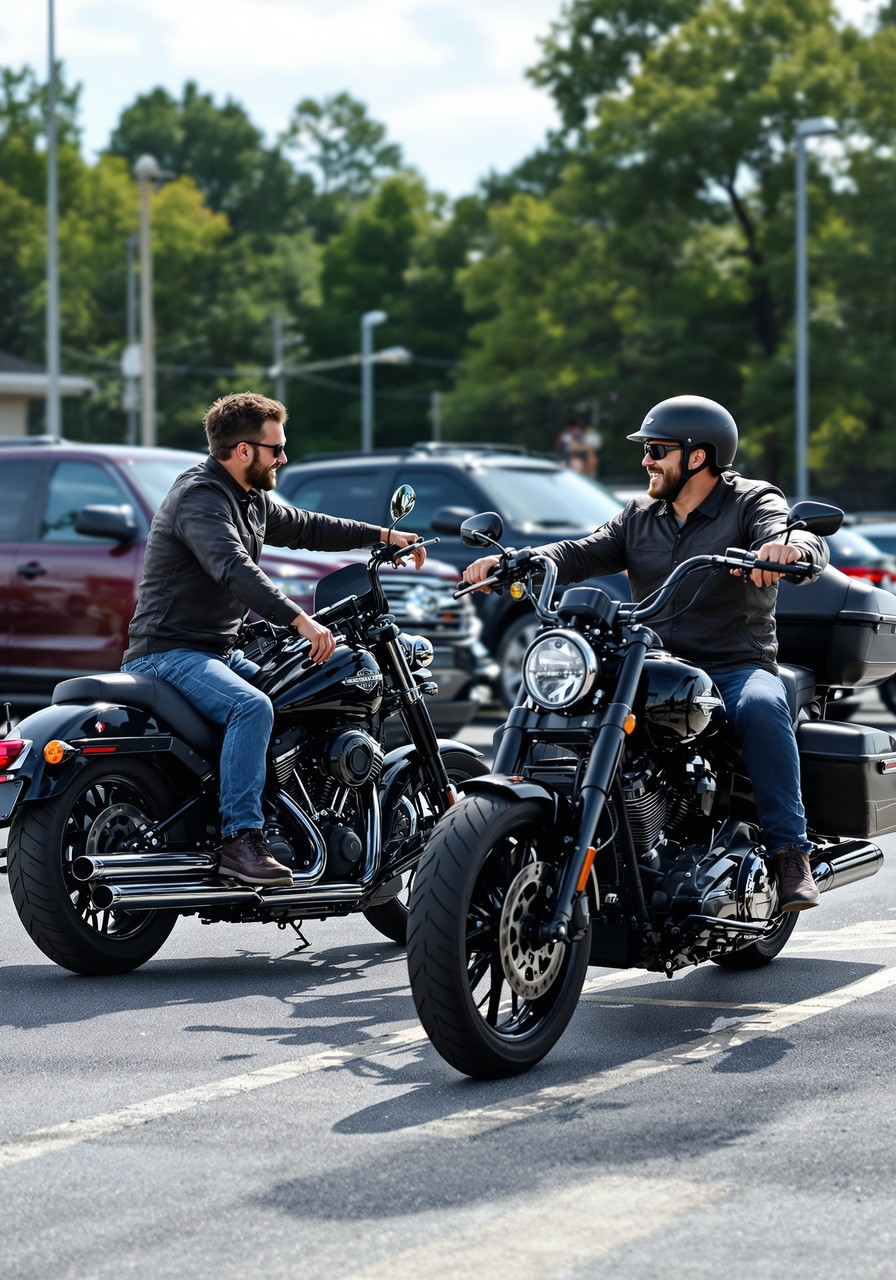
Fill in the blank: If I could ride one North Georgia road forever it would be ______. Dream big. #RideNationGA #NorthGeorgia #BloodMountain
Giveaway & Countdown
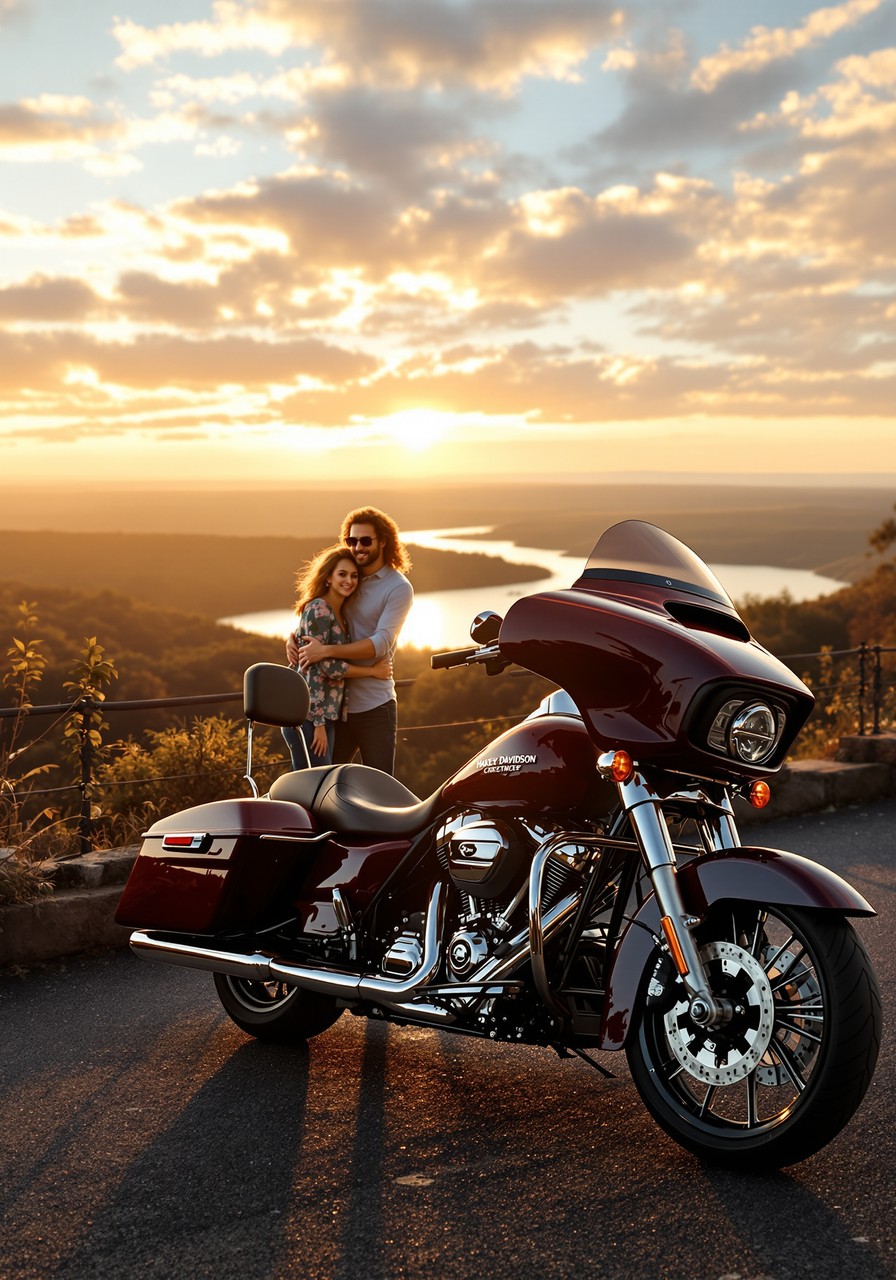
Countdown check: December 10 is coming up fast and the $20,000 motorcycle giveaway draw is set. Ask us how to enter at moelaw.com. #RideNationGA #20kGiveaway #BikersWin
Local Georgia & Rides
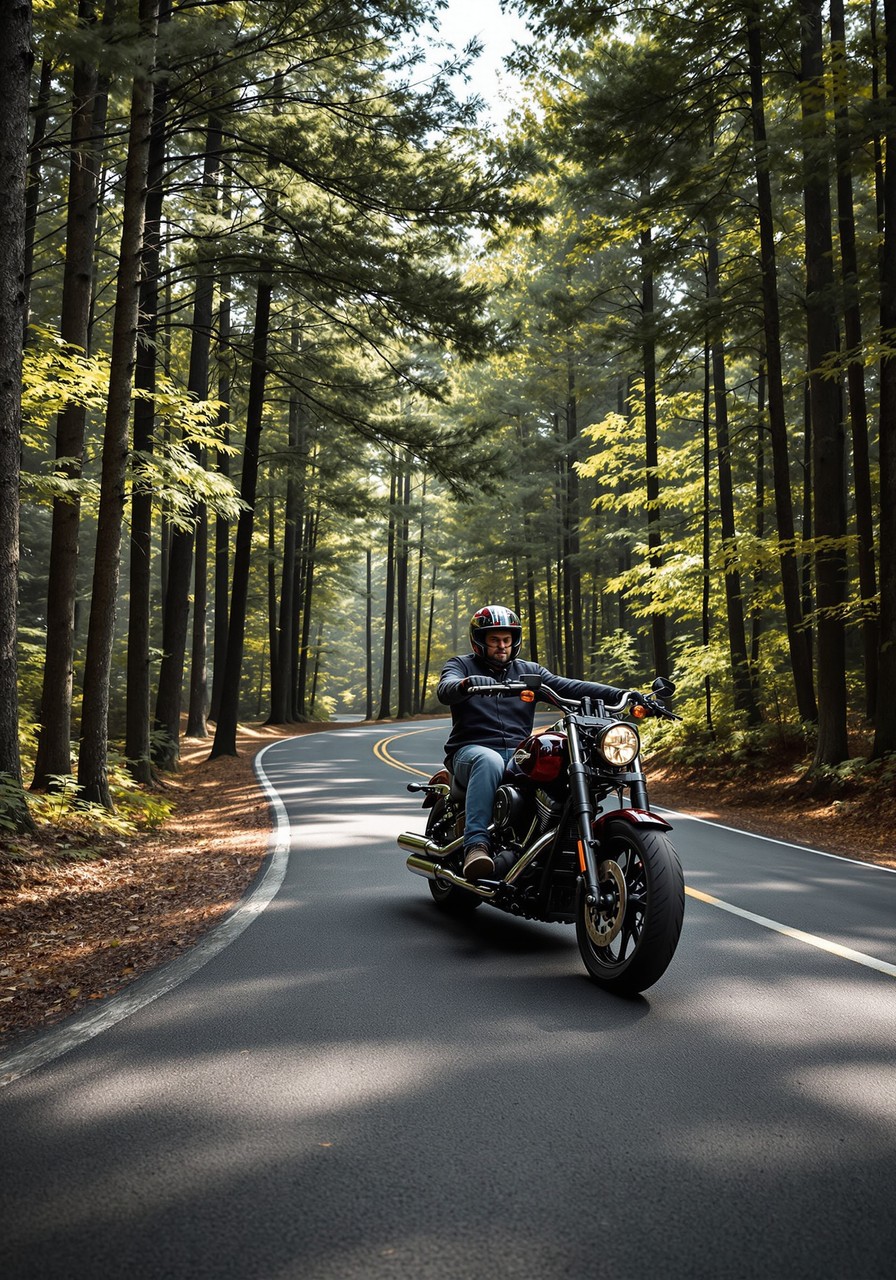
Nothing beats a bike-and-coffee morning on the Dahlonega square before the crowds arrive. Cup in hand, engines ticking cool, and a full day of mountains ahead. #RideNationGA #Dahlonega #NorthGeorgia #CoffeeAndBikes
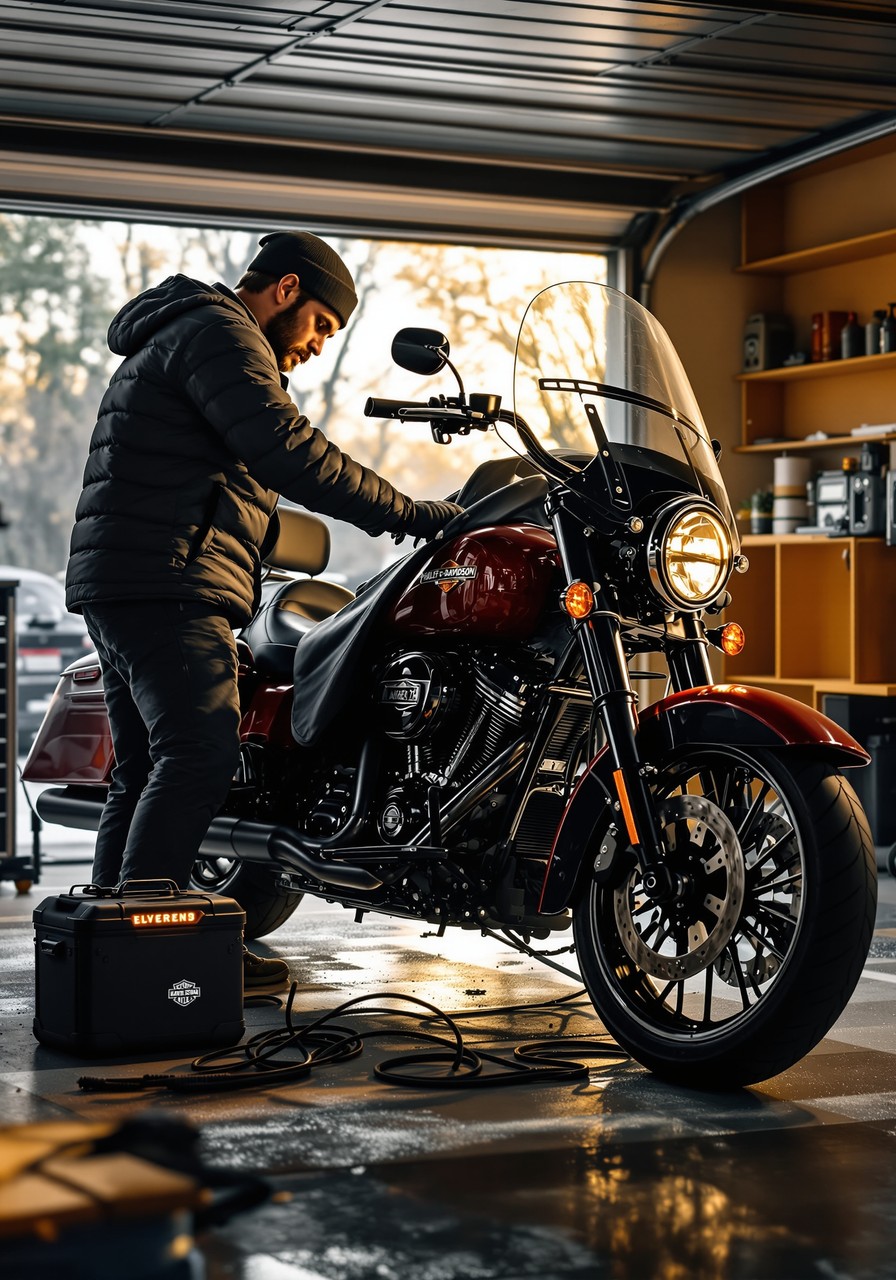
Gear & New Iron
New tires deserve a gentle first hundred miles to scrub in. Easy on the lean until that shine wears off. #RideNationGA #TireCheck #RideSafe
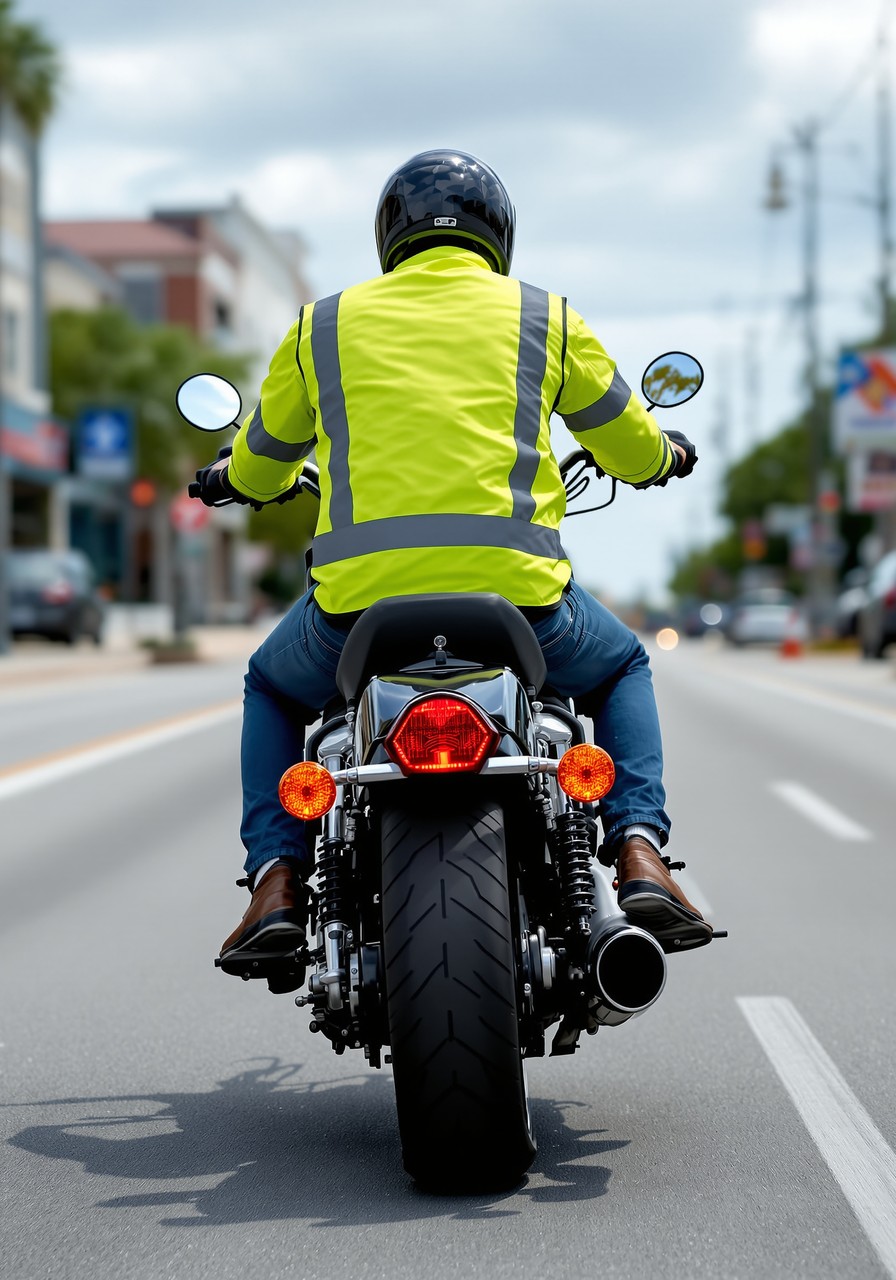
Safety & Georgia Law
Witnesses disappear fast. A name and number at the scene can matter for months. Not sure what to do next? Call Colonel Moe at (404) 354-5432. #RideNationGA #RideSafe #CrashTips
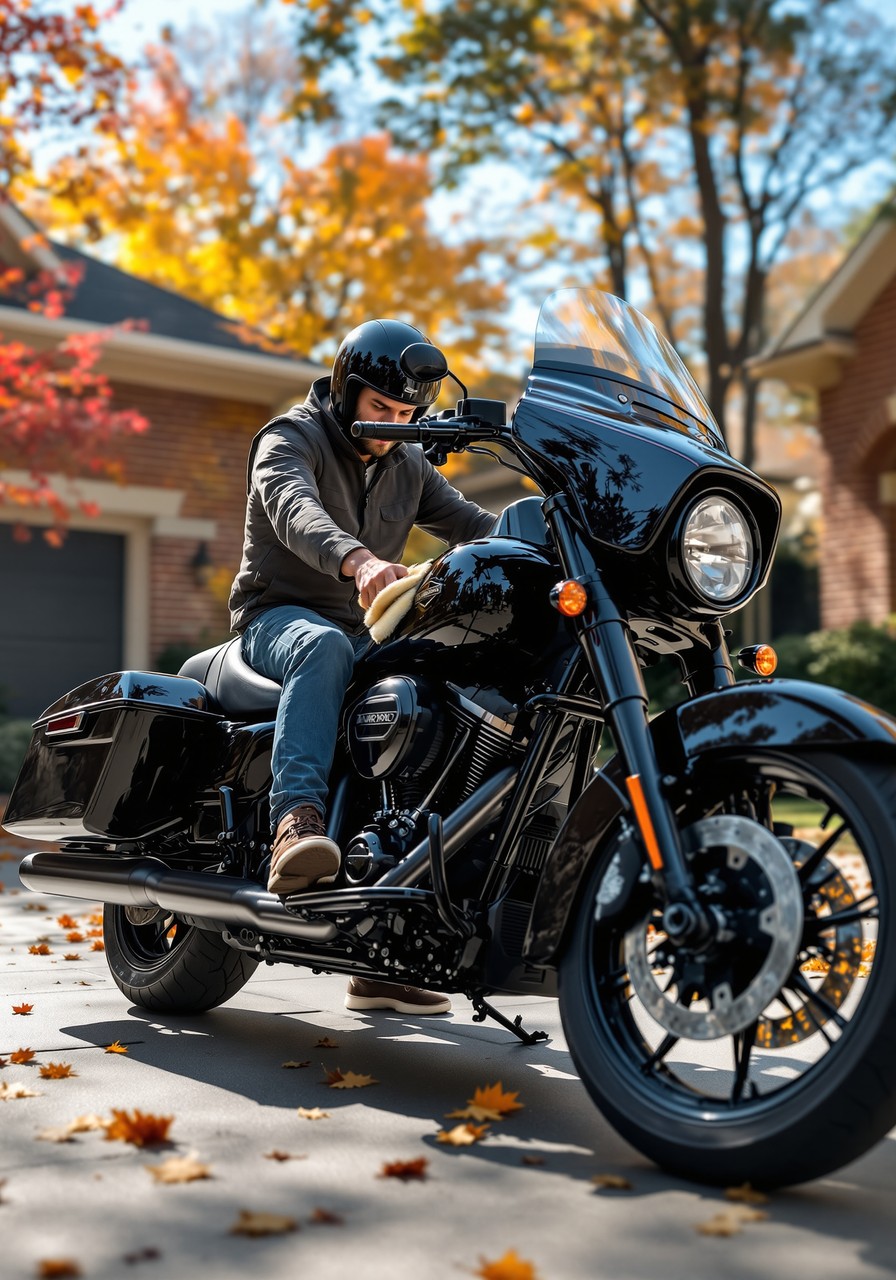
Engagement
Tag the newest rider in your crew so they feel the love. We were all new once. #RideNationGA #AtlantaRiders #NorthGeorgia
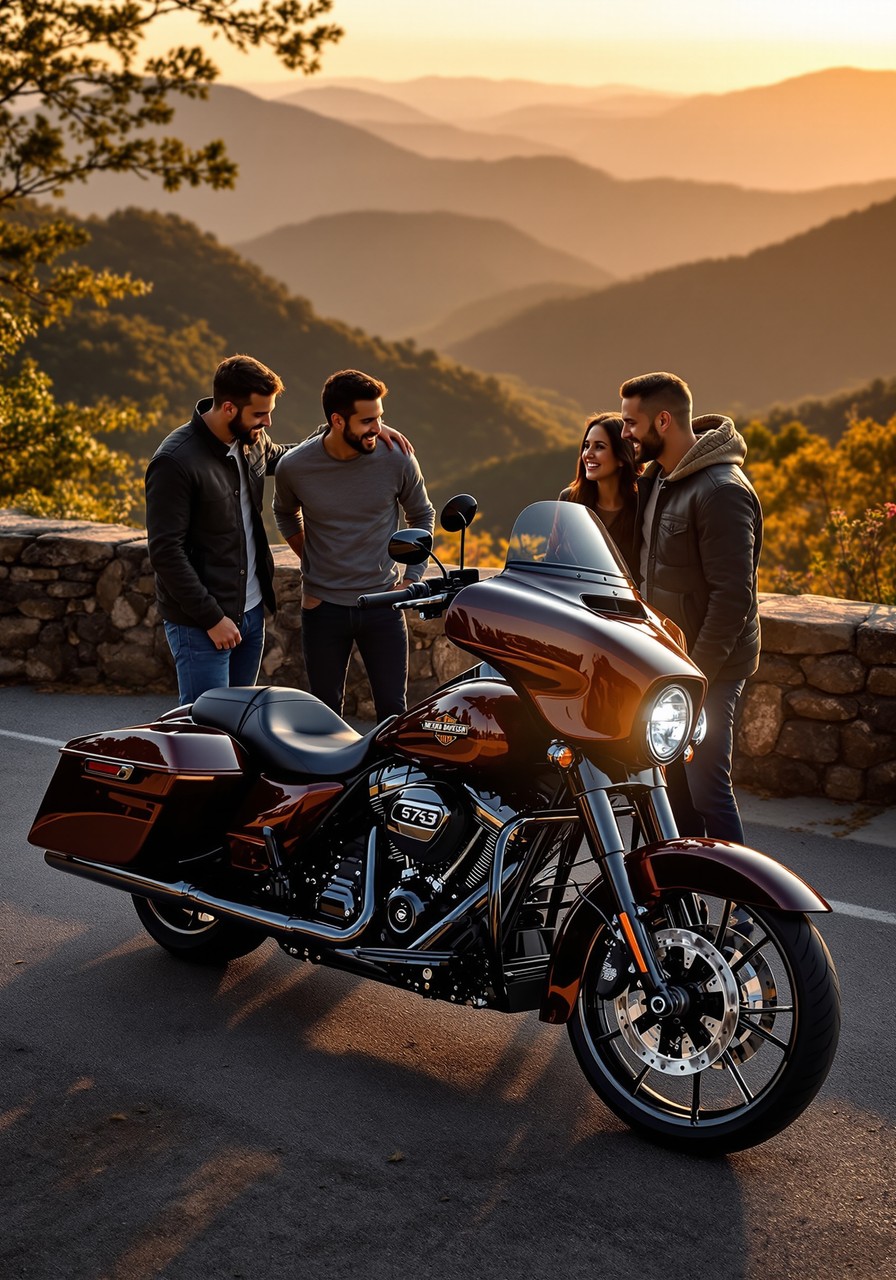
Giveaway & Countdown
One phone call. One free entry. One chance at $20,000. Riders who talk to Colonel Moe about a crash are already in. Call (404) 354-5432. #RideNationGA #BikersWin #20kGiveaway
Local Georgia & Rides
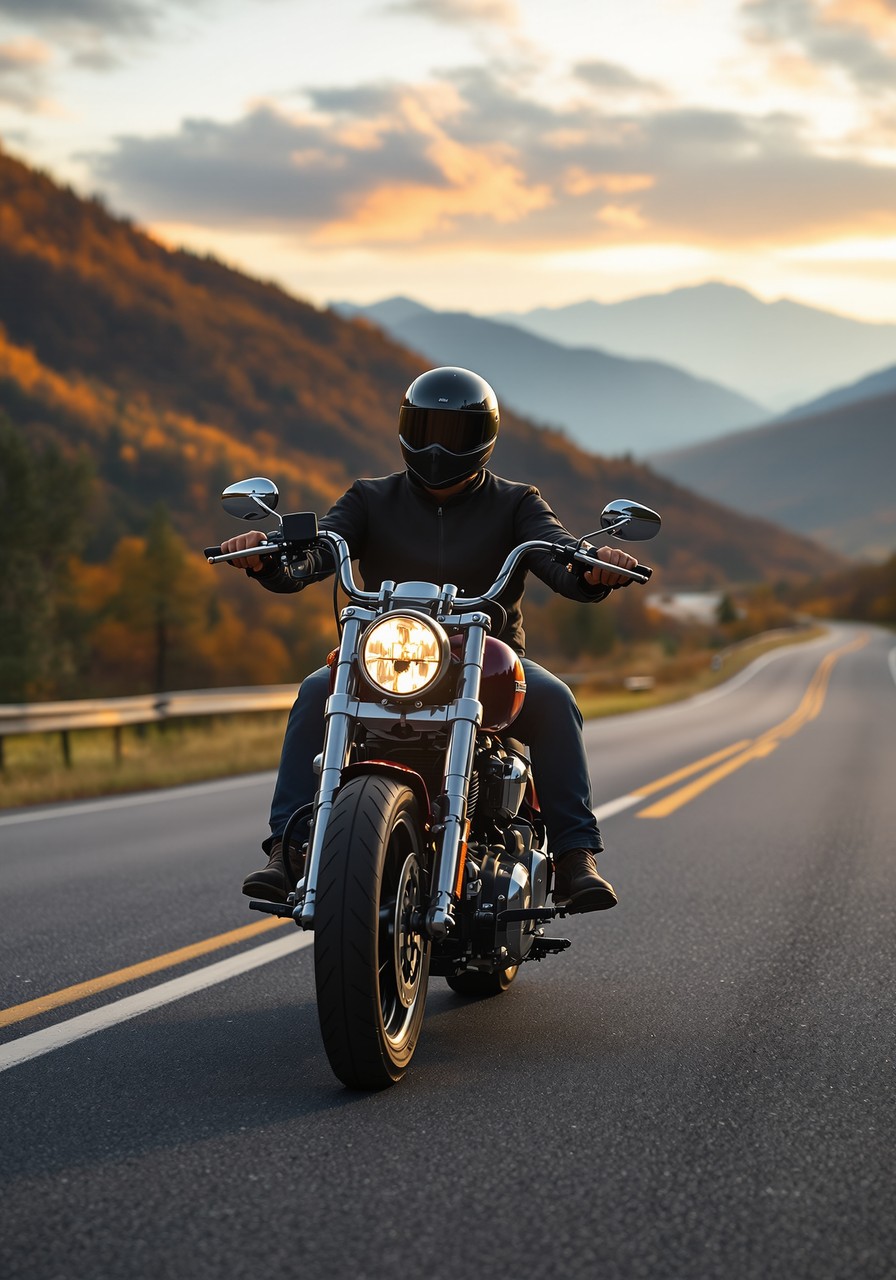
Brasstown Bald caps the day with a view of Georgia, North Carolina, Tennessee, and South Carolina. Ride up early to beat the afternoon haze. #RideNationGA #BrasstownBald #BlueRidge #NorthGeorgia
Gear & New Iron
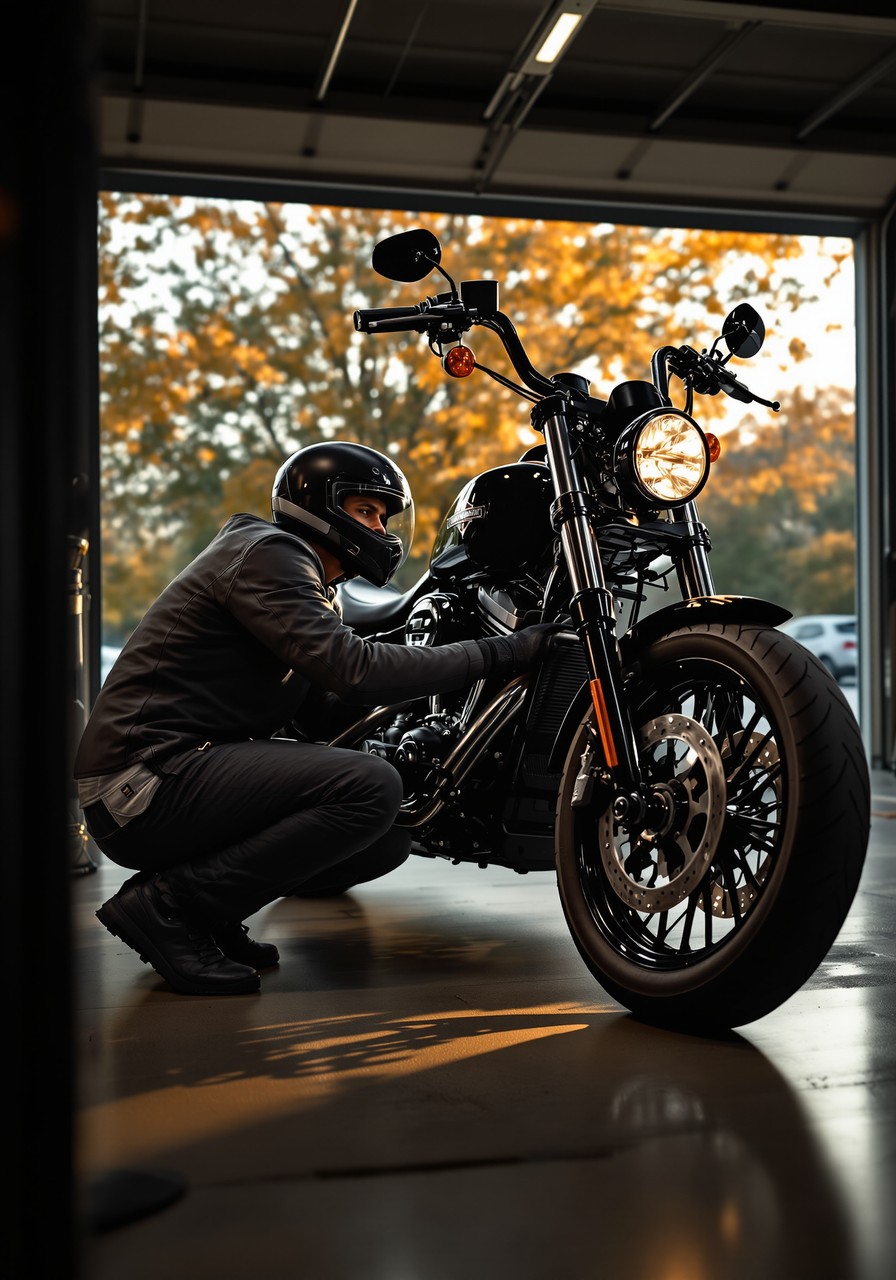
A tank bag or tail bag turns a quick errand into an easy one. Farkle your storage and stop stuffing pockets. #RideNationGA #Farkles #MotorcycleGear
Safety & Georgia Law
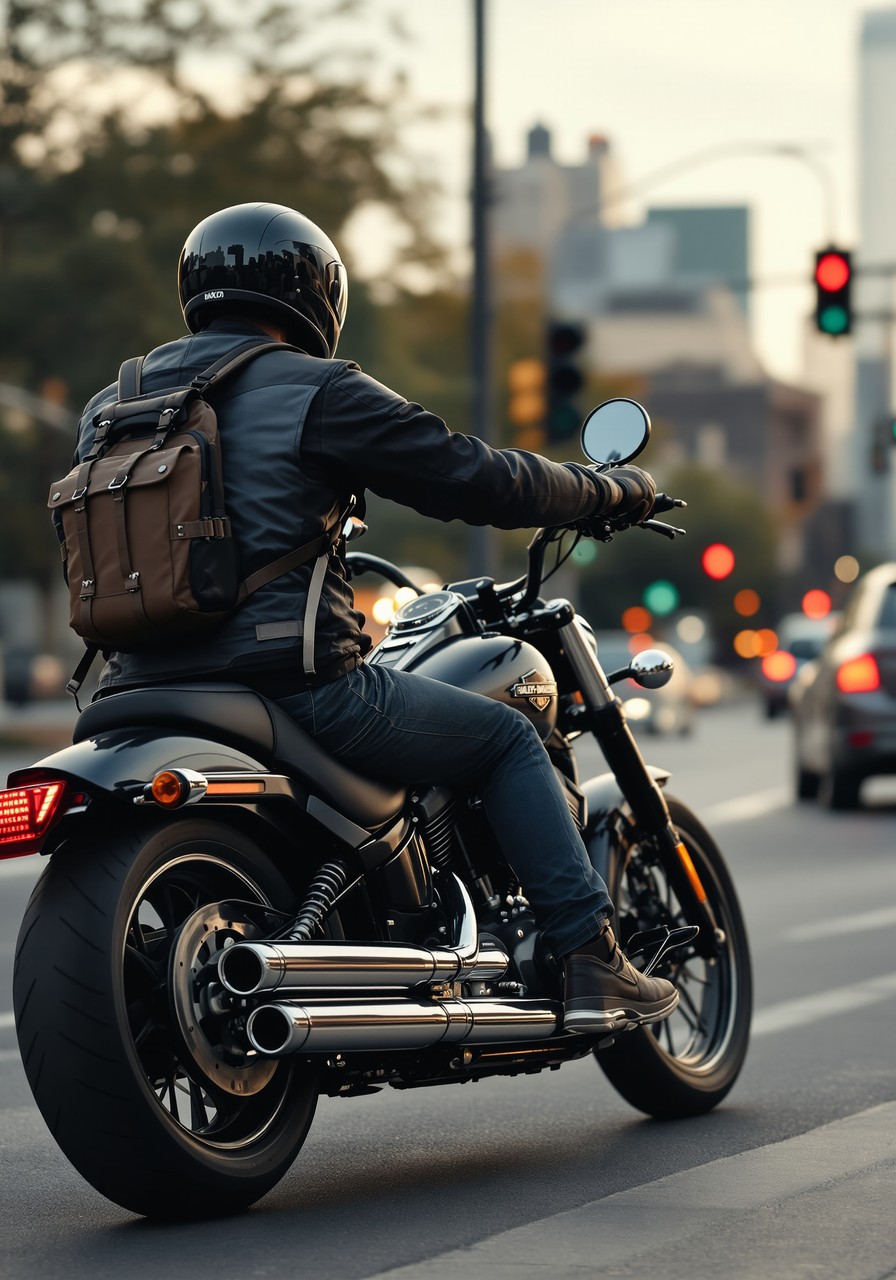
See a doctor even when you feel fine. Adrenaline hides injuries that show up days later. Questions about a crash? Call Moebes Law at (404) 354-5432. #RideNationGA #RideSafe #RiderHealth
Engagement
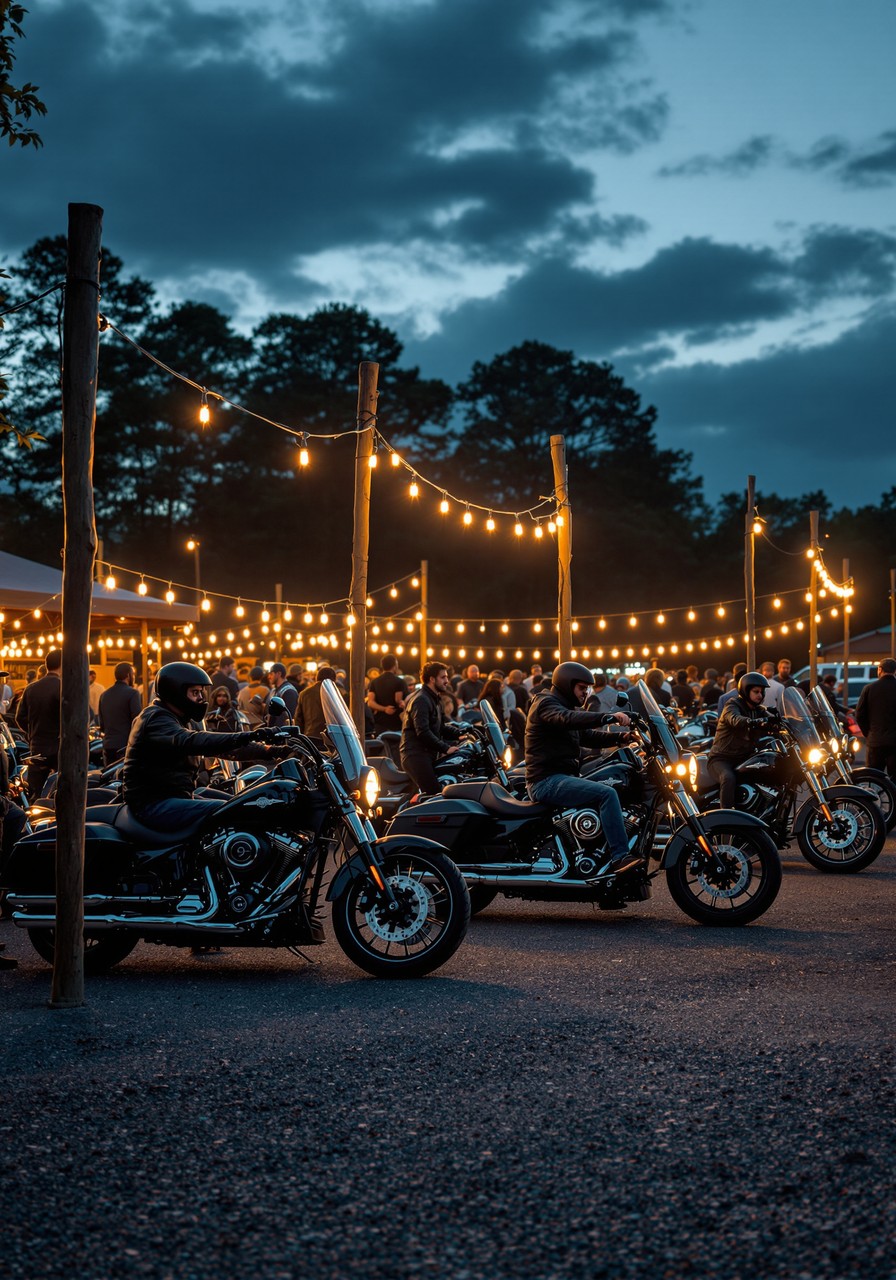
Caption this: the whole squad pulled over at a Brasstown Bald overlook, helmets off, grinning. #RideNationGA #BrasstownBald #NorthGeorgia
Giveaway & Countdown
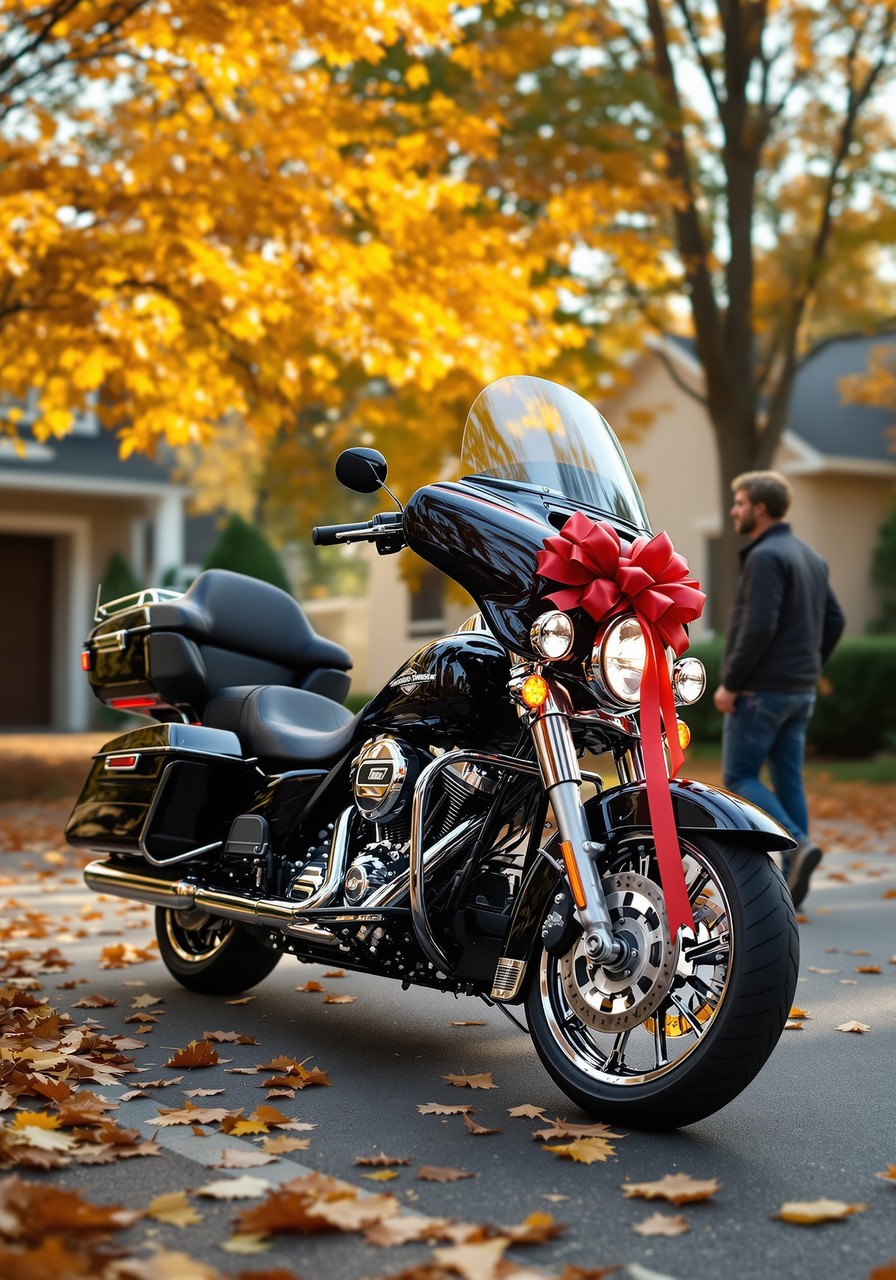
Metro Atlanta and North Georgia riders are fired up about the BikersWin $20K giveaway, and so are we. Drawn December 10. Learn more at moelaw.com. #RideNationGA #20kGiveaway #BikersWin
Local Georgia & Rides
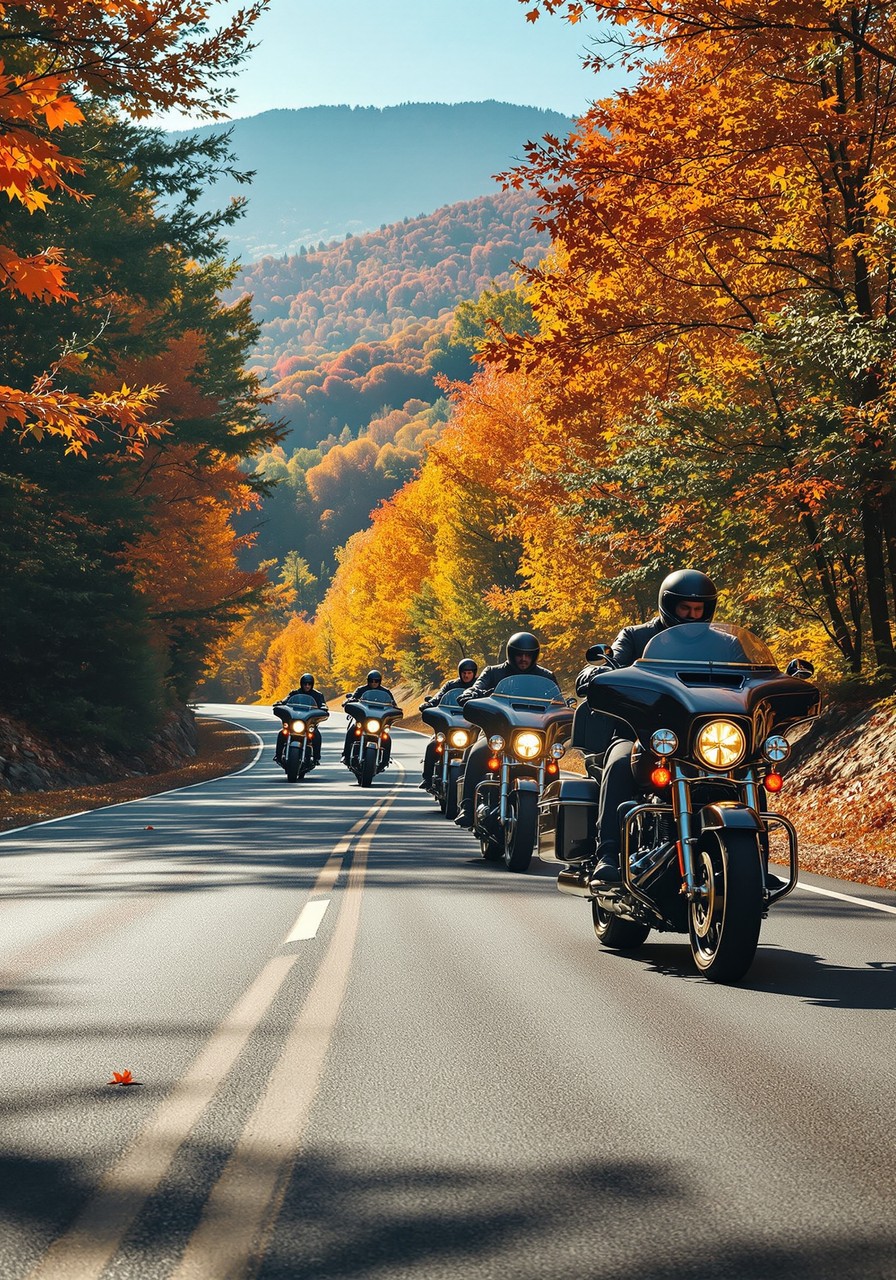
Deer season means dawn and dusk demand extra eyes on the North Georgia backroads. They move in groups, so if you see one, slow down and expect more. #RideNationGA #NorthGeorgia #RideSafeGA #DeerSeason
Gear & New Iron
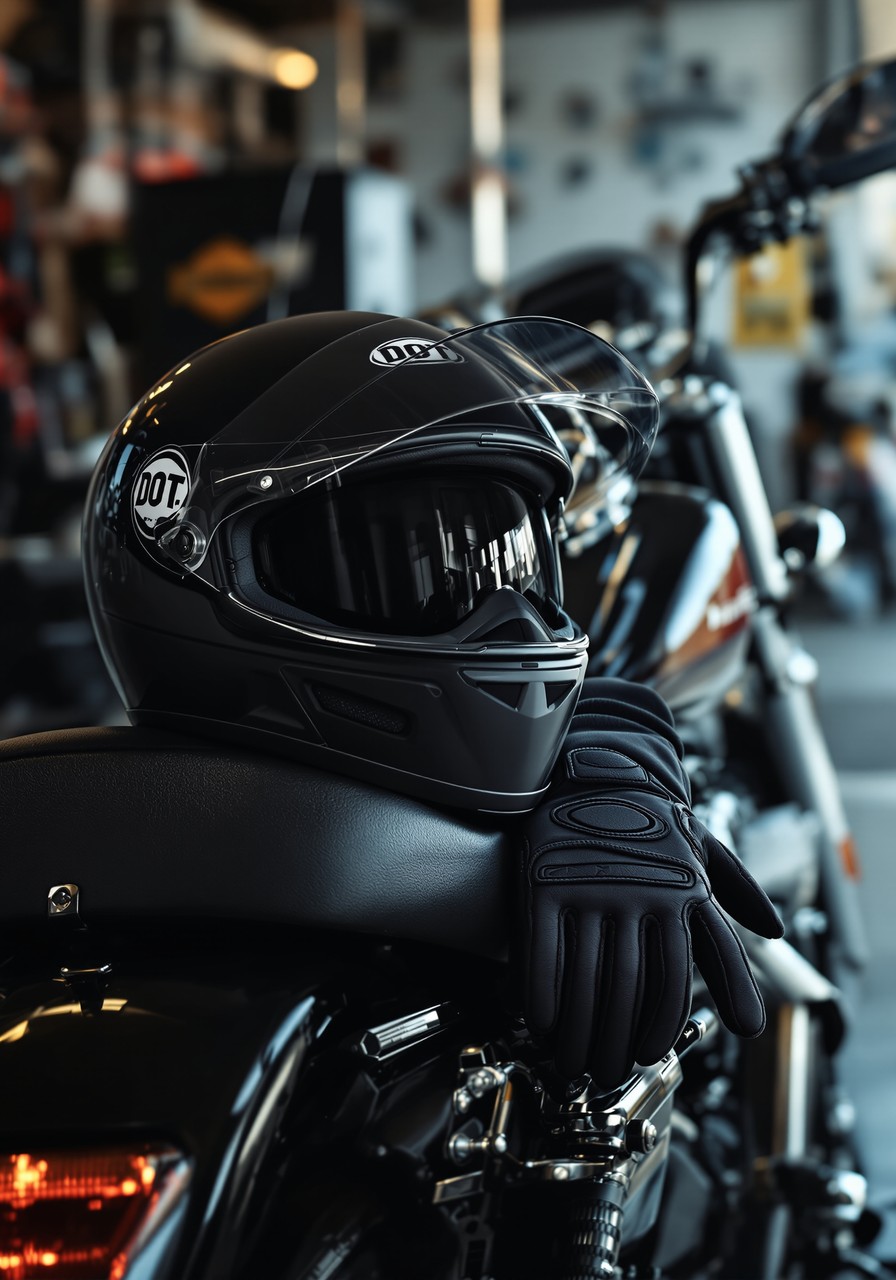
Gloves for summer, gloves for winter, gloves for the in-between. Georgia riding rewards a well-stocked glove drawer. #RideNationGA #ATGATT #GearUp
Safety & Georgia Law
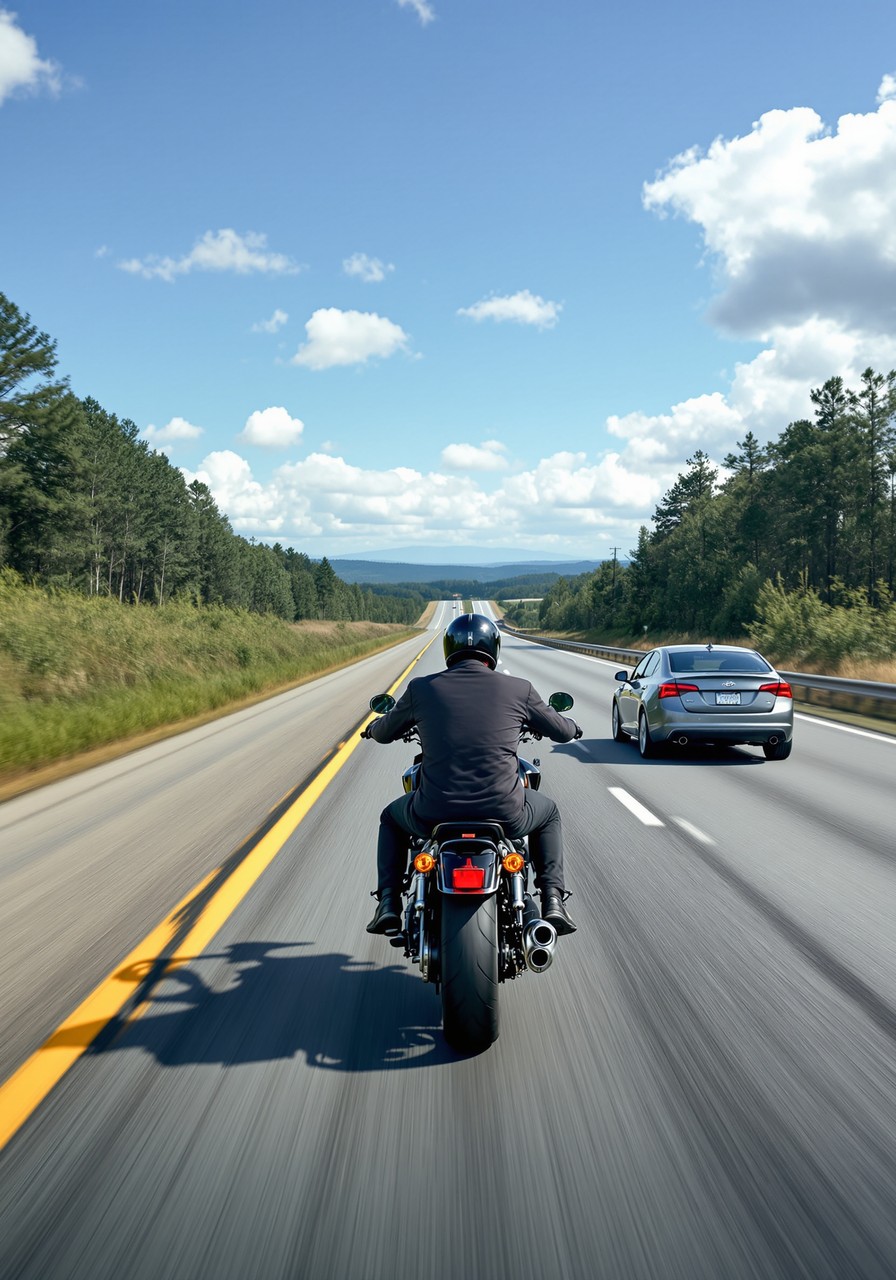
Under Georgia's comparative fault rule, every detail that shows the other driver's mistake protects your claim. Document early. Call Colonel Moe at (404) 354-5432. #RideNationGA #RideSafe #GeorgiaLaw
Engagement
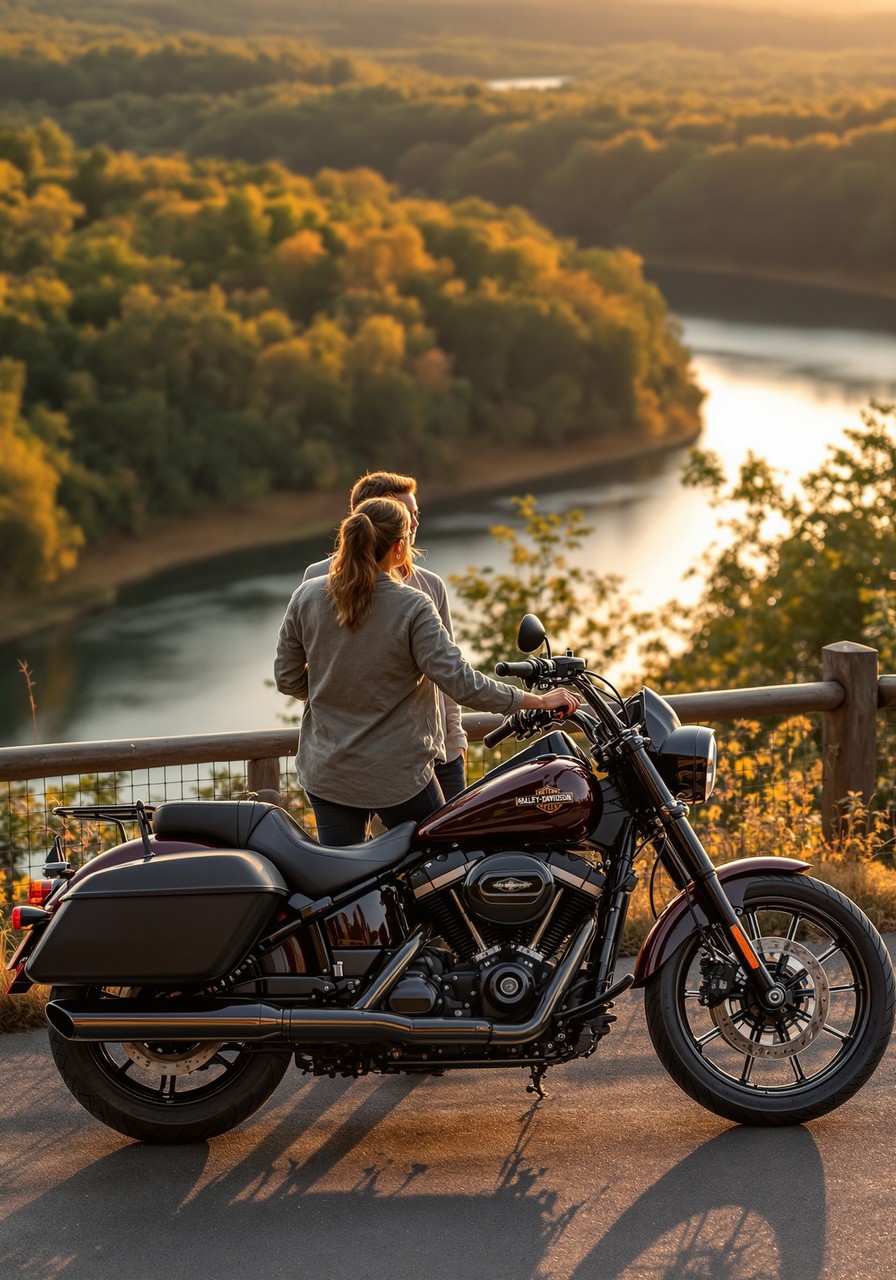
Weekend debate: Dahlonega for the views or Helen for the vibe? You can only pick one today. #RideNationGA #Dahlonega #Helen
Giveaway & Countdown
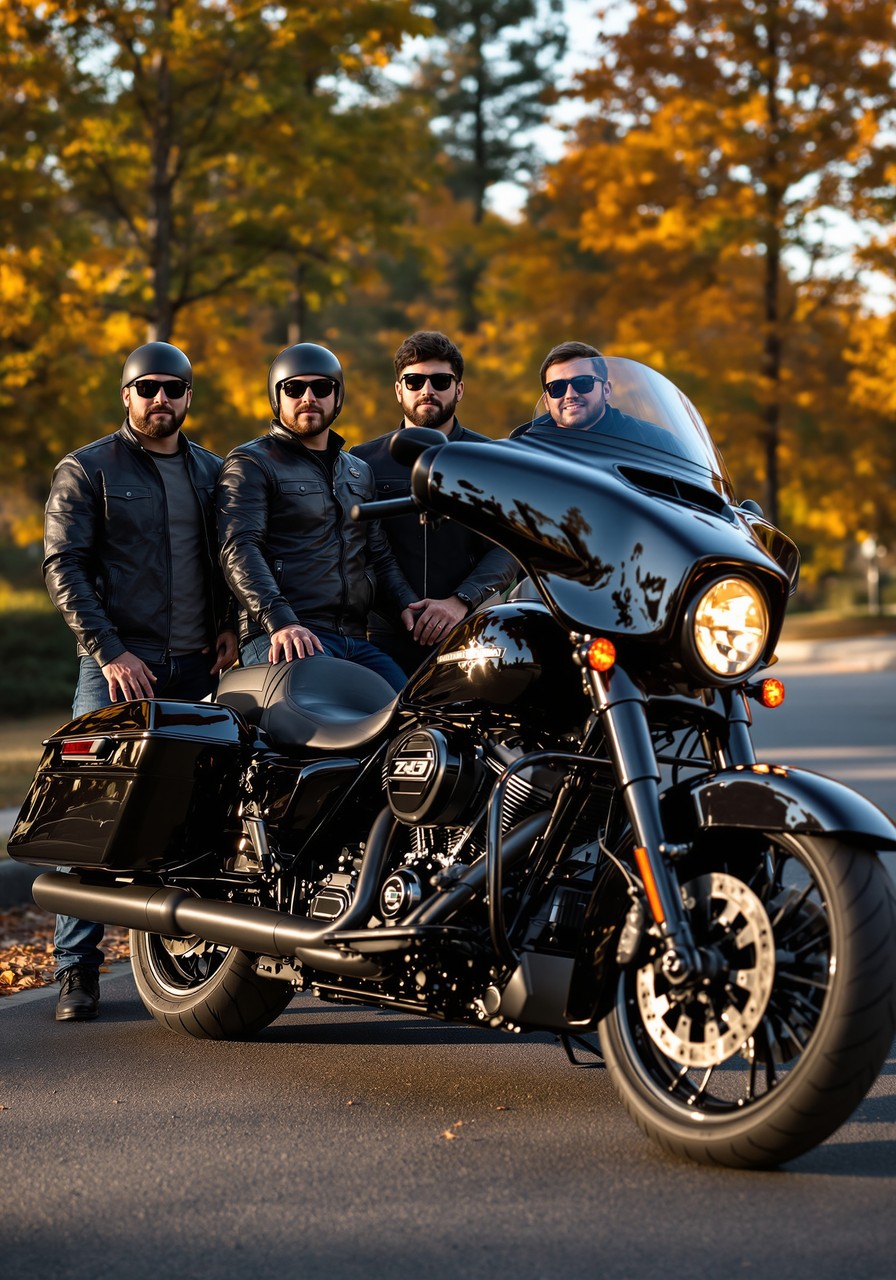
Still on the fence about reaching out after your crash? The BikersWin giveaway gives you $20,000 more reasons. Call Moebes Law at (404) 354-5432 for your free entry. #RideNationGA #BikersWin #20kGiveaway
Local Georgia & Rides
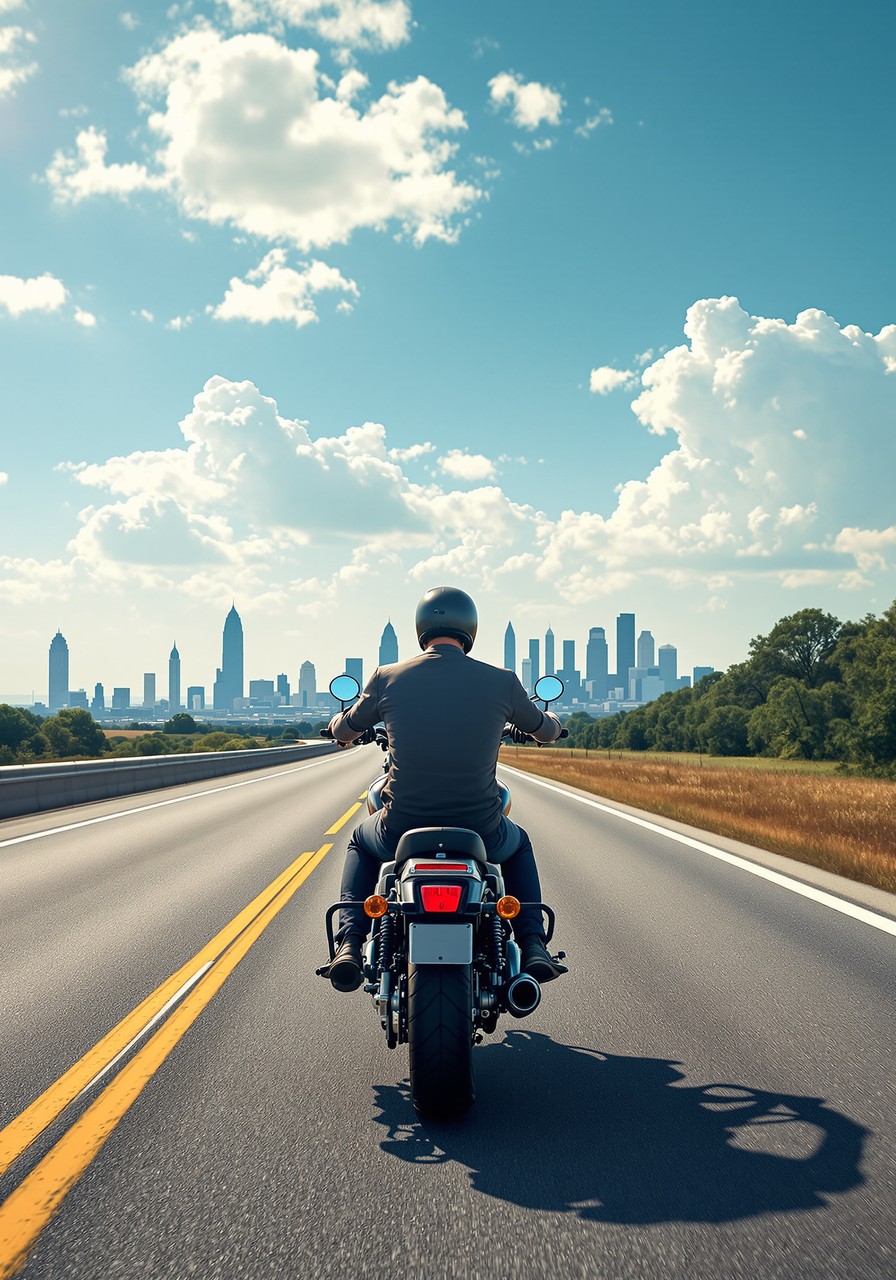
Helen to Unicoi Gap and back down GA-75 is a tidy half-day loop. Alpine village charm on one end, mountain switchbacks on the other. #RideNationGA #Helen #NorthGeorgia #GA75
Gear & New Iron
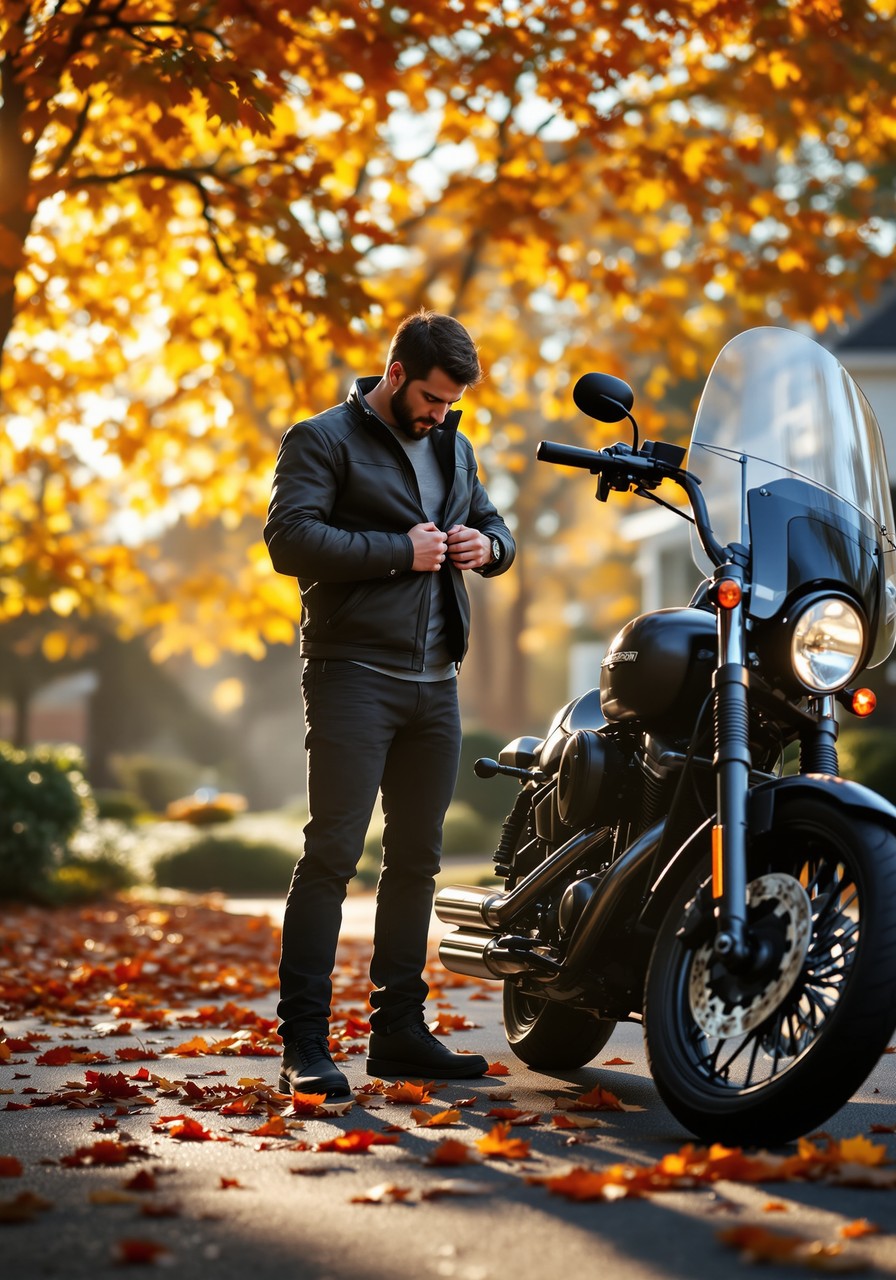
That new-model itch is real when the dealership floor is shining. Test ride first, dream responsibly second. #RideNationGA #NewBikeDay #AtlantaRiders
Safety & Georgia Law
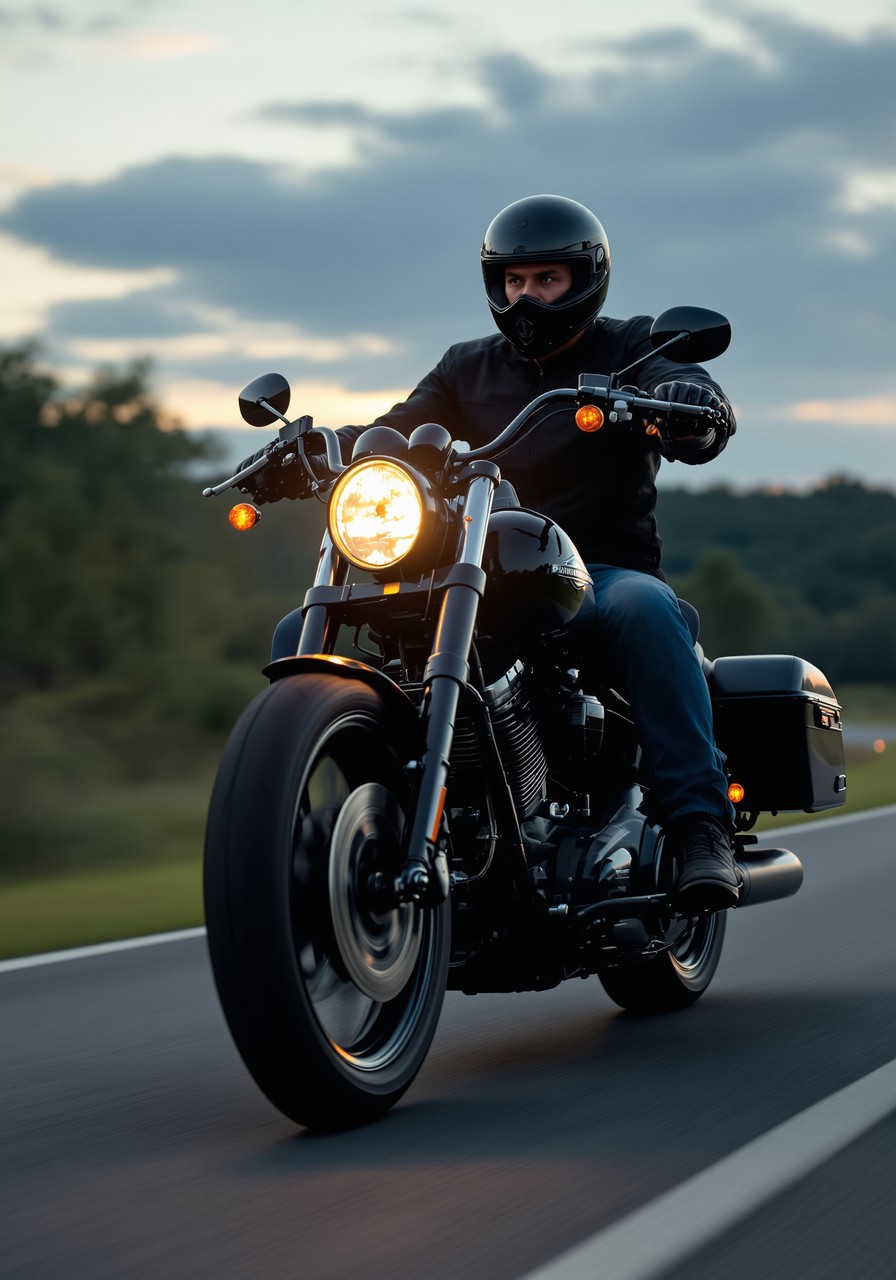
That two-year clock on injury claims runs whether or not you're ready. Don't let a deadline decide for you. Call Moebes Law at (404) 354-5432. #RideNationGA #RideSafe #KnowTheLaw
Engagement
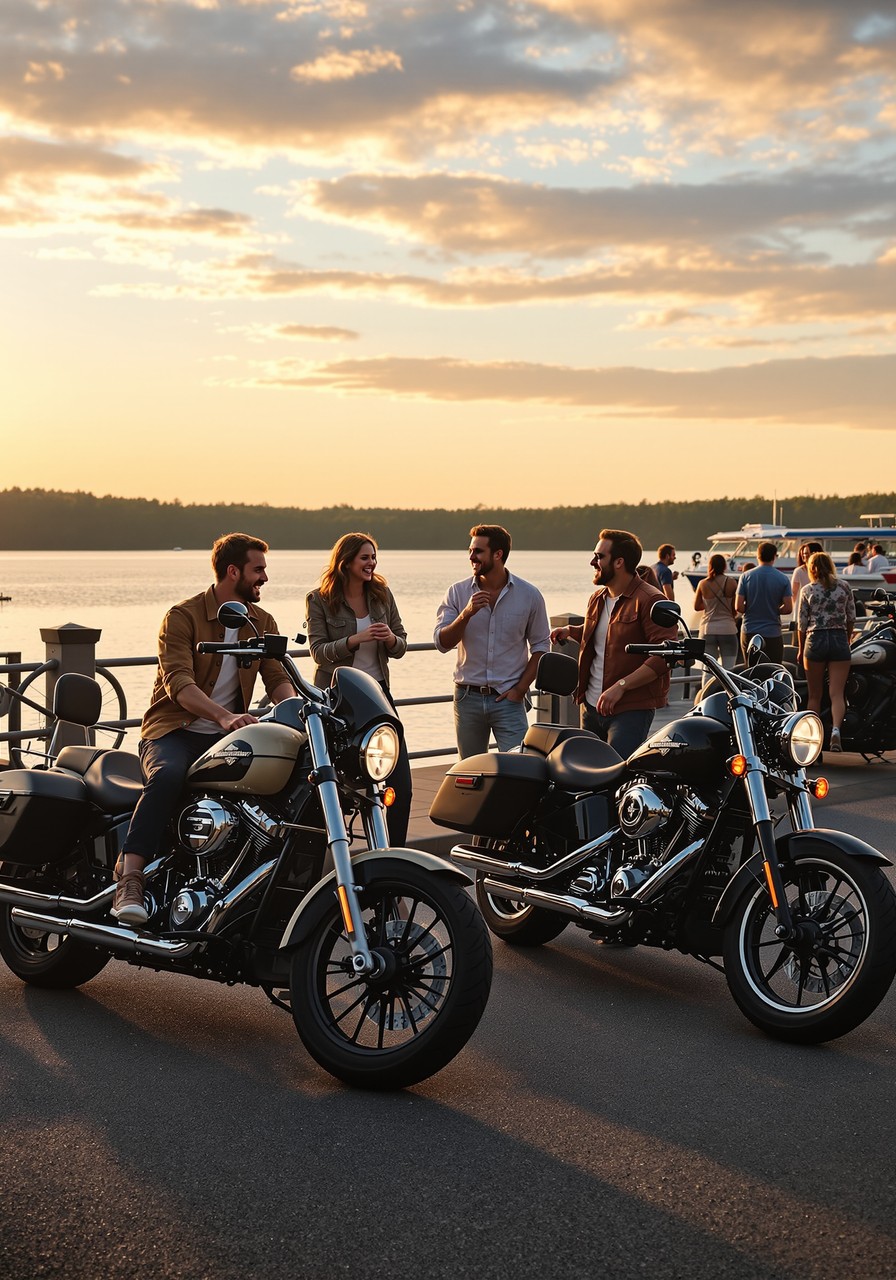
Rider confession: fall foliage season turns me into that person who stops every five miles for a photo. Guilty. #RideNationGA #FallFoliage #NorthGeorgia
Giveaway & Countdown
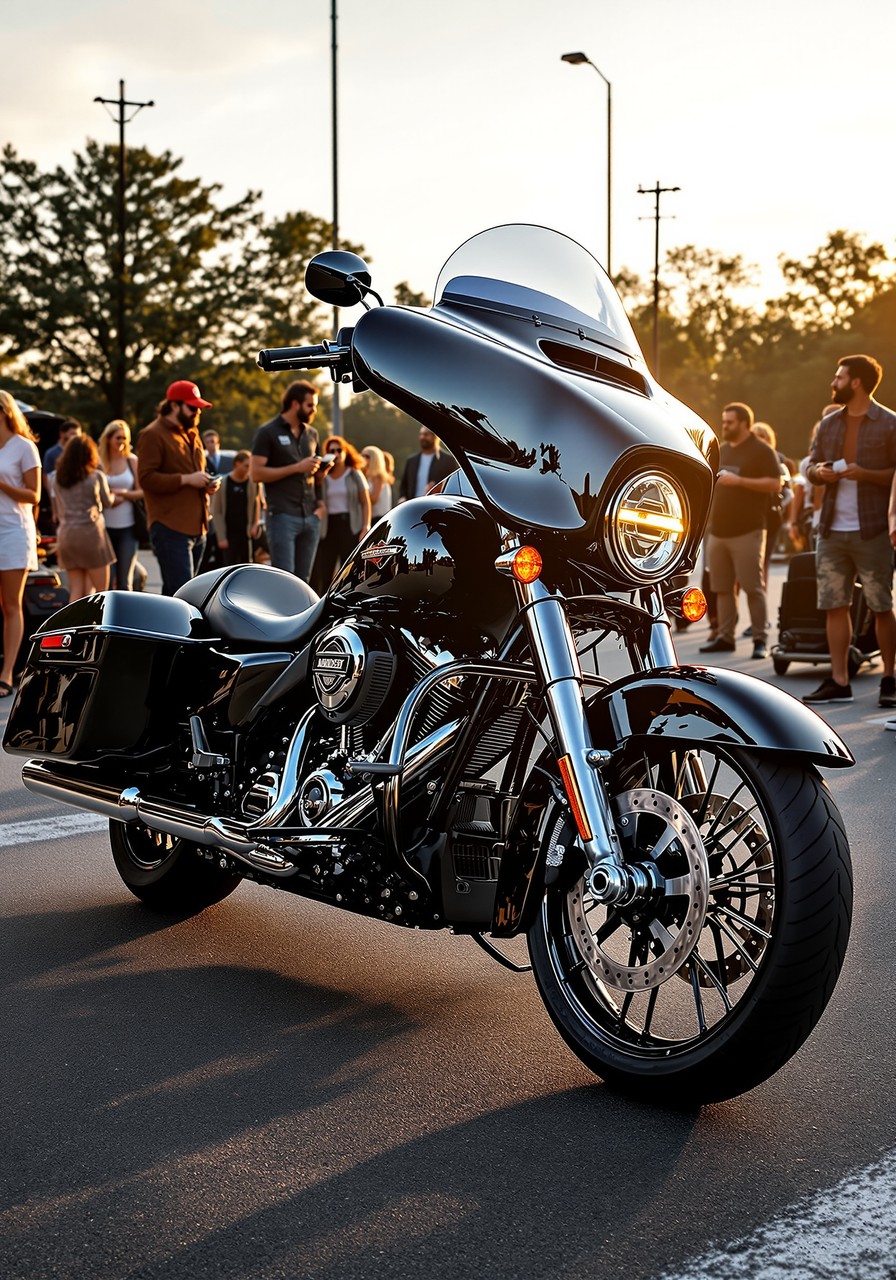
The draw is December 10 and it will be here before you know it. Talk to us about your motorcycle crash and get entered for free. #RideNationGA #20kGiveaway #BikersWin
Local Georgia & Rides
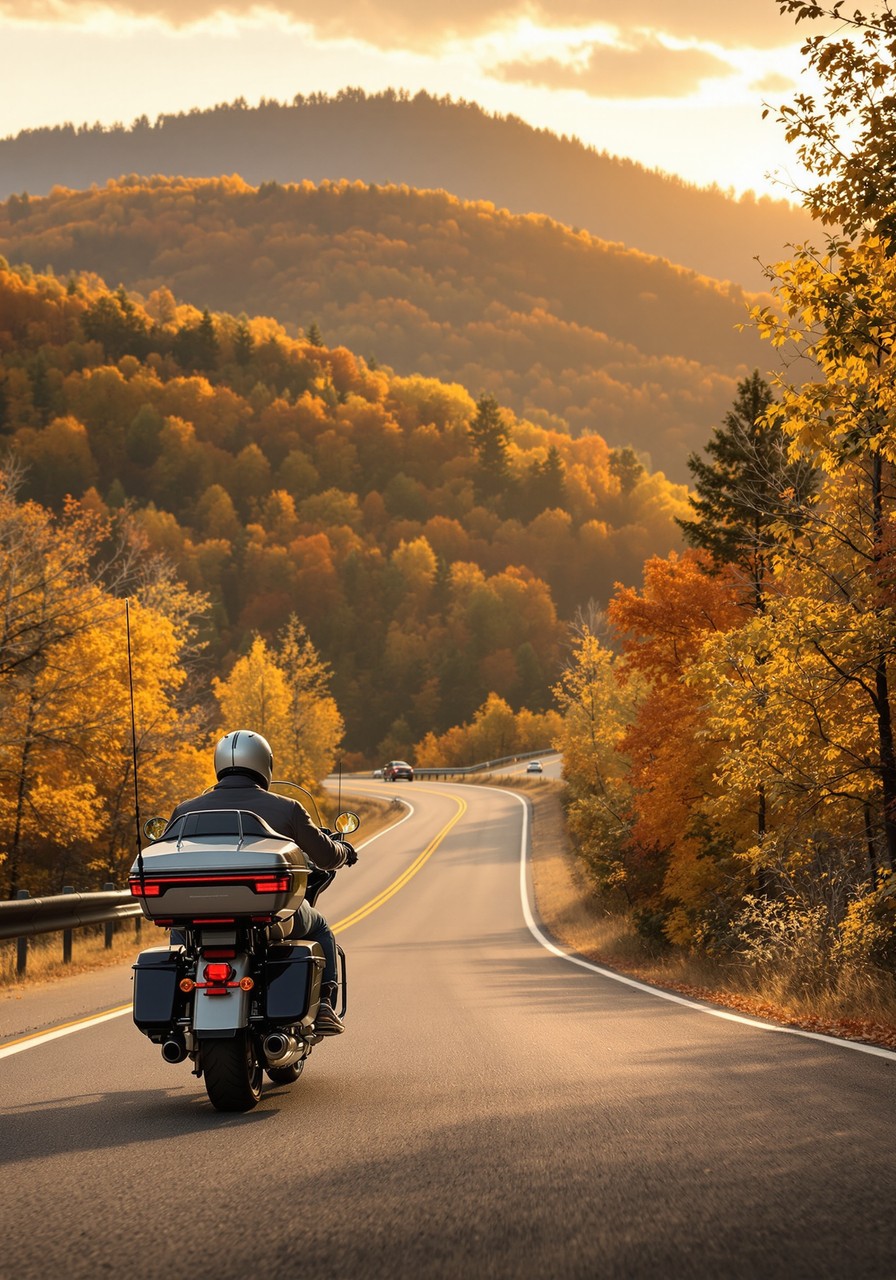
Afternoon thunderstorms are a summer certainty in Georgia. Get your mountain miles in early and you will usually beat the boomers home. Check the radar before you saddle up. #RideNationGA #GeorgiaRiding #AtlantaRiders #SummerRiding
Gear & New Iron
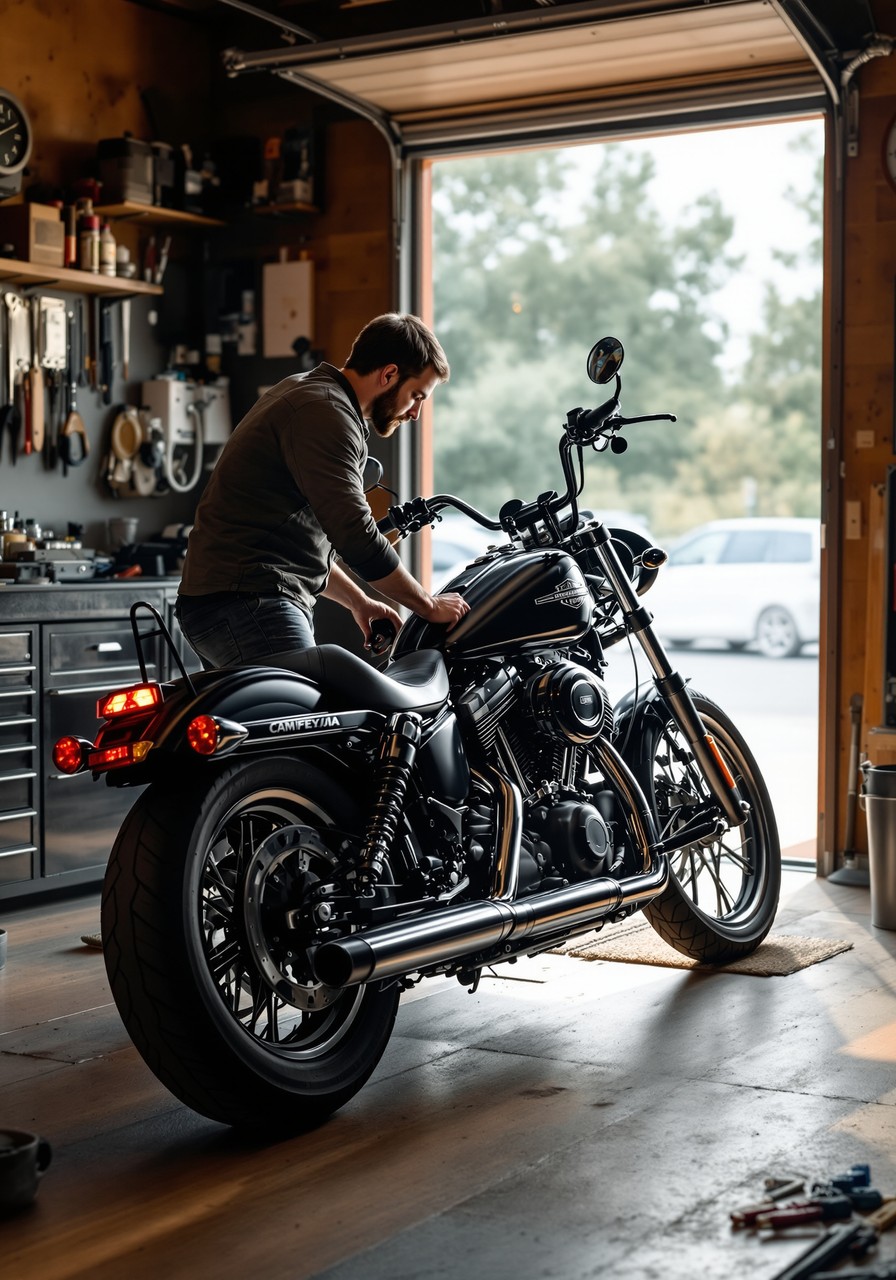
A back protector is the piece of armor nobody sees and everybody's glad they wore. Slide it in and forget it's there. #RideNationGA #ATGATT #RideSafe
Safety & Georgia Law
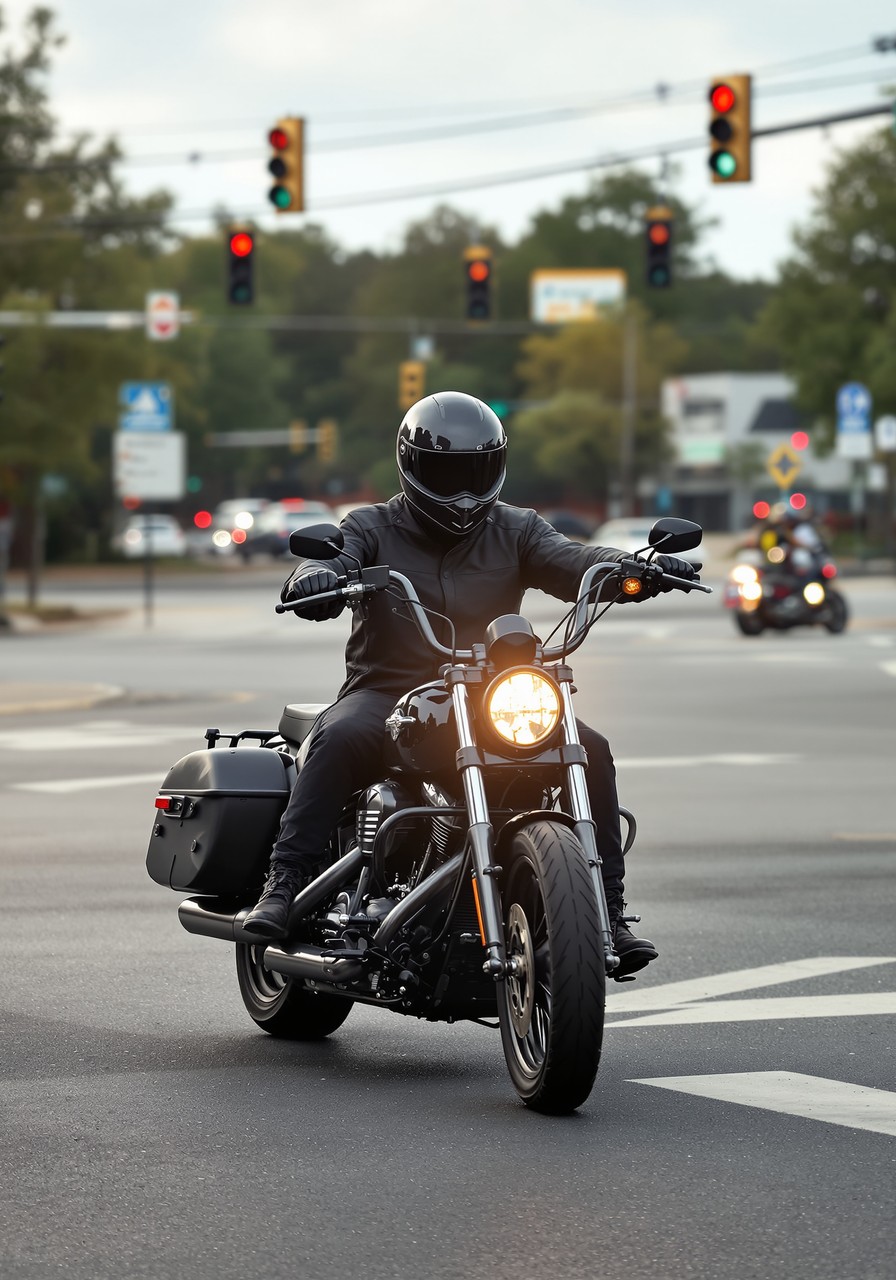
Filtering between stopped cars feels efficient, but it's illegal in Georgia and drivers won't expect it. Stay in your lane. #RideNationGA #RideSafe #KnowTheLaw
Engagement
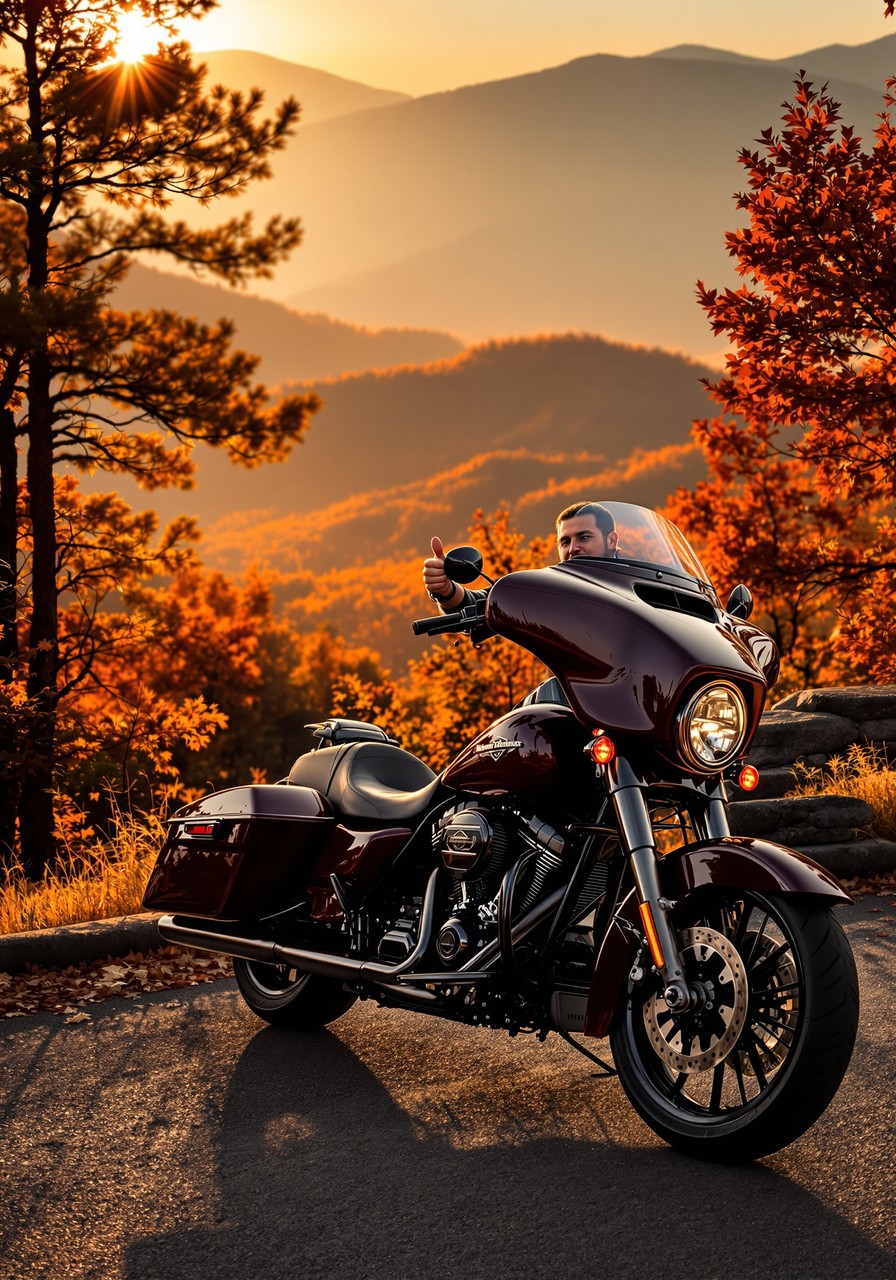
This or that: pack a lunch or find a spot in town? How does your crew roll? #RideNationGA #AtlantaRiders #NorthGeorgia
Giveaway & Countdown
Georgia riders, this is your sign. A $20,000 motorcycle giveaway, free entry, one winner on December 10. Start at moelaw.com. #RideNationGA #BikersWin #20kGiveaway
Local Georgia & Rides
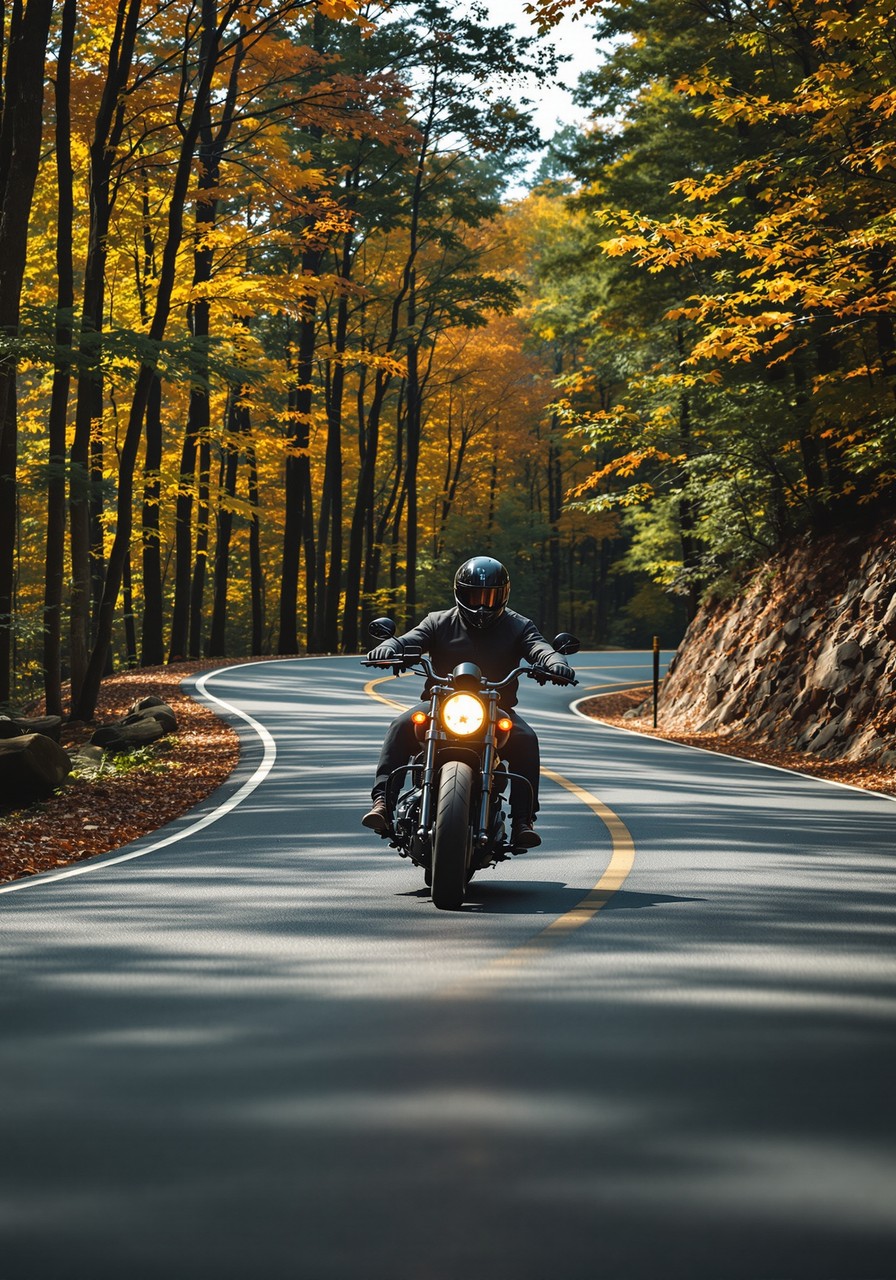
Tallulah Falls to Clayton on US-441 is a smooth, scenic run into the Rabun County high country. Great warmup before the tighter gaps further west. #RideNationGA #TallulahGorge #Rabun #NorthGeorgia
Gear & New Iron
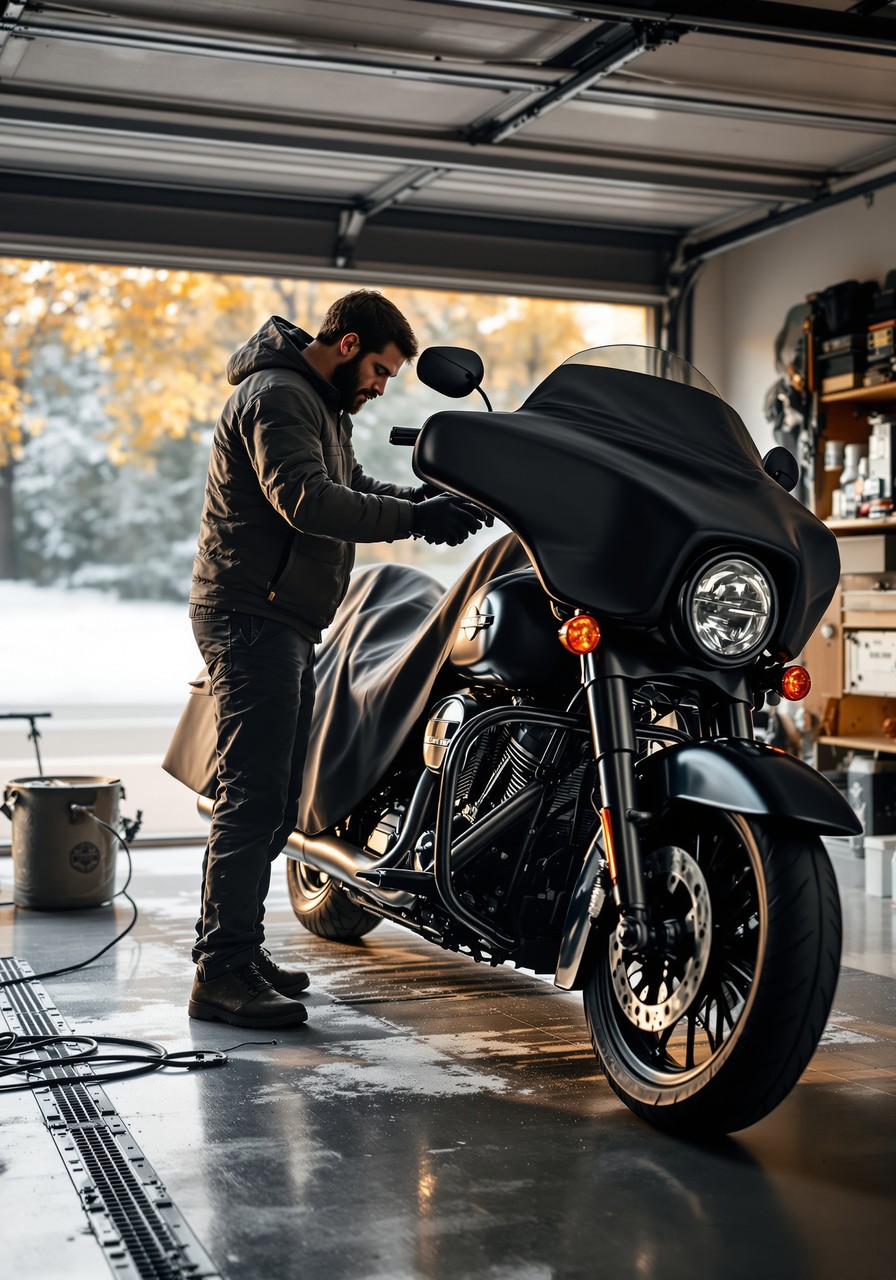
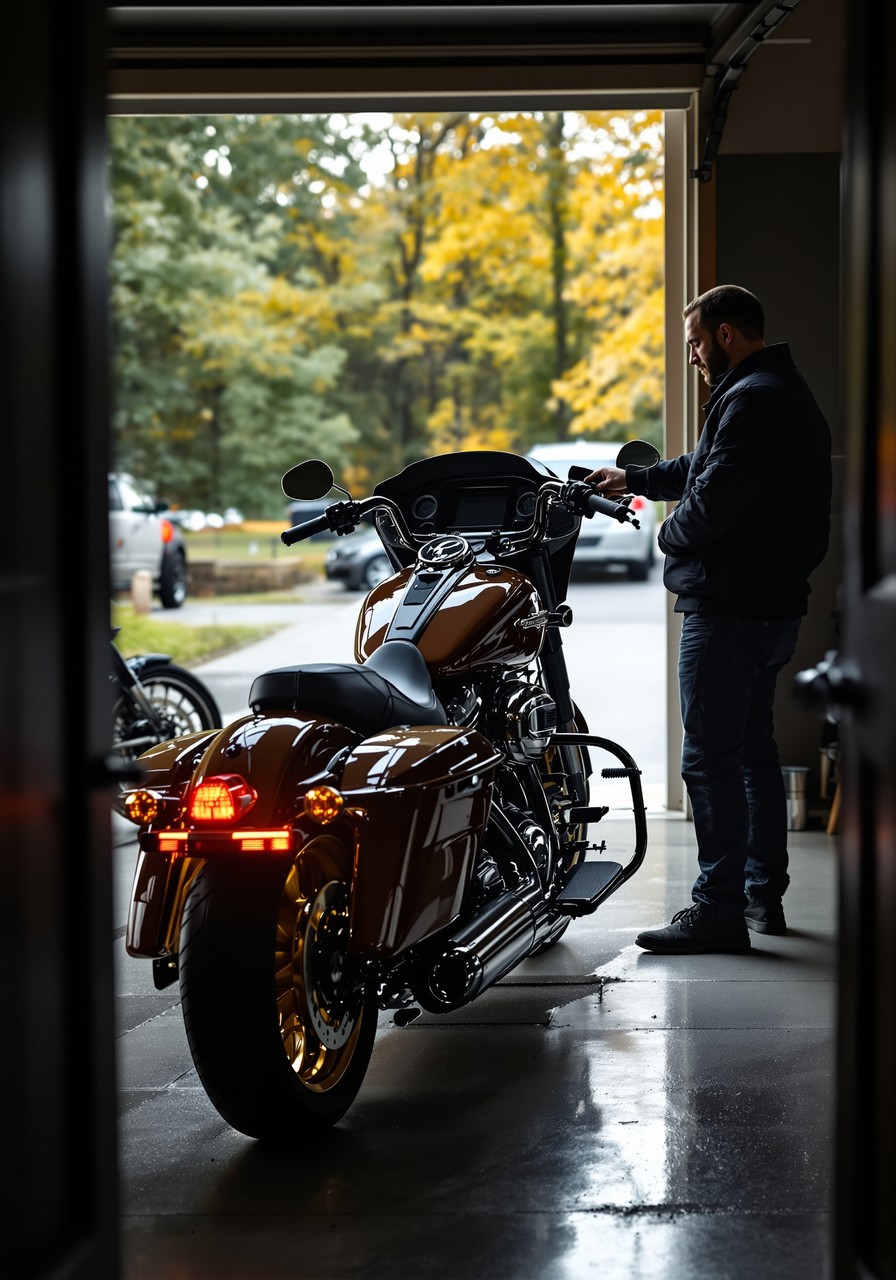
Battery tender season is here. A tender over the cold months means a healthy crank on that first warm Georgia weekend. #RideNationGA #MotoMaintenance #WinterPrep
Safety & Georgia Law
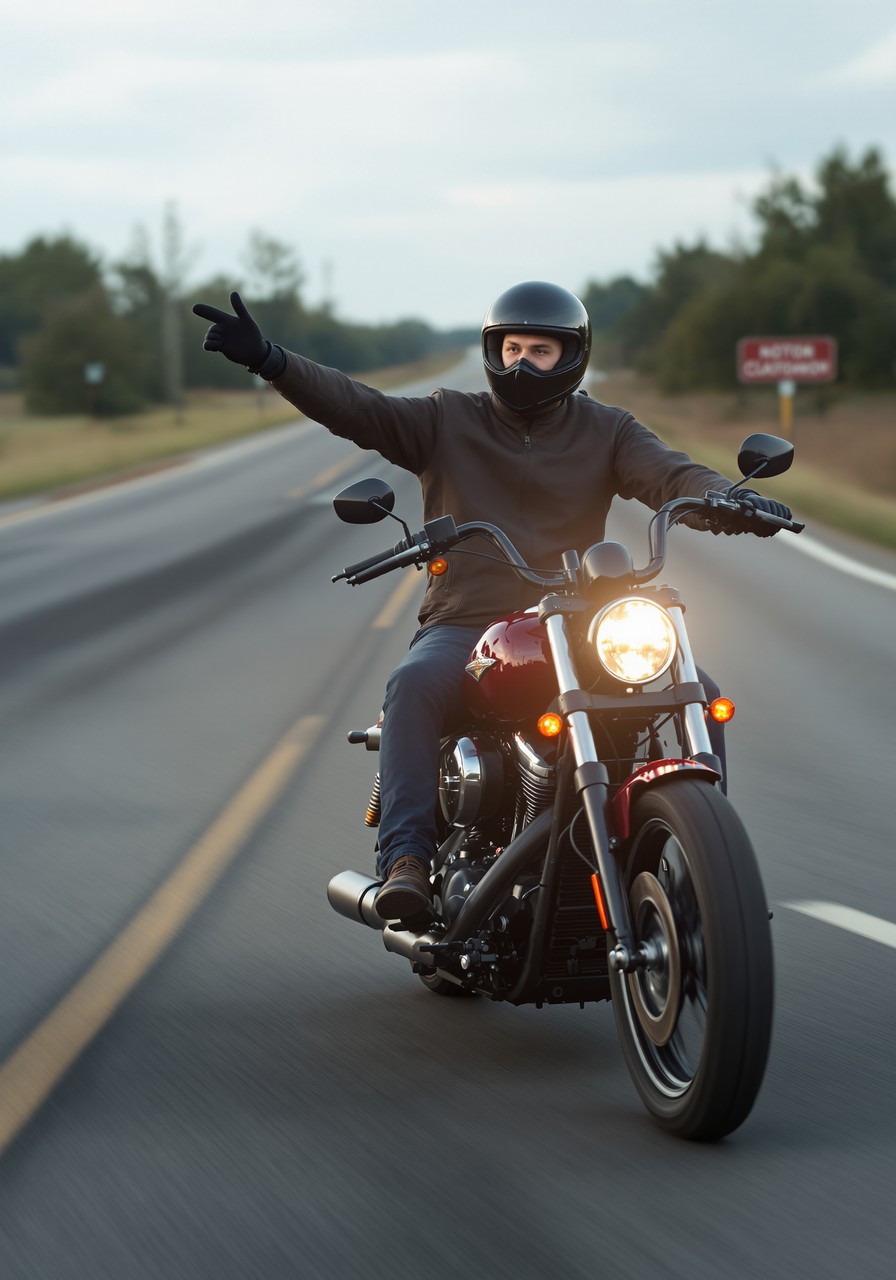
Every rider and passenger needs a DOT helmet in Georgia. Check that sticker before you check the mirror. #RideNationGA #RideSafe #GearUp
Engagement
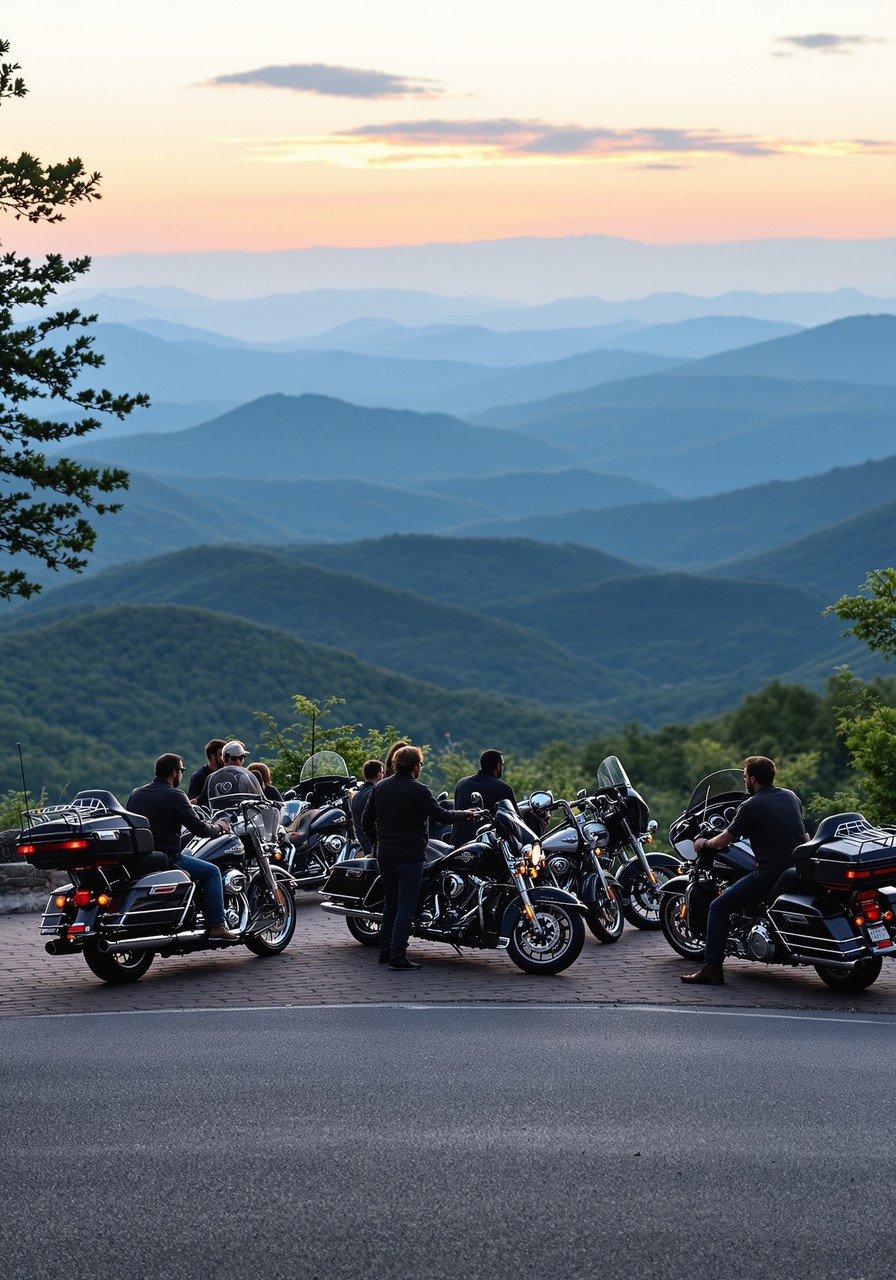
Fill in the blank: Deer season means ______ for how I ride the mountain roads. Share your rule. #RideNationGA #DeerSeason #NorthGeorgia
Giveaway & Countdown
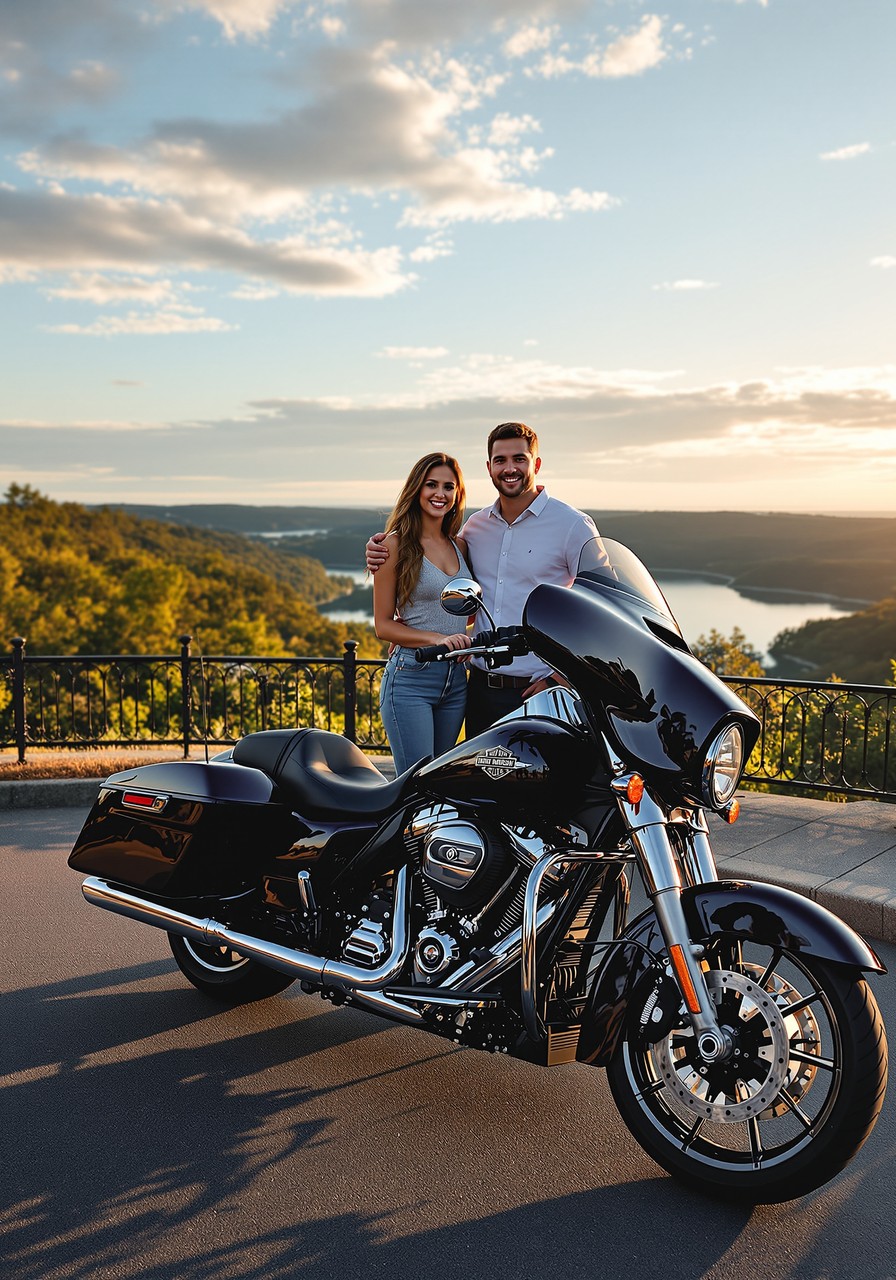
We love seeing the buzz build around the BikersWin giveaway. Every rider who talks to us about a crash gets a free entry toward $20K. Call (404) 354-5432. #RideNationGA #20kGiveaway #BikersWin
Local Georgia & Rides
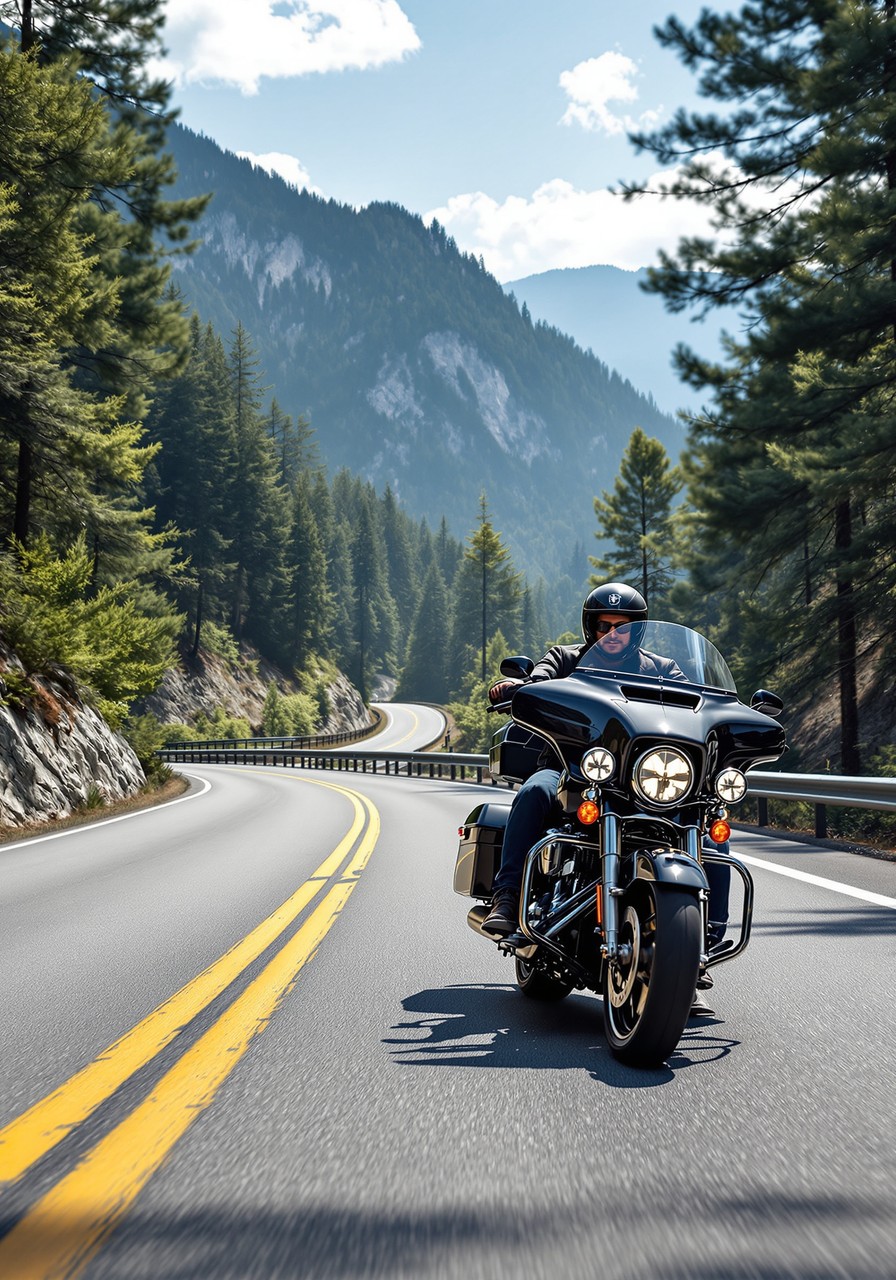
The Perimeter and Spaghetti Junction are a rite of passage for metro Atlanta riders. Stay visible, keep your head on a swivel, and enjoy the open road once you clear I-285. #RideNationGA #AtlantaRiders #I285 #GeorgiaRiding
Gear & New Iron
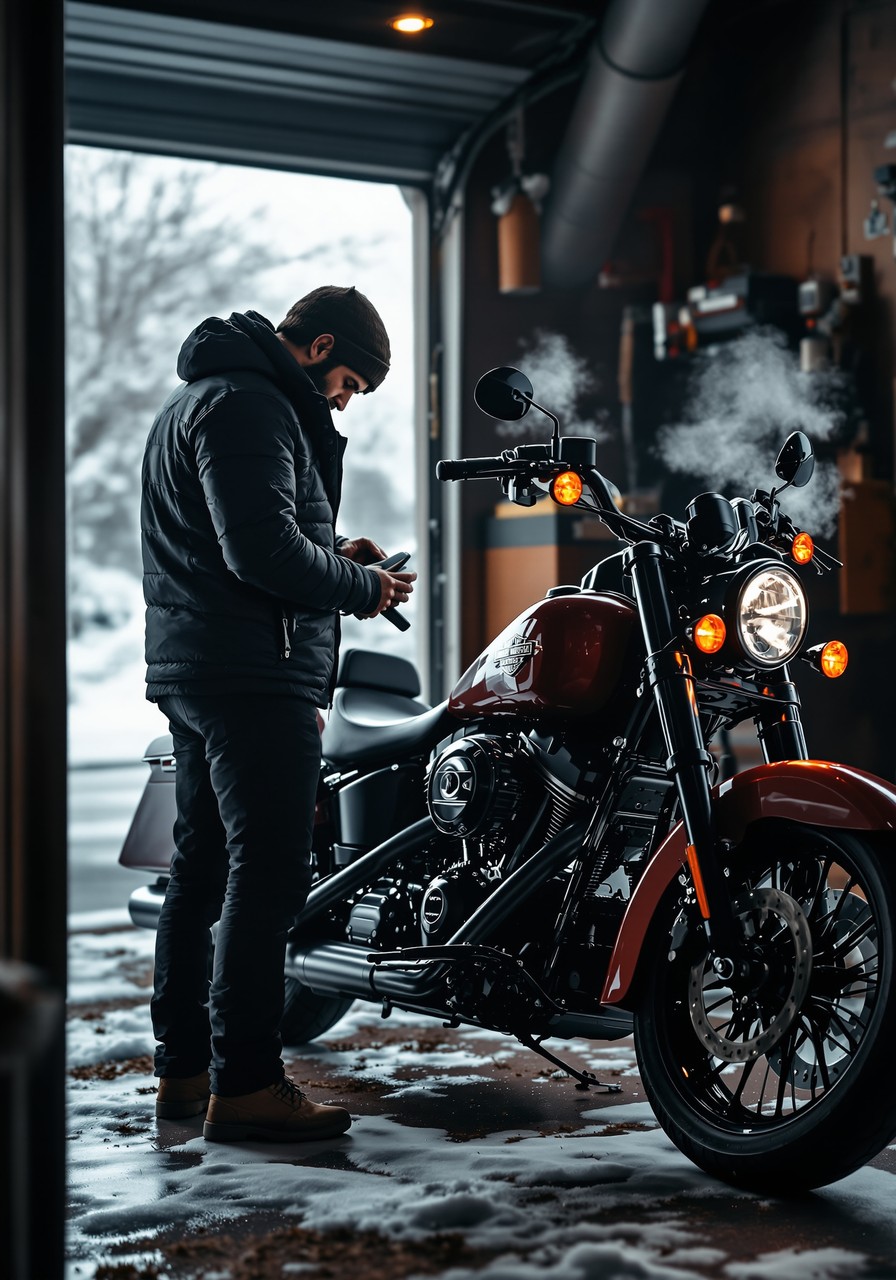
Reflective piping and patches earn their keep at dusk. Small detail, big visibility on the ride home. #RideNationGA #HiViz #RideSafe
Safety & Georgia Law
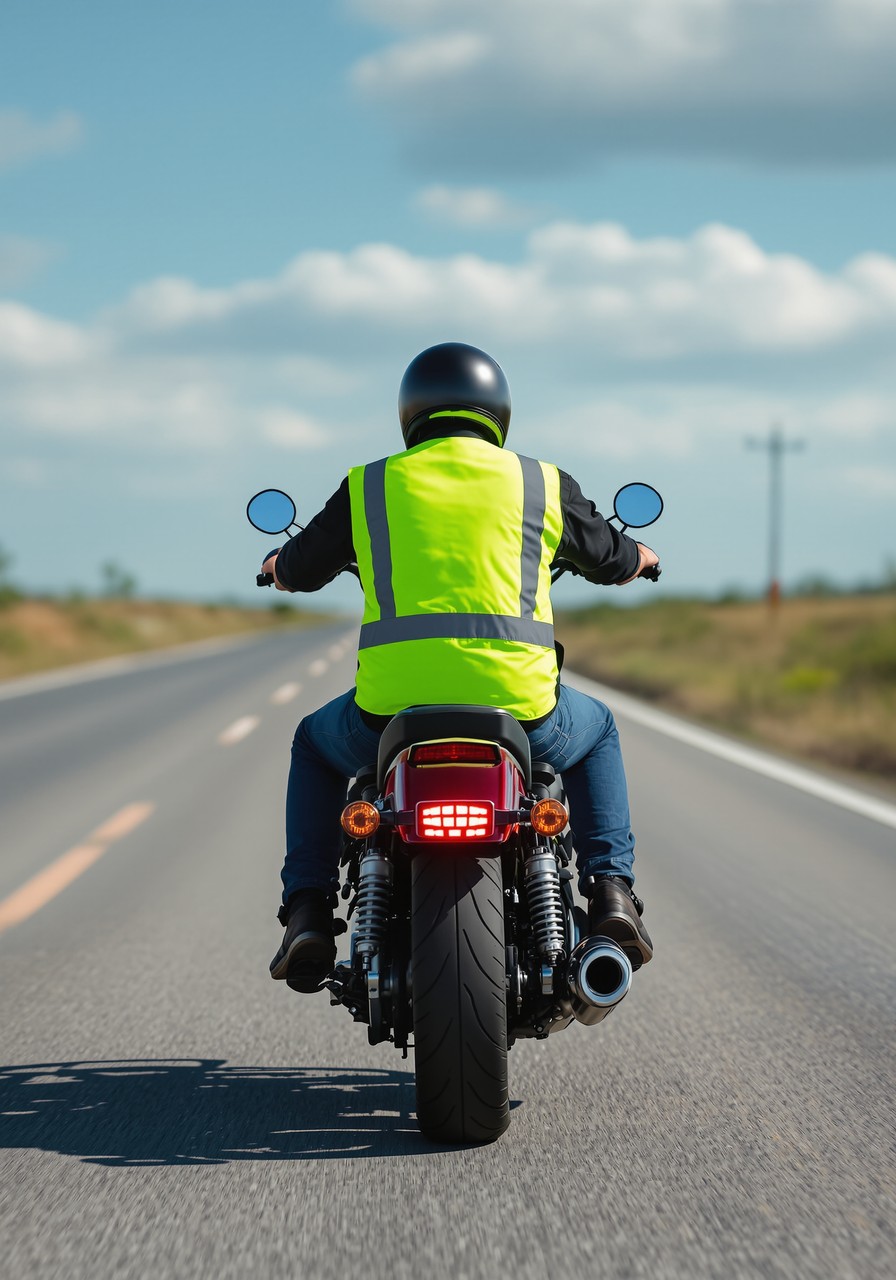
Left-turn crashes are some of the most common ones we see, and fault often lands on the turning driver. Insurers still push back. Questions? Call Moebes Law at (404) 354-5432. #RideNationGA #RideSafe #LeftTurnAware
Engagement
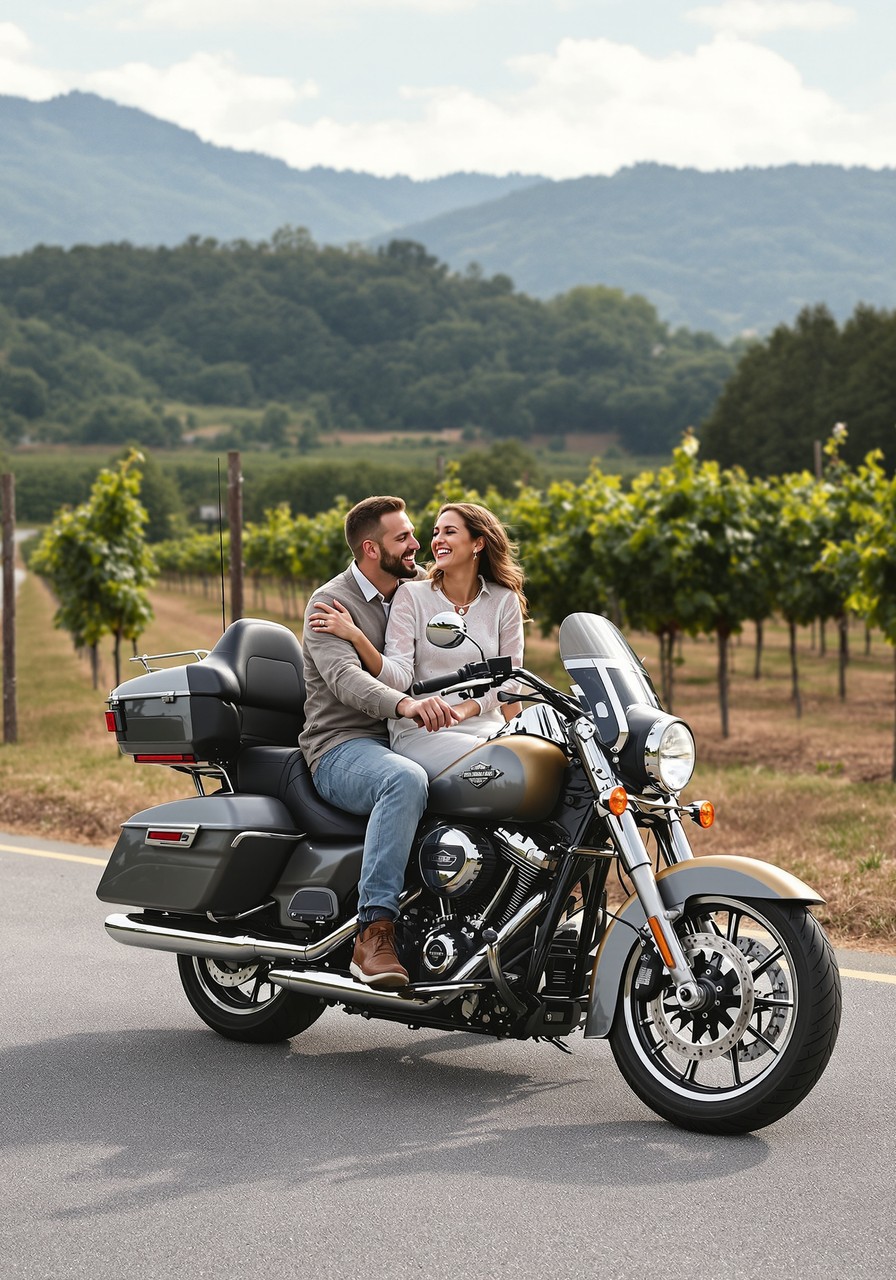
Tag your ride-or-die who never bails when the group chat says who is in? Loyalty like that is rare. #RideNationGA #AtlantaRiders #NorthGeorgia
Giveaway & Countdown
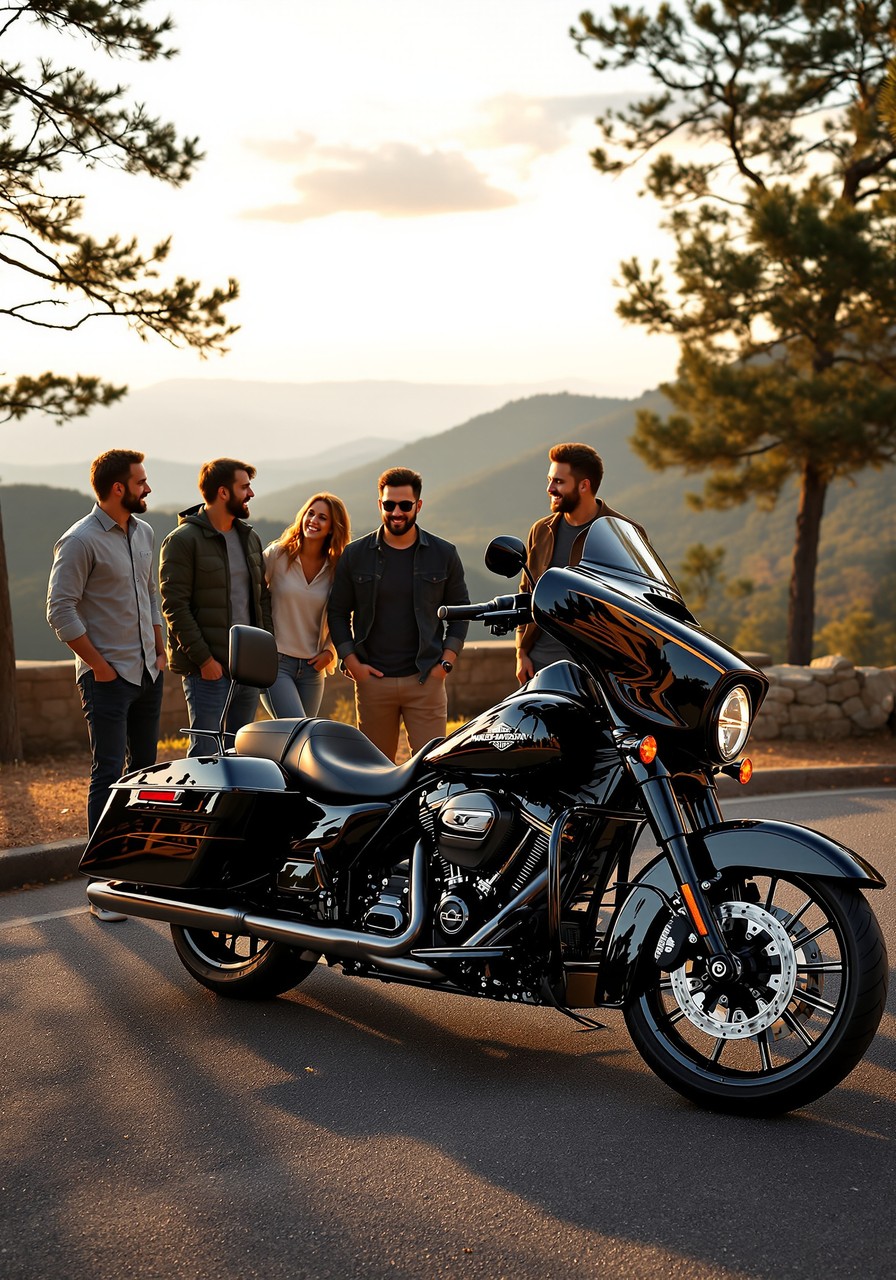
Time is ticking toward December 10. Twenty thousand dollars goes to one rider and entry is completely free. Reach out to Moebes Law today. #RideNationGA #BikersWin #20kGiveaway
Local Georgia & Rides
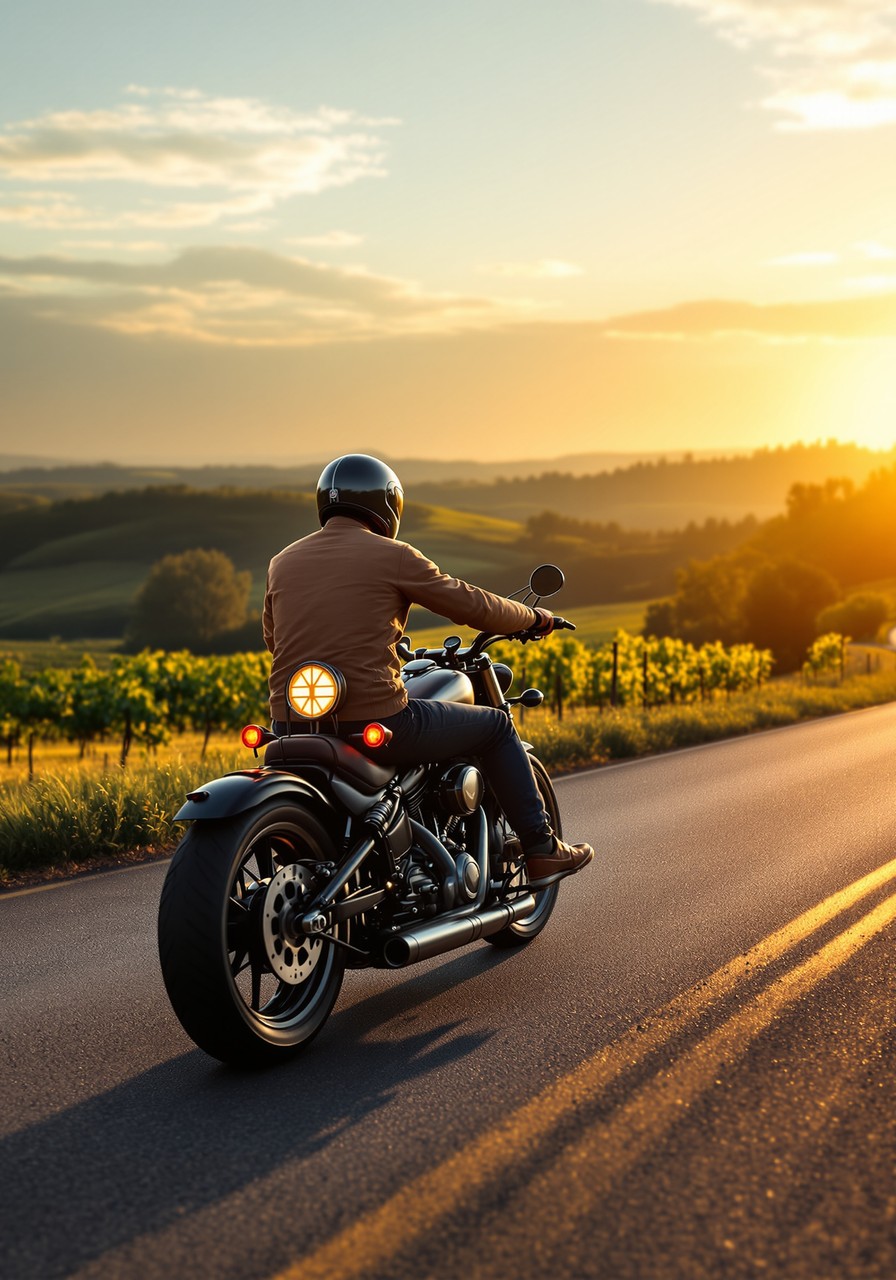
Blood Mountain in peak foliage is a bucket-list ride for a reason. The whole ridgeline lights up orange and red above US-19/129. Go on a weekday if you can. #RideNationGA #BloodMountain #FallFoliage #NorthGeorgia
Gear & New Iron
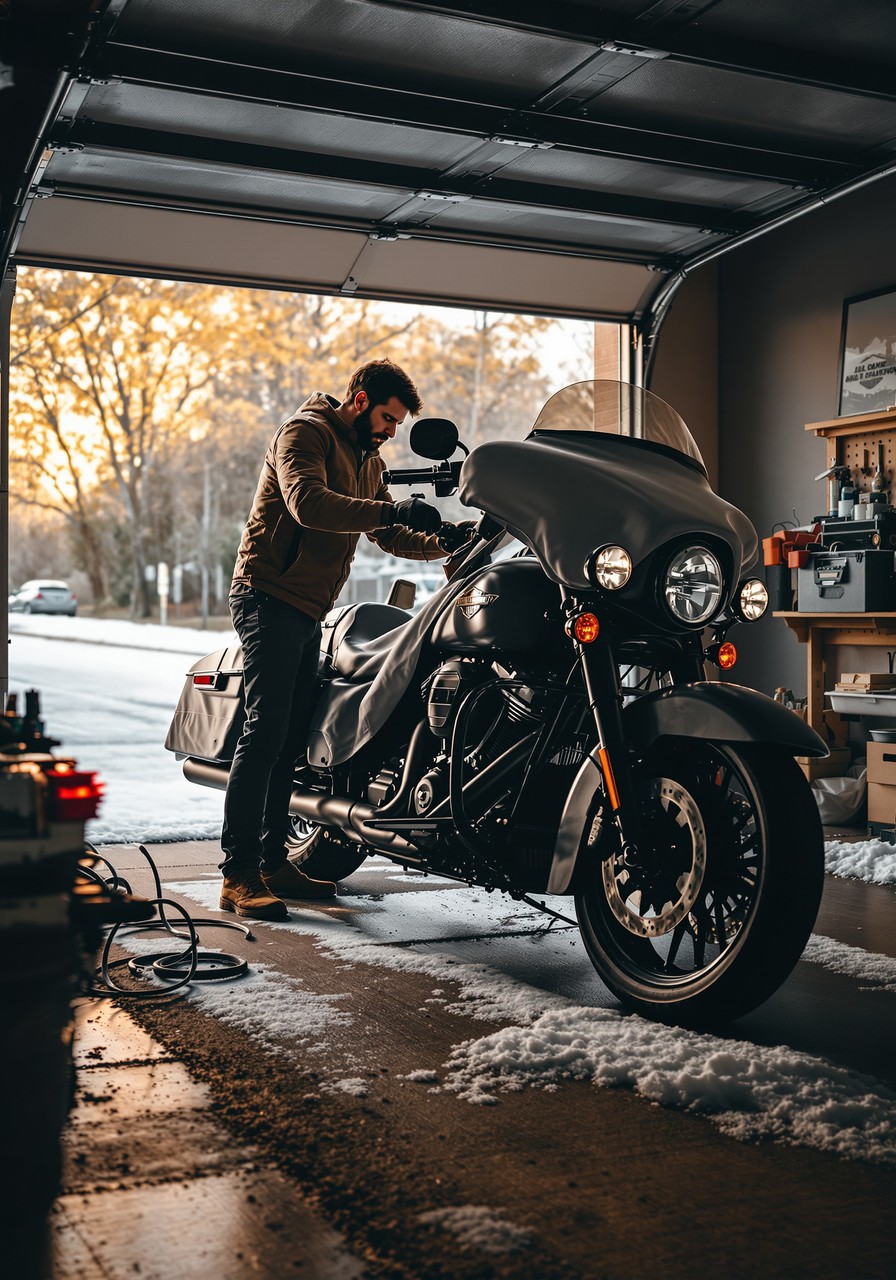
Pinlock inserts kill fog on cold mornings so your visor stays clear from the driveway to the on-ramp. Cheap fix, huge difference. #RideNationGA #NorthGeorgia #GearTips
Safety & Georgia Law
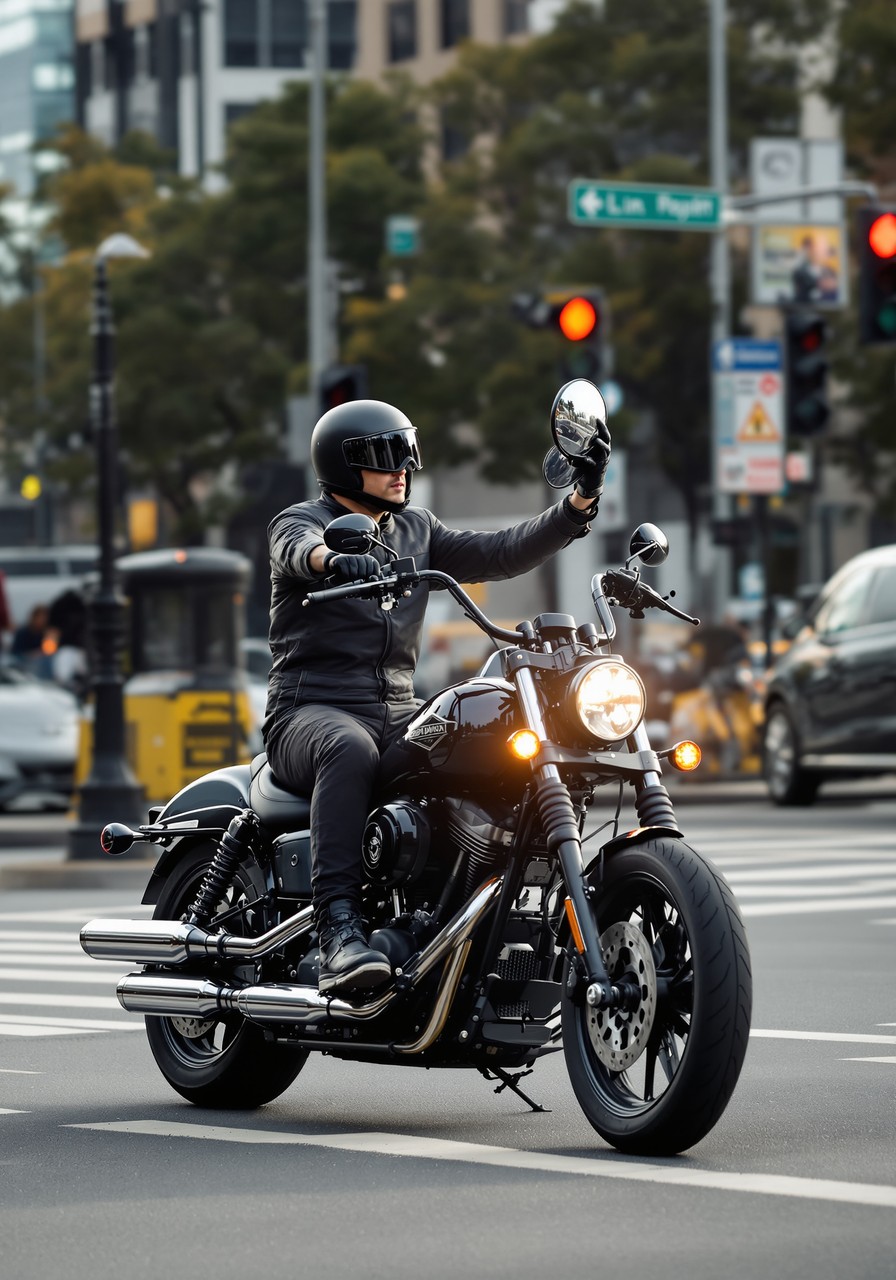
Big rigs and blind spots don't mix with two wheels. If you can't see their mirrors, they can't see you. #RideNationGA #RideSafe #ShareTheRoad
Engagement
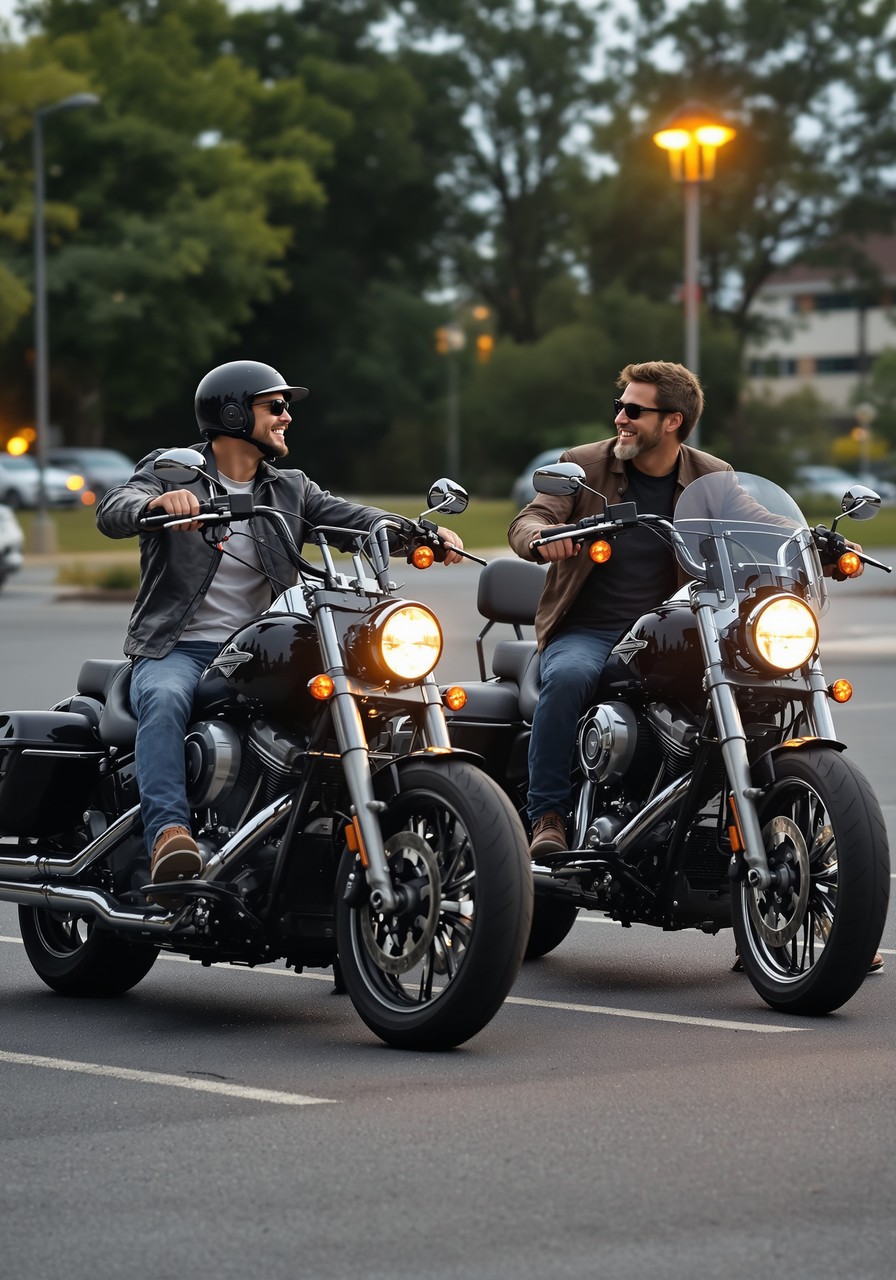
Caption this: GA-400 wide open early Sunday, the rare morning it actually feels like freedom. #RideNationGA #GA400 #AtlantaRiders
Giveaway & Countdown
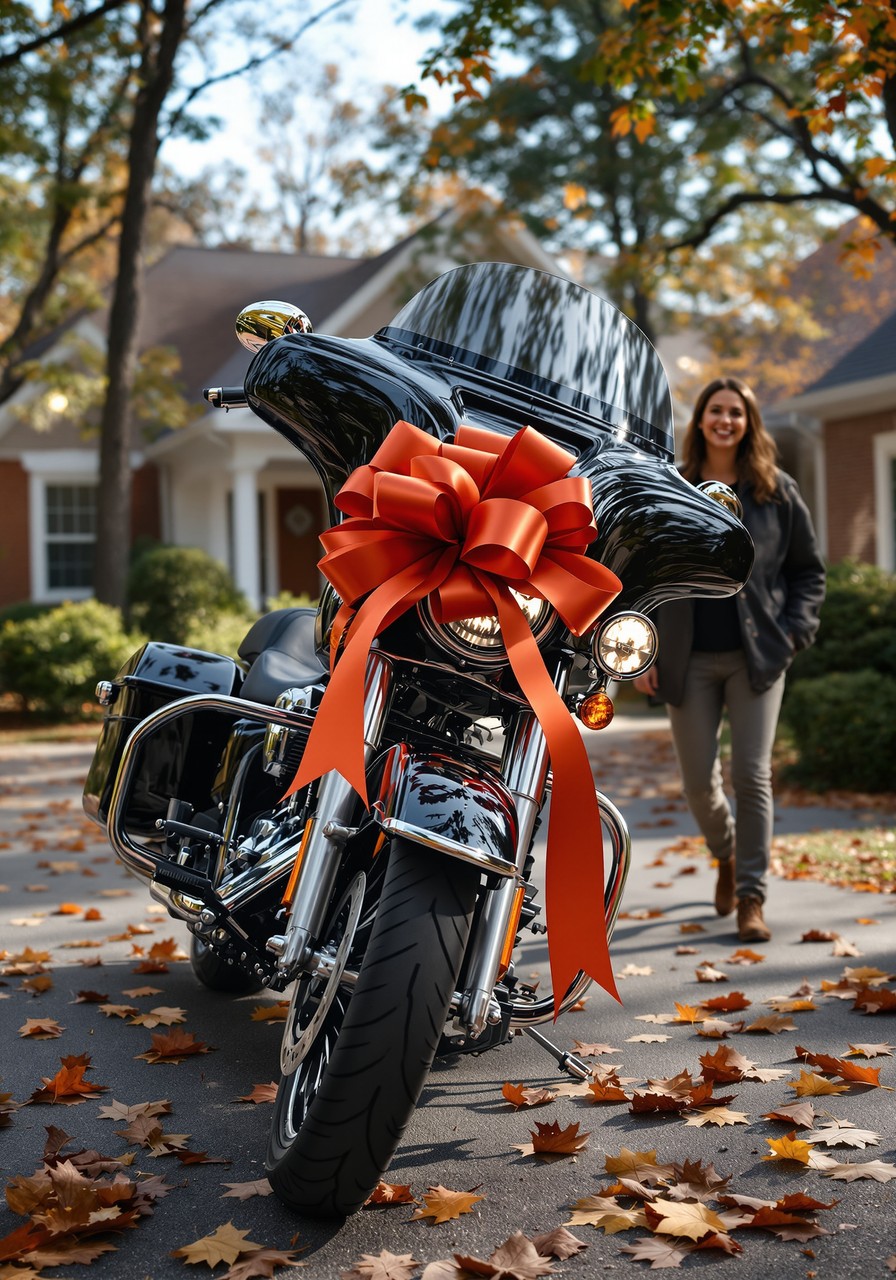
Curious how the $20K giveaway works? Talk to Colonel Moe about your motorcycle crash and you're entered at no cost. All the details live at moelaw.com. #RideNationGA #20kGiveaway #BikersWin
Local Georgia & Rides
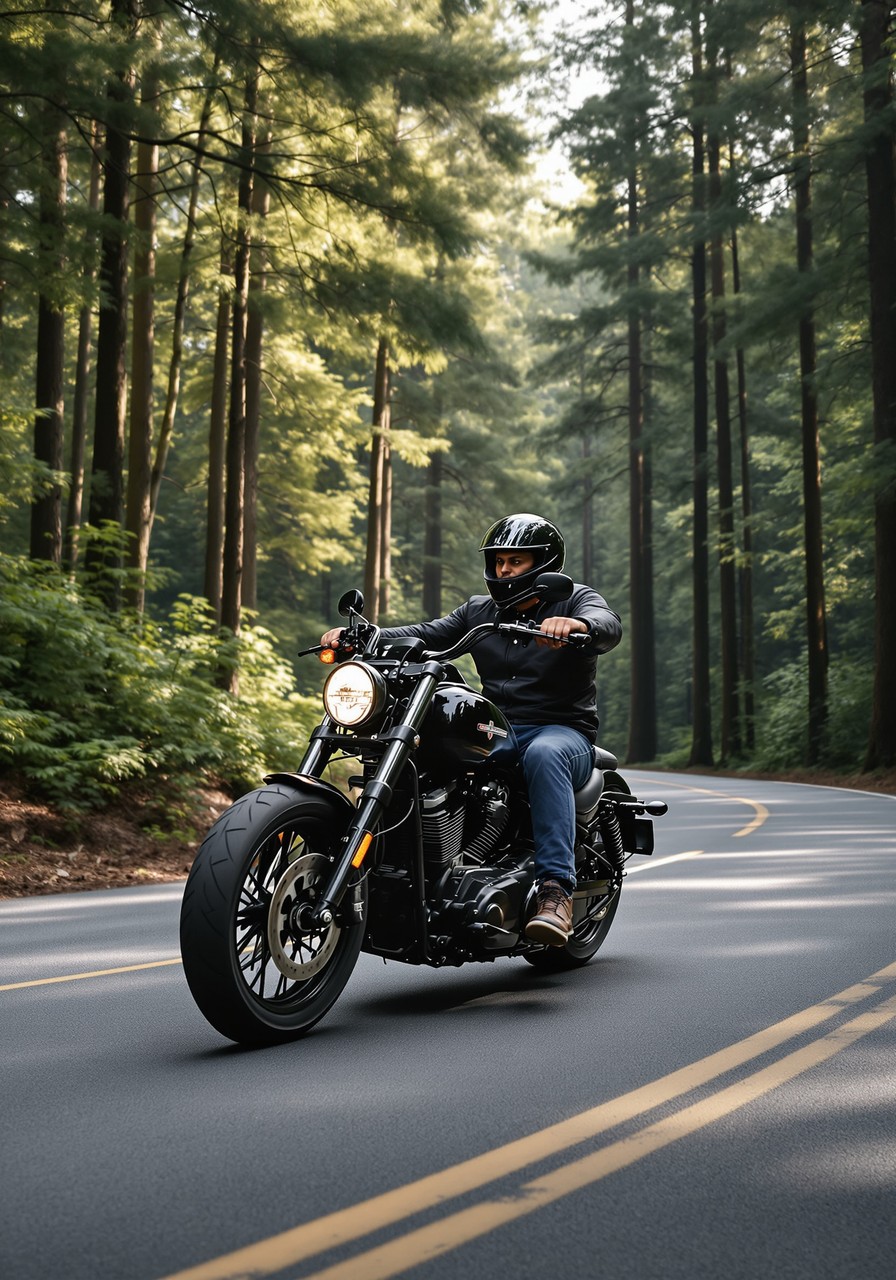
Suches is small, but the riding around it is anything but. Wolf Pen Gap, Woody Gap, and the Loop all meet right here. Two Wheels is the heartbeat of it all. #RideNationGA #Suches #WolfPenGap #NorthGeorgia
Gear & New Iron
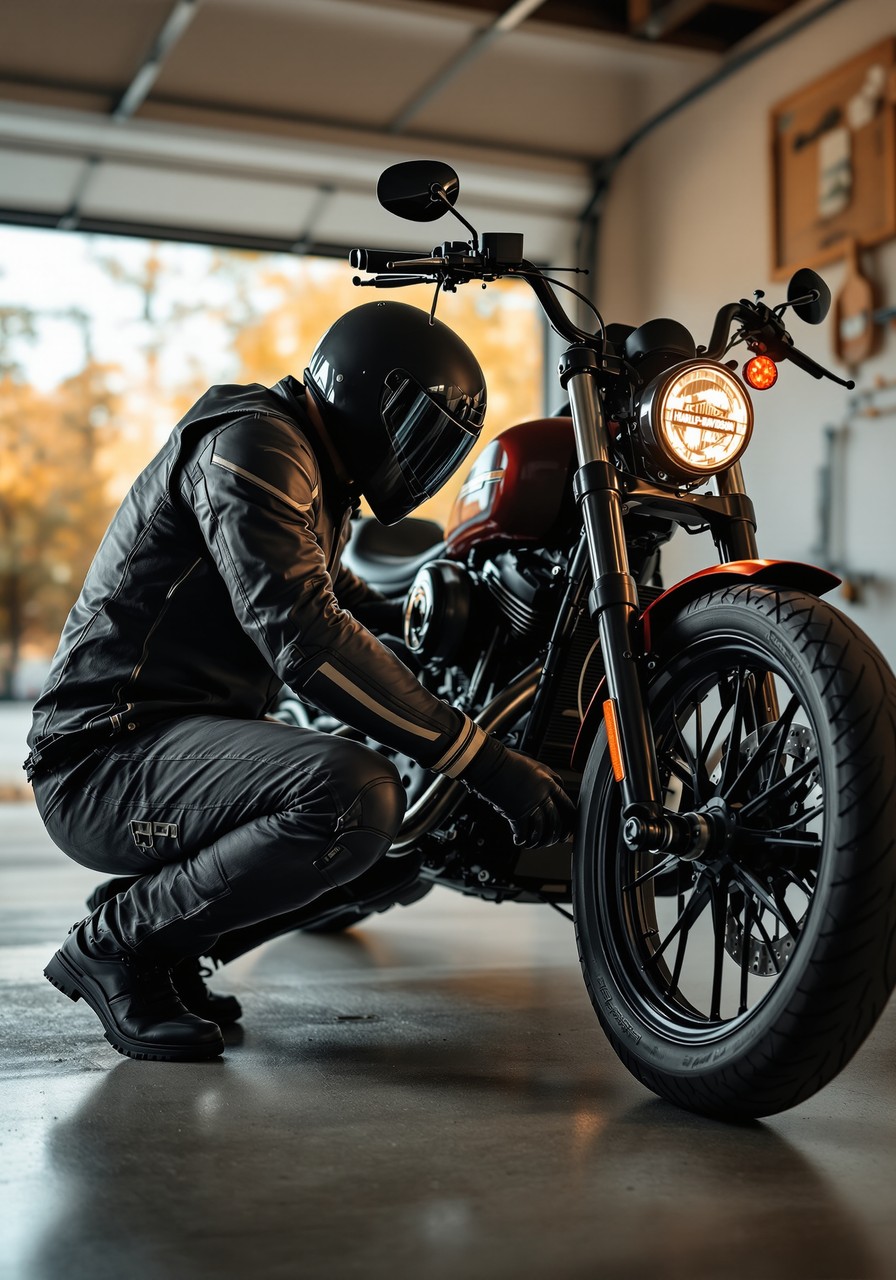
Chain versus belt versus shaft: every drive has its fans. Whatever spins your wheel, keep it maintained and it keeps you rolling. #RideNationGA #MotoMaintenance #GarageTime
Safety & Georgia Law
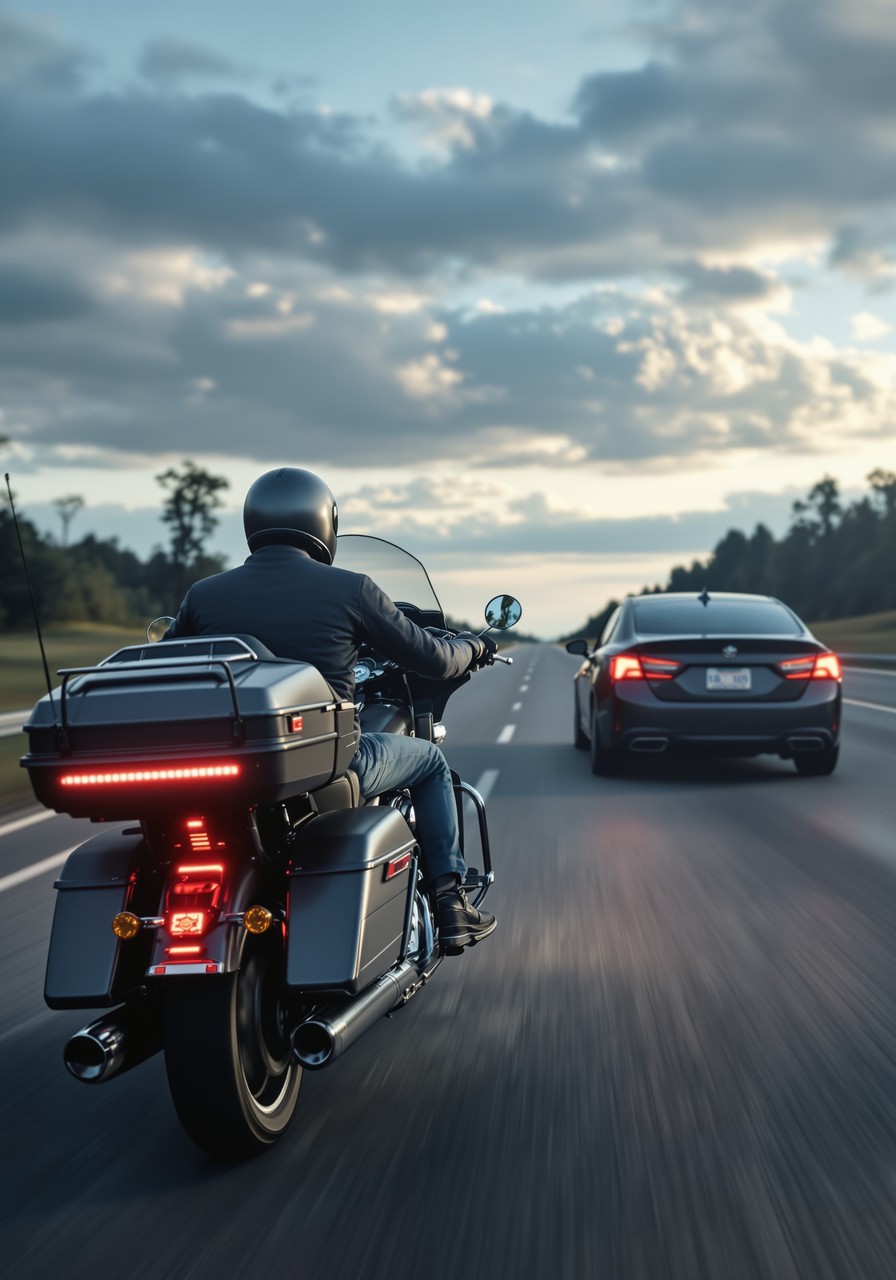
A quick lesson from black-ice season: bridges and overpasses freeze first. Treat them as slick even when the road looks dry. #RideNationGA #RideSafe #WinterRiding
Engagement
Poll: Wolf Pen Gap or Richard Russell first when you have a full day? The order matters, defend it. #RideNationGA #WolfPenGap #GA348
Giveaway & Countdown
Riders keep telling their friends about the BikersWin $20,000 giveaway, and we love it. Drawn December 10. Call Moebes Law at (404) 354-5432 to get in for free. #RideNationGA #BikersWin #20kGiveaway
Local Georgia & Rides
Amicalola Falls to the Dahlonega square makes a relaxed loop for a spring shakedown ride. Waterfall in the morning, wine country in the afternoon. #RideNationGA #AmicalolaFalls #Dahlonega #NorthGeorgia
Gear & New Iron
A proper riding jacket with CE armor at the shoulders and elbows is non-negotiable for me. Comfort and protection can share a zipper. #RideNationGA #ATGATT #MotorcycleGear
Safety & Georgia Law
Never sign or record a statement with the other driver's insurer before you understand your rights. A quick call can save you trouble. Call Colonel Moe at (404) 354-5432. #RideNationGA #RideSafe #CrashTips
Engagement
Rider confession: I have named the potholes on my regular commute. They have earned it. Anyone else? #RideNationGA #AtlantaRiders #ATLtraffic
Giveaway & Countdown
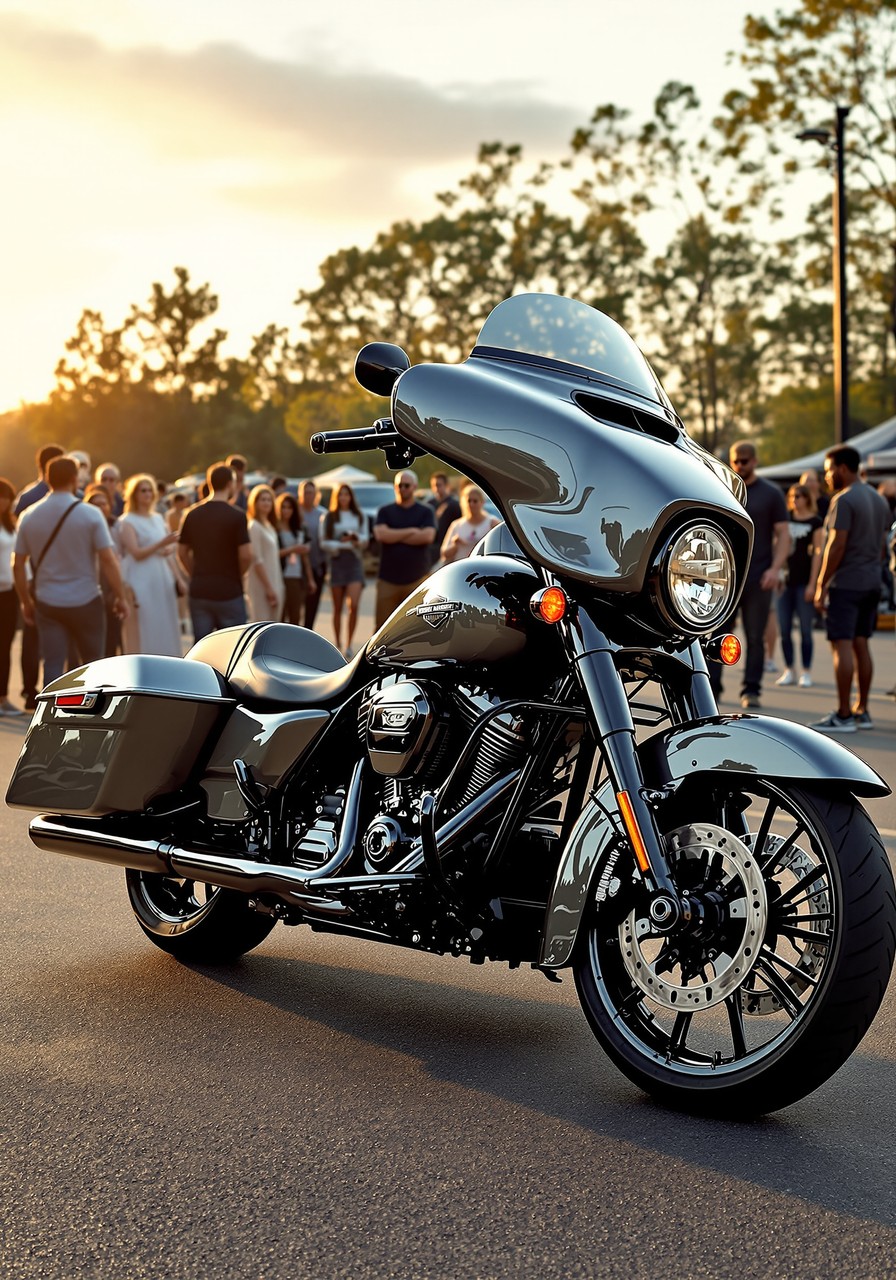
Last stretch before the December 10 draw. If you've been in a crash and haven't talked to us yet, you're missing a free entry for $20K. Visit moelaw.com. #RideNationGA #20kGiveaway #BikersWin
Local Georgia & Rides
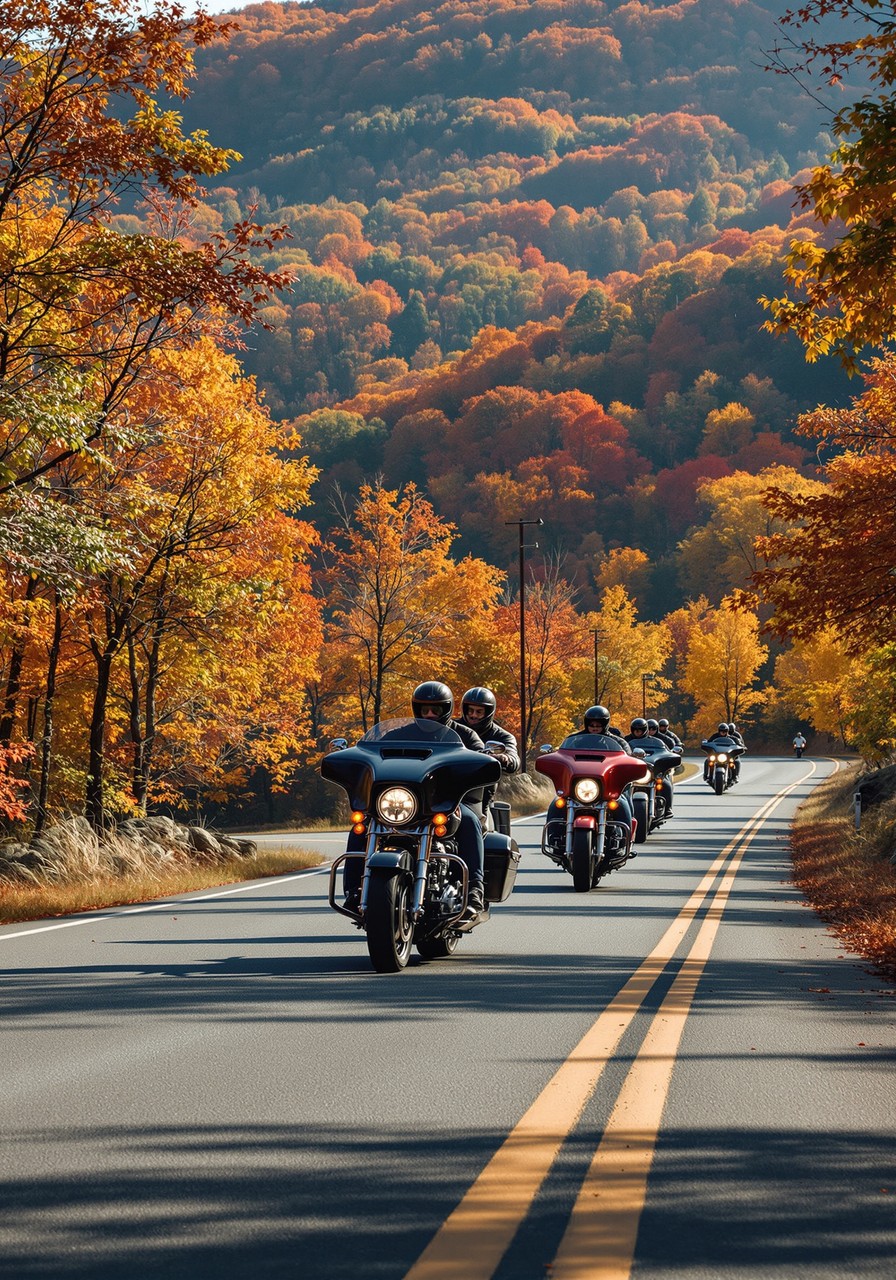
Spring in the North Georgia mountains means blooming dogwoods and clean, dry pavement. It is the sweet spot before summer heat and storms move in. #RideNationGA #NorthGeorgia #SpringRiding #BlueRidge
Gear & New Iron
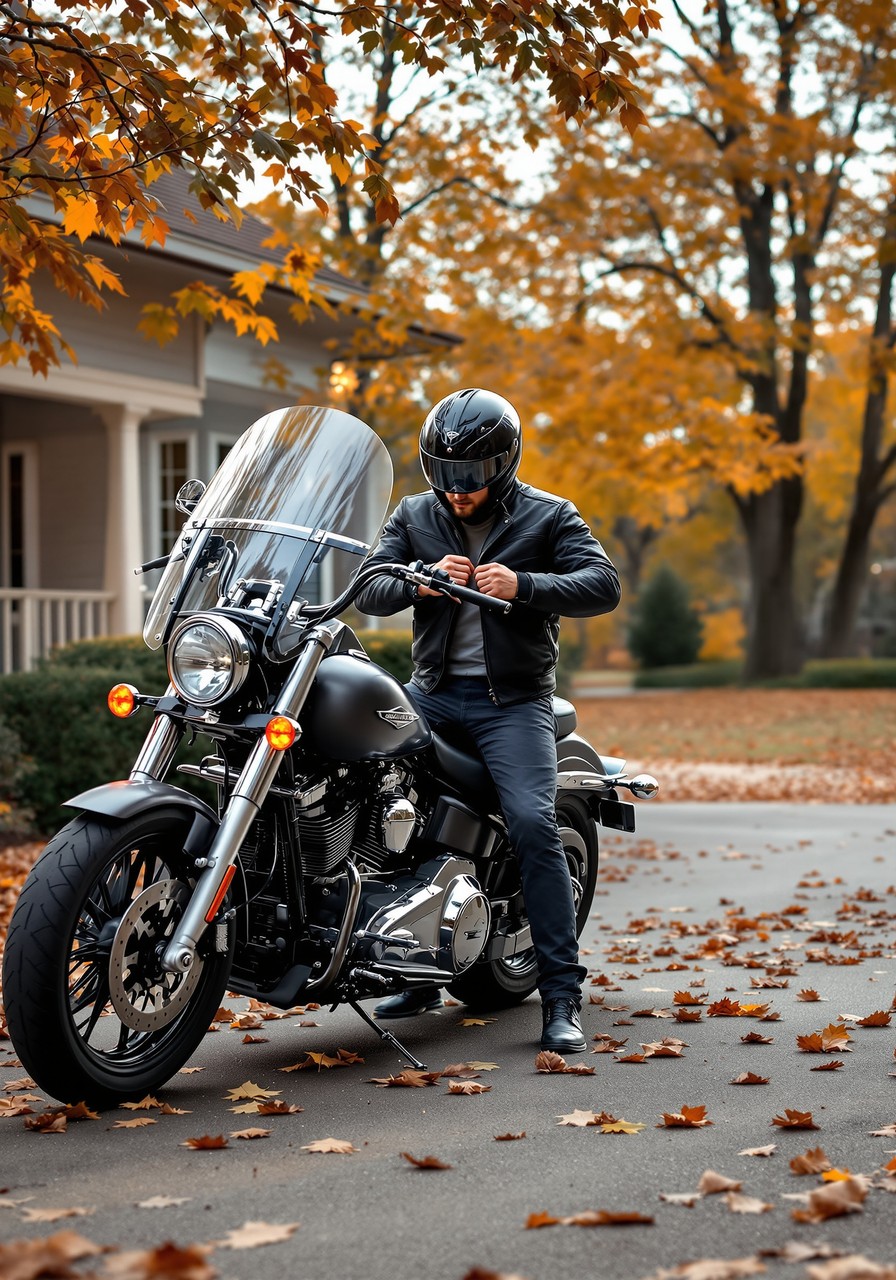
Cold hands make for slow reactions. Winter gloves or heated liners keep your inputs sharp on those frosty Dahlonega dawns. #RideNationGA #NorthGeorgia #WinterRiding
Safety & Georgia Law
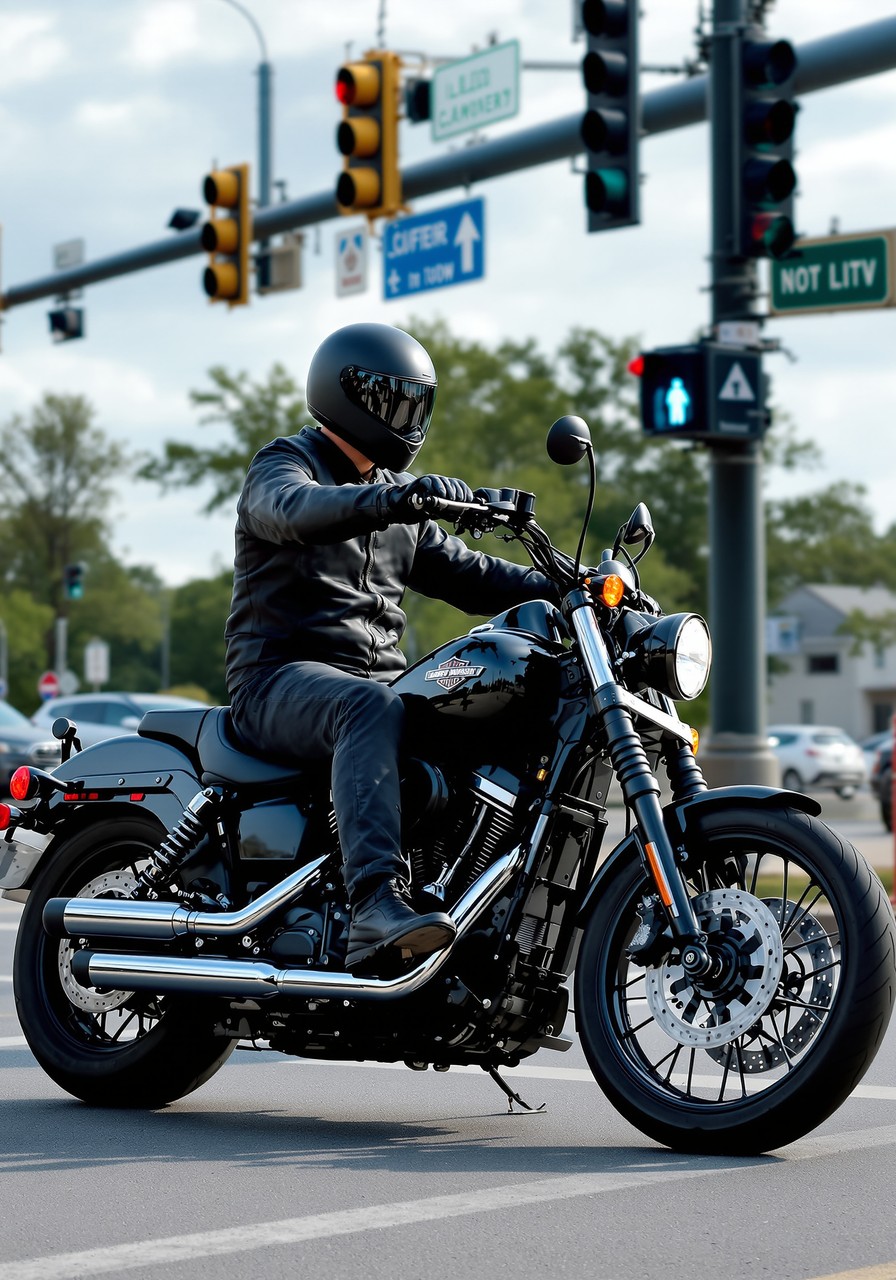
Government road-defect claims move on a much shorter clock than ordinary injury claims. If a pothole or defect caused your crash, act fast. Call Moebes Law at (404) 354-5432. #RideNationGA #RideSafe #GeorgiaLaw
Engagement
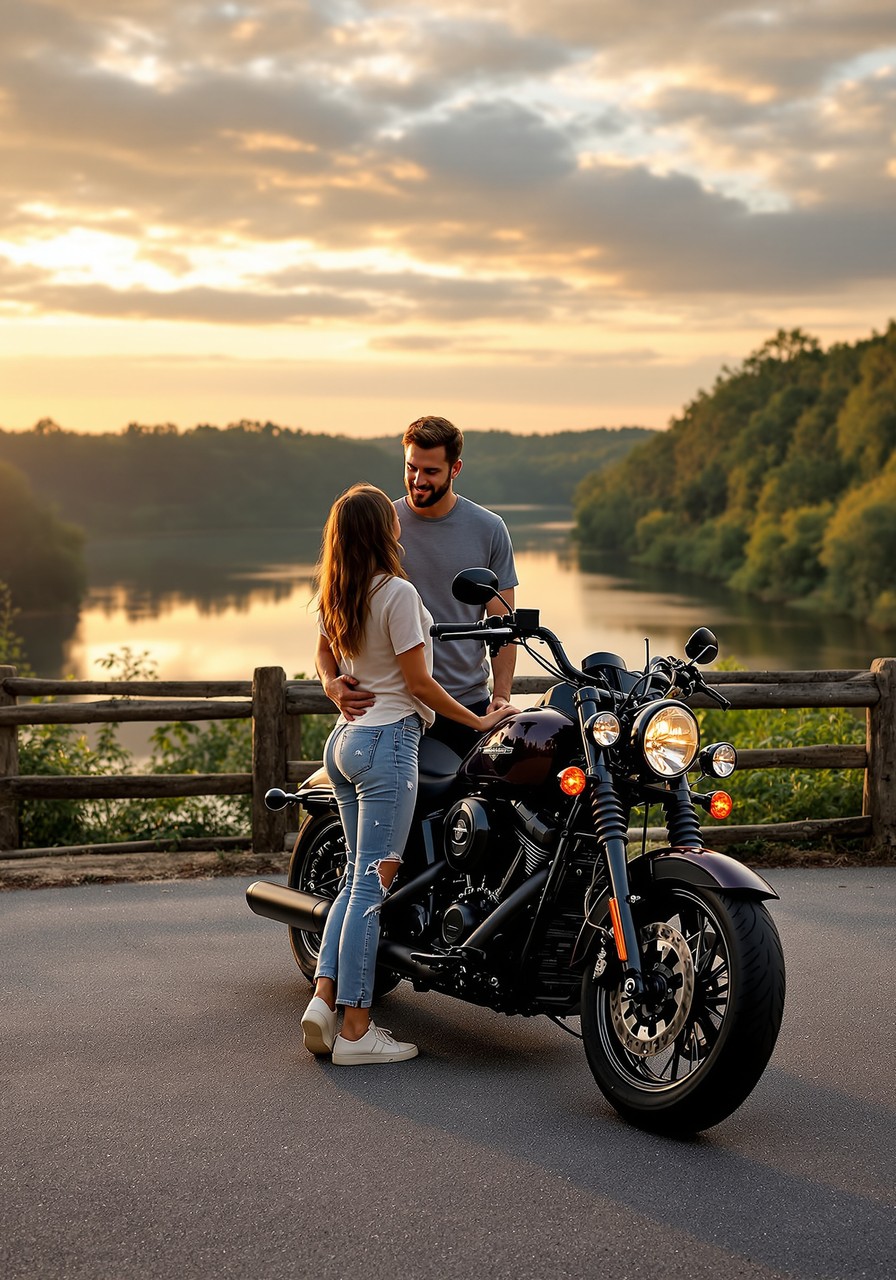
This or that: chase the fall colors up north or hold out for a crisp clear winter day? Both have their fans. #RideNationGA #FallFoliage #NorthGeorgia
Giveaway & Countdown
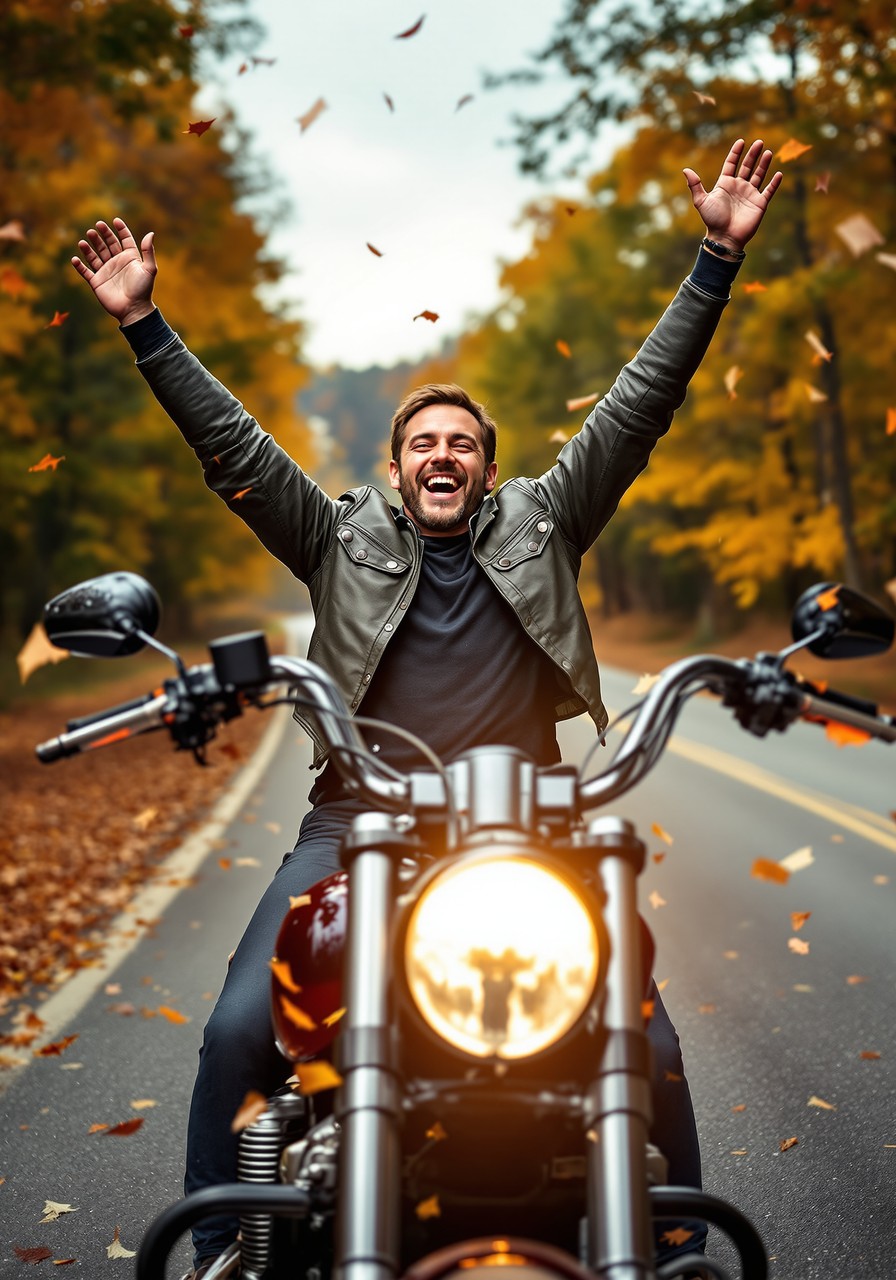
Big giveaway, simple entry. The BikersWin $20,000 prize goes to one rider, and talking to us about your crash gets you entered for free. Call (404) 354-5432. #RideNationGA #BikersWin #20kGiveaway
Local Georgia & Rides
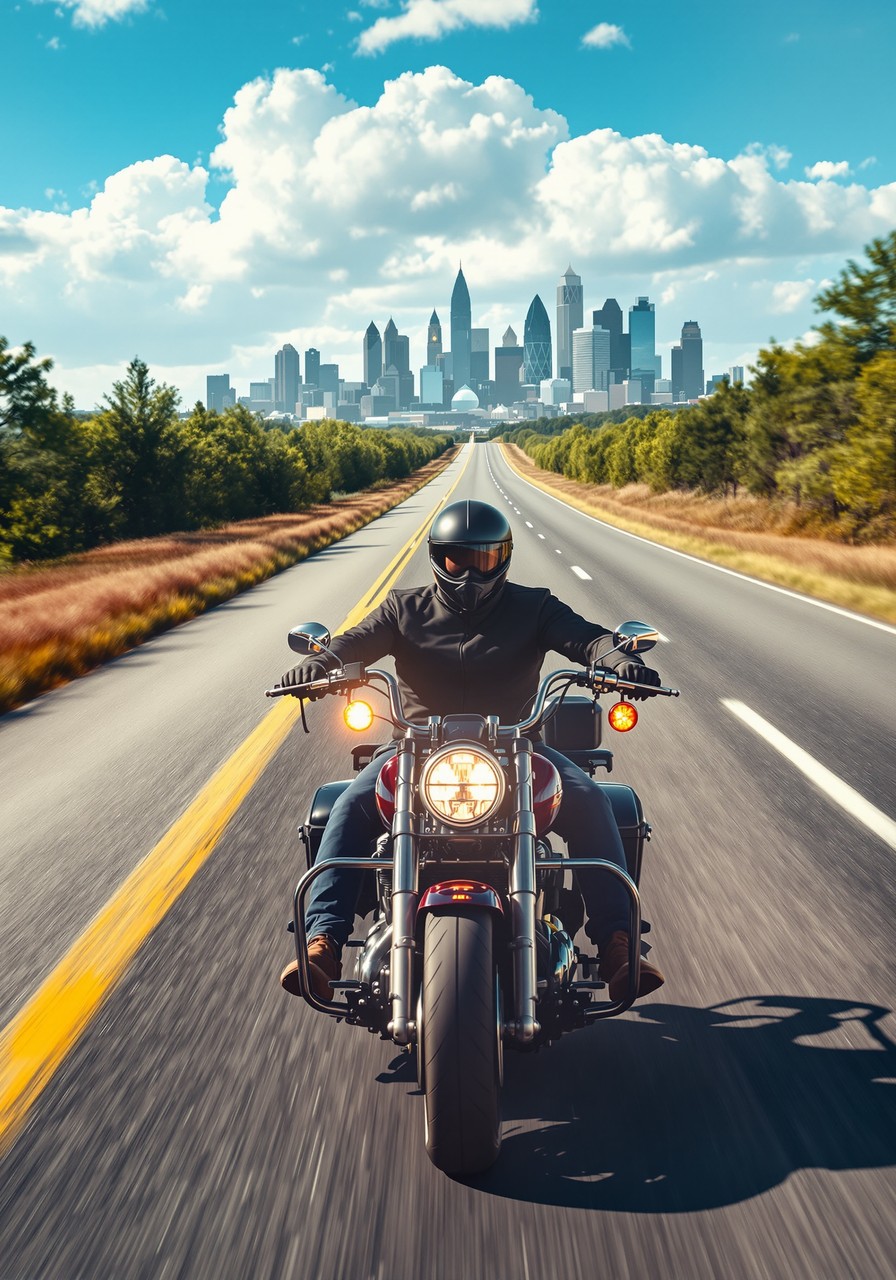
The Downtown Connector is chaos at rush hour, so plan your escape north for mid-morning. Once GA-400 opens up, the mountains are calling. #RideNationGA #AtlantaRiders #GA400 #GeorgiaRiding
Gear & New Iron
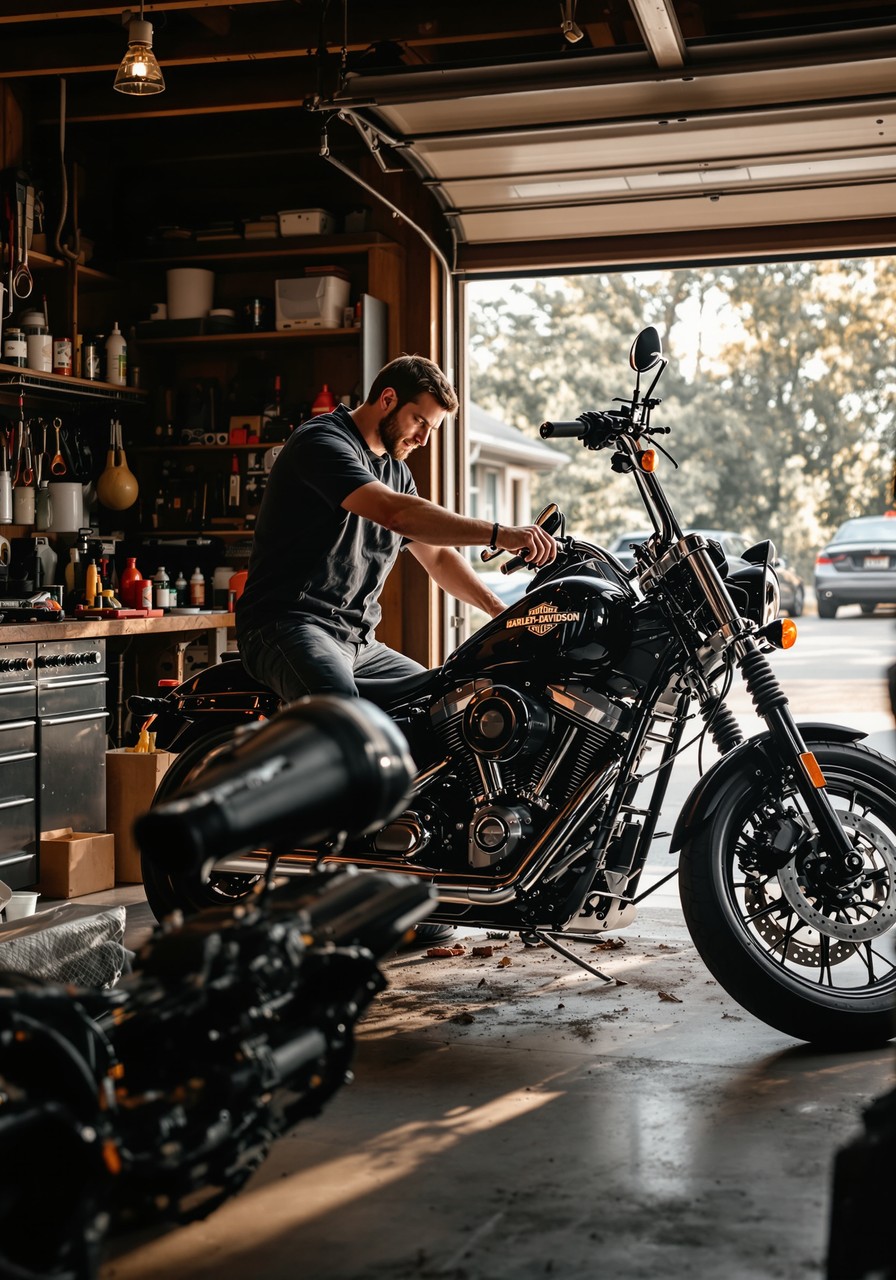
Adjust your levers to fit your hands, not the factory's guess. Two minutes with a wrench, a whole new feel at the bars. #RideNationGA #Farkles #GearTips
Safety & Georgia Law
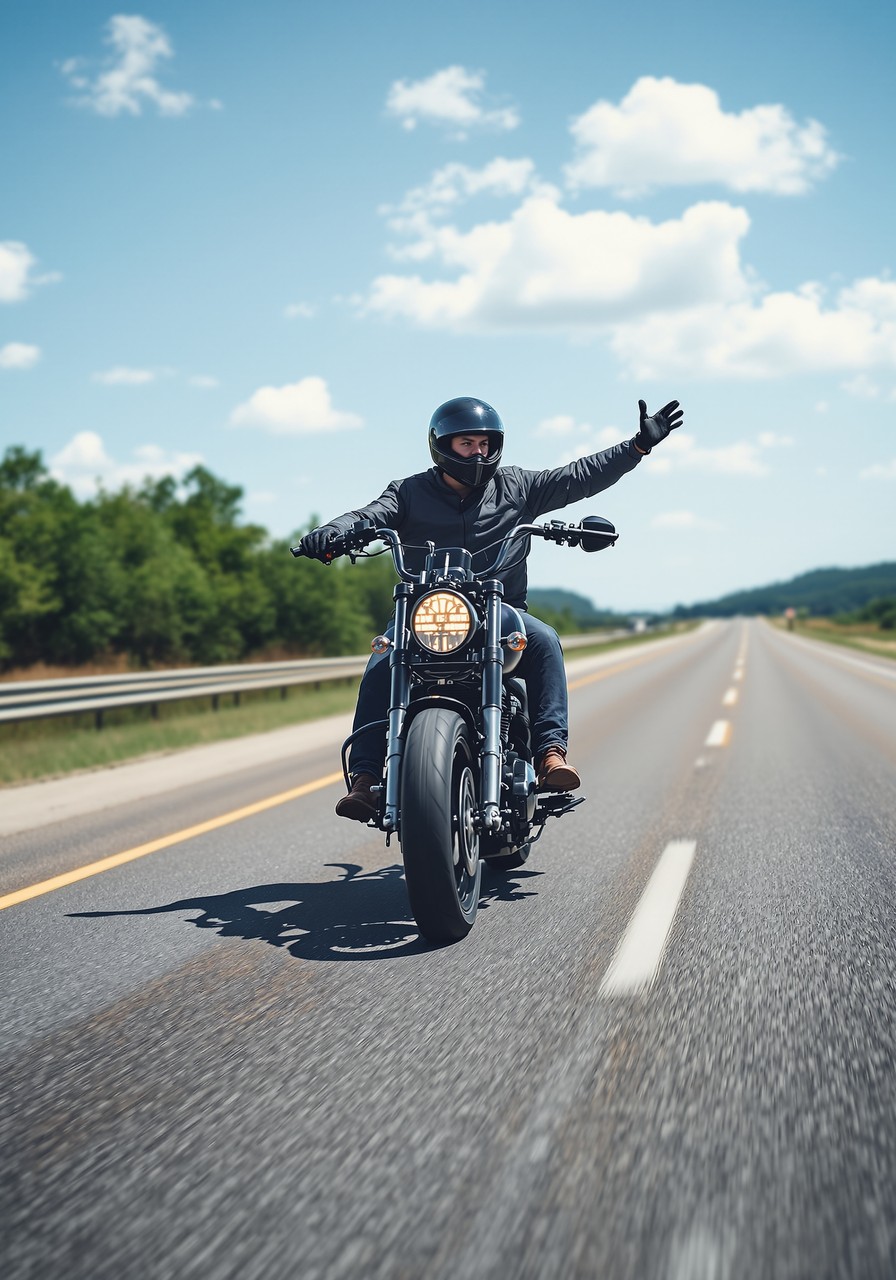
Space is safety in city traffic. Stagger your position, leave a buffer, and never park in a driver's blind spot on GA-400. #RideNationGA #RideSafe #ATLtraffic
Engagement
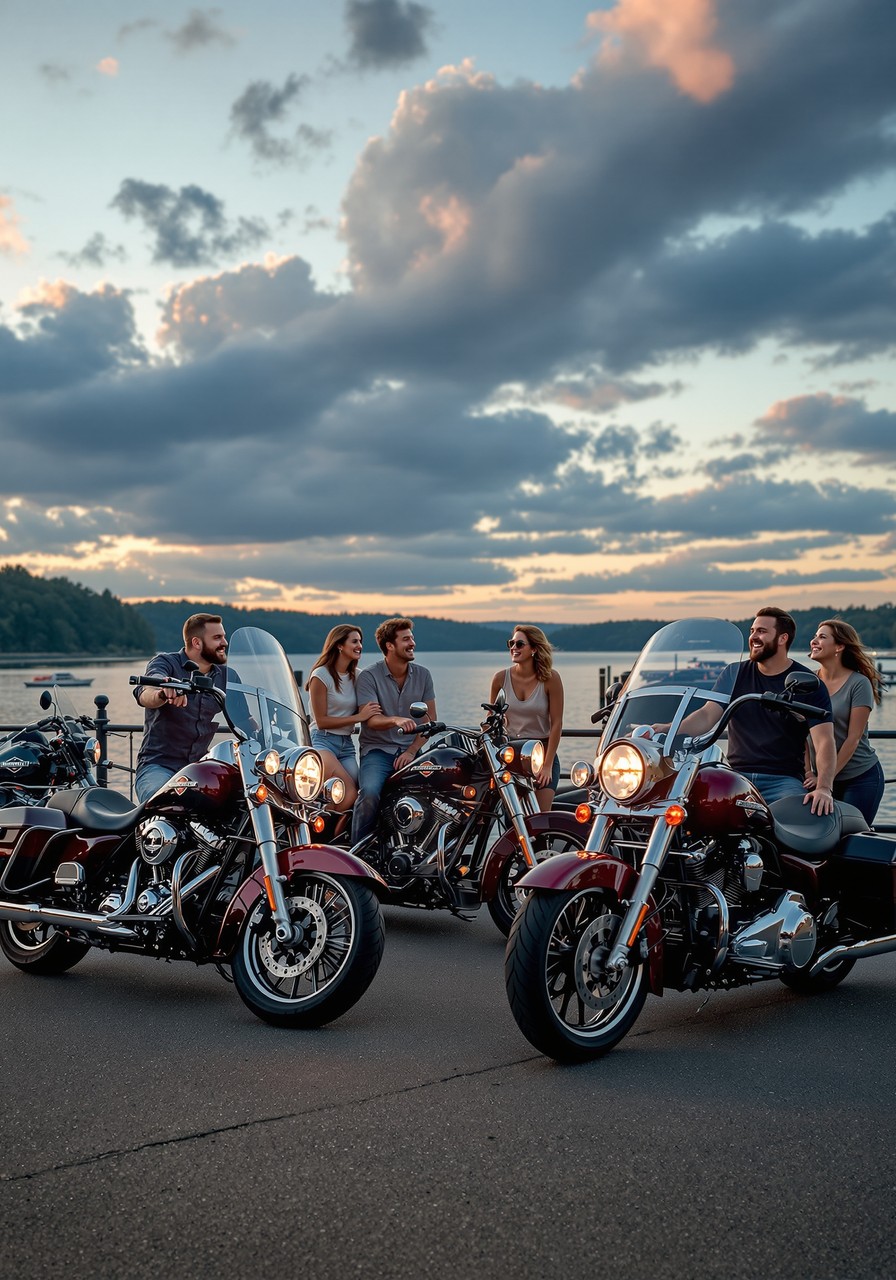
Fill in the blank: My go-to reset ride after a long week is ______. We could all use one. #RideNationGA #AtlantaRiders #NorthGeorgia
Giveaway & Countdown
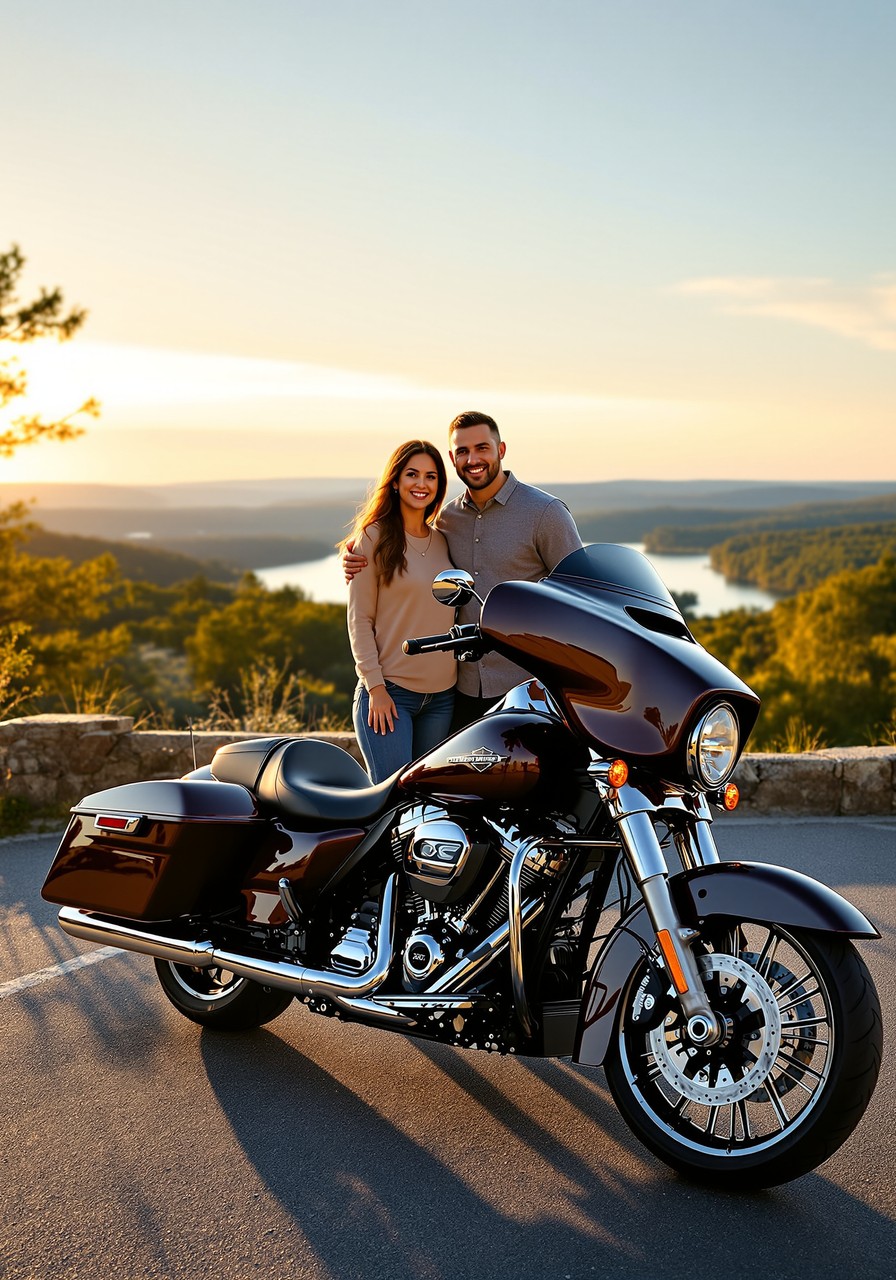
Don't sleep on this, North Georgia. The $20K motorcycle giveaway draws December 10 and free entry closes with it. Learn more at moelaw.com. #RideNationGA #20kGiveaway #BikersWin
Local Georgia & Rides
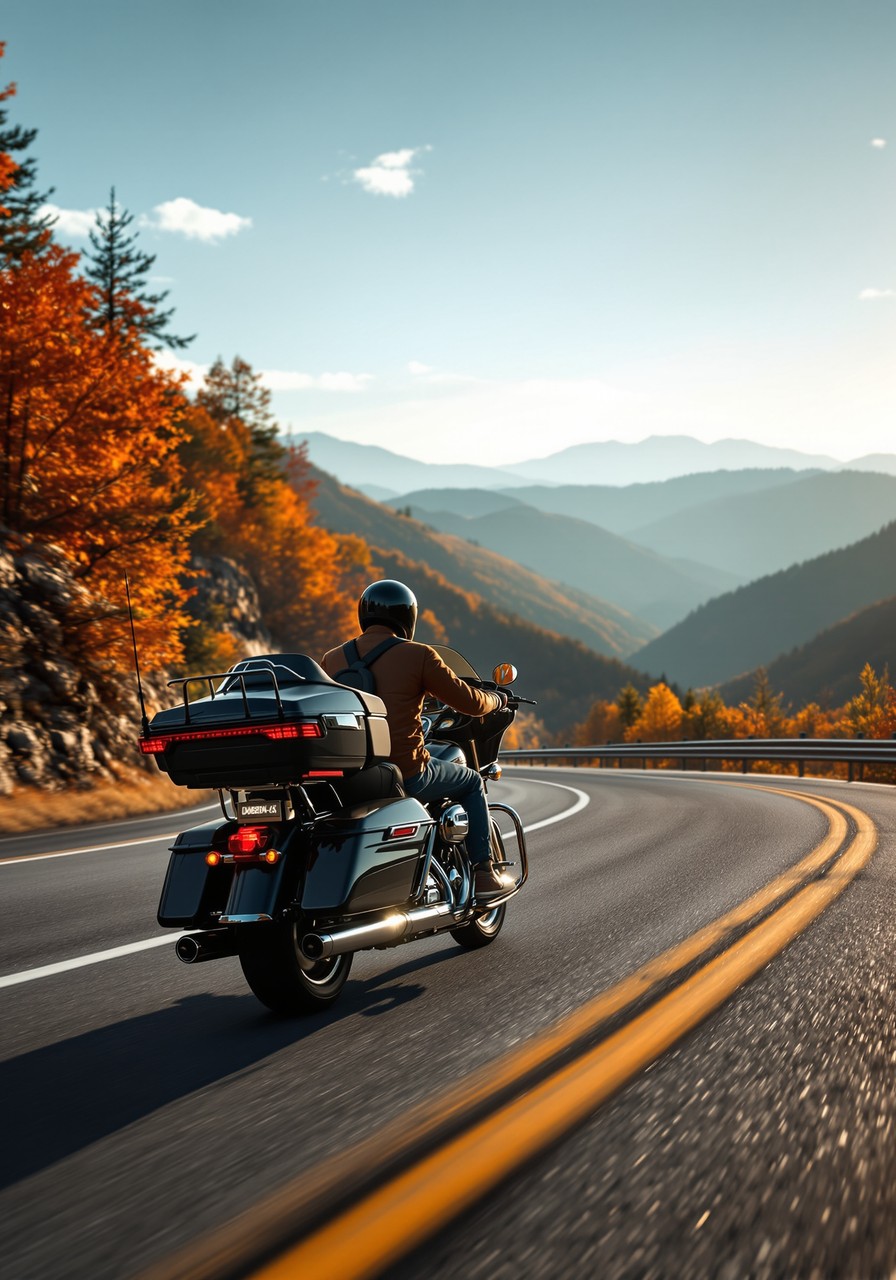
GA-180 over Wolf Pen Gap is the kind of road you remember for years. Twelve miles of ridge-hugging curves with almost no traffic. Save it for a clear day. #RideNationGA #WolfPenGap #Suches #NorthGeorgia
Gear & New Iron
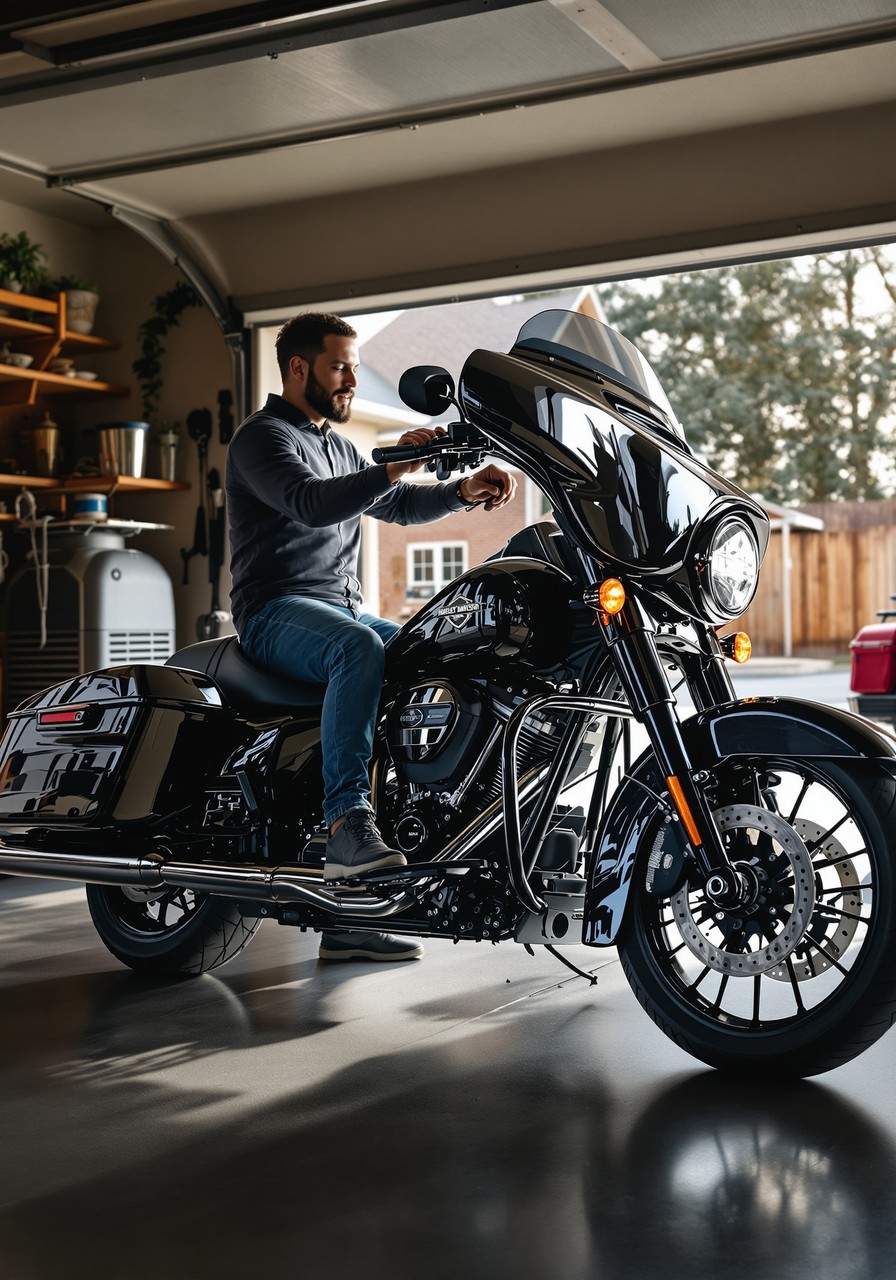
Sun's out, visor's down, tires warm. Spring in Georgia is the reward for every mile of winter prep. #RideNationGA #SpringRiding #AtlantaRiders
Safety & Georgia Law
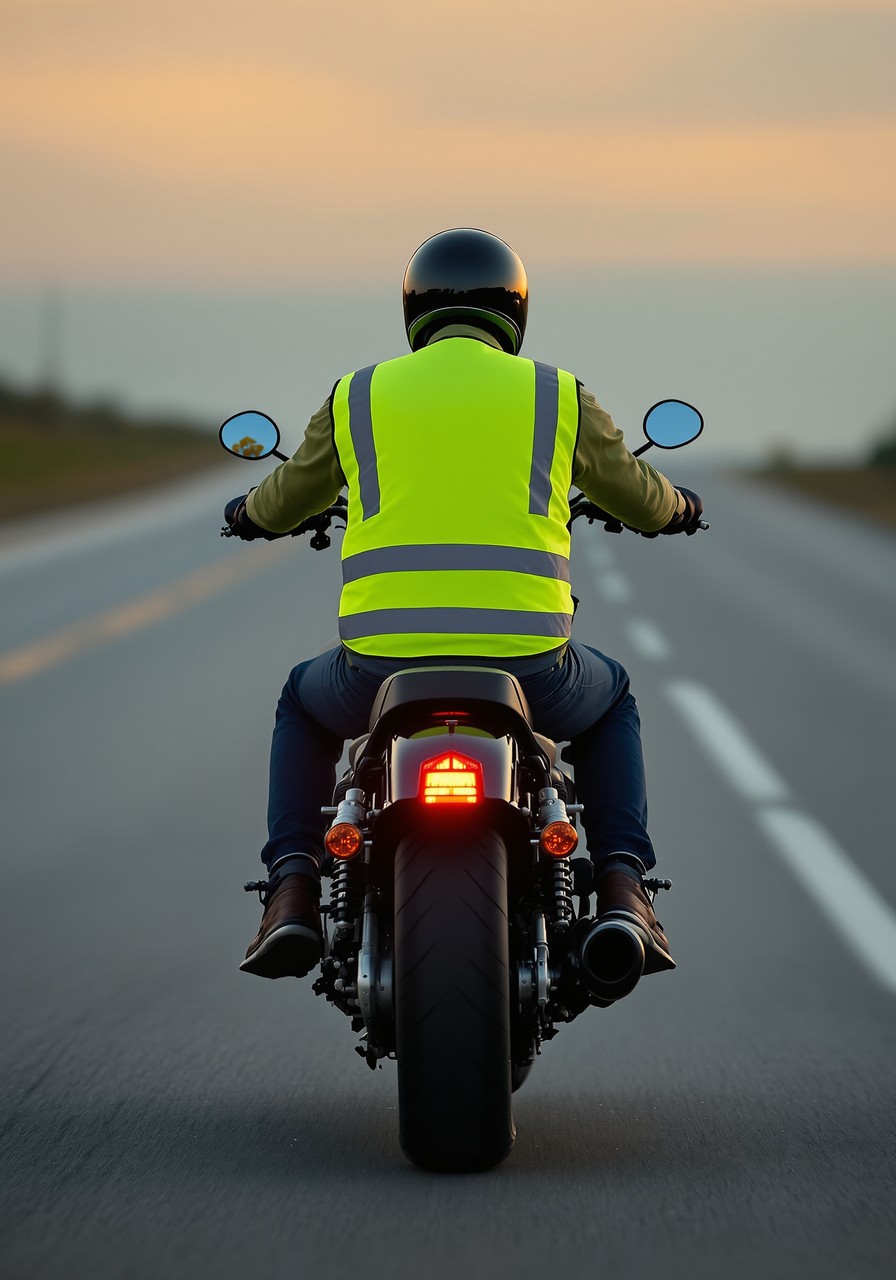
Rain-slick lines, painted crosswalks, and metal plates all cut your traction. Roll smooth and brake early. #RideNationGA #RideSafe #WetRoads
Engagement
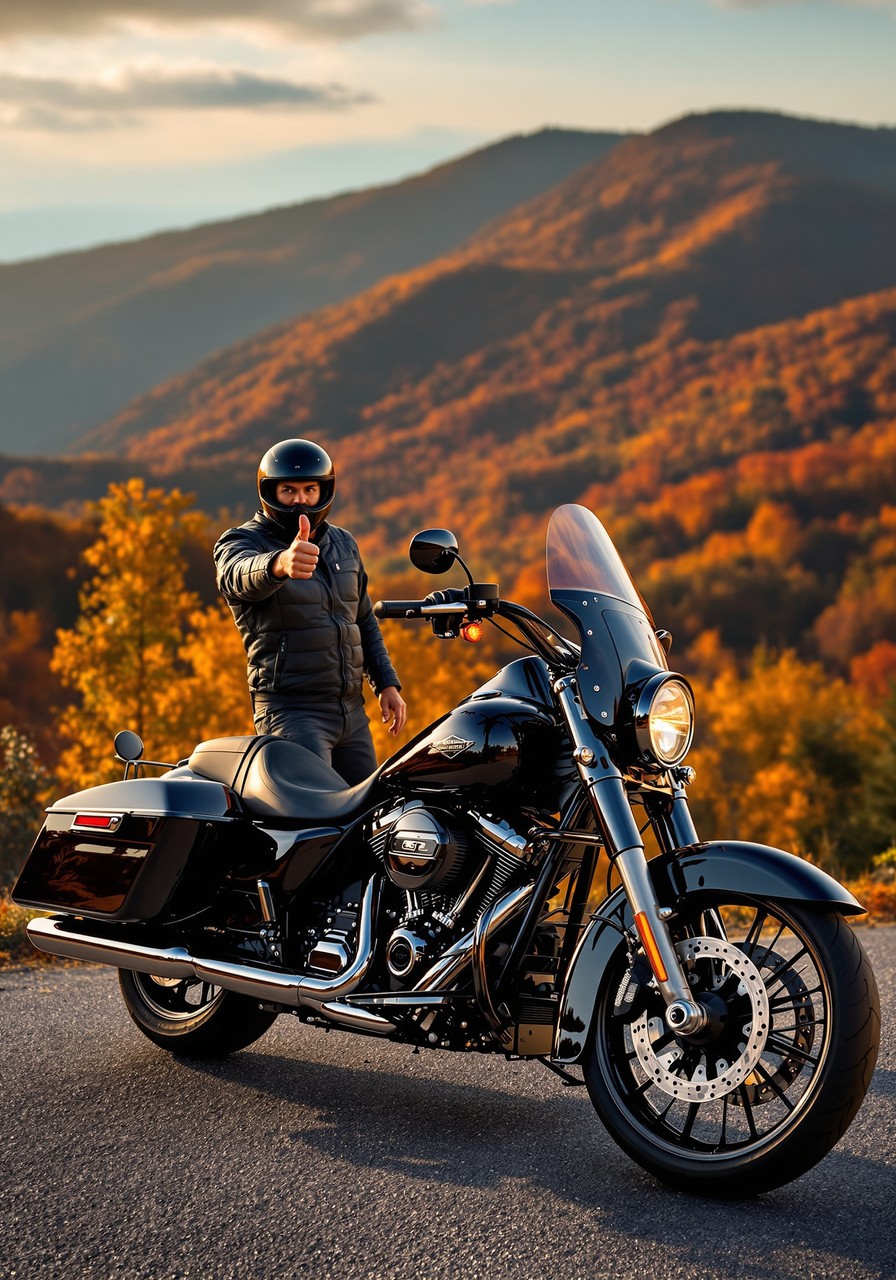
Tag a buddy and plan it right now: which North Georgia road are you two hitting next? #RideNationGA #NorthGeorgia #TwoWheelsOfSuches
Giveaway & Countdown
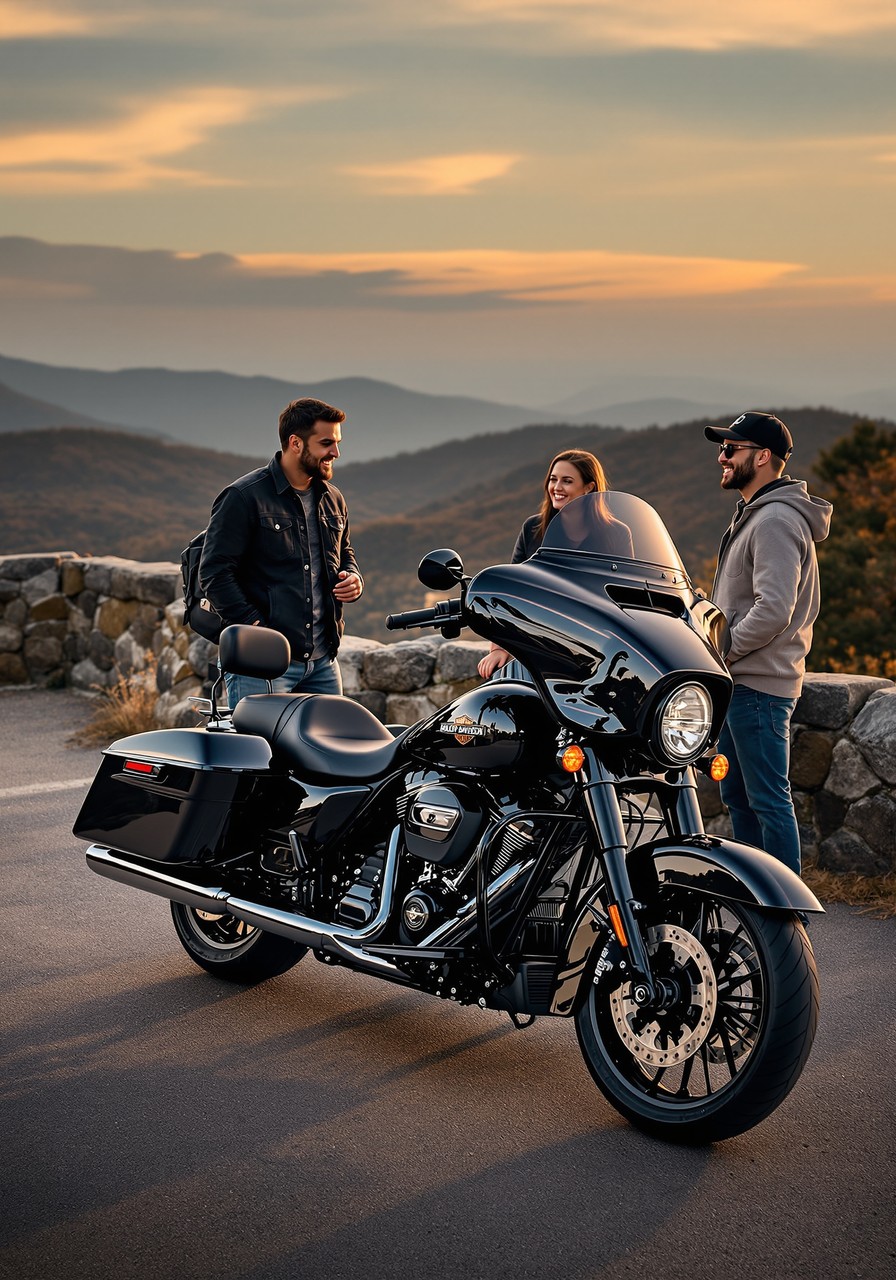
Every conversation about a motorcycle crash with Moebes Law is a free ticket into the $20,000 BikersWin giveaway. Ask Colonel Moe how at (404) 354-5432. #RideNationGA #BikersWin #20kGiveaway
Local Georgia & Rides
A Lake Lanier sunset loop is the perfect way to close a metro riding day. Cooler air, quiet lakeside two-lanes, and that golden light off the water. #RideNationGA #LakeLanier #AtlantaRiders #GeorgiaRiding
Gear & New Iron
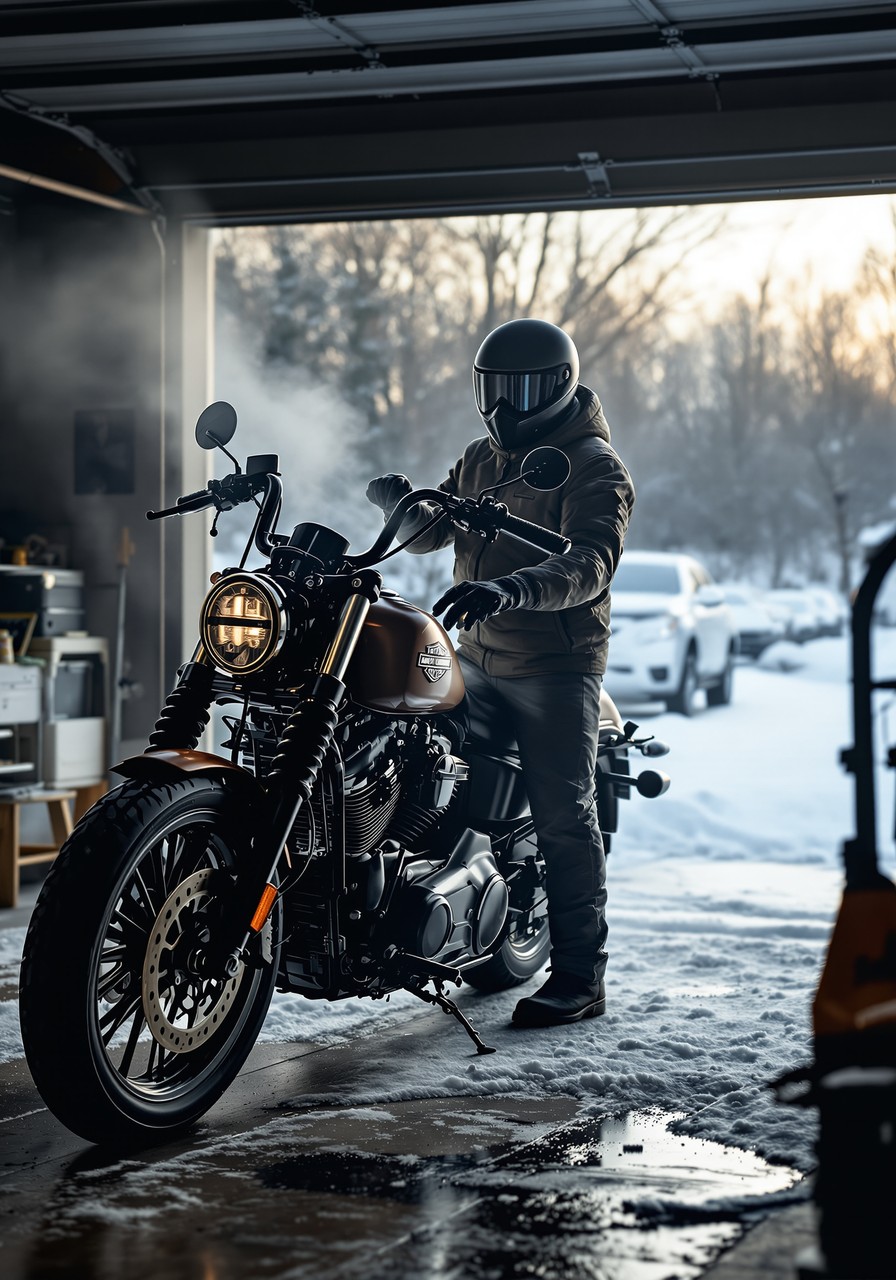
A good frame slider setup is cheap insurance against a tip-over in the parking lot. Protect the plastics, protect the wallet. #RideNationGA #Farkles #RideSafe
Safety & Georgia Law
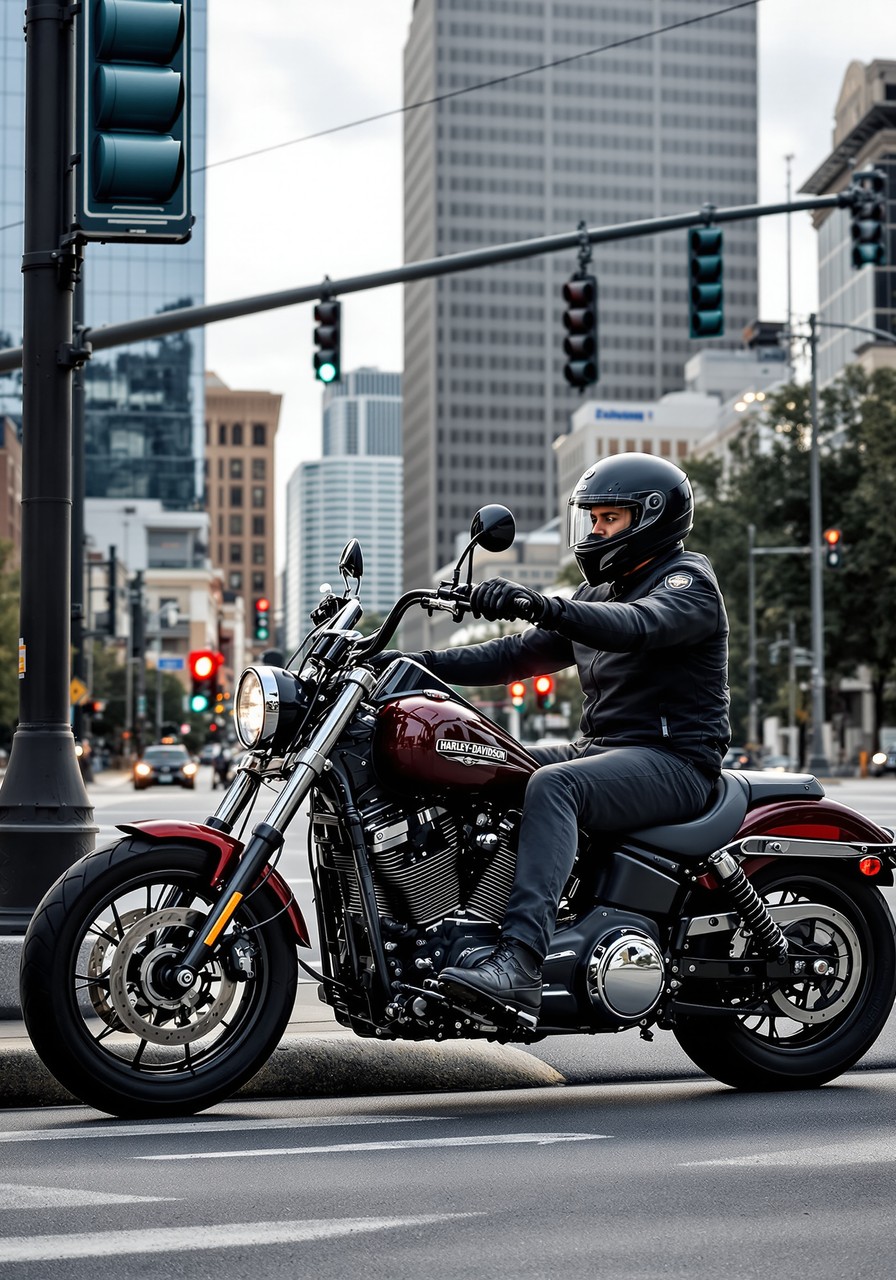
The minimum policy other drivers carry may not cover your injuries. UM/UIM fills that gap. Questions about coverage after a crash? Call Moebes Law at (404) 354-5432. #RideNationGA #RideSafe #UMcoverage
Engagement
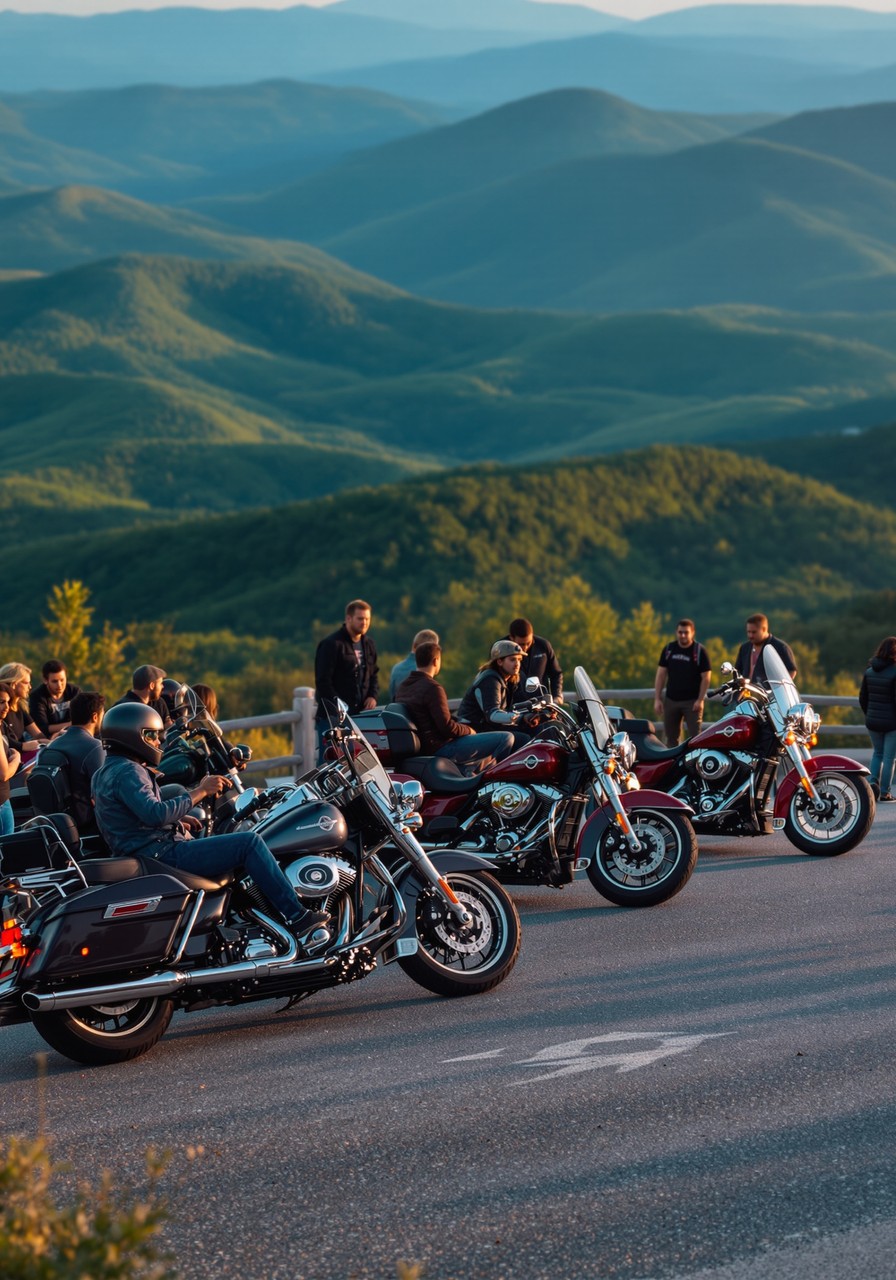
Caption this: rolling into Suches at midday, the lot full, that first-cold-drink feeling. #RideNationGA #TwoWheelsOfSuches #NorthGeorgia
Giveaway & Countdown
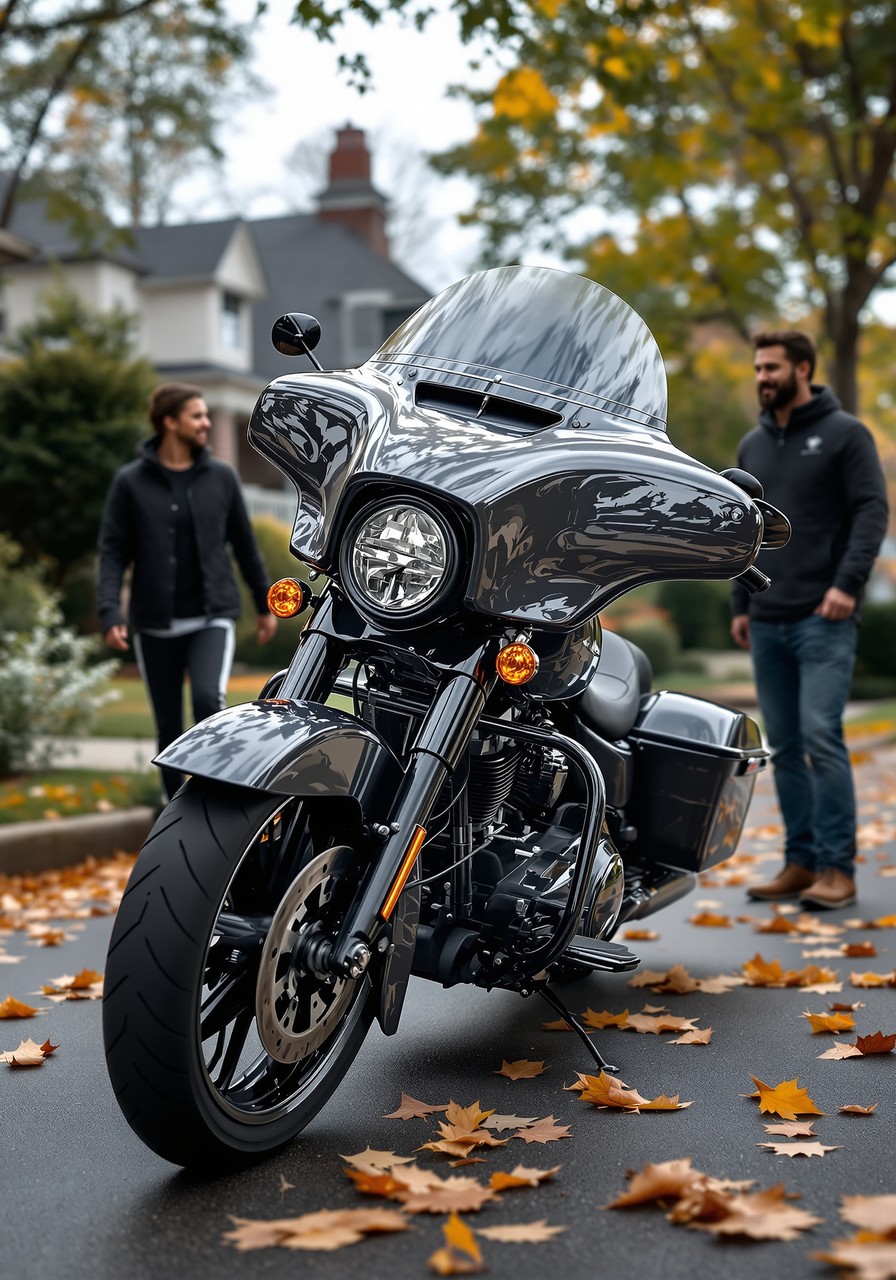
The energy around the BikersWin giveaway keeps growing. One rider, $20,000, December 10. Get entered for free at moelaw.com. #RideNationGA #20kGiveaway #BikersWin
Local Georgia & Rides
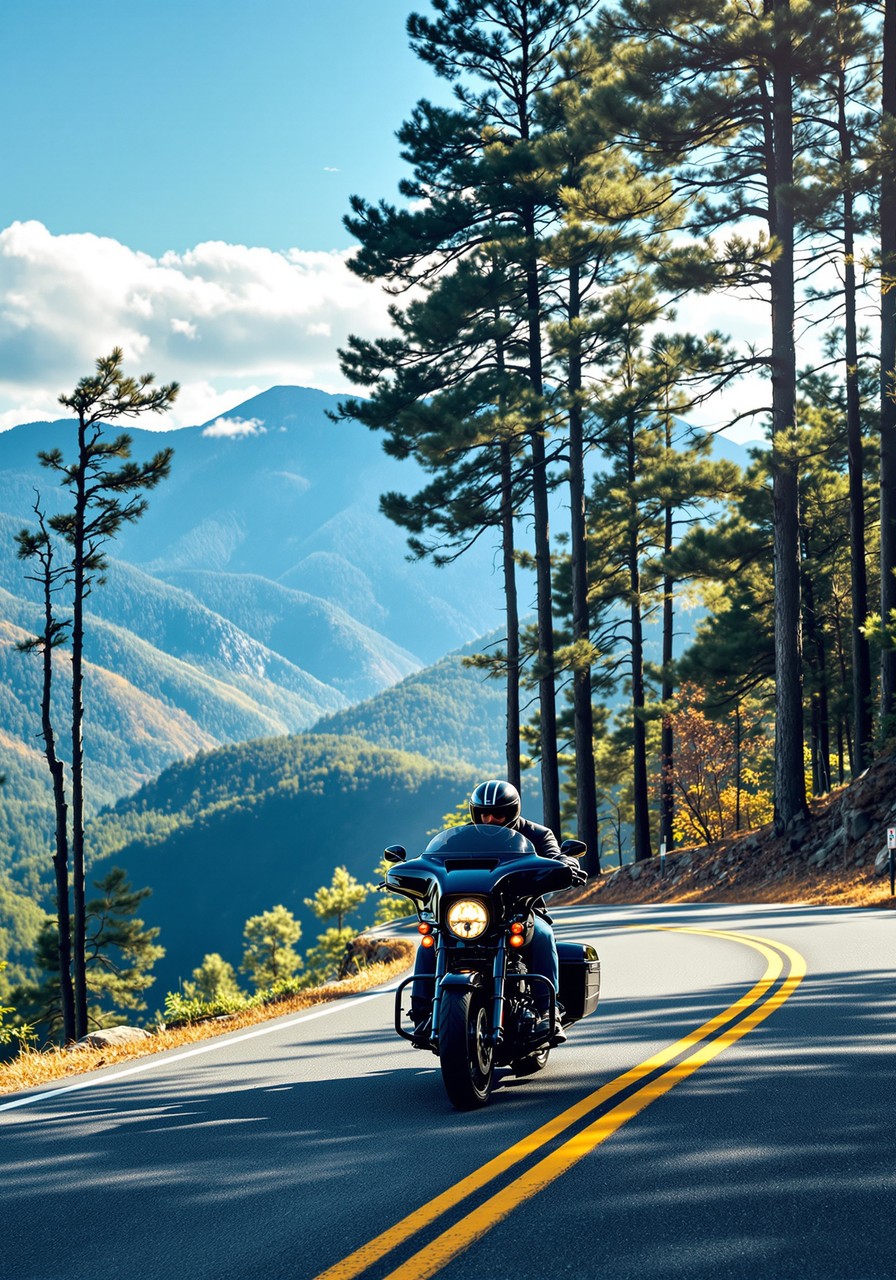
Neel Gap on US-19/129 is where the Appalachian Trail crosses the road at Mountain Crossings. Riders and hikers share the same mountain here, so give the walkers room. #RideNationGA #NeelGap #BloodMountain #NorthGeorgia
Gear & New Iron
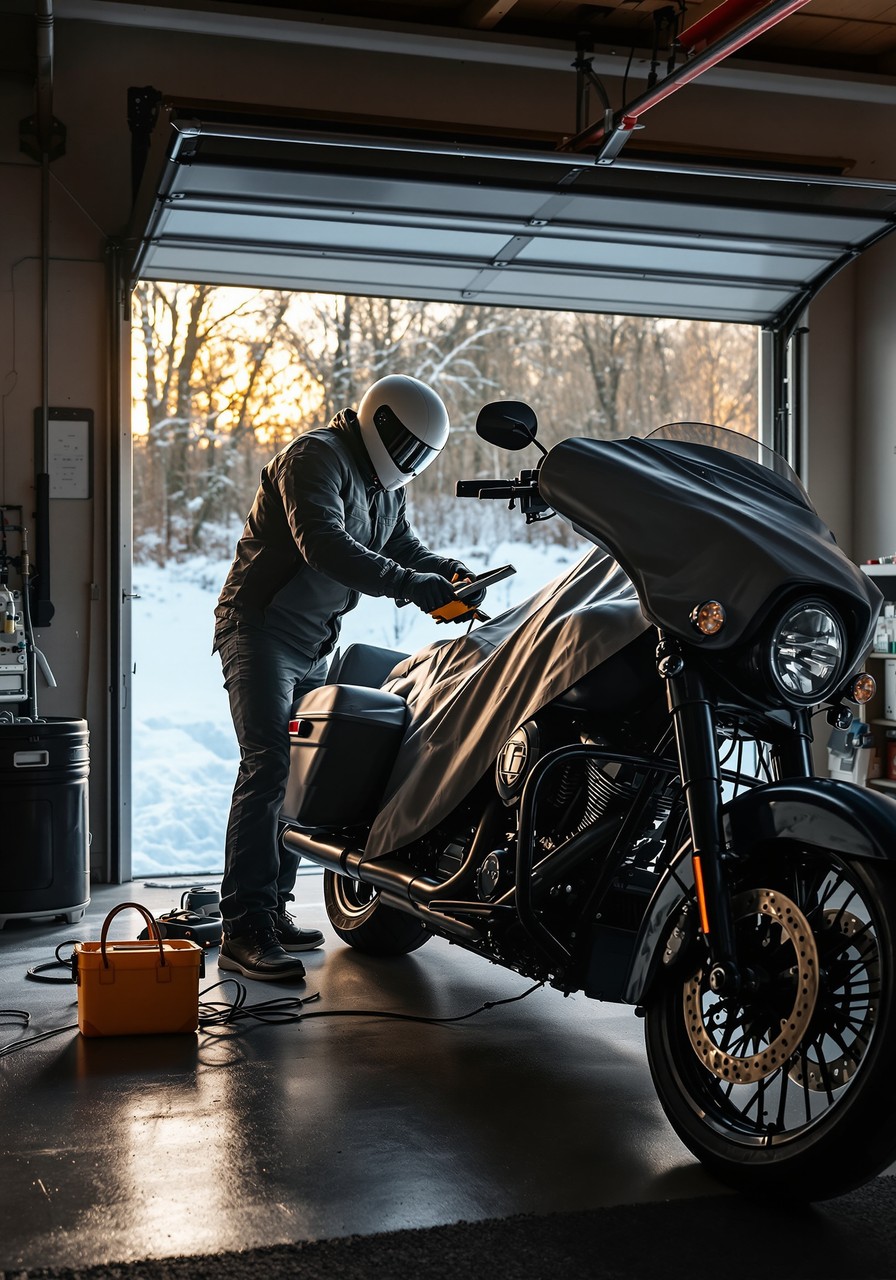
Ventilated summer boots exist and they are a gift. Ankle protection without the sauna on I-285. #RideNationGA #ATGATT #GearUp
Safety & Georgia Law
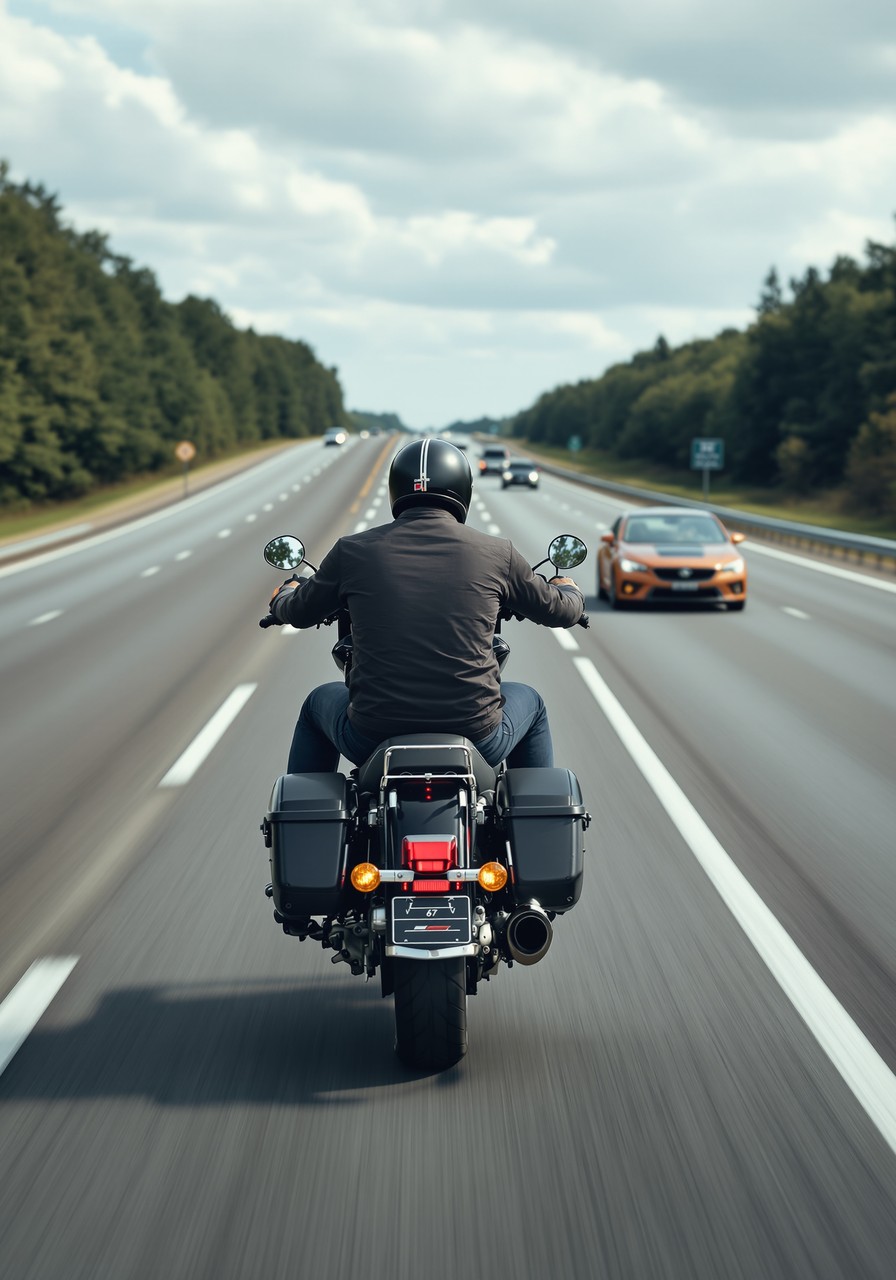
Don't post about your crash on social media, not even a quick update. What you share can be used against your claim. Call Colonel Moe at (404) 354-5432. #RideNationGA #RideSafe #CrashTips
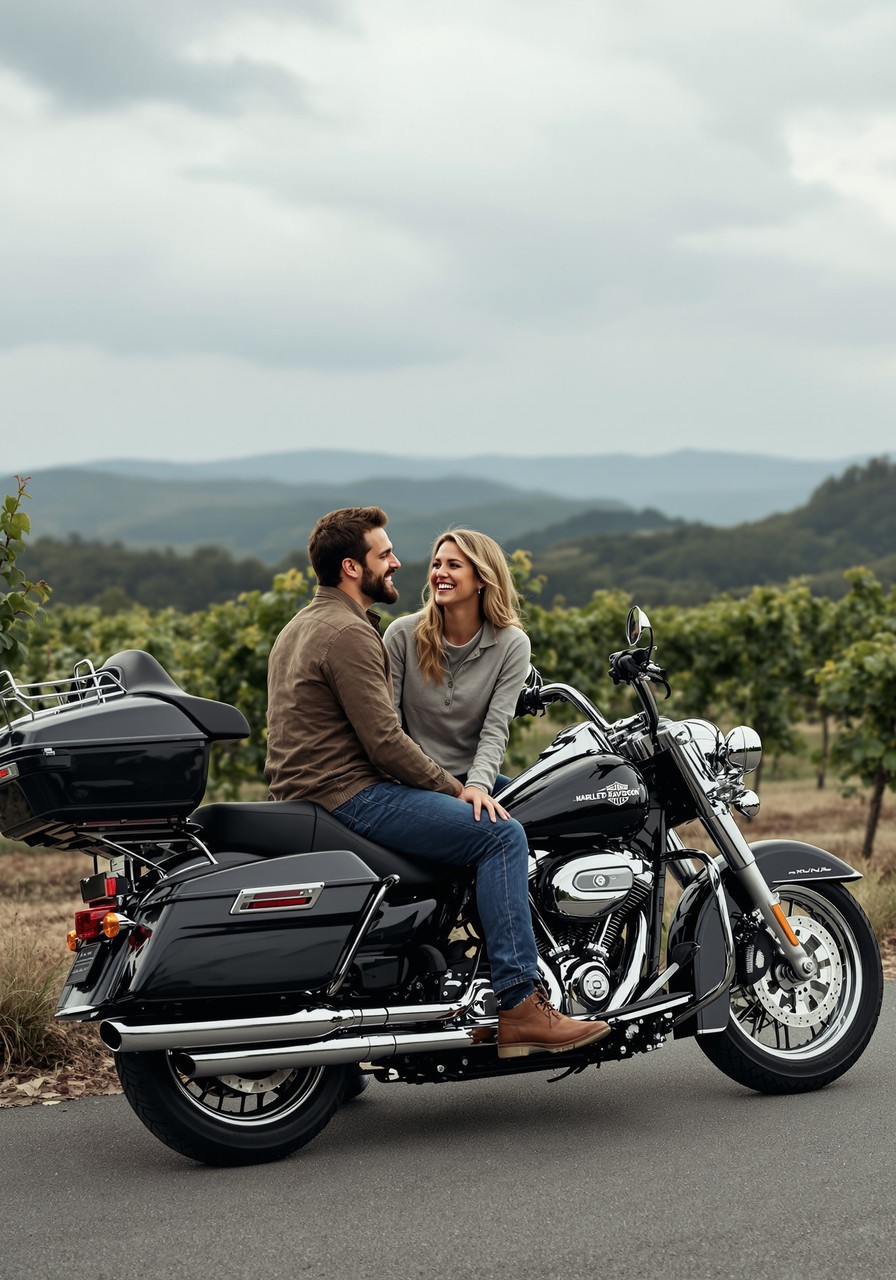
Engagement
Last one, riders: finish this sentence. The mountains are calling and ______. Best answer gets pinned. #RideNationGA #BloodMountain #NorthGeorgia
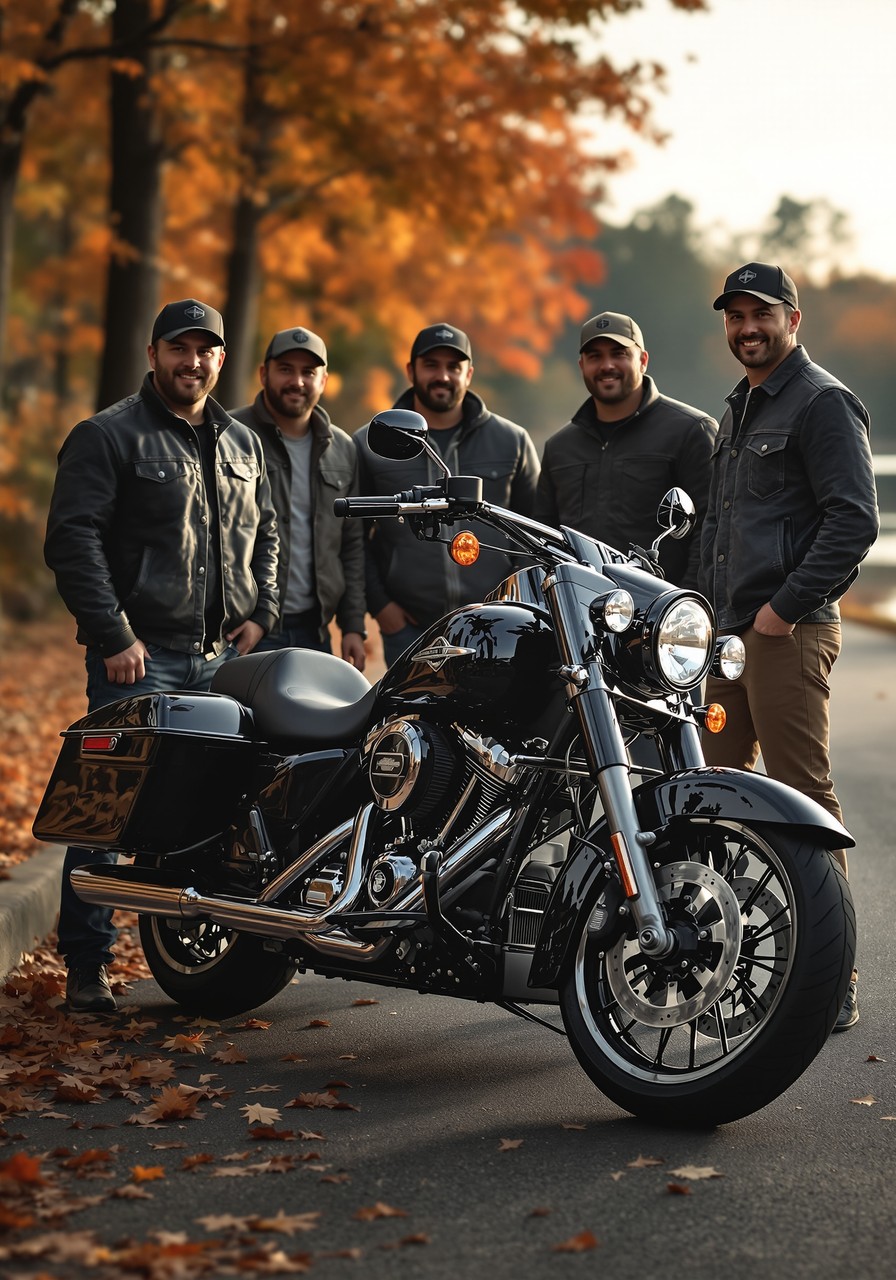
Giveaway & Countdown
Final reminder, riders: the $20,000 motorcycle giveaway is drawn December 10 and your free entry is just one call away. Reach Moebes Law at (404) 354-5432. #RideNationGA #BikersWin #20kGiveaway
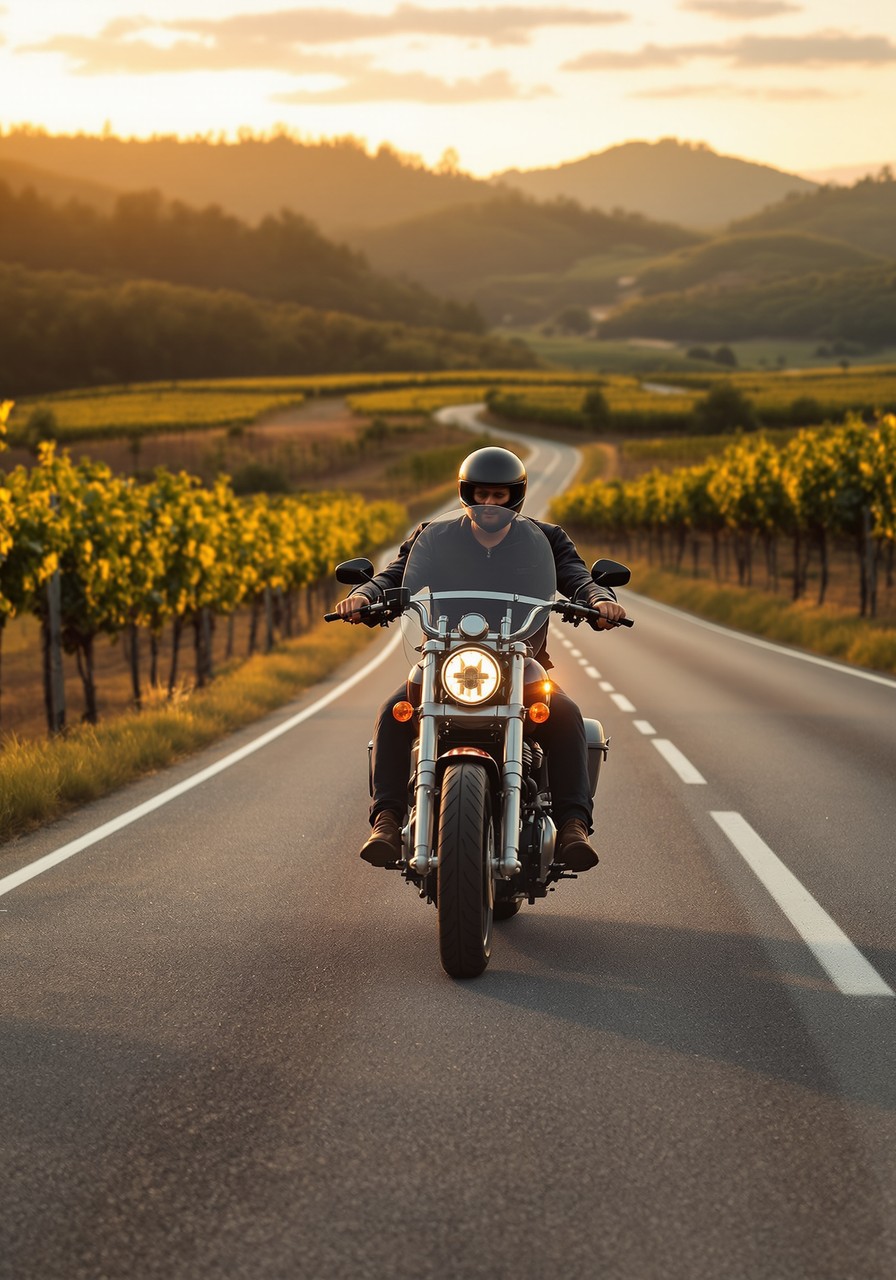
Local Georgia & Rides
From the Perimeter to Brasstown Bald in one tank is the metro rider's dream day. Leave early, climb high, and watch the whole state open up beneath you. More rides at moelaw.com. #RideNationGA #BrasstownBald #AtlantaRiders #NorthGeorgia
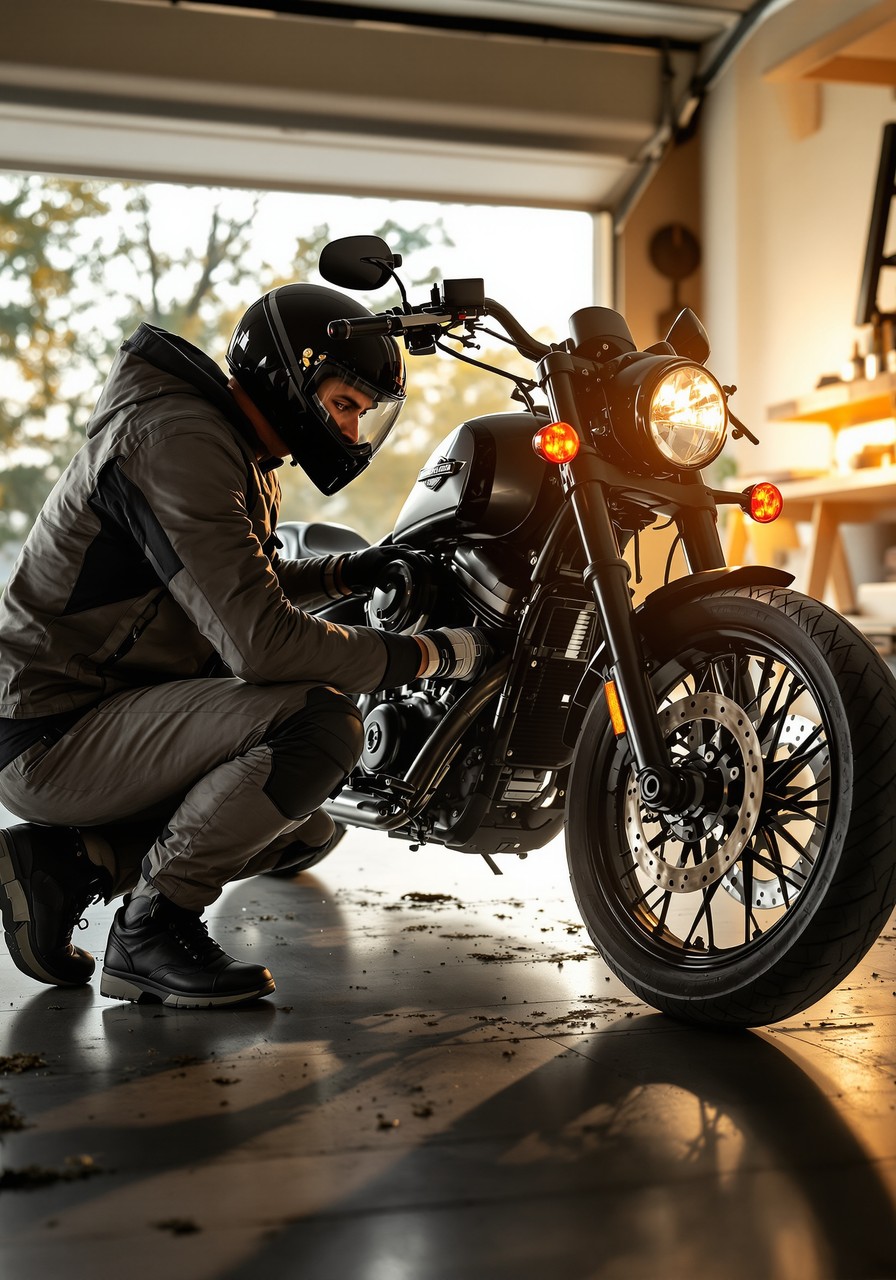
Gear & New Iron
Gear up right and the ride takes care of the rest. Ride smart, ride covered, and we'll see you out there. More at moelaw.com. #RideNationGA #RideSafe #AtlantaRiders
Safety & Georgia Law
Pre-season checklist: tires, brakes, lights, chain, and coverage. Confirm your UM/UIM before the first warm ride. Questions? Call Moebes Law at (404) 354-5432. #RideNationGA #RideSafe #RideReady